
Ladakh Travel Guide: How to Plan a Trip to Leh, Nubra and Pangong
Ladakh, a high-altitude desert in the far Himalaya, is famous for Leh, the Nubra Valley and Pangong Lake. The one rule that matters is to acclimatise. Experience My India builds altitude-first itineraries with a mandatory rest day in Leh, handles the permits, and runs it May to September with a local guide and driver.
By Gurudutt Kaushal · Reviewed by Gurudutt Kaushal · Updated 1 Sept 2026
See all 5 tours and experiences in Ladakh →
Government-approved operatorApproved by the Ministry of Tourism, Government of India
Places to visit in Ladakh
Altitude and permits: read before you book
Leh sits at about 3,500m and most of Ladakh's sights are higher, so altitude sickness is a genuine risk. Official advice is a mandatory 48-hour rest in Leh to acclimatise before going higher, then a gradual ascent; ask your doctor about altitude medication before you travel. Restricted areas, including Nubra Valley, Pangong Tso, Tso Moriri and Hanle, need a permit (a Protected Area Permit for foreign visitors), which a registered operator arranges. Areas close to the borders are off the tourist circuit. Ladakh is open to tourists, but check your government's current travel advice before booking.
India's high-altitude desert beyond the Himalaya
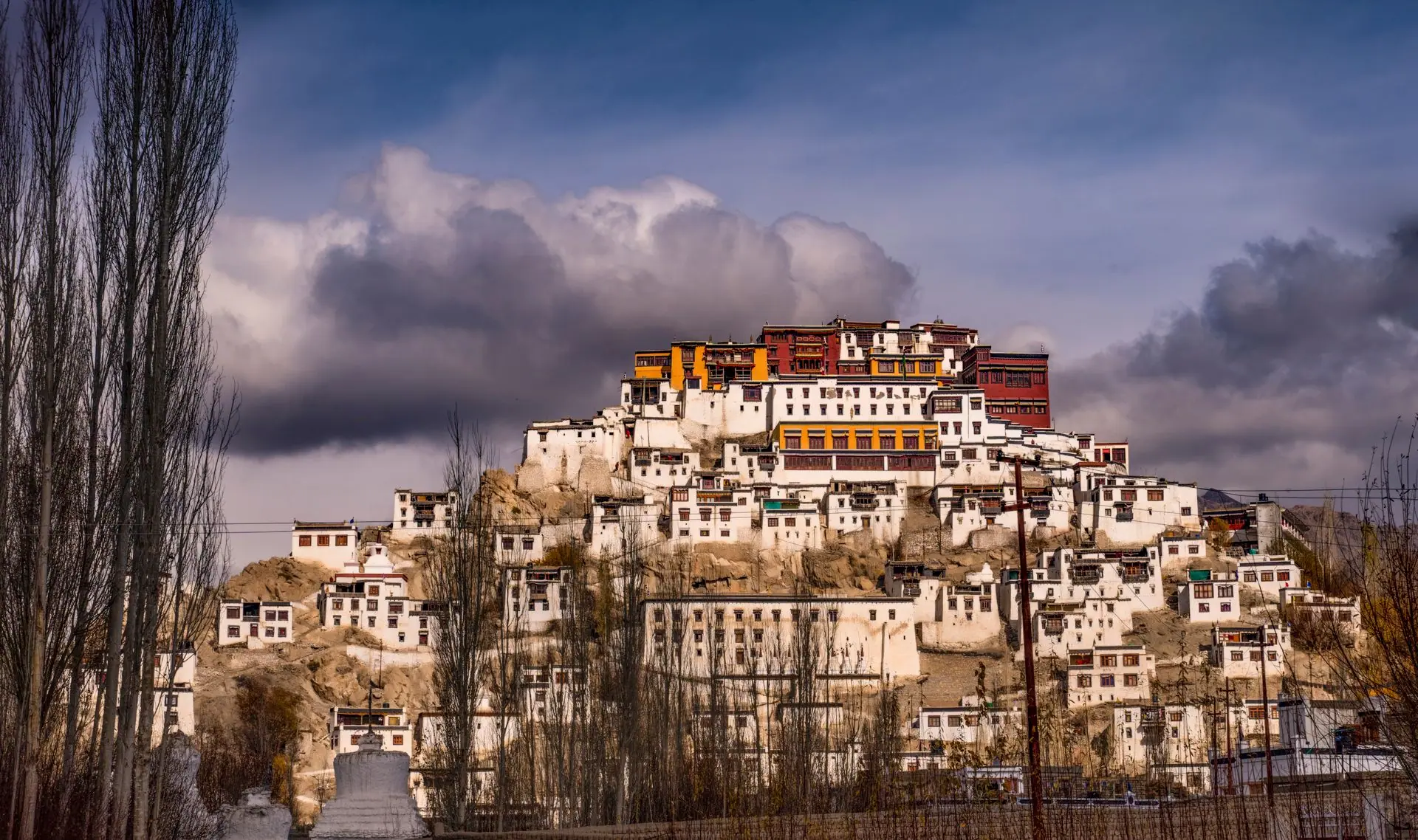
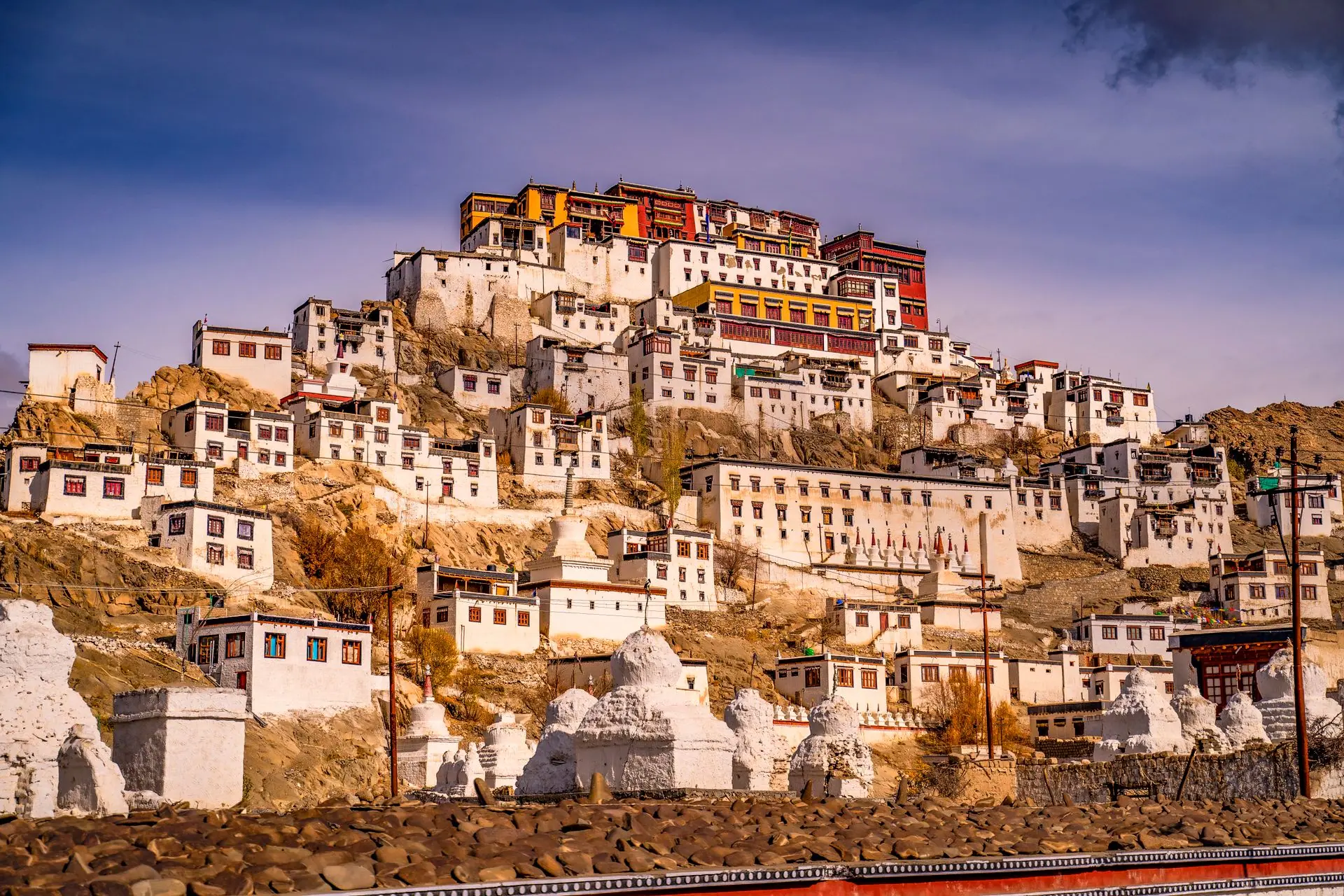
Ladakh is India's high-altitude desert, a Buddhist land of bare ochre mountains, whitewashed monasteries and impossibly blue lakes on the far side of the Himalaya. Since 2019 it has been a Union Territory in its own right, separate from Jammu and Kashmir. Leh, the old caravan capital at about 3,500 metres, is the base for every trip, and from there the classic route runs over the high passes to the Nubra Valley and out to Pangong Lake. It is one of the most spectacular places in India and a rising force in Himalayan tourism, and also one where planning is a health matter, not just a convenience, which is why this guide leads with altitude and permits above.
Where to go in Ladakh
Ladakh is really Leh plus a couple of valleys and lakes, strung along high mountain roads. The order below also happens to be the sensible acclimatisation sequence. Beyond these, the monasteries of Thiksey, Hemis and Lamayuru and the Indus-Zanskar confluence fill out a longer trip.
The capital and base, at about 3,500m; palace, market, monasteries. Best for acclimatising, monasteries and your first two days.
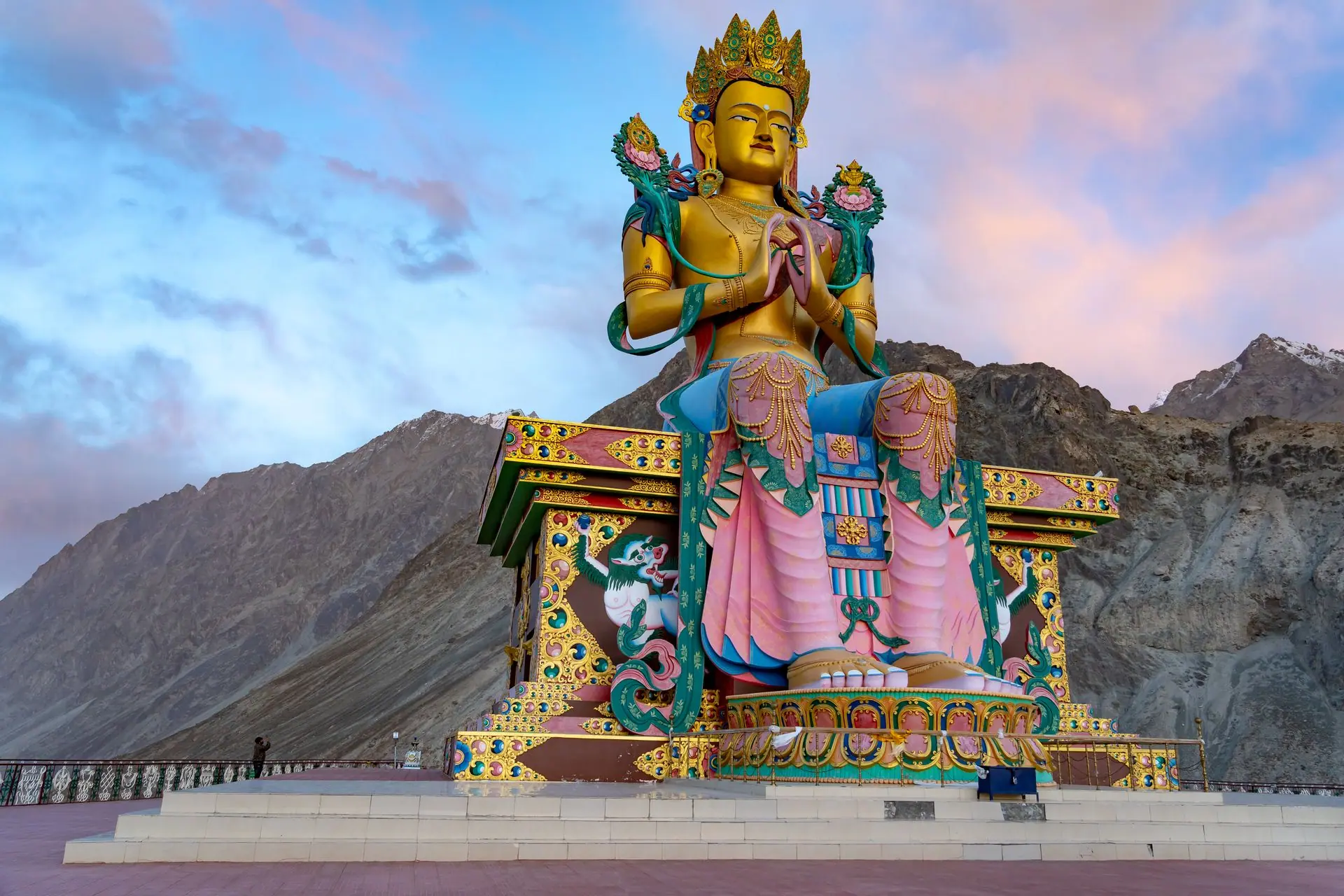
A cold desert over the Khardung La pass; dunes and camels. Best for Bactrian camels, Diskit monastery and Turtuk village.
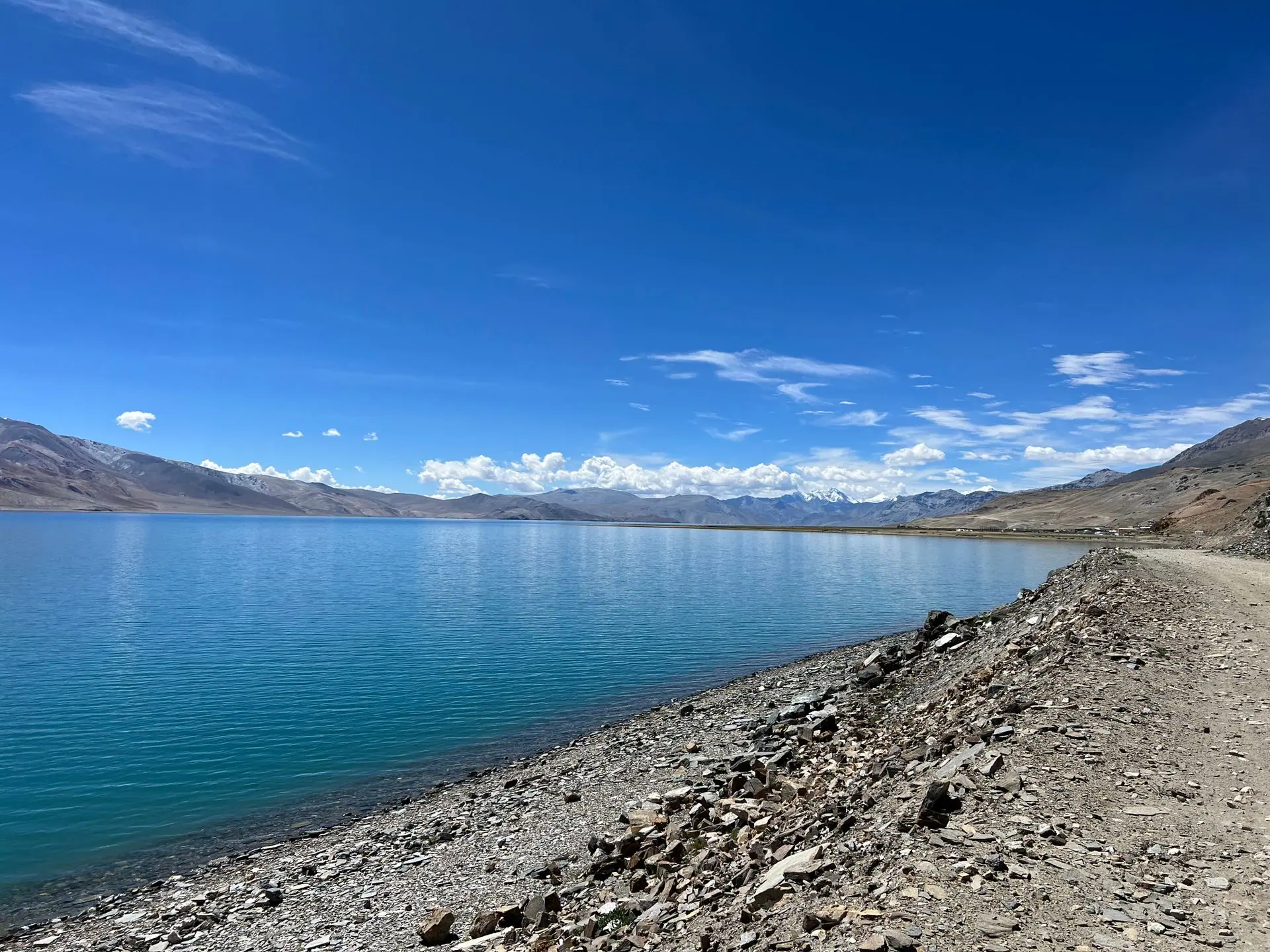
The famous blue-green lake on the Indo-China border. Best for the iconic Ladakh view and a night by the lake.
Remote high-altitude lakes and some of India's darkest skies. Best for going beyond the crowds and stargazing at Hanle.
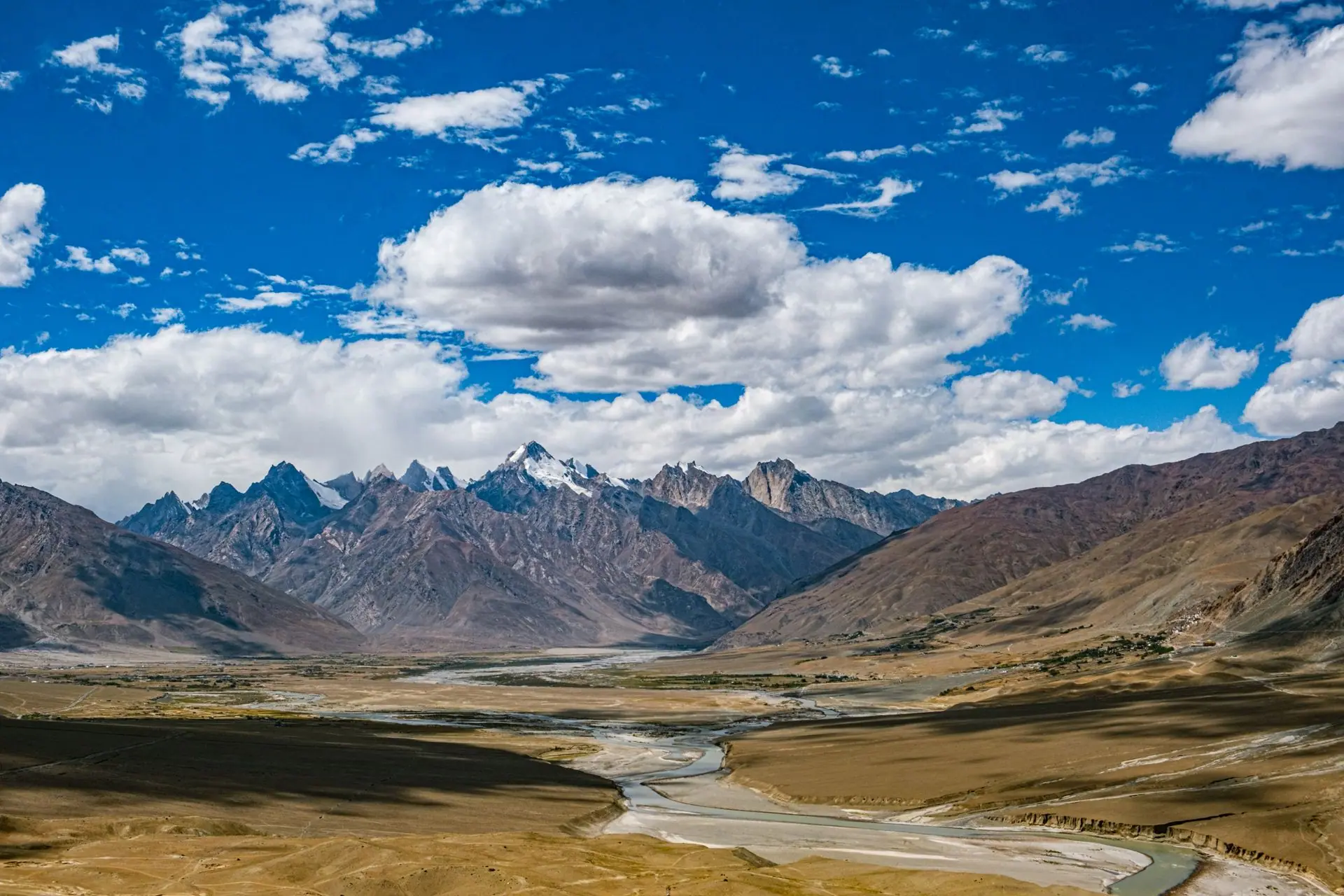
The valley beyond the Indus-Zanskar confluence, and the frozen river of the Chadar trek.
The altitude question: how not to get sick
Best time to visit Ladakh
May to September is the season, when the passes are open and the weather is at its most reliable, with June to September the sweet spot for Nubra, Pangong and the high roads. If you can time it, the Hemis festival in early summer fills the monastery of Hemis with masked cham dances. From November to March Ladakh is bitterly cold, often below minus twenty, and mostly cut off by snow, the preserve of hardy travellers and the frozen-river Chadar trek. One caution: mountain weather is unpredictable, and even in summer a spell of rain can close the Leh road or the airport, so keep a buffer day.
How many days do you need in Ladakh
Five to seven days is the right length for a first trip: two days acclimatising in and around Leh, then a night in the Nubra Valley and a night by Pangong Lake. Add two or three more for the remote lakes of Tso Moriri and Hanle, or to arrive overland by the Srinagar or Manali roads instead of flying. Do not try to compress it: at this altitude, a rushed itinerary is the surest way to spend the trip unwell.
Fly into Leh and rest
Day 1
- Rest completely — no sightseeing on arrival day
Gentle sightseeing around Leh
Day 2
- Shanti Stupa
- Leh Palace
- A monastery or two, at a similar altitude to Leh
Drive to the Nubra Valley
Day 3
- Over the Khardung La pass
- Sand dunes and Bactrian camels
Cross to Pangong Lake
Day 4
- A night on the shore of Pangong Tso
Return to Leh
Day 5
- A spare day built in for mountain weather
For reference only. The final plan is confirmed in your written quote.
Culture and tradition
Ladakh's Tibetan Buddhist heritage runs through whitewashed monasteries, colourful festivals of masked cham dancing, and a distinct high-altitude way of life.
- Tibetan Buddhist heritage
- Colourful festivals
- Warm hospitality
- A unique, high-altitude lifestyle
What does a Ladakh trip cost, what permits do you need, and where should you stay?
How do you get to Ladakh and around?
Most travellers fly into Leh (Kushok Bakula Rimpochee Airport) from Delhi, a short but spectacular flight over the Himalaya, and the gentlest option for altitude. The two overland routes are epic drives in their own right: the Srinagar to Kargil to Leh road, which pairs beautifully with Kashmir, and the higher, harder Manali to Leh road. Both are summer-only and both demand extra acclimatisation, since you are crossing very high passes. One practical note: mobile connectivity is limited in Ladakh. Only postpaid SIMs work in the region, and there is little or no signal in the remote areas around Nubra and Pangong, so expect to be largely off-grid once you leave Leh.
Famous food of Ladakh
Ladakhi food is Tibetan-influenced and made for the cold and the altitude: warming thukpa noodle soup, steamed momos, the hearty pasta-and-vegetable stew called skyu, barley tsampa, and salty butter tea. It is exactly the light, warm food your body wants while acclimatising.
- Thukpa — noodle soup with vegetables or meat
- Momos — steamed dumplings
- Butter tea — salty tea made with yak butter and salt
- Skyu — Ladakhi pasta in a vegetable and meat stew
- Churpi — hard dried cheese, chewed slowly on a long mountain drive
How we plan Ladakh trips
Why book with Experience My India
Government-approved operator
Approved by the Ministry of Tourism, Government of India
500+ vetted local guides
35+ destination specialists plan every trip by hand.
Human help, every day
Mon–Sun, 9:00 AM – 9:00 PM IST · +91 73022 65809
No payment until you approve
You receive a written quote first; nothing is charged to start planning.
Frequently asked questions
Is Ladakh safe, and what about altitude sickness?
Ladakh is safe for tourists, but the real risk is altitude, not security. Leh is at about 3,500m and most sights are higher, so acute mountain sickness is common if you ascend too fast. The official rule is a 48-hour rest in Leh before going higher; we build that in, ascend gradually, and keep to established routes away from the sensitive border zones.
What is the best time to visit Ladakh?
May to September, when the roads and high passes are open and the weather is at its most reliable, with June to September the sweet spot. From November to March the region is extremely cold and mostly cut off by snow, visited only by hardy travellers for experiences like the frozen-river Chadar trek.
How many days do you need in Ladakh?
Five to seven days is the usual length: two days acclimatising in and around Leh, then Nubra Valley and Pangong Lake. Add two or three days for the remote lakes of Tso Moriri and Hanle, or for arriving overland by the Srinagar or Manali roads rather than flying.
Do you need permits for Ladakh?
Yes, for the famous areas. Nubra, Pangong, Tso Moriri, Hanle and Dah-Hanu are restricted and need a permit: a Protected Area Permit for foreign visitors and an Inner Line Permit or fee for Indian travellers. A registered operator arranges these, and foreign visitors usually need to travel with an agency for the protected areas.
Should you fly into Leh or drive?
Flying into Leh is the gentlest arrival for altitude and the easiest on time, and the flight over the Himalaya is spectacular. The Srinagar to Leh and Manali to Leh drives are among the great Himalayan road journeys, but they are long and the Manali route in particular raises the altitude-sickness risk, so build in extra acclimatisation if you drive.
Can you combine Ladakh with Kashmir?
Yes. The Srinagar to Kargil to Leh drive is the classic overland route into Ladakh, open roughly June to early October, pairing the Kashmir valley with the high desert. It is one of India's great road journeys.
Tour packages in Ladakh
See all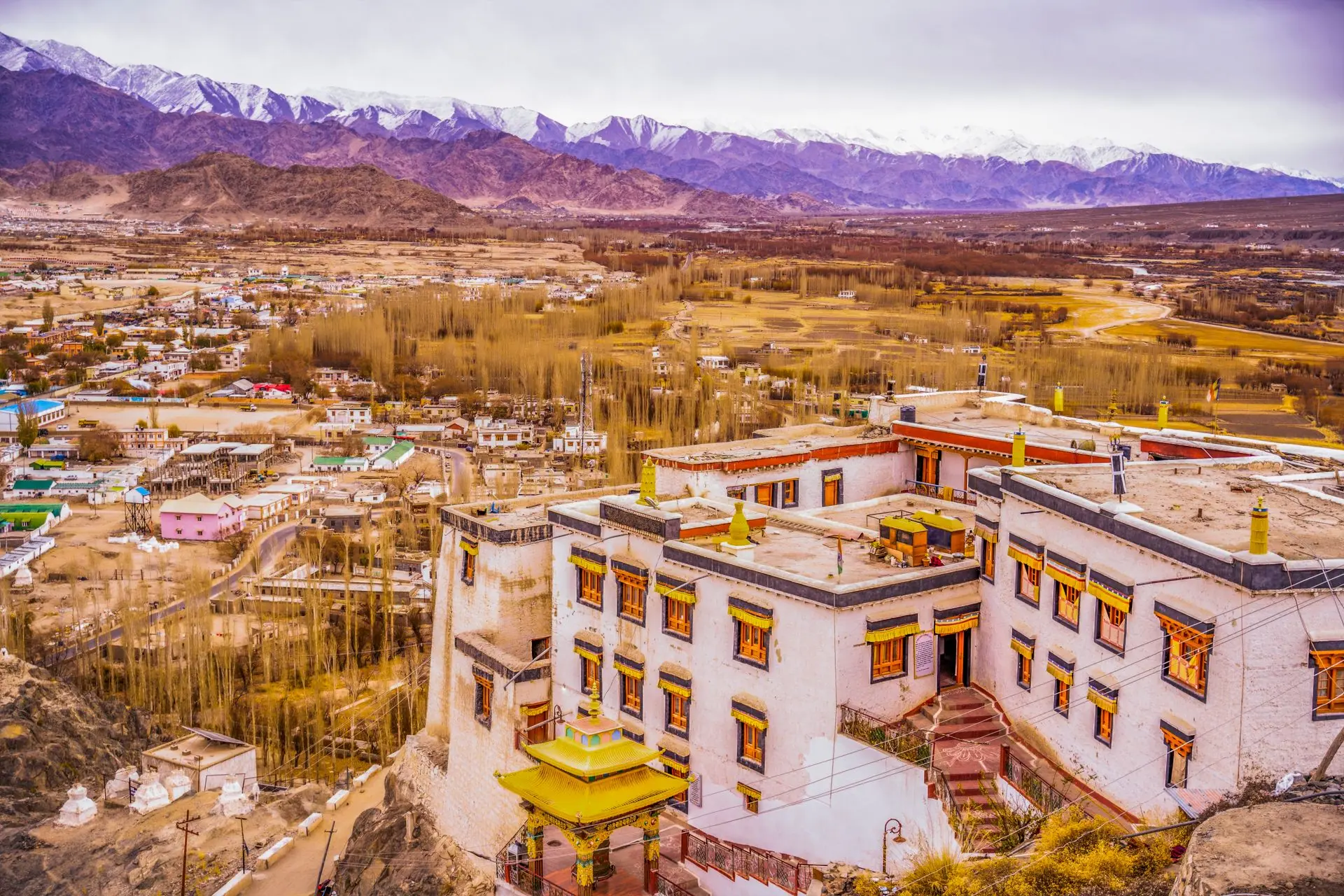
Leh
Leh and Khardung La road trip: 5 days in Ladakh
5 days • Private guide and vehicle throughout
Price on request
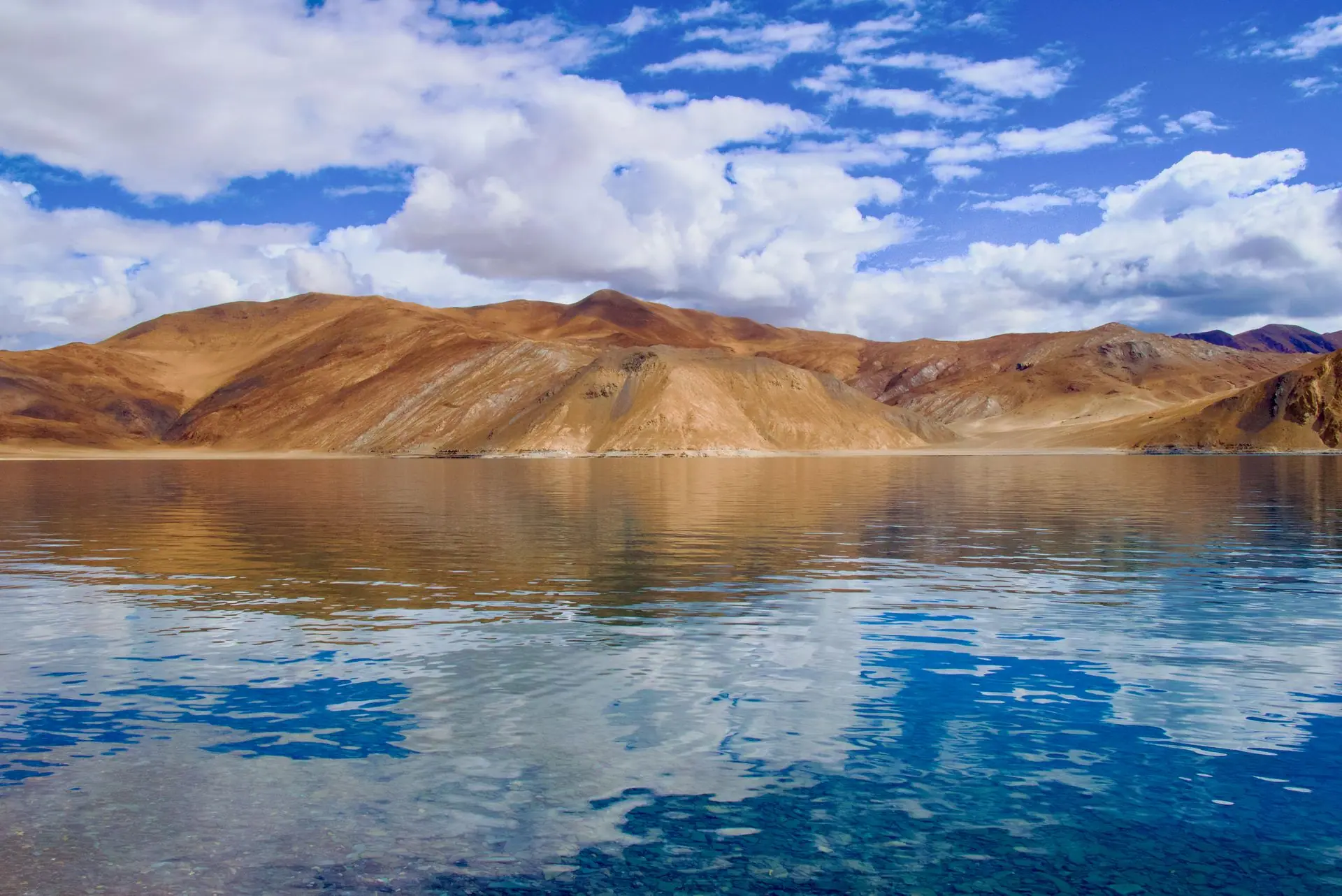
Nubra Valley & Pangong Tso
Leh, Nubra Valley and Pangong Lake circuit
Private guide and vehicle throughout
Price on request
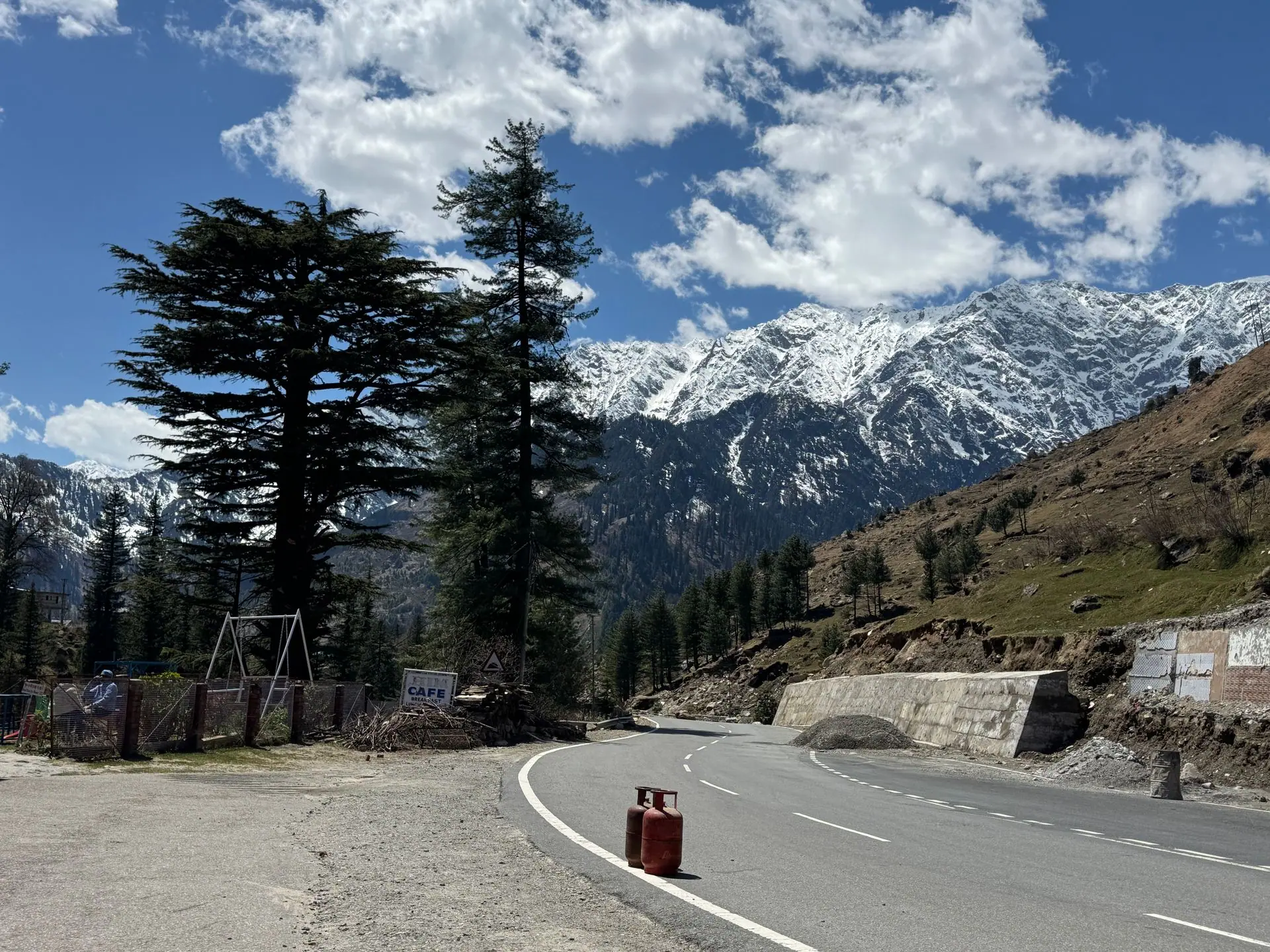
Manali–Leh Highway
Manali–Leh highway: the classic high-altitude drive
Private guide and vehicle throughout
Price on request
Ladakh Tour — 8 days
Ladakh Tour — 8 days, Leh, Nubra and Pangong
8 days / 7 nights • Private guide and vehicle
Price on request
Experiences in Ladakh
See all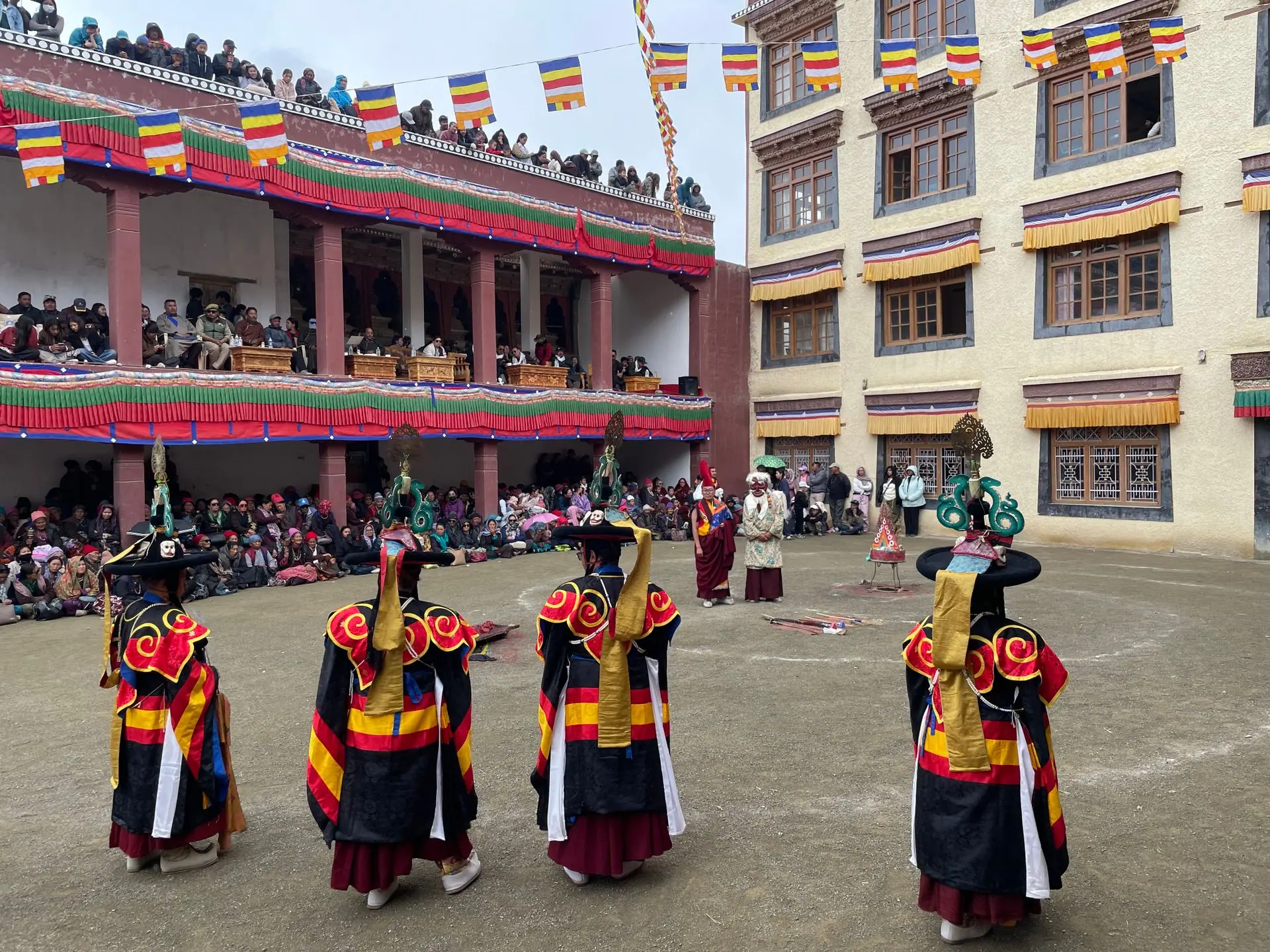
Hemis Monastery
Hemis Festival, Ladakh
Private guide and vehicle
Price on request
Related guides
Destinations
Best Time to Visit Ladakh: A Season-by-Season Guide
From the journal: Ladakh
Journal
Ladakh Trip Guide: Itinerary, Cost & Permits
Journal
Top 6 Tourist Places in Ladakh
Journal
Ultimate Ladakh Road Trip Experience
Customer reviews
Experience My India is rated 4.3 on Tripadvisor. We publish guest reviews after each trip.
Plan a trip
Tailor-made quote from a specialist