Skip to content

Goa Travel Guide: Beaches, Churches, Forts and Planning Your Trip

Goa, India's smallest state, is a 105 km coast of beaches with the forested Western Ghats behind it. The places to visit in Goa start with the north coast from Fort Aguada to Vagator, Old Goa's World Heritage churches, Panjim's old quarters and the quieter southern beaches around Palolem, with Dudhsagar Falls inland. October to March is the main season.

By Gurudutt Kaushal · Reviewed by Gurudutt Kaushal

See all 7 tours and experiences in Goa →

Government-approved operatorApproved by the Ministry of Tourism, Government of India

Places to visit in Goa
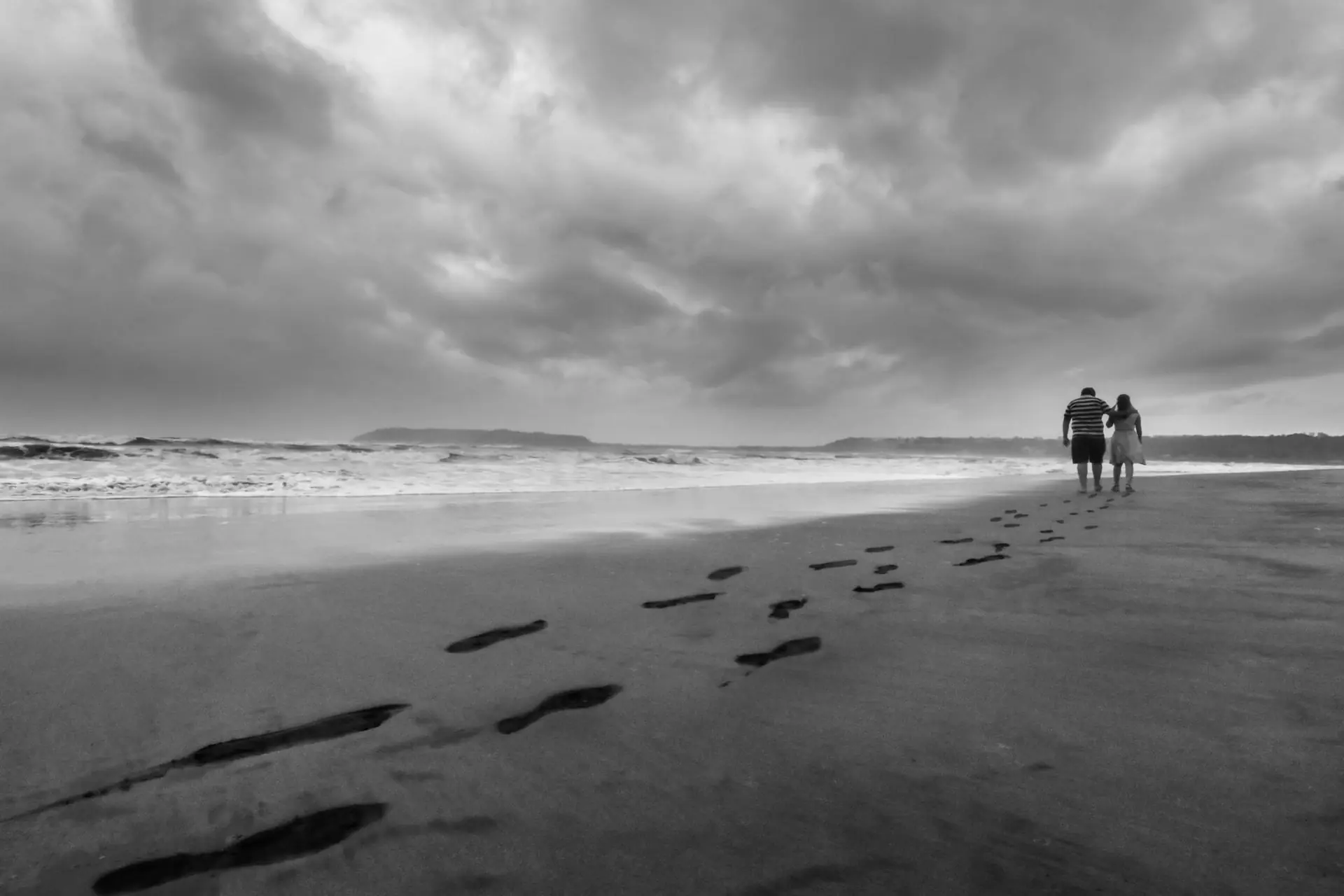
Goa falls into four parts: the busy beaches of the north, across the Mandovi from Panjim; the capital and Old Goa in the centre; the longer, quieter southern coast; and the forested hills along the eastern border. Every trip we run here, tours and experiences together, is on our Goa tours and experiences page.

Old Goa's churches

Old Goa was the capital of Portuguese Goa until the mid-18th century, and its churches and convents, built in the 16th and 17th centuries, were inscribed as a UNESCO World Heritage Site in 1986. The Basilica of Bom Jesus holds the mortal remains of St Francis Xavier, and the Sé Cathedral, begun in 1562 and dedicated to St Catherine, stands across the square. Most of these churches still hold services, so dress as the Department of Tourism asks at religious places. Our Old Goa travel guide takes the churches and museums one by one.

Panjim and Fontainhas

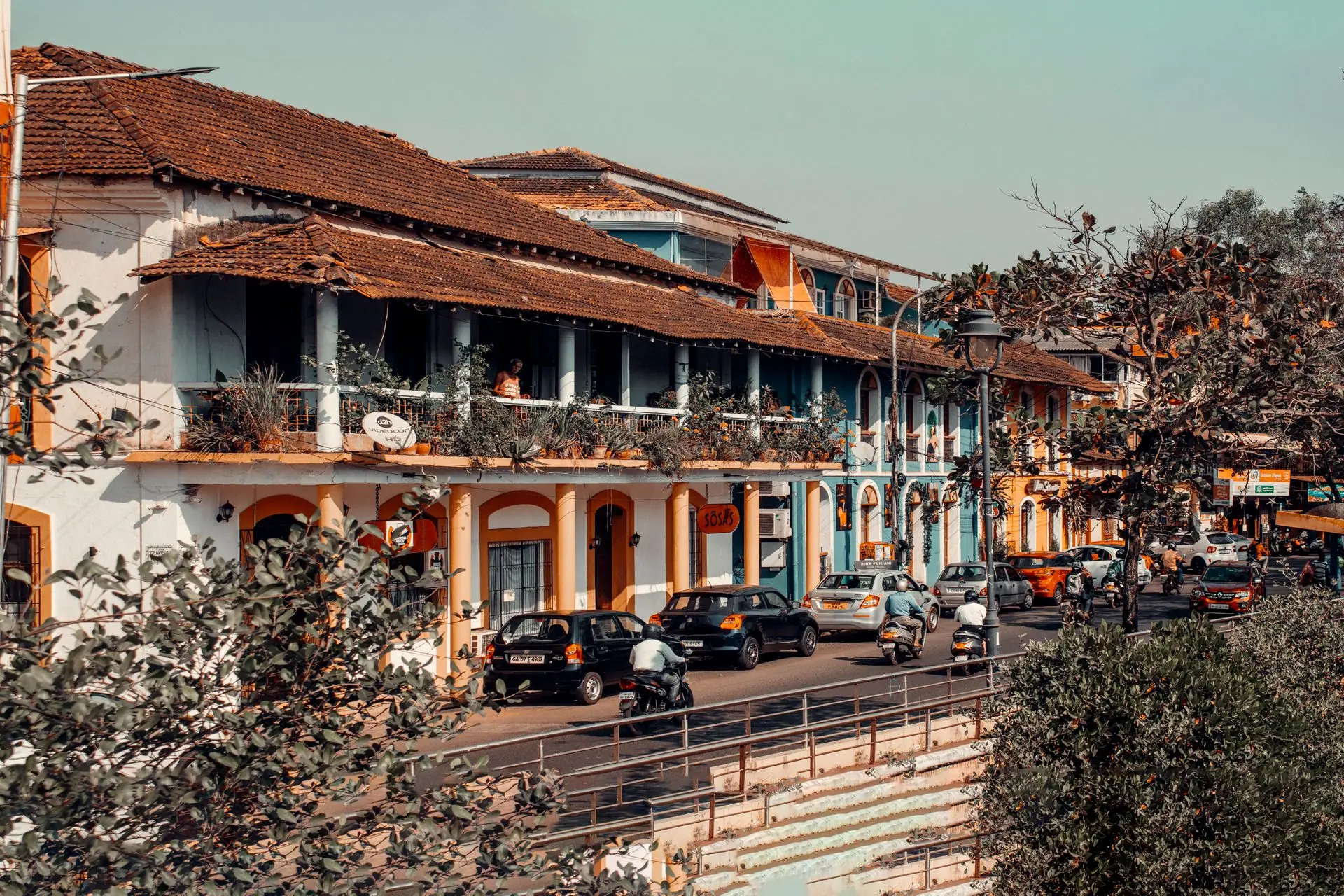
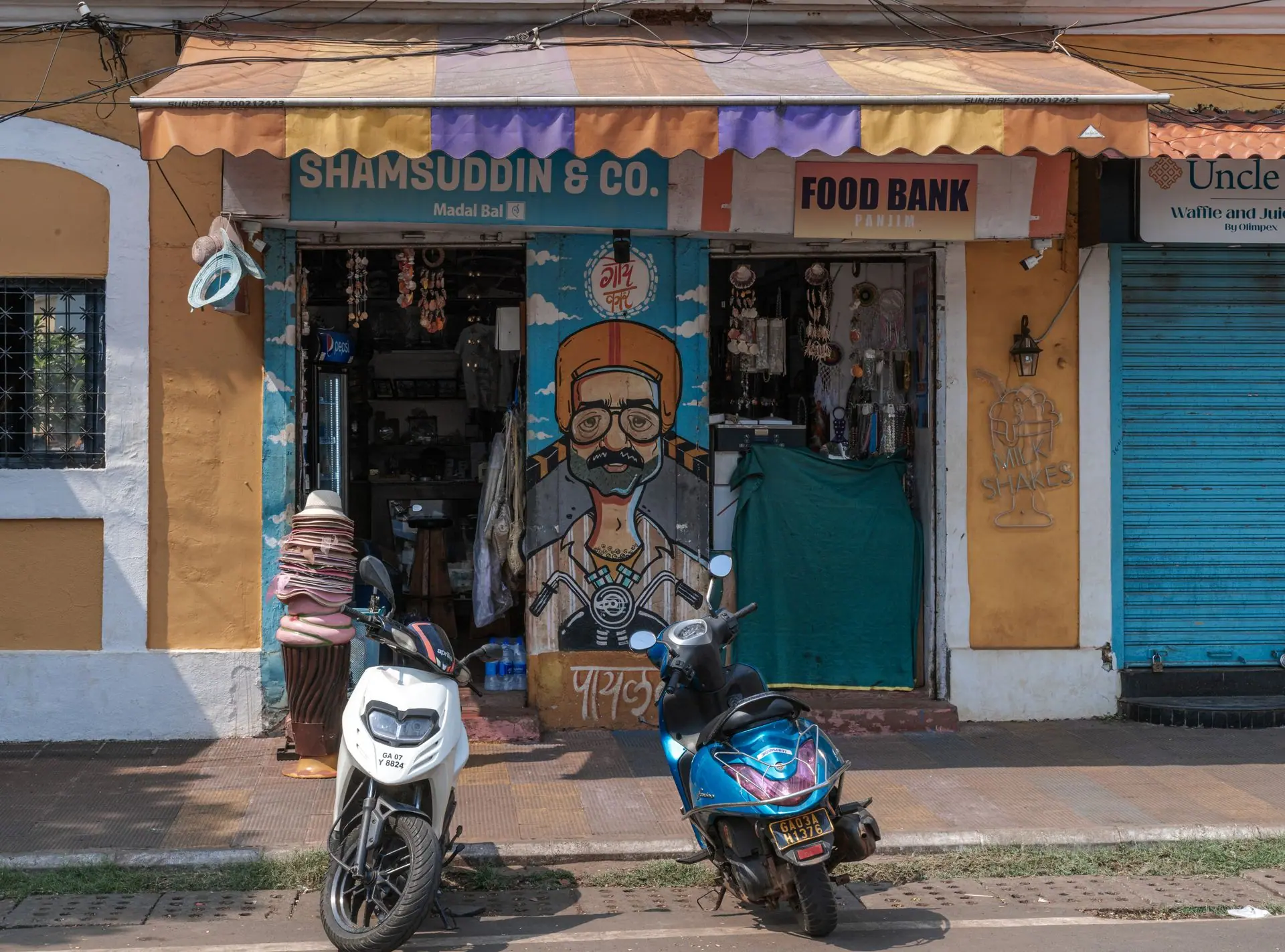
Panjim (Panaji), the capital, stands at the mouth of the Mandovi. Its old quarters of Fontainhas and São Tomé, built on reclaimed land in the 19th century, are lanes of painted, tile-roofed houses, and above the main square the white Church of Our Lady of the Immaculate Conception is reached by a double flight of stairs added in 1871. Miramar, the nearest beach, is about 3 km west of the centre. Our Panjim travel guide covers the city in detail.

Candolim, Calangute and Baga

From Sinquerim, below Fort Aguada, an unbroken stretch of firm sand runs north through Candolim and Calangute to Baga, with hotels and guesthouses almost all the way. Calangute is a seven-kilometre sweep about 15 km from Panjim; the government's beach guide warns swimmers of its sudden drop and rising waves. At Baga's northern end, boats run up the mangrove-lined creek, and others go out to look for dolphins about one to two kilometres offshore. Our North Goa travel guide goes beach by beach.

Fort Aguada

The Portuguese completed Fort Aguada in 1612 on the headland at the mouth of the Mandovi, to guard against the Dutch, and named it after the spring inside that gave passing ships fresh water. A lighthouse built in 1864 stands within the walls. The fort's old jail, used as a prison until 2015, now holds the Freedom Struggle Museum, with cells dedicated to the liberation fighters T B Cunha and Ram Manohar Lohia among others.

Anjuna, Vagator and Chapora Fort

Anjuna, about 18 km from Panjim, was made famous by the "flower power" generation of the 1960s, and its flea market still draws crowds every Wednesday. Next door, crescent-shaped Vagator lies below the hill crowned by Chapora Fort, a laterite fort above the Chapora river that the Marathas took in 1684 and again in 1739. GTDC suggests the climb in the evening, once the afternoon heat has gone, for the view over the river and the beaches.

Mapusa and the north Goa markets

Mapusa, the main town of Bardez, holds its big market on Fridays, about 10 km inland from Chapora. The rest of the week has its own markets, listed by GTDC: the Anjuna flea market on Wednesdays, the Arambol flea market on the beach at sunset on Saturdays, and night markets at Baga and Arpora on Saturdays.

Palolem, Patnem and Agonda

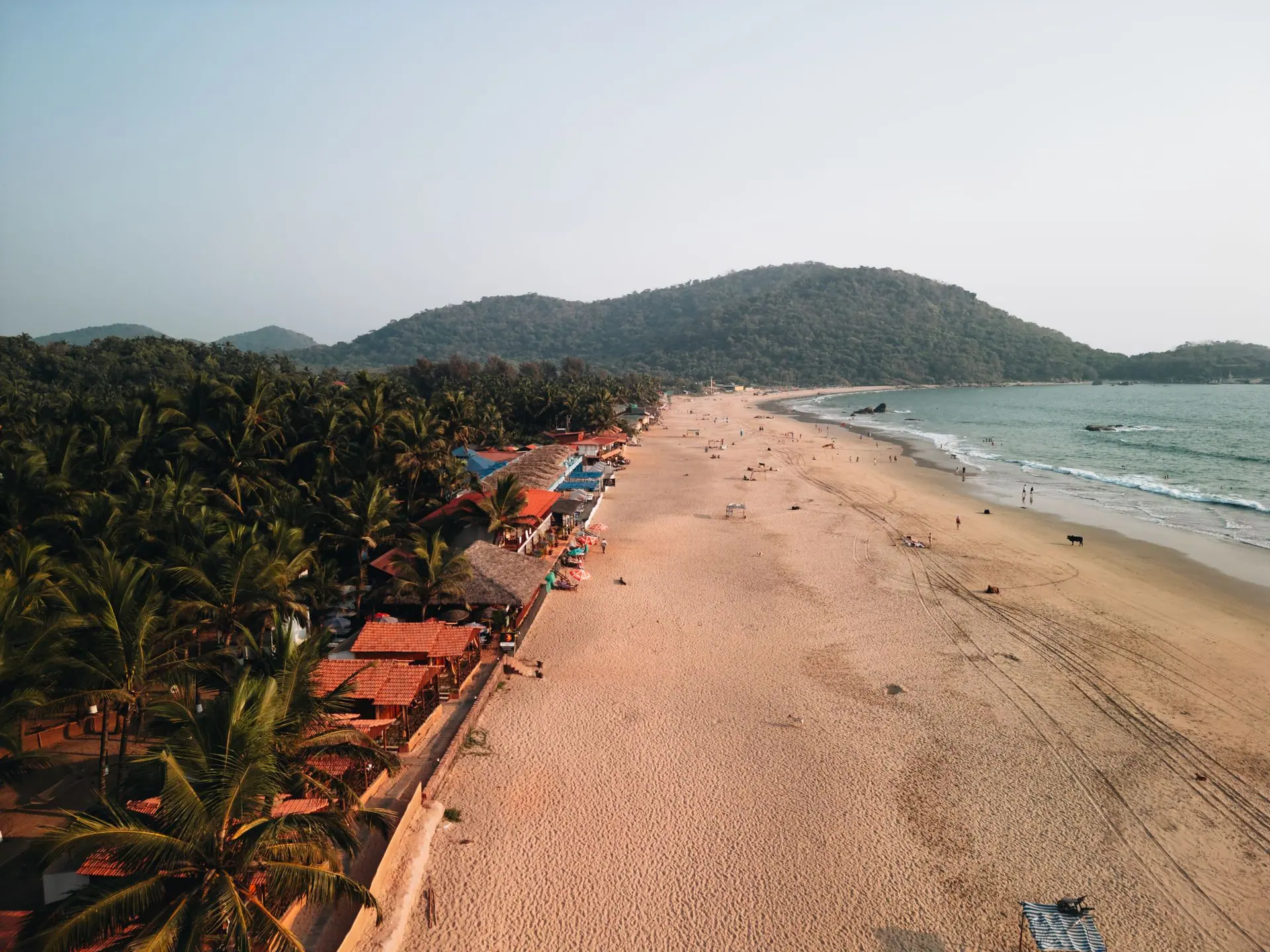
In the far south, Palolem's white sand faces a blue bay between two headlands. Incredible India counts it among Goa's safest places to swim, with kayaks and paddleboards to take out, and its fishermen offer boat trips to look for dolphins, best early in the morning. Patnem, a short way south past the rocky cove of Colomb, is quieter still, and Agonda is a long, lonely beach fringed with palms. Agonda is also one of Goa's three nesting beaches for the protected Olive Ridley turtle, with Galgibaga and Morjim.

Colva, Benaulim and the Salcete coast

Colva, 39 km from Panjim, is the main resort beach of the south, part of a long run of sand that reaches north past Betalbatim and Majorda to Velsao, and south past Benaulim to Varca, Cavelossim and Mobor at the mouth of the Sal. Benaulim, less than 2 km south of Colva, has the Goa Chitra museum, with some 4,000 objects from village life, from farm tools to carts and carriages. From the Cavelossim side, boats go up the River Sal to look for dolphins. Our South Goa travel guide covers the whole southern coast.

Cabo de Rama and Cotigao

About 16 km north of Agonda, the laterite fort of Cabo de Rama stands on a headland over the sea, with the church of St Anthony still in use inside its walls and a steep path down to the beach below. GTDC recommends it for the sunset and advises against going in the monsoon, when there is no shelter. Inland from Palolem, Cotigao Wildlife Sanctuary, on the border with Karnataka, has a deck 25 m up a tree above a waterhole where animals come to drink at dawn and dusk.

Chandor's mansions

About 15 km east of Margao, the village of Chandor keeps some of Goa's largest Indo-Portuguese mansions. The 17th-century Braganza House was divided from the start into two wings for two branches of one family; it has a small chapel with a relic of St Francis Xavier and a library of leather-bound books. Incredible India also lists early-morning hot-air balloon flights from Chandor, subject to the weather.

Ponda's temples and spice farms

Ponda, about 28 km from Panjim, is Goa's temple country. The Shri Mangueshi temple at Priol, dedicated to Shiva, was moved here from Cortalim in 1560, when Portuguese conversions began in Salcete, and the Shri Shantadurga temple at Kavalem was completed in 1738 under the Maratha ruler Shahu. Look for the deepstambha, the tiered lamp tower that stands before many Goan temples. Most of Goa's spice plantations are in Ponda taluka, and their tours often end with a meal on the farm.

Dudhsagar Falls and the Western Ghats

Dudhsagar, the "sea of milk", is a four-tiered waterfall with a total height of 1,017 ft (about 310 m), at its fullest in the monsoon. It lies within the Bhagwan Mahavir Wildlife Sanctuary, 240 sq km of forest on Goa's eastern border, about 54 km from Panjim. Treks to the falls are booked online through GTDC and the Goa Forest Development Corporation, with a daily cap, a nature guide for every group of ten assigned at the Collem office, photo identification required and alcohol and plastic banned. Deep inside the sanctuary, the 12th-century basalt temple to Shiva at Tambdi Surla is still in worship.

Things to do in Goa

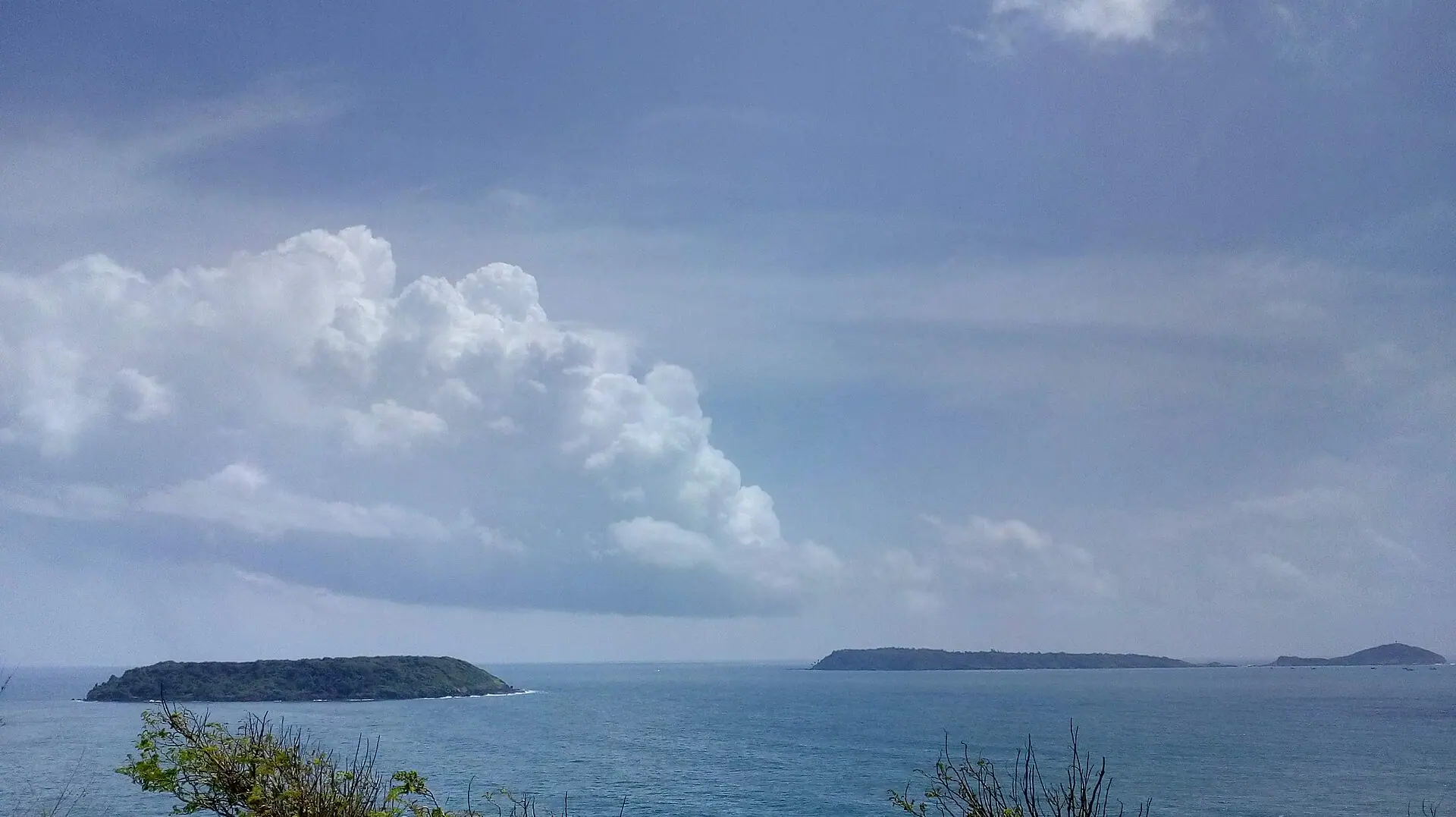
Goa's activities are mostly on the water. Our Goa water sports session at Baga or Calangute mixes two or three rides in an hour or two with operators we have vetted, Goa scuba diving goes out to the reefs and rocks around Grande Island, including an introductory dive with no certificate needed, and the Goa sunset cruise spends an hour to ninety minutes on the Mandovi past Panjim. Everything we offer, from these to our yoga retreat in the south, is on the Goa tours and experiences page.

Best time to visit Goa

October to March is the main season. Goa Tourism describes these months as very pleasant, with clear skies and a sea in its normal state, and the crowds peak from December through New Year. The India Meteorological Department's climate summary for Panaji gives December to February highs of about 32–33°C, lows of about 20–21°C and almost no rain. April and May are hotter and more humid, with May the hottest month, averaging 33.6°C by day and 26.4°C at night. The south-west monsoon normally reaches Panjim around 5 June and withdraws around 14 October, and June to September bring about 90 per cent of the year's 2,916 mm of rain, with July the wettest month at about 926 mm. Water sports stop in the monsoon and the Department of Tourism advises against swimming. Our guide to the best time to visit Goa goes through the year month by month.

How to reach Goa

  • By air: Goa has two airports. Manohar International Airport at Mopa, in the north, began operating on 5 January 2023 and is about 34 km from central Panjim by GTDC's reckoning. Dabolim (GOI), a civil enclave in the Indian Navy's INS Hansa airbase near Vasco da Gama, is about 26–30 km from Panjim. The better choice depends on where you stay. The Department of Tourism advises booking flights well ahead for October to January, when most run full.
  • By train: the Konkan Railway runs down the coast. Madgaon (Margao) is its terminus in Goa, and trains also stop at Thivim, for the north, and Karmali, for Panjim and Old Goa; Vasco da Gama is a terminus of its own. Goa Tourism gives about 8–9 hours from Mumbai on the fastest daily train and 10–12 hours on the others.
  • By road: state-run Kadamba buses and those of neighbouring states run from the Kadamba bus stand in Panjim to Mumbai, Pune, Belagavi, Hubballi, Bengaluru and Mangaluru. For Hampi, across the border, see our Karnataka travel guide.

How many days in Goa

Four or five days is the comfortable length for a first trip: two or three nights on one coast, a day inland for Old Goa, Panjim and a spice farm, and a move to the other coast. That is the shape of our Goa Beach Escape: two nights in North Goa around Baga and Anjuna, a guided half-day around Old Goa and Panjim with a spice-plantation stop on the way south, and two nights on the southern coast, with hotels, daily breakfast and a private car and driver. Add two more days for Dudhsagar, the Ponda temples and Chandor. Our Goa honeymoon is paced around the beach instead, with a private guide and vehicle for excursions and the hotel booked separately. Every package is on our Goa tour packages page.

Where to stay in Goa

  • North Goa: the hotels and guesthouses are densest from Candolim through Calangute to Baga, closest to the busiest beaches and the markets; Anjuna, Vagator, Morjim and Arambol are quieter.
  • Panjim: stay in or near Fontainhas for the old town on foot and the shortest drive to Old Goa.
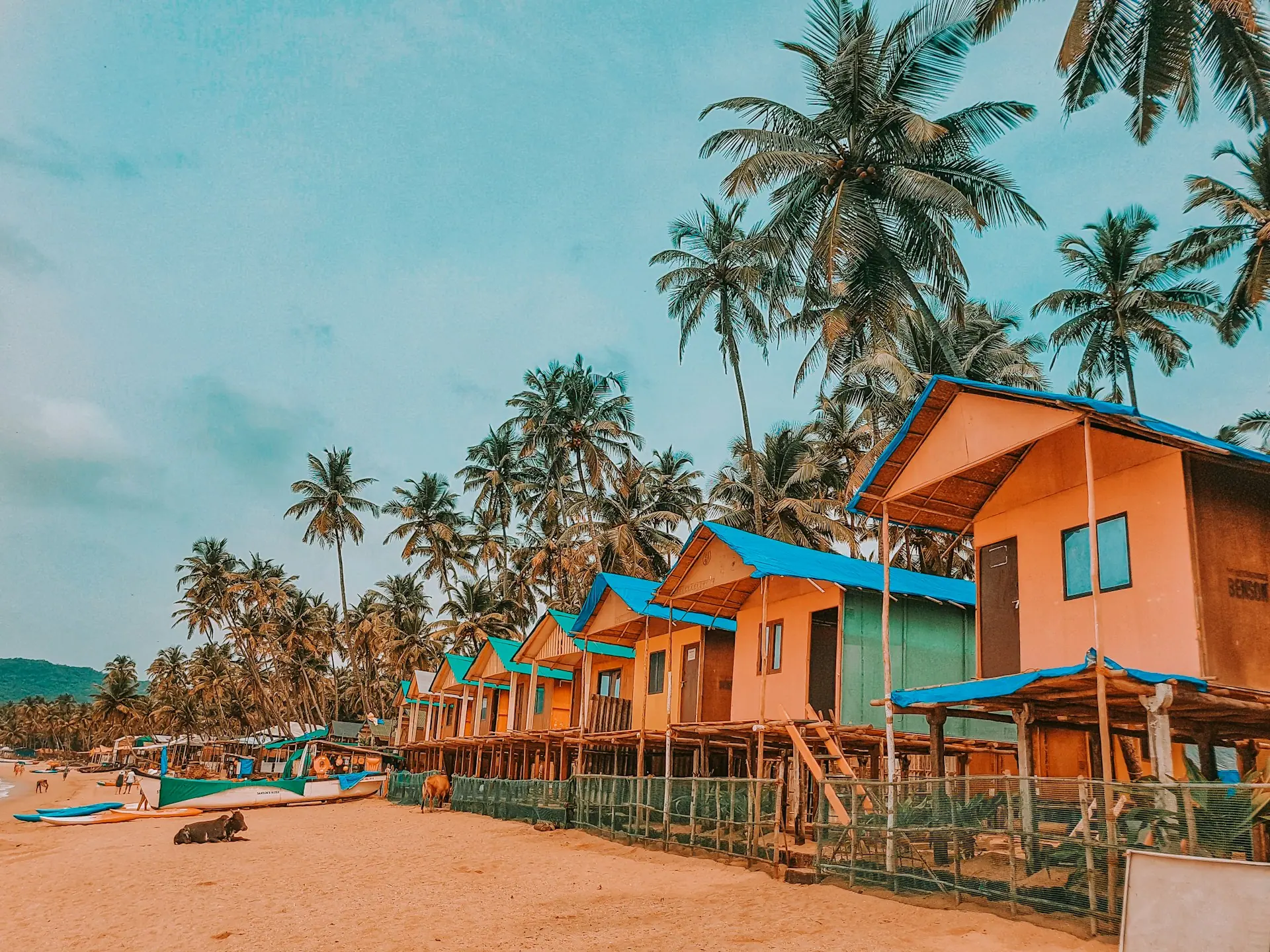
  • South Goa: resorts line the coast from Majorda to Cavelossim, while Palolem, Patnem and Agonda have simpler beach huts and guesthouses.

Since 31 December 2025, Goa has three districts: North Goa, South Goa and the new Kushavati, made up of the Canacona, Quepem, Sanguem and Dharbandora talukas. Palolem, Agonda and Cotigao are now administratively in Kushavati, though travellers still call the whole coast south of the Zuari "South Goa".

Getting around Goa and tips

  • Goa's "pilots" are motorcycle taxis with yellow mudguards and number plates; white tourist taxis and yellow-topped black taxis wait at stands. The Department of Tourism advises fixing the price for the whole journey before you get in. GTDC also points visitors to the Goa Miles app for cabs.
  • Swim only between the red-and-yellow flags where lifesavers are on duty, and never where a red flag flies. All beaches are closed from sunset to 7 am, alcohol and smoking are banned on the beach, and nudity on beaches is against the law.
  • Water sports may be sold only by operators registered with the Department of Tourism, only in daylight, and not at all in the monsoon or in unsafe weather. Wear the life jacket you are given.
  • Dress modestly for churches and temples, and keep an eye on your belongings on busy beaches.

Why book with Experience My India

  • Government-approved operator

    Approved by the Ministry of Tourism, Government of India

  • 500+ vetted local guides

    35+ destination specialists plan every trip by hand.

  • Human help, every day

    Mon–Sun, 9:00 AM – 9:00 PM IST · +91 73022 65809

  • No payment until you approve

    You receive a written quote first; nothing is charged to start planning.

Frequently asked questions

What is Goa famous for?

Its beaches first, from the busy stretch between Candolim and Baga to the quiet coves of the far south. Beyond them, Goa is known for the World Heritage churches of Old Goa, where St Francis Xavier is buried, the Indo-Portuguese houses of Panjim and Chandor, Hindu temples around Ponda, Dudhsagar Falls, the Carnival before Lent and food that mixes Indian, Portuguese and Konkani cooking.

Should you stay in North or South Goa?

Stay in the north for the busiest beaches, the markets and the evening crowds between Candolim and Baga; stay in the south for long, quiet sands, resorts from Majorda to Cavelossim and the coves around Palolem. Many first trips do both: our Goa Beach Escape gives two nights to each coast, with a guided day around Old Goa and Panjim in between.

How many days do you need in Goa?

Four or five days covers one coast in depth, a day for Old Goa and Panjim and a move to the other coast. Three days is enough for one beach area and Old Goa. With a week you can add the forests in the east, Dudhsagar and the Tambdi Surla temple, and a day for the Ponda temples and Chandor's mansions.

Is Goa safe for tourists?

Goa is a well-established holiday state, and most trouble comes from the sea and the roads rather than crime. Swim only between the red-and-yellow flags where lifesavers keep watch, stay out of the water from sunset to 7 am and through the monsoon, book water sports with registered operators, agree taxi fares before you set off and do not leave belongings unattended on the sand.

How do you visit Dudhsagar Falls?

Treks to Dudhsagar are booked online through GTDC and the Goa Forest Development Corporation, which set a daily limit and assign a trained nature guide to each group of ten at the Collem office. Carry photo identification; alcohol and plastic are not allowed. The falls are at their fullest in the monsoon, so check whether treks are running when you book.

What food is Goa famous for?

Goan cooking mixes Indian, Portuguese and Konkani influences. Fish curry and rice is the everyday meal; prawn balchão and xacuti are the dishes to look for, with bebinca, the layered dessert, to finish. Feni, the local spirit, is served in the taverns of Panjim's Fontainhas quarter, and Mapusa's Friday market is the place to see the produce.

Why is Goa so different from the rest of India?

Goa was under Portuguese rule for nearly 450 years, from the conquest of 1510 until its liberation on 19 December 1961. That long history left Catholic churches beside Hindu temples, Indo-Portuguese mansions, Portuguese place names and a cuisine of its own. Goa joined India as part of a union territory with Daman and Diu, and became a separate state in 1987.

Is Goa a state or a union territory?

Goa is a state. After its liberation in 1961 it was governed with Daman and Diu as a union territory, and on 30 May 1987 Goa became India's twenty-fifth state, while Daman and Diu remained a union territory. Panjim is the capital, and since 31 December 2025 the state has had three districts: North Goa, South Goa and Kushavati.

Tour packages in Goa

See all
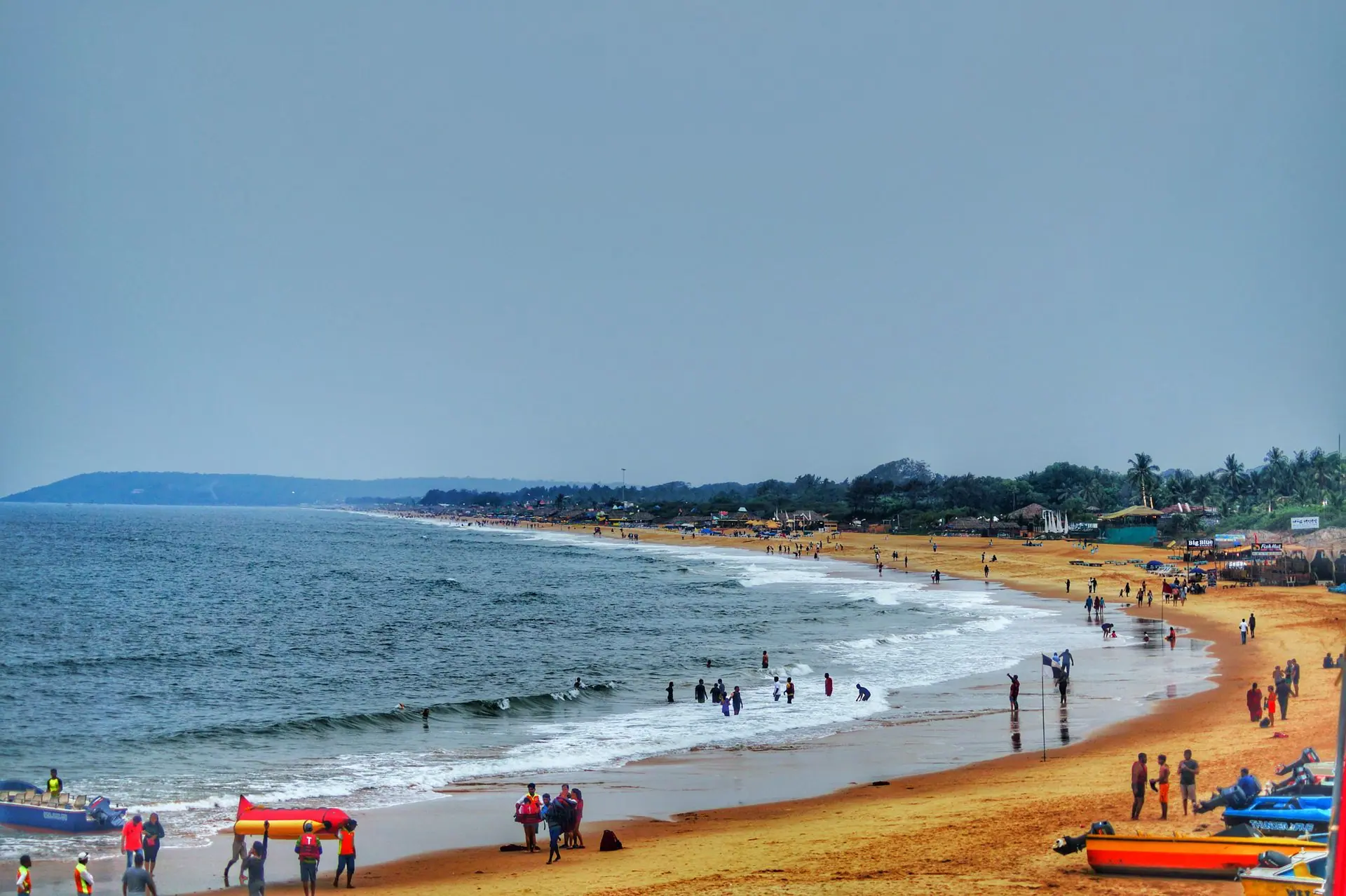
Goa north beaches tour

North Goa Beaches

Goa north beaches tour

Private guide and vehicle throughout

Price on request
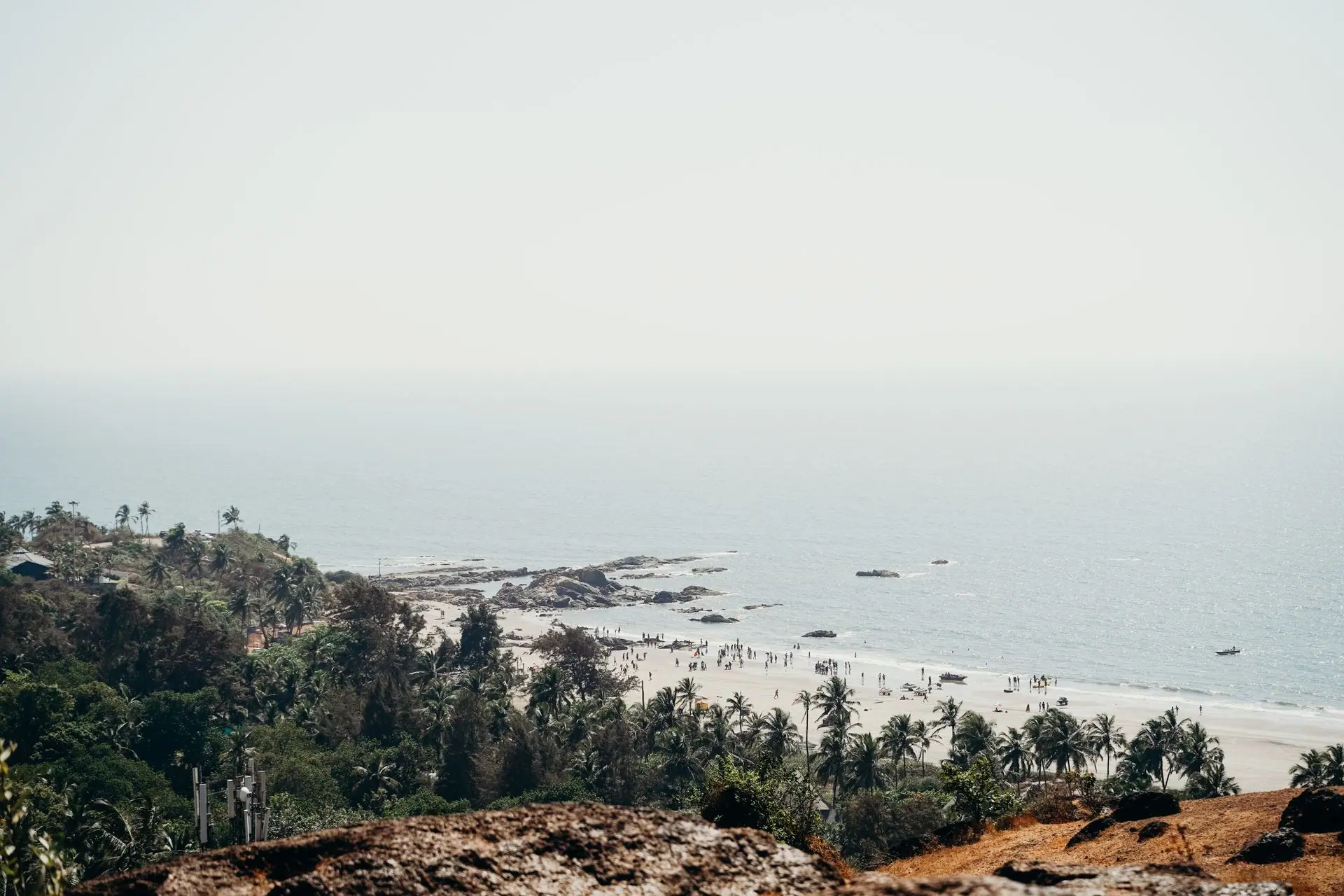
Goa honeymoon
Goa honeymoon

Goa

Goa honeymoon

Private guide and vehicle where needed

Price on request
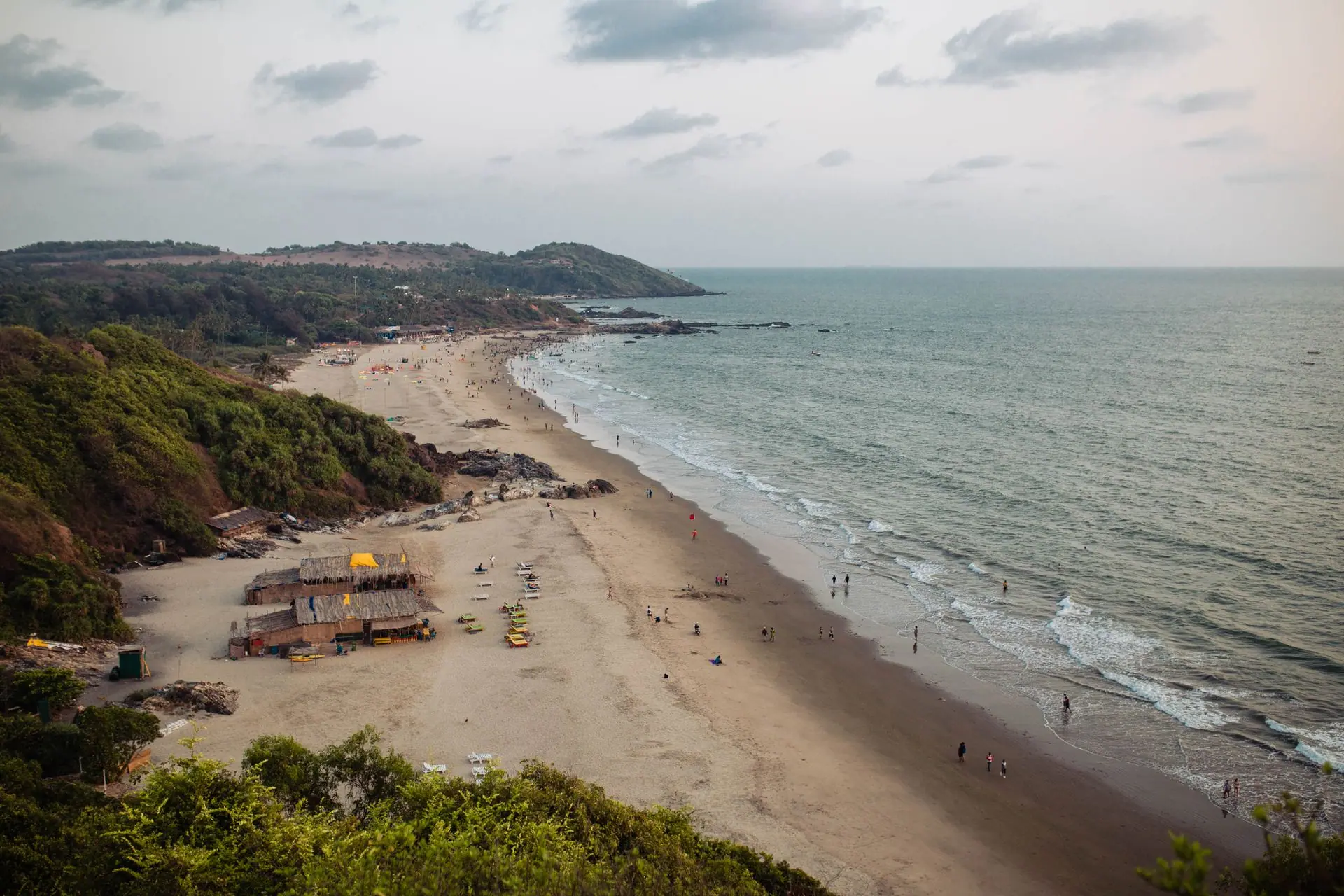
Goa Beach Escape — 5 days

Goa Beach Escape — 5 days

Goa Beach Escape — 5 days

5 days / 4 nights • Private guide and vehicle

Price on request

Experiences in Goa

See all
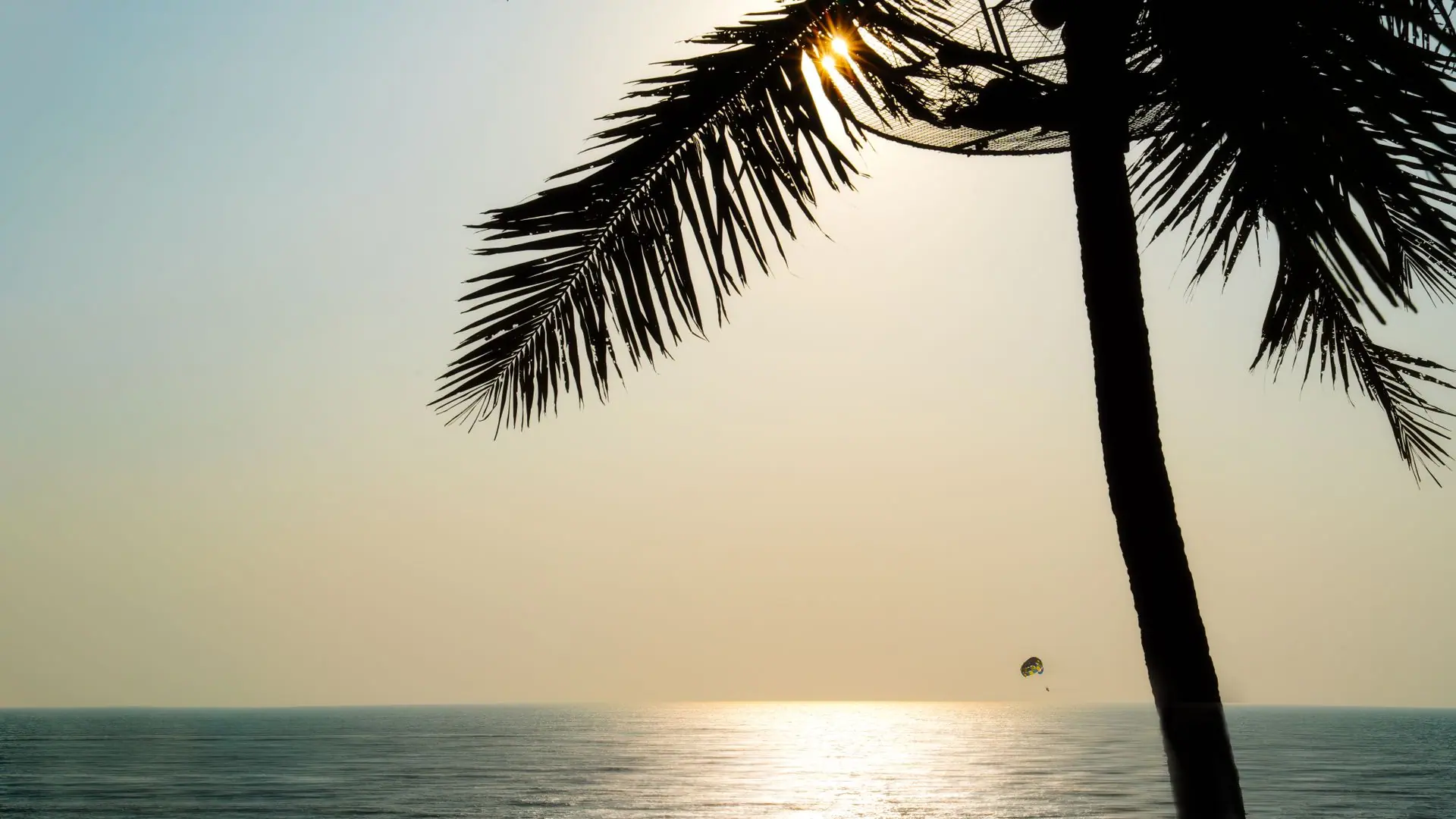
Goa water sports
Goa water sports

Goa Water Sports

Goa water sports

Private guide and vehicle to the beach

Price on request

Goa sunset cruise
Goa sunset cruise

Mandovi River

Goa sunset cruise

Private guide and vehicle to and from the jetty

Price on request
Goa scuba diving
Goa scuba divingPhoto: Goan VR · CC BY-SA 4.0 · Wikimedia Commons

Goa

Goa scuba diving

Price on request

Goa yoga retreat
Goa yoga retreat

South Goa

Goa yoga retreat

Private guide and vehicle where the retreat needs one

Price on request

Related guides
From the journal: Goa

Customer reviews

Experience My India is rated 4.3 on Tripadvisor. We publish guest reviews after each trip.

Read our reviews

Plan a trip

Tailor-made quote from a specialist