
Sikar (Khatu Shyam Ji) Travel Guide: Temples, Forts and Painted Towns
Sikar is a district of Rajasthan's Shekhawati region, and its great pilgrimage is the Khatu Shyam Ji temple at Khatu, 55 km from Sikar town and 80 km from Jaipur by road. Other places to visit in Sikar include the hilltop ruins of Harshnath, the forest temple of Jeen Mata, Laxmangarh Fort and the painted havelis of Shekhawati towns such as Fatehpur.
By Experience My India Editorial Team · Reviewed by Experience My India Editorial Team
See all 2 tours and experiences in Sikar →
Government-approved operatorApproved by the Ministry of Tourism, Government of India
Places to visit in Sikar
Things to do in Sikar
Best time to visit Sikar
How to reach Sikar and Khatu Shyam Ji
The nearest airport is Jaipur International Airport at Sanganer, which Rajasthan Tourism puts about 80 km from the temple and the Devasthan Department 90 km. The railway station for Khatu is Ringas Junction, and Rajasthan Tourism notes regular trains from Delhi and Jaipur into the Shekhawati region and direct buses from Delhi and other Rajasthan cities. By road, Khatu is 80 km from Jaipur and 55 km from Sikar town; the questions below give the details for trains and buses. Our tours use a private car from Jaipur or Delhi, and Khatu is most often visited as a day trip from Jaipur; see our Jaipur travel guide for the city itself.
How many days in Sikar
A single day is enough for darshan at Khatu from Jaipur, and our Khatu Shyam Ji temple tour is built as that day, or as a stop on the road between Jaipur and Delhi. Two days let you pair Khatu with Salasar Balaji, as our 2 Days Khatu Shyamji Tour Package does, with an evening and a morning darshan at Khatu, or add Harshnath, Jeen Mata and Laxmangarh. Give Shekhawati's painted towns a third day, or fold Sikar into a longer route through our Rajasthan travel guide.
Temple etiquette and tips
Khatu is a working pilgrimage temple. Dress modestly, with shoulders and knees covered, take your shoes off before entering the premises, and follow the photography rules posted at the sanctum. Start early: the temple town is compact and gets crowded and hot in the middle of the day, and the crowds are far heavier at fair time. Carry little, keep valuables close, and agree the fare before you take a cab or auto from Ringas or the bus stop.
Why book with Experience My India
Government-approved operator
Approved by the Ministry of Tourism, Government of India
500+ vetted local guides
35+ destination specialists plan every trip by hand.
Human help, every day
Mon–Sun, 9:00 AM – 9:00 PM IST · +91 73022 65809
No payment until you approve
You receive a written quote first; nothing is charged to start planning.
Frequently asked questions
What is Sikar famous for?
Above all for the Khatu Shyam Ji temple, one of Rajasthan's most revered pilgrimages, and for its place in Shekhawati, the painted-haveli country Sikar shares with Jhunjhunu and Churu. The town began as a village called Veer Bhan Ka Bas, which Rao Daulat Singh renamed Sikar, building a fort there in 1687; the estate grew into the largest thikana of Jaipur State.
Who is Khatu Shyam Ji?
Khatu Shyam Ji is Barbarika, son of Ghatotkacha and grandson of Bhima in the Mahabharata, worshipped as a form of Krishna. According to Rajasthan Tourism, Shiva gave him three arrows and Agni a bow, and his prowess was such that Krishna asked for his head before the war. Barbarika gave it, asking only to watch the battle, and Krishna placed the head on a hilltop and blessed him to be worshipped in the Kali Yuga under Krishna's own name, Shyam.
Can I reach Khatu Shyam Ji by train?
Yes, as far as Ringas Junction, station code RGS, 16 to 17 km from the temple. Rajasthan Tourism says trains from Delhi and Jaipur run towards Ringas, and that cabs and jeeps, private or shared, wait outside the station to take pilgrims on to Khatu. Timetables change, so check current services with Indian Railways before you travel.
Is there a bus to Khatu Shyam Ji from Jaipur?
Yes. Rajasthan Tourism says several private and state buses run between Jaipur and Khatu, though their seats cannot be reserved, and an auto-rickshaw takes you from the Khatu bus stop to the temple. With family, luggage or a tight timetable, a private car is simpler; our Khatu Shyam Ji temple tour uses one, with a guide, from Jaipur or Delhi.
What is the weather like at Khatu Shyam Ji?
IMD keeps no long-term normals for Khatu itself, but its stations at Jaipur and Churu, on either side, average daytime highs of about 40 to 42°C in June and 22 to 26°C in December and January. July and August bring about 394 mm of Jaipur's 600 mm yearly rain and 241 mm of Churu's 426 mm. Churu averages about seven days of fog each January, so allow extra time for early winter drives.
What is the history of the Khatu Shyam Ji temple?
The Devasthan Department dates the first temple to 1027, built by Roop Singh Chauhan and his wife Narmada Kanwar after a dream revealed where the idol lay buried, at the spot now called Shyam Kund. In 1720 Diwan Abhai Singh renovated it at the behest of the ruler of Jodhpur, giving it its present form, and the founders' descendants still serve the deity. A committee manages the temple as a registered public trust.
Tour packages in Sikar
See all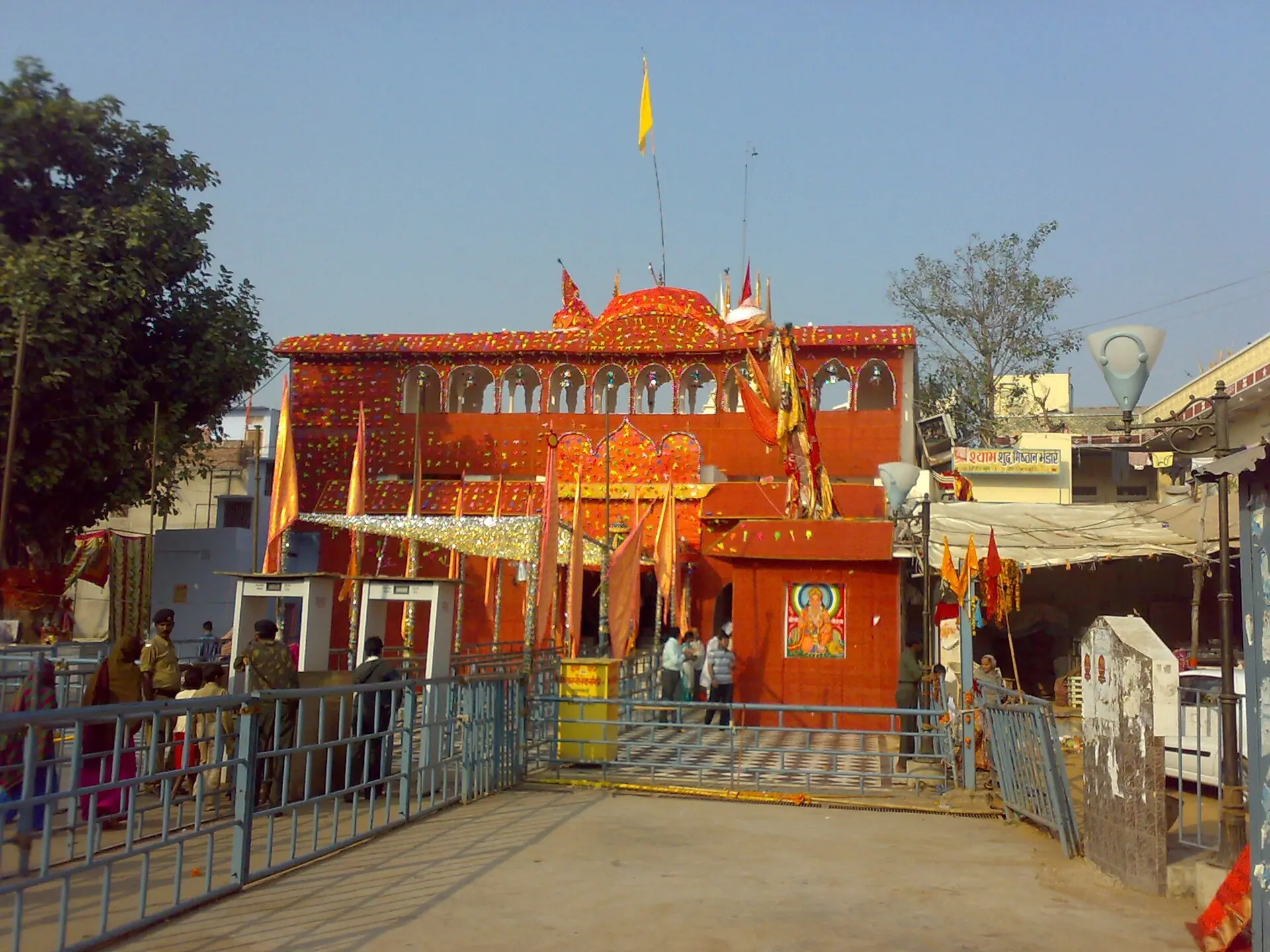 Photo: Indrapal Jangid · CC BY-SA 3.0 · Wikimedia Commons
Khatu Shyam Ji Temple
Khatu Shyam Ji temple tour
Private guide and vehicle from Jaipur or Delhi
Price on request
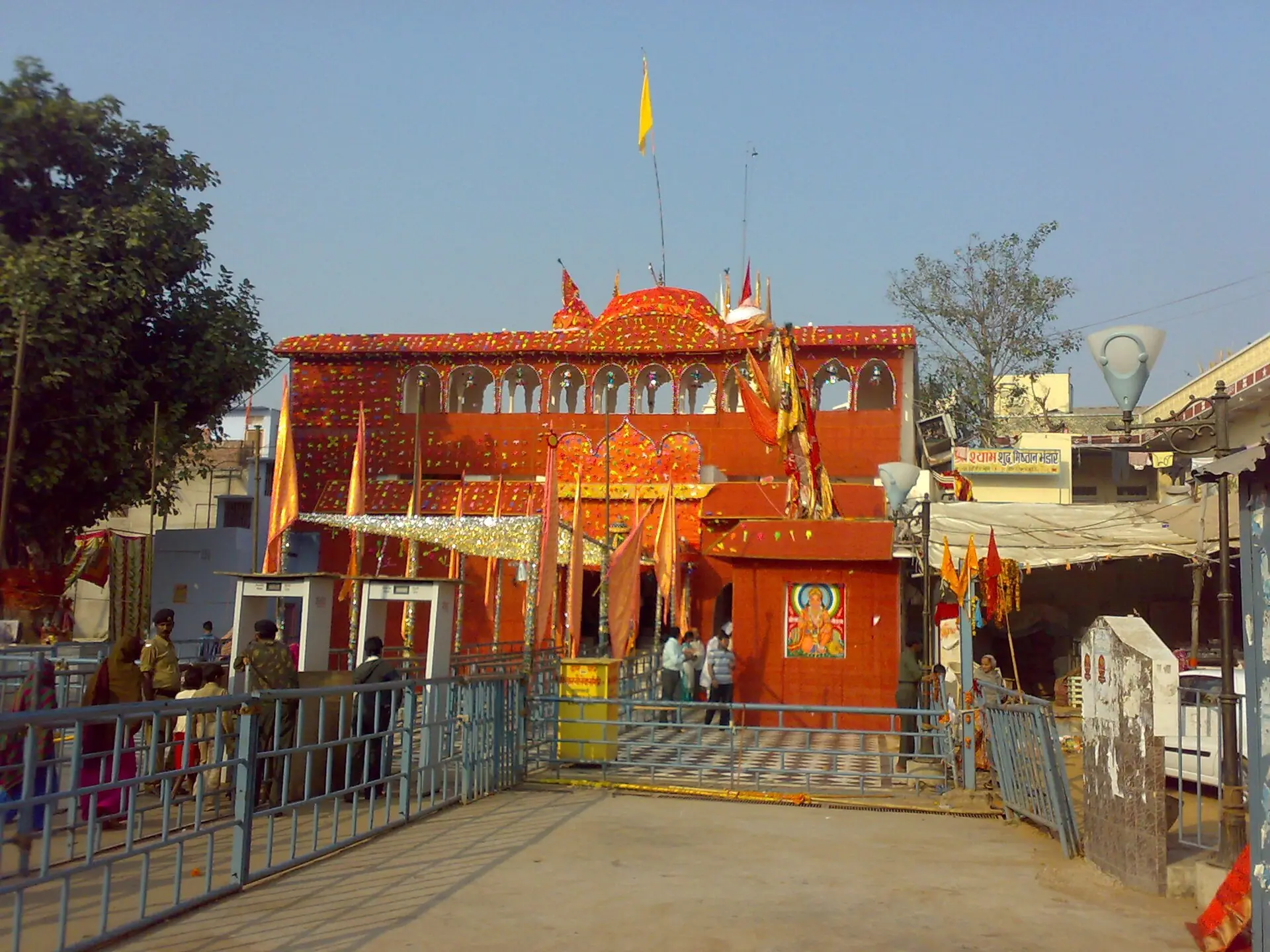 Photo: Indrapal Jangid · CC BY-SA 3.0 · Wikimedia Commons
2 Days Khatu Shyamji Tour Package
2 Days Khatu Shyamji Tour Package
2 days / 1 nights • Private guide and vehicle
Price on request
More places in Rajasthan
See all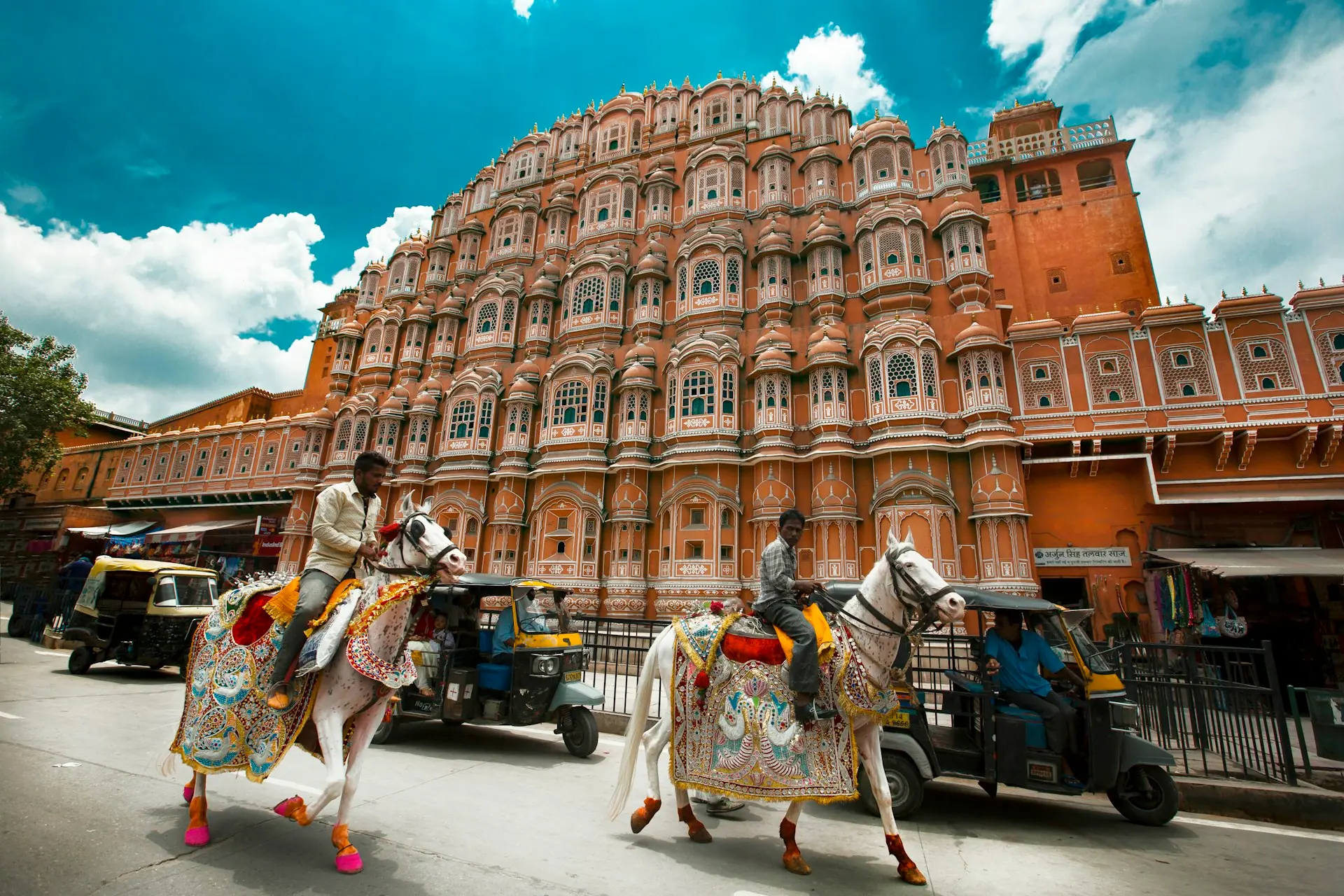


Customer reviews
Experience My India is rated 4.3 on Tripadvisor. We publish guest reviews after each trip.
Plan a trip
Tailor-made quote from a specialist