Skip to content

Ayodhya Travel Guide: Ram Mandir, Hanuman Garhi and the Saryu Ghats

Ayodhya, on the Saryu river in Uttar Pradesh, is one of Hinduism's seven holy cities and the traditional birthplace of Ram. The main places to visit in Ayodhya are the Ram Mandir, Hanuman Garhi, Kanak Bhawan and the Ram ki Paidi ghats, which fit into one day. The temple trust charges nothing for darshan or aarti passes. Come between October and March.

By Experience My India Editorial Team · Reviewed by Experience My India Editorial Team · Updated 1 Sept 2026

See all 1 tour or experience in Ayodhya →

Government-approved operatorApproved by the Ministry of Tourism, Government of India

Places to visit in Ayodhya

UP Tourism counts Ayodhya among the seven holiest towns of ancient India, the Saptpuris. Its sights fall into three groups: the Ram Mandir and the temples around it, the ghats on the Saryu, and older sites a few kilometres out of town.

Ram Mandir (Shri Ram Janmabhoomi Mandir)

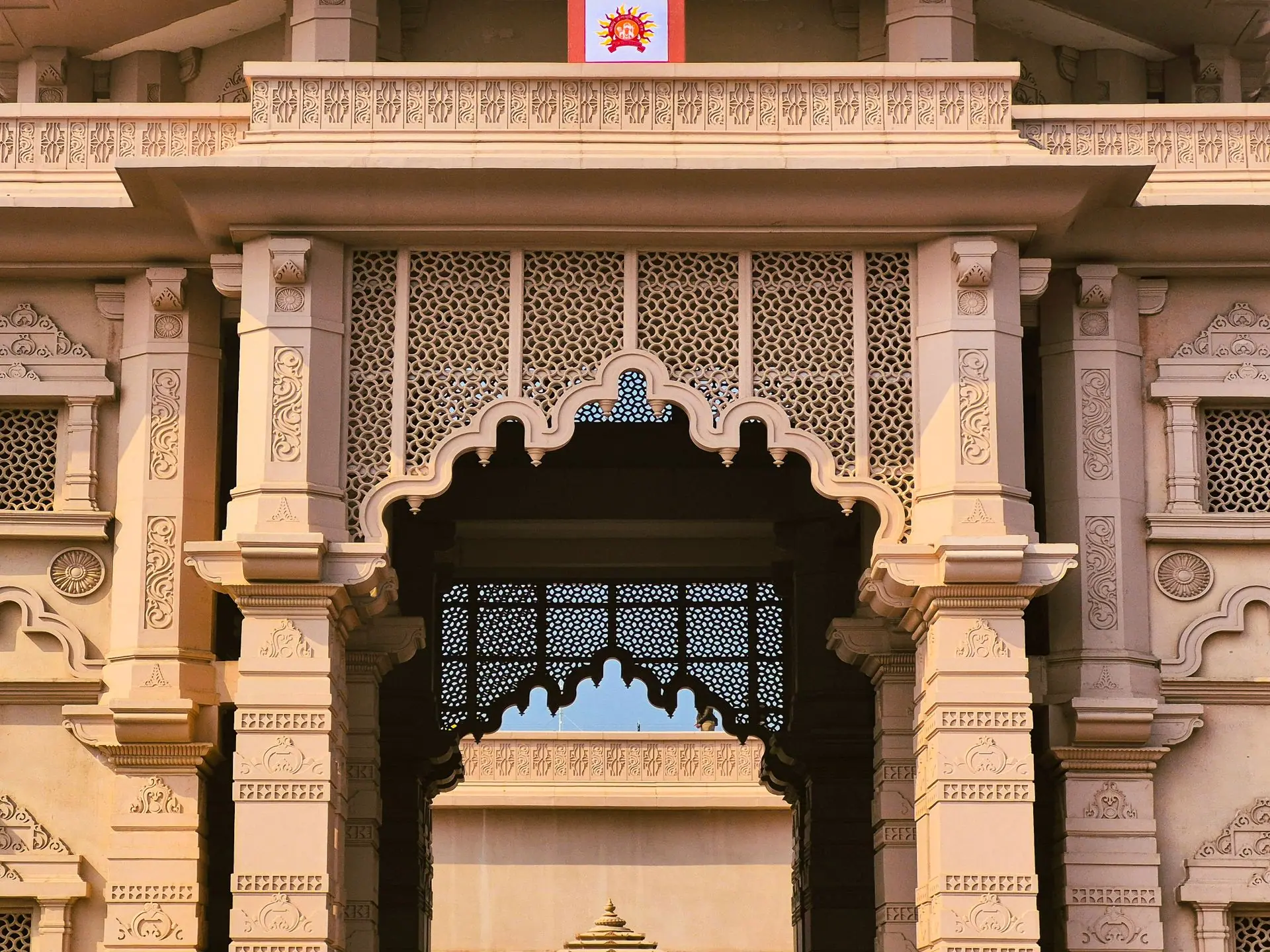
The temple stands at the site traditionally held to be Ram's birthplace and was consecrated on 22 January 2024. The Shri Ram Janmabhoomi Teerth Kshetra trust, which publishes the temple's visitor information, gives the main temple three floors and a height of 161 feet including the spire. Darshan runs in timed slots through the day, and separate passes cover the morning aartis, Mangal and Shringar, and the night aarti, Shayan. The trust says it charges no fee for darshan or aarti passes. Reserve them on its own booking portal, which its website links to, and read the current slot times there, because the trust revises them.

Hanuman Garhi

UP Tourism describes Hanuman Garhi as a fort-shaped temple in the middle of the town, where Hanuman is believed to have lived in a cave to protect Ayodhya. The district administration places it about 1 km from Ayodhya railway station and says the main temple holds an image of the young Hanuman seated on the lap of his mother, Anjani. Our Ayodhya Ram Mandir tour includes it, and our Hanuman Garhi article has more on the temple.

Kanak Bhawan

Kanak Bhawan stands north-east of the Ram Janmabhoomi site, in the Ramkot area of the town. Tradition holds that Kaikeyi gave it to Sita soon after her marriage to Ram, and the district describes it as the private palace of Sita and Ram. The building seen today was rebuilt by Vrish Bhanu Kunwari, and the sanctum holds the main images of Ram and Sita. Because it lies in the same area as the Ram Mandir, the two can be seen on the same morning. Our Kanak Bhawan article has more on the temple.

Ram ki Paidi and the Saryu ghats

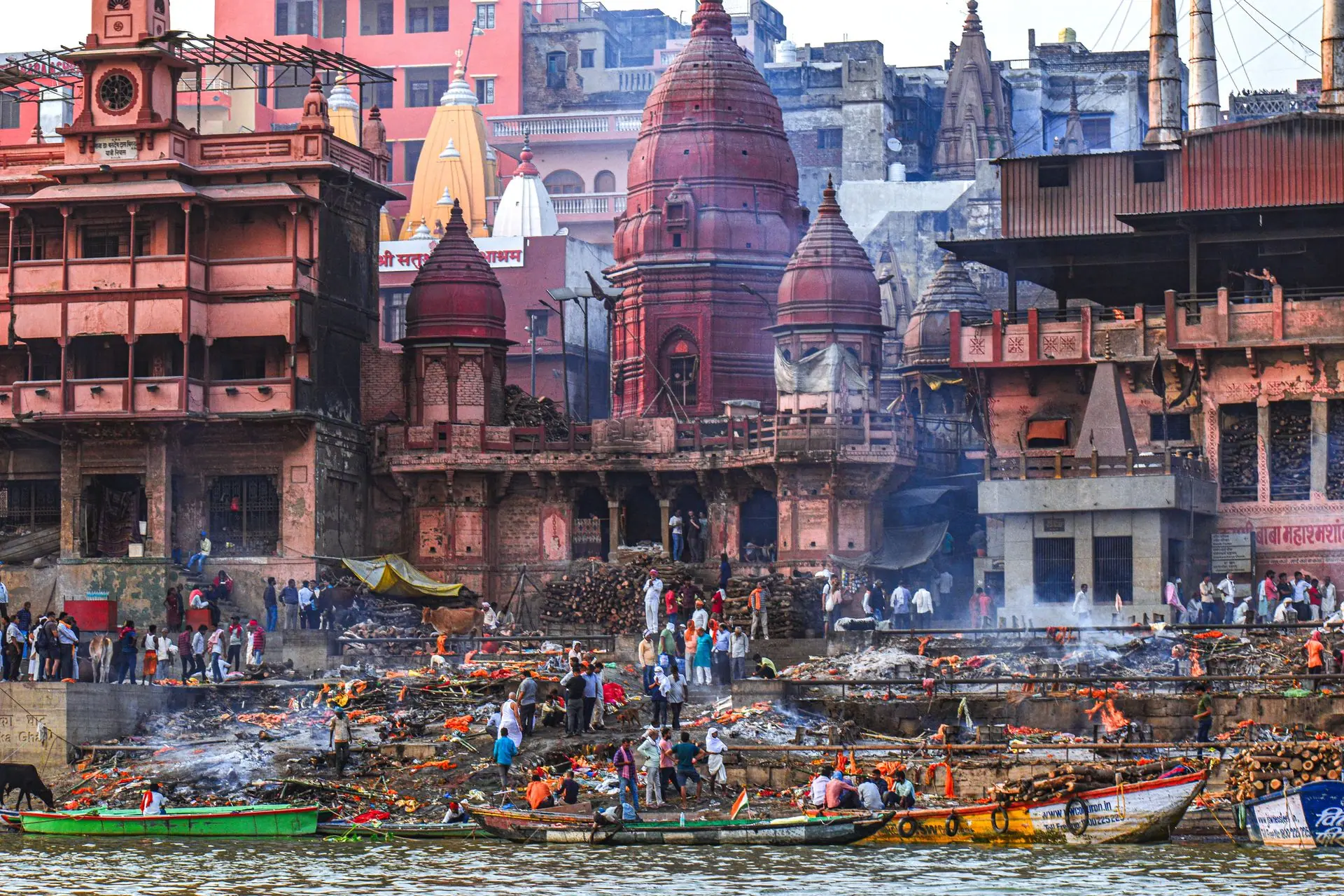
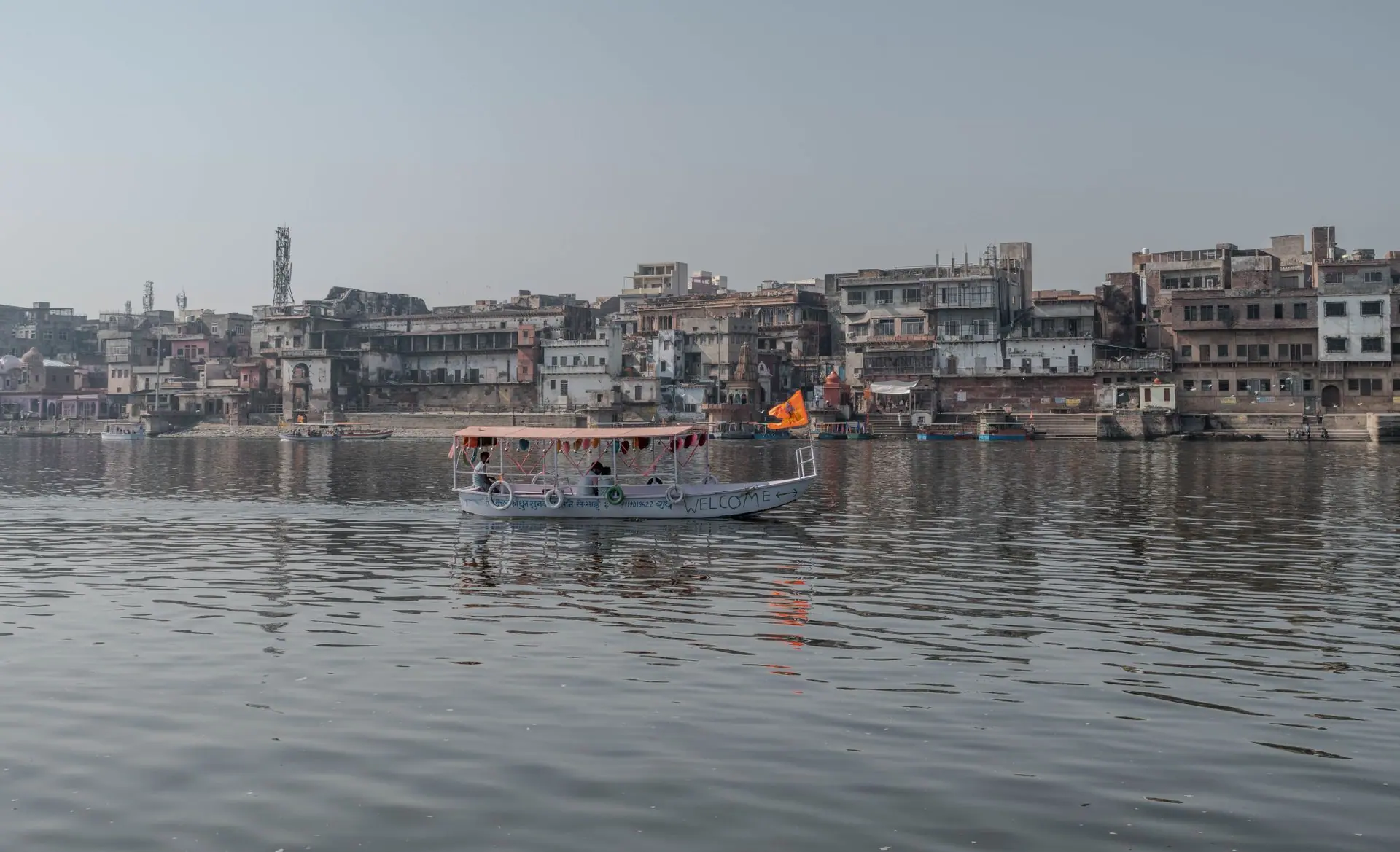
Ram ki Paidi is a series of ghats on the bank of the Saryu where devotees bathe, and the district says the riverfront looks its best when floodlit at night. Our Ayodhya tour includes the Saryu ghats, where a riverside evening aarti is held. Deepotsav, the Department of Tourism's festival on the day before Diwali, known as Choti Diwali, lights lakhs of diyas and adds a staged Ramleela, a heritage walk and a Grand Aarti.

Nageshwarnath Temple

The temple trust describes Nageshwarnath as the presiding deity of Ayodhya and says the temple is believed to have been built by Ram's son Kusha. It draws its largest crowds on Trayodashi and at Mahashivaratri. The district lists the temple at Ram ki Paidi, so it is easy to combine with a walk along the ghats. Our article on the Nageshwarnath temple has more on its story.

Mani Parvat

Mani Parvat is a hill west of Vidya Kund that the temple trust's places-to-see page says Garuda brought for Sita's enjoyment at Ram's command. It lies on the Antargrahi parikrama route described below. During the Shravan Jhula Mela, which UP Tourism dates to July and August, idols of Ram, Lakshman and Sita are carried here in procession and swings are hung from the trees. It is a short stop for anyone walking the parikrama or visiting during the festival.

Gulab Bari

Gulab Bari is the tomb of Nawab Shuja-ud-Daula, the third Nawab of Awadh, and the district describes it as standing at the centre of a charbagh, a four-part garden, with fountains, water channels and beds of roses; the name means garden of roses. It is the sight to choose when you want something that is not a temple, and the district notes that local people treat it as a holy place too.

Nandigram and Bharat Kund

Nandigram lies about 18 km south of Ayodhya. The temple trust says this is where Bharat set up Ram's padukas, his sandals, and waited out the fourteen years of the exile, and it lists Bharat Kund here too. Allow a few hours, since it is 18 km out and reached by road. It suits a second day, once the main temples are done.

The parikramas

UP Tourism lists three sacred circuits. The Antargrahi parikrama is the shortest and is completed in a day: a dip in the Saryu, then Ram Ghat, Sita Kund, Mani Parvat, Brahma Kund and Kanak Bhawan. The Panchkoshi parikrama covers 16 km from Chakratirth, and the Chaturdashkoshi, at 45 km, is completed in one day on Akshaynavami. The Parikrama Mela is held in October and November.

Things to do in Ayodhya

Reserve a darshan slot or one of the three aartis at the Ram Mandir, walk the Saryu ghats at dusk, and shop on the street near the temple, where UP Tourism lists idols, idol clothing and jewellery, copper vessels, bangles and marble statues of gods. Local food is sweets, laddoo and kachori. Tours, passes and experiences for the city are together on our Ayodhya tours and experiences page, and the routes themselves are on our Ayodhya tour packages page.

Ram Mandir darshan: free passes and what to expect

The trust's website says "Trust does not charge any fee for aarti & darshan passes" and sends visitors to its own booking portal to reserve them. That portal is where passes are reserved, and any fee asked for a pass does not come from the trust. Pass-holders are asked to follow the instructions printed on the pass, which also sets the time you are given, so read it before you leave your hotel.

What you may carry inside, and how security screening works, is set by the trust and can change, so we do not list rules here. Our Ram Mandir tour asks guests to dress modestly with shoulders and knees covered, expects shoes to come off before the temple premises, and advises carrying as little as possible to speed up screening. We arrange a private guide and vehicle for the tour, timed around darshan hours and the current visitor guidelines, which we confirm before your visit.

Best time to visit Ayodhya

UP Tourism gives October to March as the best season. Summers can reach 47°C and winters fall to about 10°C. In late December, India's meteorological department has warned that dense fog over Uttar Pradesh can affect airports, highways and railway routes, so leave a margin around flights and trains then. Its Lucknow office gives 20 June as the normal start of the monsoon in the state and 10 October as the normal end.

Festivals bring the biggest crowds. UP Tourism lists Ram Navami (March to April), the Rathyatra (June to July), the Shravan Jhula Mela (July to August), the Parikrama Mela and Saryu Snan (October to November), Ram Vivah (November) and the Ramayan Mela (December to January), plus Deepotsav on the day before Diwali. Dates move with the lunar calendar, so check them before you book.

How to reach Ayodhya

  • By air: Maharishi Valmiki International Airport is about 10 km from Ayodhya Dham, according to the district administration, and was inaugurated on 30 December 2023. Several airlines fly in from major cities. Lucknow, Gorakhpur, Prayagraj and Varanasi airports are the alternatives.
  • By train: Ayodhya Dham and Ayodhya Cantt are the main stations. Indian Railways lists a Vande Bharat Express between Ayodhya Cantt and Anand Vihar Terminal in Delhi; check IRCTC for the days it runs. Our guide to booking Indian trains explains the process for visitors from abroad.
  • By road: The temple trust gives Lucknow about 130 km, Gorakhpur about 140 km, Prayagraj about 160 km, Varanasi about 200 km and Delhi about 636 km. UPSRTC buses run round the clock, and the district lists frequent services from Lucknow, Delhi and Gorakhpur.

Local transport is by taxi, e-rickshaw, tempo, bus and cycle-rickshaw, the UP Tourism list. Our Ayodhya tour comes with a private guide and vehicle.

How many days in Ayodhya

One day is enough for the Ram Mandir, Hanuman Garhi, Kanak Bhawan and the ghats if you reserve your pass first. Two days add Gulab Bari, Nandigram and an aarti, and give you slack if a slot is late. Ayodhya also works as part of a longer circuit: our six-day Varanasi, Ayodhya, Prayagraj and Chitrakoot tour spends a night here, with evening darshan at the Ram Mandir if timings allow and morning darshan the next day before the drive to Prayagraj.

Read next: our guides to Varanasi, Prayagraj, Lucknow and the whole of Uttar Pradesh.

Why book with Experience My India

  • Government-approved operator

    Approved by the Ministry of Tourism, Government of India

  • 500+ vetted local guides

    35+ destination specialists plan every trip by hand.

  • Human help, every day

    Mon–Sun, 9:00 AM – 9:00 PM IST · +91 73022 65809

  • No payment until you approve

    You receive a written quote first; nothing is charged to start planning.

Frequently asked questions

Are Ram Mandir darshan and aarti passes free?

Yes. The Shri Ram Janmabhoomi Teerth Kshetra trust states on its website that it charges no fee for aarti or darshan passes. You reserve them online through the trust's own booking portal, which its website links to, and the pass shows your time and the instructions to follow. Treat any site or person selling a pass as unconnected with the trust.

Do the darshan slots and aarti times change?

Yes. The trust publishes the free darshan slots and the Mangal, Shringar and Shayan aarti times on its website and has revised them, so a guide or an older article may be out of date. Reserve your pass first and rely on the time printed on it rather than on a time you read elsewhere.

Can I take a phone, camera or bag into the Ram Mandir?

What may be carried inside is decided by the Shri Ram Janmabhoomi Teerth Kshetra trust, which tells pass-holders to follow the instructions printed on the pass. We do not repeat rules that the trust sets and can change, so read your pass and the trust's website before you go. Carrying as little as possible speeds up the security check, and shoes come off before the temple premises.

How many days do you need in Ayodhya?

One day covers the Ram Mandir, Hanuman Garhi, Kanak Bhawan and the ghats of Ram ki Paidi. Add a second day for Gulab Bari, Nandigram, a longer aarti evening or one of the parikramas, and for a margin if your darshan slot is late in the day. Festival days need more time because of the queues.

Can I combine Ayodhya with Varanasi?

Yes. The temple trust puts the two cities about 200 km apart, and they make one of the commonest spiritual routes in Uttar Pradesh. Our six-day circuit joins Varanasi, Ayodhya, Prayagraj and Chitrakoot by road, with two nights in Varanasi and a night in each of the others. See our Varanasi guide for the other half.

Is there an airport in Ayodhya?

Yes. Maharishi Valmiki International Airport lies about 10 km from Ayodhya Dham, according to the district administration, and several airlines serve it from major cities. Lucknow, Gorakhpur, Prayagraj and Varanasi are the alternatives, each reached by a road journey of between 130 and 200 km, per the temple trust.

What is the best time to visit Ayodhya?

October to March, when UP Tourism says the weather is best. Summers reach 47°C and winters fall to about 10°C. The big festivals, among them Ram Navami, the Parikrama Mela and Deepotsav, bring the largest crowds, so choose them for the atmosphere and avoid them if you want short queues.

How long is the Panchkoshi parikrama?

UP Tourism gives the Panchkoshi parikrama as a 16 km circuit starting from Chakratirth. The longer Chaturdashkoshi parikrama is 45 km and is completed in one day on Akshaynavami, while the shortest, the Antargrahi, is also completed in a day. Wear good walking shoes and carry water for any of them.

Tour packages in Ayodhya

See all
From the journal: Ayodhya

Customer reviews

Experience My India is rated 4.3 on Tripadvisor. We publish guest reviews after each trip.

Read our reviews

Plan a trip

Tailor-made quote from a specialist