
Last updated:
Train Travel in India: A Practical Guide for Foreign Visitors
Foreign visitors can book Indian Railways trains on IRCTC's website under the Foreign Tourist Quota, which is open to foreign tourists and NRIs with a valid passport. It opens 365 days before travel, against 60 days for ordinary bookings, takes international cards only and charges one and a half times the normal fare. On the train, carry the original passport and visa you booked with.
By Experience My India Editorial Team
Destination specialists and licensed local guides
How a foreign visitor books an Indian train
Indian Railways sells reserved tickets online through IRCTC, its booking website. A visitor has two routes.
- Online, on your own IRCTC account. Register at irctc.co.in, then add and verify an international mobile number in your profile with the one-time code IRCTC sends. Once logged in, choose "Foreign Tourist Ticket Booking" under Services. You enter the passport number of every passenger and pay by international debit or credit card. IRCTC charges a one-off registration fee and a service charge on each ticket, on top of the fare, and lists both on its foreign tourist page.
- In person, at an International Tourist Bureau. Indian Railways runs these offices for foreign tourists and NRIs in cities including New Delhi, Mumbai, Kolkata, Chennai, Bengaluru, Jaipur, Jodhpur, Varanasi and Agra Cantt. The New Delhi bureau is on the first floor of New Delhi railway station. Take your passport.
One rule surprises people: IRCTC does not allow agents to book tickets under the Foreign Tourist Quota. Those seats are booked by the traveller, online or at a bureau. A tour company can still plan which train and class suits your route, as ours does on the itineraries we run (train and flight bookings).
The Foreign Tourist Quota, rule by rule
Indian Railways keeps this quota on almost all trains for foreign tourists. IRCTC's terms for it are specific:
- Booking window. Up to 365 days ahead. For journeys inside the normal booking window, berths are given when you book; for journeys further out, they are given when that window opens, and IRCTC tells you by international SMS. Since 1 November 2024 the normal window has been 60 days, not counting the day of travel.
- Trains and classes. Executive Class (EC), First AC (1A), Second AC (2A), Third AC (3A), AC Chair Car (CC), Sleeper (SL) and Second Sitting (2S), on all trains except Suvidha services, including the Shatabdi, Rajdhani, Duronto and Gatimaan expresses.
- Fare. One and a half times the normal fare. No concessions apply, and the passenger's name cannot be changed.
- Identity on board. Each passenger must carry the original passport entered at booking, with a valid visa. A passenger who cannot show them is treated as travelling without a ticket and charged a penalty of three times the fare.
- If no berth comes through. When the railway's system does not allot a berth for a long-advance booking, IRCTC cancels the ticket itself and sends you an SMS and an email.
- If you change your plans. Cancelling an FTQ ticket costs half the fare on top of the usual cancellation charges, and it has to be done on the website. The cut-off is four hours before the train's scheduled departure.
Classes of travel, and how much luggage each allows
You will see these codes when you search and book. What they mean in practice:
- First AC (1A) is the top class on ordinary trains and has the largest luggage allowance.
- Second AC (2A) and Third AC (3A) are air-conditioned sleeper classes with berths in two and three tiers.
- AC Chair Car (CC) and Executive Class (EC) are air-conditioned seats, used on day trains. The Vande Bharat trains on short and medium routes also have reclining seats.
- Sleeper (SL) and Second Sitting (2S) have no air conditioning: berths in Sleeper, seats in Second Sitting.
For most of our guests, Second or Third AC works well overnight and a chair car by day. Indian Railways sets a free luggage allowance for what you carry into the compartment: 70 kg in First AC, 50 kg in Second AC, 40 kg in Third AC, AC Chair Car and Sleeper, and 35 kg in second class. Suitcases taken into the compartment can measure up to 100 by 60 by 25 cm, but only 55 by 45 by 22.5 cm in Third AC and AC Chair Car; anything bigger travels in the brake van.
On board: what to carry and watch for
- Your passport. It is your identity document on every train, and on an FTQ ticket the original is compulsory.
- A confirmed or RAC ticket. If an e-ticket is still fully waitlisted when the final chart is made, the system cancels it and returns the fare automatically, and holders of fully waitlisted e-tickets may not board reserved coaches.
- Common sense with strangers and touts. The UK Foreign Office calls train travel in India generally safe, and advises travellers not to accept food or drink from strangers, to look after passports and valuables because thefts are common, and to avoid people at stations offering tickets and tours.
Our safety guide and first-timer's guide cover the rest of a first trip.
Hill railways and luxury trains
Some journeys are worth building a day around. The Darjeeling, Nilgiri and Kalka–Shimla lines are World Heritage Sites, listed together as the Mountain Railways of India, and Indian Railways also runs the Matheran hill line. See our guides to India's toy trains and the Ooty toy train.
India's luxury trains, the Maharajas' Express, the Palace on Wheels, the Deccan Odyssey and the Golden Chariot, are booked as journeys of their own rather than as ordinary tickets: see India's luxury trains.
For how trains fit with cars and flights on a wider trip, see getting around India.
Frequently asked questions
Can foreigners book Indian trains?
Yes. A foreign visitor can open an IRCTC account, verify an international mobile number and book under the Foreign Tourist Quota, paying by international card, or book in person at an Indian Railways International Tourist Bureau, such as the one at New Delhi station. The quota opens 365 days before travel. Each passenger's passport number is needed to book, and the original passport and visa must be carried on the train.
What is the Foreign Tourist Quota?
It is a block of seats Indian Railways keeps for foreign tourists and NRIs holding a valid passport, available in seven classes from Second Sitting to First AC on all trains except Suvidha services. It opens 365 days ahead, costs one and a half times the normal fare and is paid for by international debit or credit card. Agents are not allowed to book it, and the name on the ticket cannot be changed.
What train class should I choose in India?
For an overnight journey, Second AC or Third AC: both are air-conditioned with berths, Second AC in two tiers and Third AC in three. First AC is the top class and allows the most luggage. On a day train, an AC Chair Car or Executive Class seat is enough. Sleeper and Second Sitting have no air conditioning.
Can a travel agent book a Foreign Tourist Quota ticket for me?
No. IRCTC's terms say agents are not allowed to book tickets under the Foreign Tourist Quota, so you book it yourself, on your own IRCTC account or at an International Tourist Bureau with your passport. An agent or tour company can still advise you on which train and class suit your route, and on our itineraries the train legs are planned with the rest of the trip.
Can I travel on an Indian train with a waitlisted ticket?
Not on a fully waitlisted e-ticket. If it is still waitlisted when the final chart is prepared, the system cancels it and returns the fare to your account automatically, and holders of fully waitlisted e-tickets may not board reserved coaches.
What does RAC mean on an Indian train ticket?
RAC stands for Reservation Against Cancellation. Indian Railways describes it as a provision to split a berth into two or more seats, so an RAC ticket lets you board and travel, sharing a berth with another passenger. A fully waitlisted e-ticket is different: unless it moves up before the final chart, you may not board a reserved coach.
Related guides
Customer reviews
Experience My India is rated 4.3 on Tripadvisor. We publish guest reviews after each trip.
Why book with Experience My India
Government-approved operator
Approved by the Ministry of Tourism, Government of India
500+ vetted local guides
35+ destination specialists plan every trip by hand.
Human help, every day
Mon–Sun, 9:00 AM – 9:00 PM IST · +91 73022 65809
No payment until you approve
You receive a written quote first; nothing is charged to start planning.
Browse experiences by theme
See all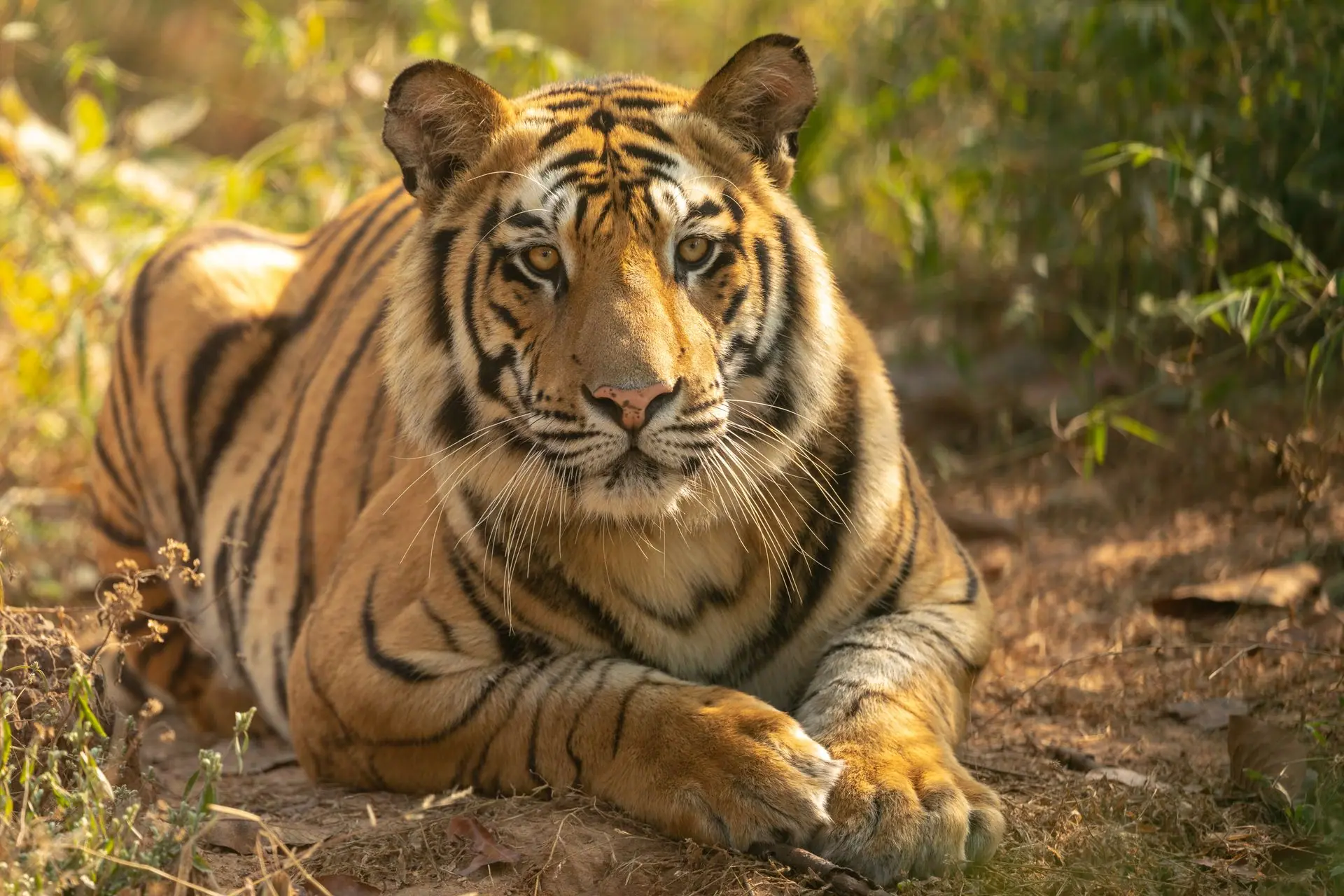
Wildlife Safaris
8 experiences
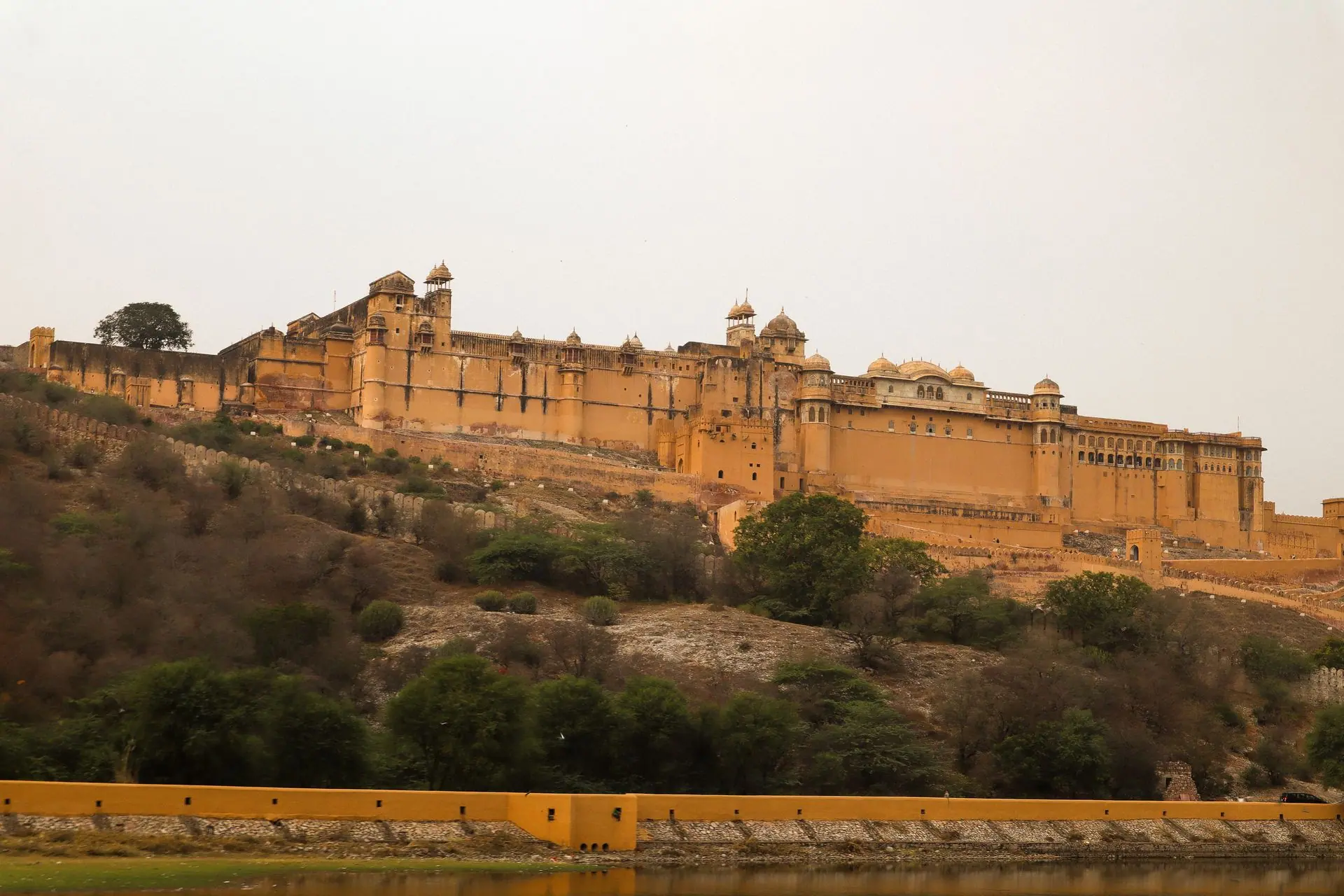
Heritage & Architecture
2 experiences

Beaches & Islands
5 experiences
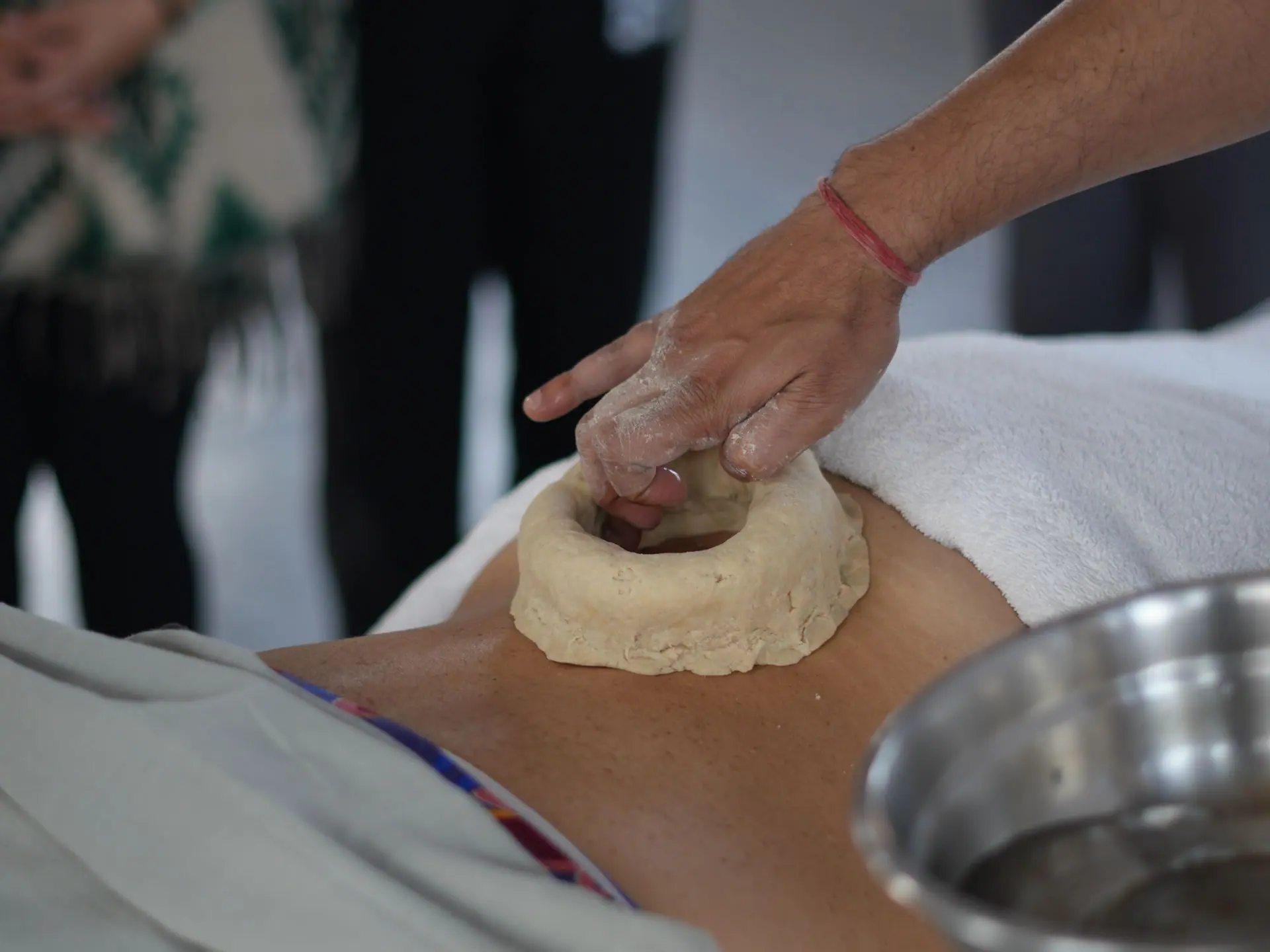
Wellness & Ayurveda
1 experience
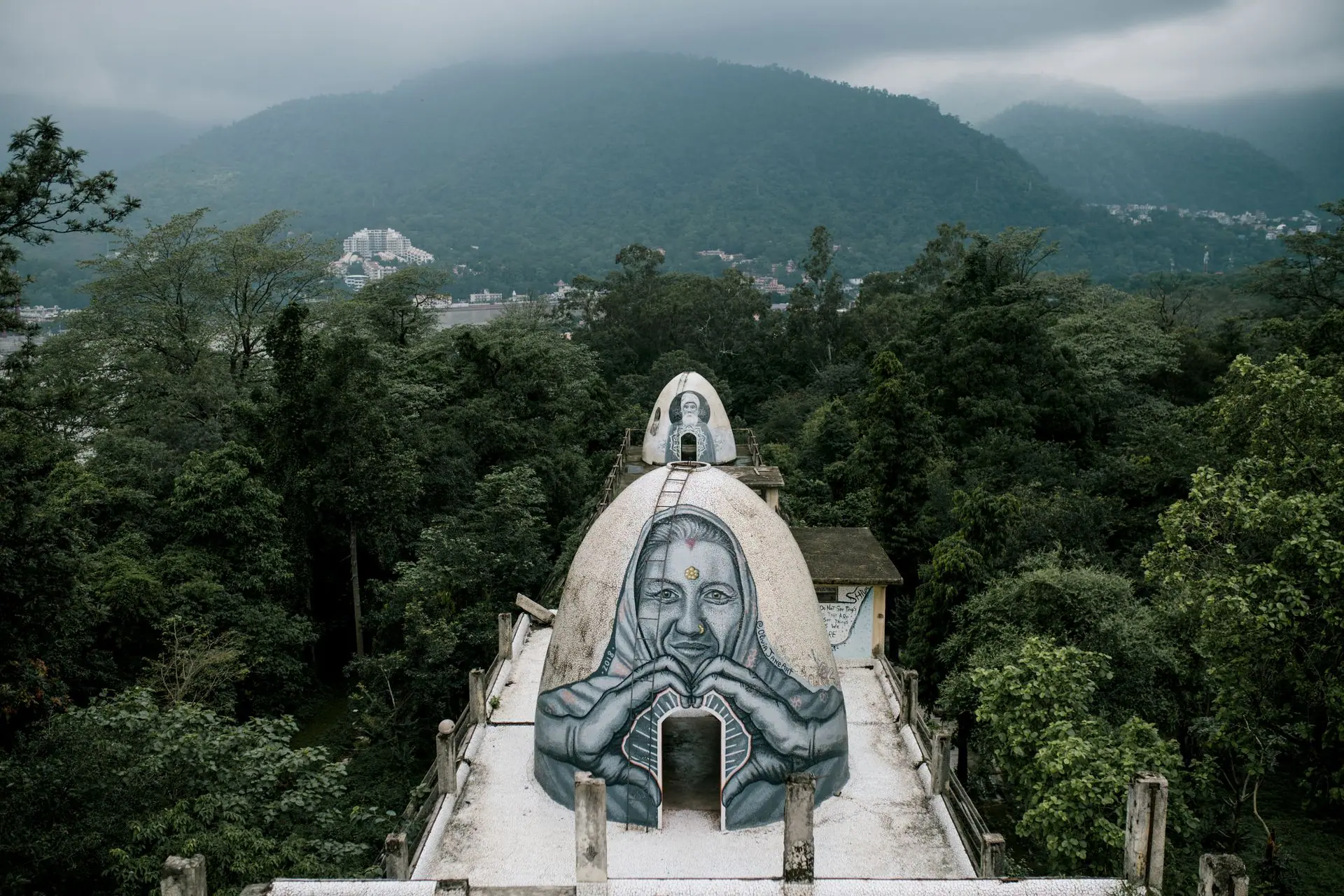
Yoga & Meditation
4 experiences

Trekking
2 experiences

Adventure
6 experiences
Culinary
5 experiences

Festivals
8 experiences
Performing Arts
5 experiences

Luxury Trains
4 experiences
Houseboats
3 experiences
Toy Trains & Railways
1 experience
Village & Tribal Tourism
2 experiences
Glamping & Desert
1 experience
Honeymoon & Romance
3 experiences
VIP & Luxury
2 experiences
Plan a trip
Tailor-made quote from a specialist