
Last updated:
Remember These 7 Tips Before Going to Kedarnath
Plan this trip: Char Dham Yatra tour packages →
By Experience My India Editorial Team
Destination specialists and licensed local guides
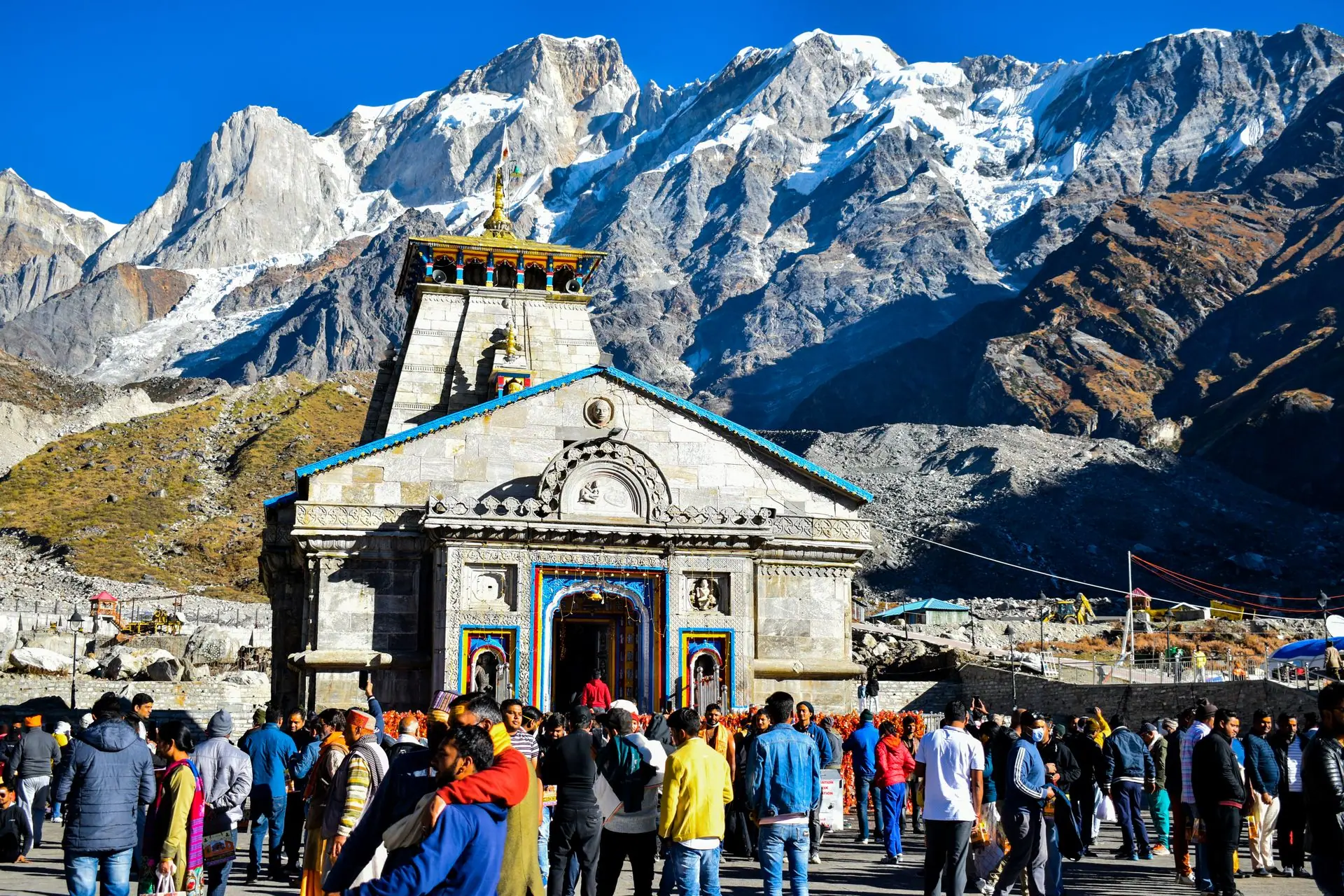
The journey to Kedarnath is one of India’s most sacred pilgrimages, combining intense physical challenge with profound spiritual rewards. Located at 3,583 meters (11,755 ft) in the Garhwal Himalayas, the ancient Kedarnath Temple – one of the 12 Jyotirlingas – presents pilgrims with a unique test of devotion and endurance.
We’ve guided thousands of devotees through this transformative experience. This comprehensive guide covers everything from optimal travel timing to altitude management, packing essentials to transportation options. Whether you’re a first-time visitor or returning pilgrim, these seven crucial tips will help ensure your journey is safe, comfortable, and spiritually fulfilling.
Seasonal Breakdown:
Pro Tip: The temple opening date varies annually based on Mahashivratri predictions. Check the Uttarakhand Tourism website for exact dates before booking.
- Summer (May-June): Peak pilgrimage season with temperatures ranging from 5°C to 18°C Clear trails and most facilities operational Expect crowds during peak periods
- Monsoon (July-August): High risk of landslides and route closures Heavy rainfall makes trekking dangerous Limited helicopter operations
- Post-Monsoon (September-October): Ideal weather with crisp mountain air Fewer crowds compared to summer Stunning autumn landscapes
- Winter (November-April): Temple closes after Diwali (typically early November) Symbolic worship continues at Ukhimath Extreme snowfall blocks all access routes
Training Regimen (Start 6-8 Weeks Prior):
Medical Considerations:
- Cardiovascular Conditioning: Daily brisk walking (start with 3km, build to 10km) Stair climbing with weighted backpack Swimming for lung capacity
- Strength Training: Focus on leg muscles (squats, lunges) Core exercises for balance Shoulder/back strength for carrying packs
- Altitude Simulation: Practice breathing techniques Consider short hikes at increasing elevations
- Get thorough cardiac and respiratory check-ups
- Consult about Diamox for altitude sickness prevention
- Carry prescriptions for existing conditions
Essential Gear:
- Clothing: Thermal innerwear (merino wool recommended) Waterproof outer shell jacket Quick-dry trek pants (2 pairs) Woolen cap and neck gaiter
- Footwear: Ankle-support trekking shoes (broken in) Waterproof gaiters Extra woolen socks
- Equipment: Trekking poles (collapsible) Headlamp with extra batteries Lightweight sleeping bag (for basic accommodations)
Health & Safety:
- Comprehensive first-aid kit including: Altitude sickness medication Pain relievers Anti-diarrheal tablets Bandages/blister treatment
- Water purification tablets
- Emergency thermal blanket
Gradual Ascent Strategy:
Acclimatization Techniques:
Recognizing AMS Symptoms:
- Hydration: 4-5 liters water daily (avoid caffeine/alcohol)
- Slow, rhythmic breathing during ascent
- Light meals with high carbohydrate content
- Immediate rest upon arrival at new altitude
- Mild: Headache, nausea, dizziness
- Severe: Confusion, vomiting, loss of coordination
- Emergency response: Immediate descent required
- Initial Stop (500-1000m): Rishikesh/Haridwar (2 days)
- Intermediate Stop (1500m): Rudraprayag (1 day)
- Final Stop (2000m): Guptkashi/Sonprayag (1 day)
| Criteria | Starting Point | Duration | Cost Range | Difficulty | Booking Tips |
|---|---|---|---|---|---|
| Trekking | Gaurikund | 6-8 hrs | ₹0-500 | High | Start before sunrise |
| Pony | Gaurikund | 5-7 hrs | ₹3000-4000 | Medium | Book at Sonprayag |
| Palki | Gaurikund | 6-8 hrs | ₹4000-5000 | Low | Advance booking recommended |
| Helicopter | Phata/Sirsi | 10 min | ₹7000-9000 | None | Book 60 days in advance |
Important Notes:
- Helicopter weight limit: 5kg baggage per person
- Pony/Palki operators regulated by government rates
- Last 1km to temple must be walked regardless of transport
Temple Protocol:
- Dress code: Conservative clothing (no shorts/sleeveless)
- Photography: Strictly prohibited in sanctum
- Darshan timing: Typically 4AM-9PM (varies by season)
- Special pujas: Rudrabhishek requires advance booking
Eco-Pilgrimage Practices:
- Carry reusable water bottles (filling stations available)
- Use biodegradable toiletries
- Participate in “Clean Kedarnath” initiatives
- Respect wildlife (especially Himalayan species)
Communication Plan:
- Primary network: BSNL (most reliable)
- Satellite phones: Available for rent at Sonprayag
- Designated meeting points in case of separation
Emergency Contacts:
- Kedarnath Rescue Team: 01364-262271
- Medical Facilities: Base: Sonprayag Medical Center Summit: GMVN Medical Unit
- Weather Updates: IMD Uttarakhand website
Final Thoughts – A Pilgrimage of Faith & Endurance
Kedarnath is more than a temple—it’s a test of devotion and determination. With Experience My India, you get not just a trip, but a transformational journey. Plan wisely, stay prepared, and let the divine energy of Kedarnath guide you.
Contact Experience My India: call or WhatsApp +91 73022 65809, or plan your trip with a specialist.
Ready for the spiritual adventure? Book your pilgrimage with us today!
Frequently asked questions
1. How difficult is the Kedarnath trek?
Moderate to challenging. Regular walkers can manage; others can opt for ponies or helicopters.
2. Can elderly pilgrims visit Kedarnath?
Yes, via helicopter or palki (palanquin). Consult a doctor before planning.
3. What is the best way to book a helicopter?
Book in advance through IRCTC or authorized operators —last-minute slots are rare.
4. Are there accommodation options near Kedarnath?
Yes, GMVN guest houses, dharamshalas, and tents (pre-booking recommended).
5. What food options are available?
Simple vegetarian meals (dal, rice, roti) at local eateries. Carry snacks.
6. Is oxygen available en route?
Yes, at medical camps—but acclimatization is better prevention.
7. What if the weather turns bad?
Follow authorities’ advice—do not take risks.
8. Can I visit Kedarnath with kids?
Yes, but ensure they are warm and hydrated. Avoid infants.
9. How much does the trek cost?
Budget ₹5,000-10,000 per person (excluding helicopter).
10. Is photography allowed?
Outside the temple, yes. Inside, no.
Char Dham Yatra tour packages
Tour package
Char Dham Yatra tour
Free cancellation
Price on request
View itineraryTour package
Helicopter Char Dham
Free cancellation
Price on request
View itineraryTour package
Char Dham Yatra — 11 days
11 days / 10 nightsFree cancellation
Price on request
View itineraryRelated guides
Customer reviews
Experience My India is rated 4.3 on Tripadvisor. We publish guest reviews after each trip.
Why book with Experience My India
Government-approved operator
Approved by the Ministry of Tourism, Government of India
500+ vetted local guides
35+ destination specialists plan every trip by hand.
Human help, every day
Mon–Sun, 9:00 AM – 9:00 PM IST · +91 73022 65809
No payment until you approve
You receive a written quote first; nothing is charged to start planning.
Browse experiences by theme
See all
Wildlife Safaris
8 experiences
Heritage & Architecture
2 experiences
Beaches & Islands
5 experiences
Wellness & Ayurveda
1 experience
Yoga & Meditation
4 experiences
Trekking
2 experiences
Adventure
6 experiences
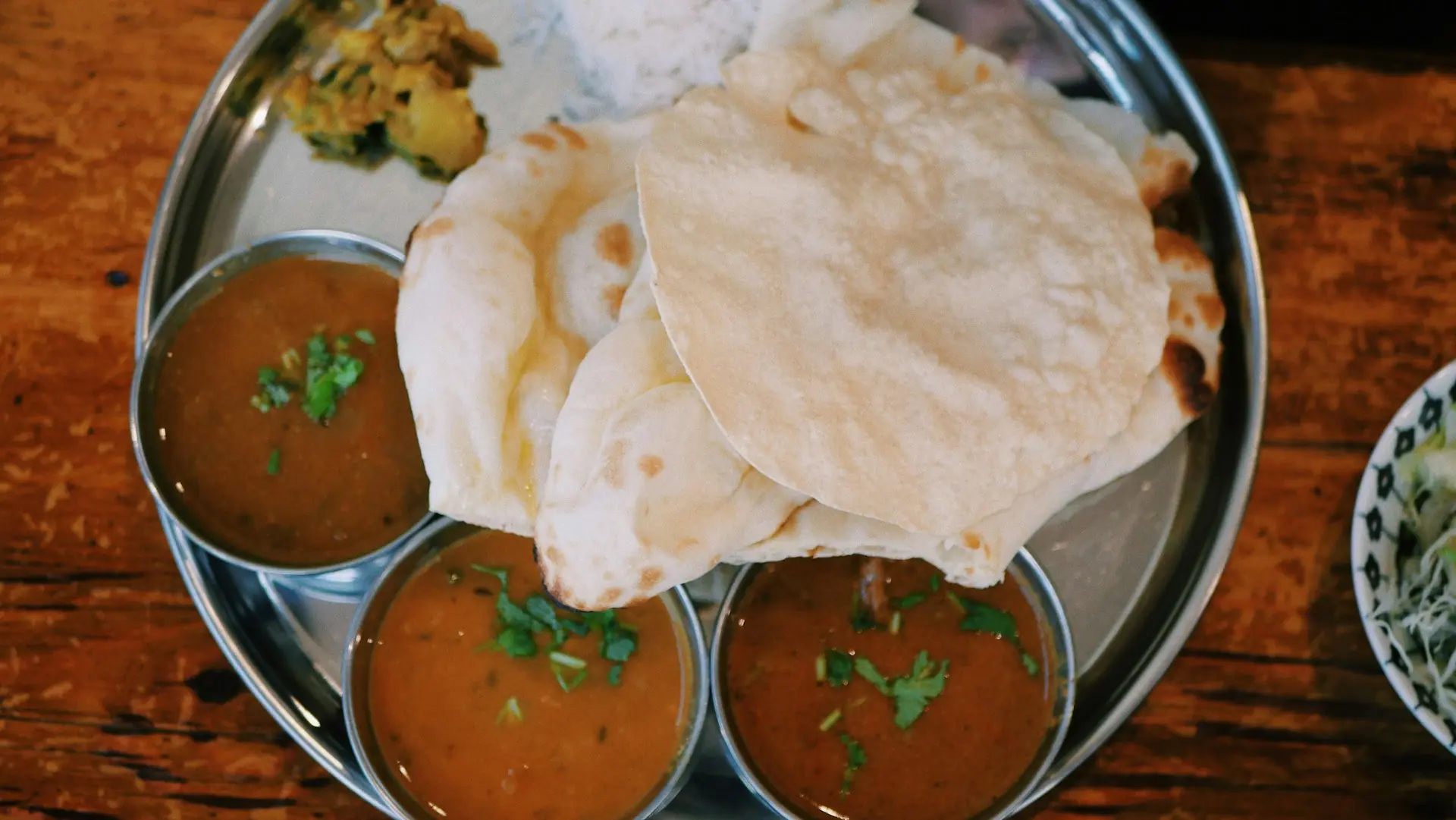
Culinary
5 experiences
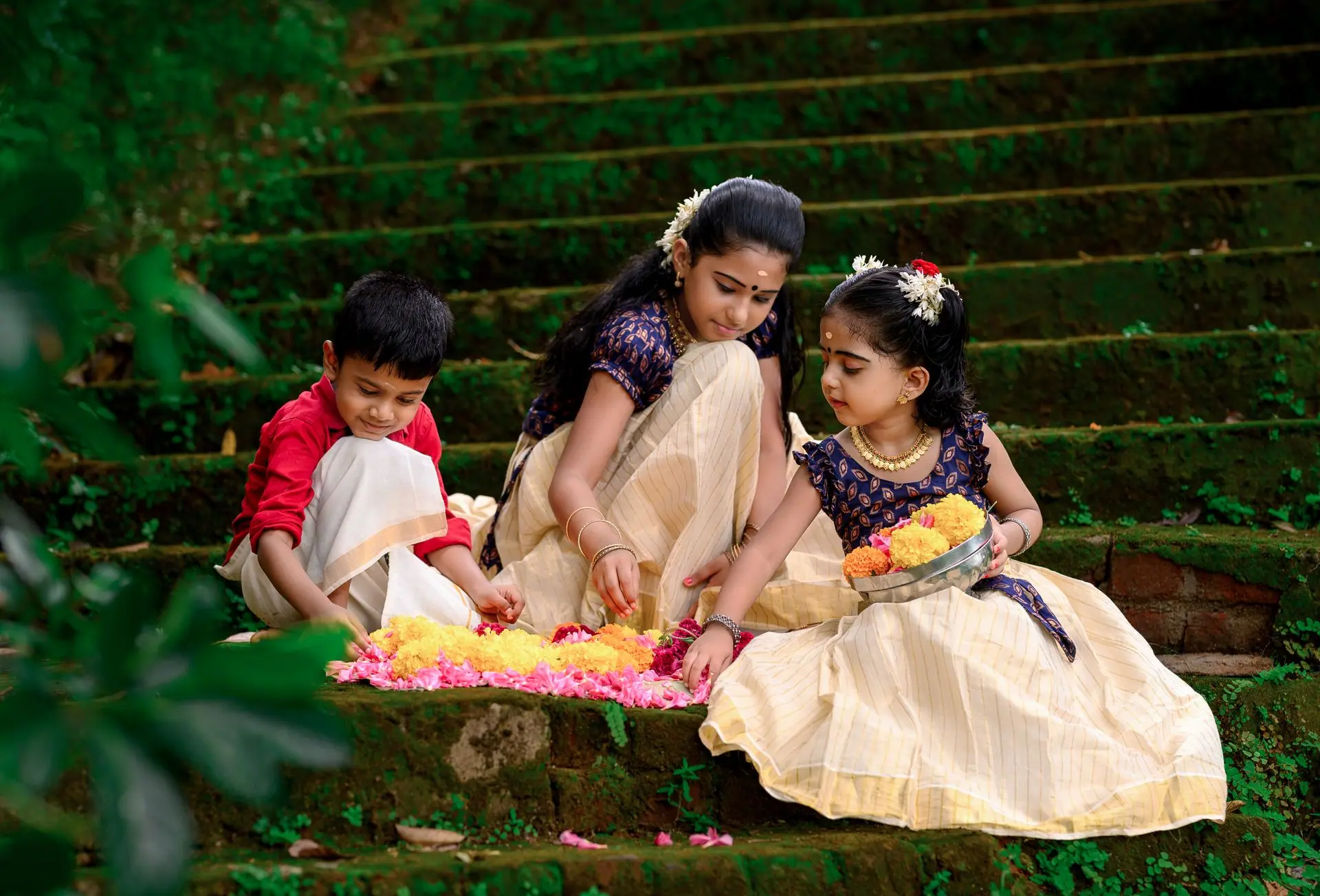
Festivals
8 experiences
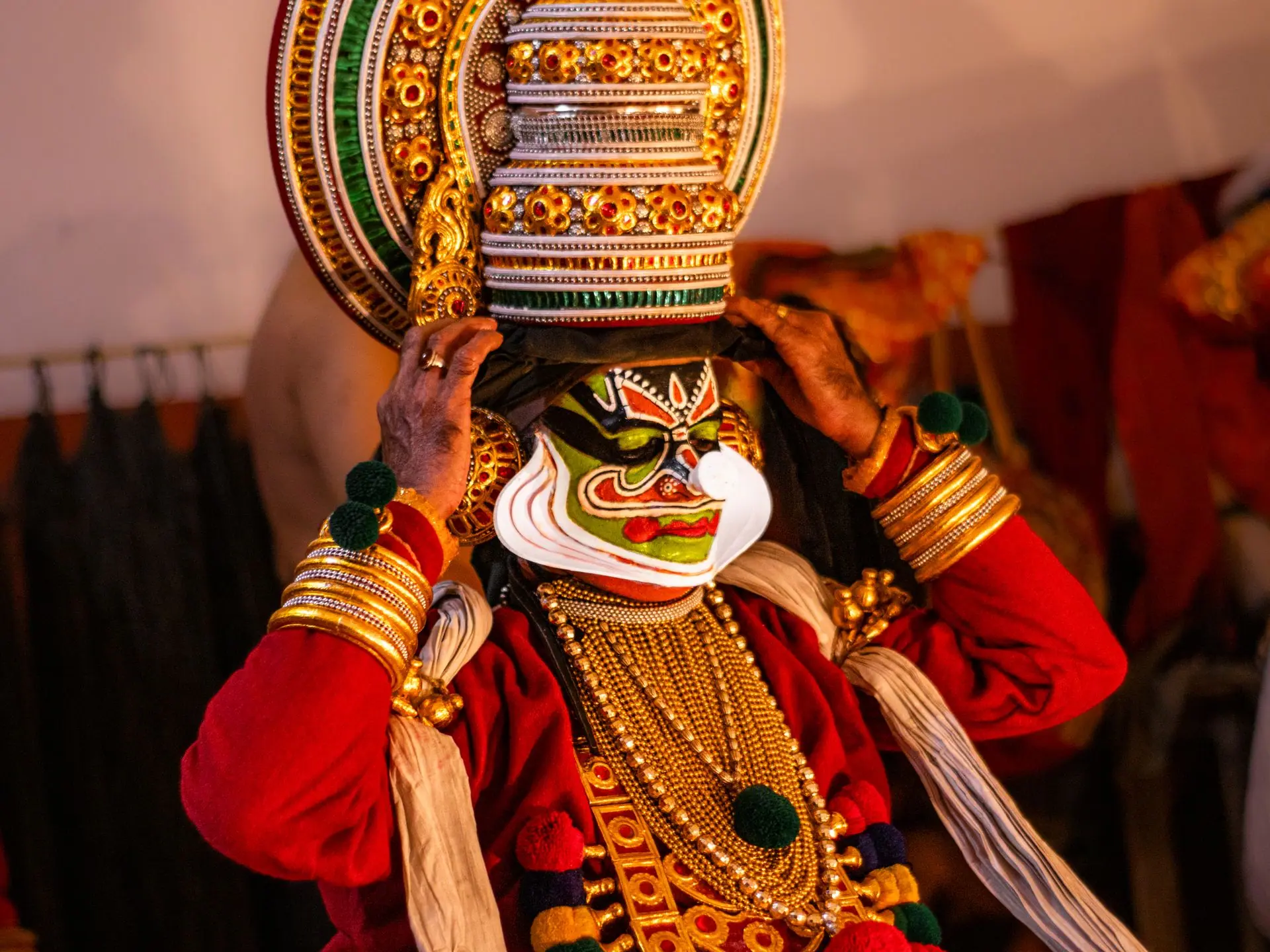
Performing Arts
5 experiences
Luxury Trains
4 experiences
Houseboats
3 experiences
Toy Trains & Railways
1 experience
Village & Tribal Tourism
2 experiences
Glamping & Desert
1 experience
Honeymoon & Romance
3 experiences
VIP & Luxury
2 experiences
Plan a trip
Tailor-made quote from a specialist