
Last updated:
12 Famous Places to Visit in Varanasi
Plan this trip: Varanasi tour packages →
By Experience My India Editorial Team
Destination specialists and licensed local guides
Varanasi, the world's oldest continuously inhabited city, is a living museum of India's spiritual heritage. As you walk through its labyrinthine alleys, you'll encounter timeless traditions that have been preserved for over 3,000 years. This comprehensive guide explores 12 famous places to visit in Varanasi, offering deep insights into their historical significance, architectural marvels, and spiritual importance.
Historical Significance:
- Dating back to the 11th century, the temple has been destroyed and rebuilt multiple times
- The current structure was commissioned by Queen Ahilyabai Holkar in 1780
- The gold plating on the spire was donated by Maharaja Ranjit Singh in 1835
Spiritual Importance:
- One of the 12 Jyotirlingas (divine light manifestations of Shiva)
- Believed to be the place where Shiva's divine light pierced the earth
- Pilgrims carry Ganga water from Dashashwamedh Ghat for abhishekam (ritual bathing)
Visitor Information:
- Best time to visit: 4-11 AM and 7-11 PM for darshan
- Security: Strict checks; lockers available for phones/wallets
- Nearby: Jnana Vapi (Wisdom Well) where the original lingam was hidden from invaders
Historical Layers:
- Name means "Ghat of Ten Horse Sacrifices" from ancient Vedic rituals
- Reconstructed in 1748 by Peshwa Balaji Baji Rao
- Served as a major trading hub during the British era
Cultural Experience:
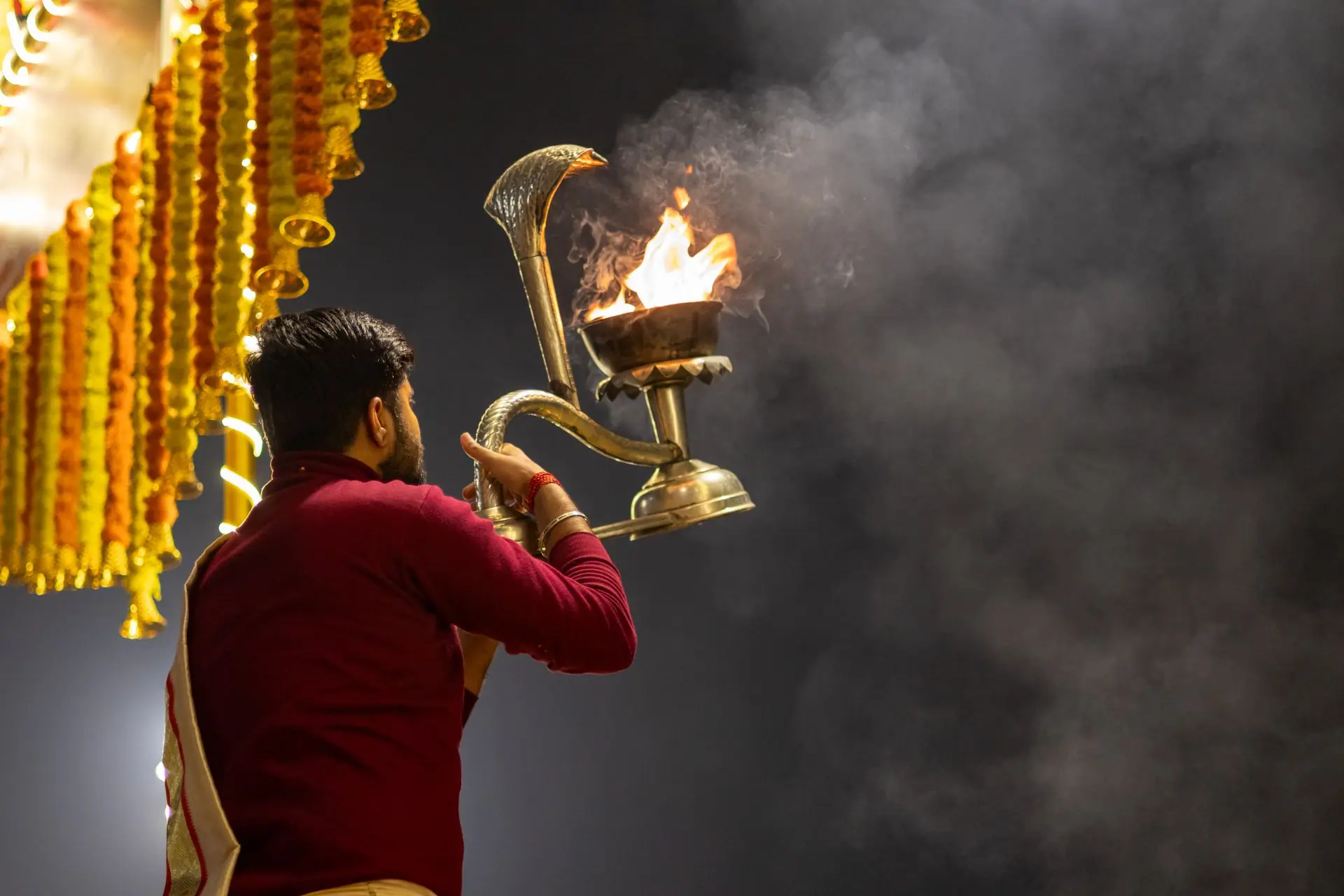
- Ganga Aarti: 7 PM daily (winter), 7:30 PM (summer) Performed by 7 priests representing the 7 ancient sages Uses brass lamps weighing up to 15 kg each
- Morning rituals: 5 AM purification ceremonies
Practical Tips:
- Best boat viewing spots: Mid-river for full spectacle
- Photography: ₹100-200 tip expected for best angles
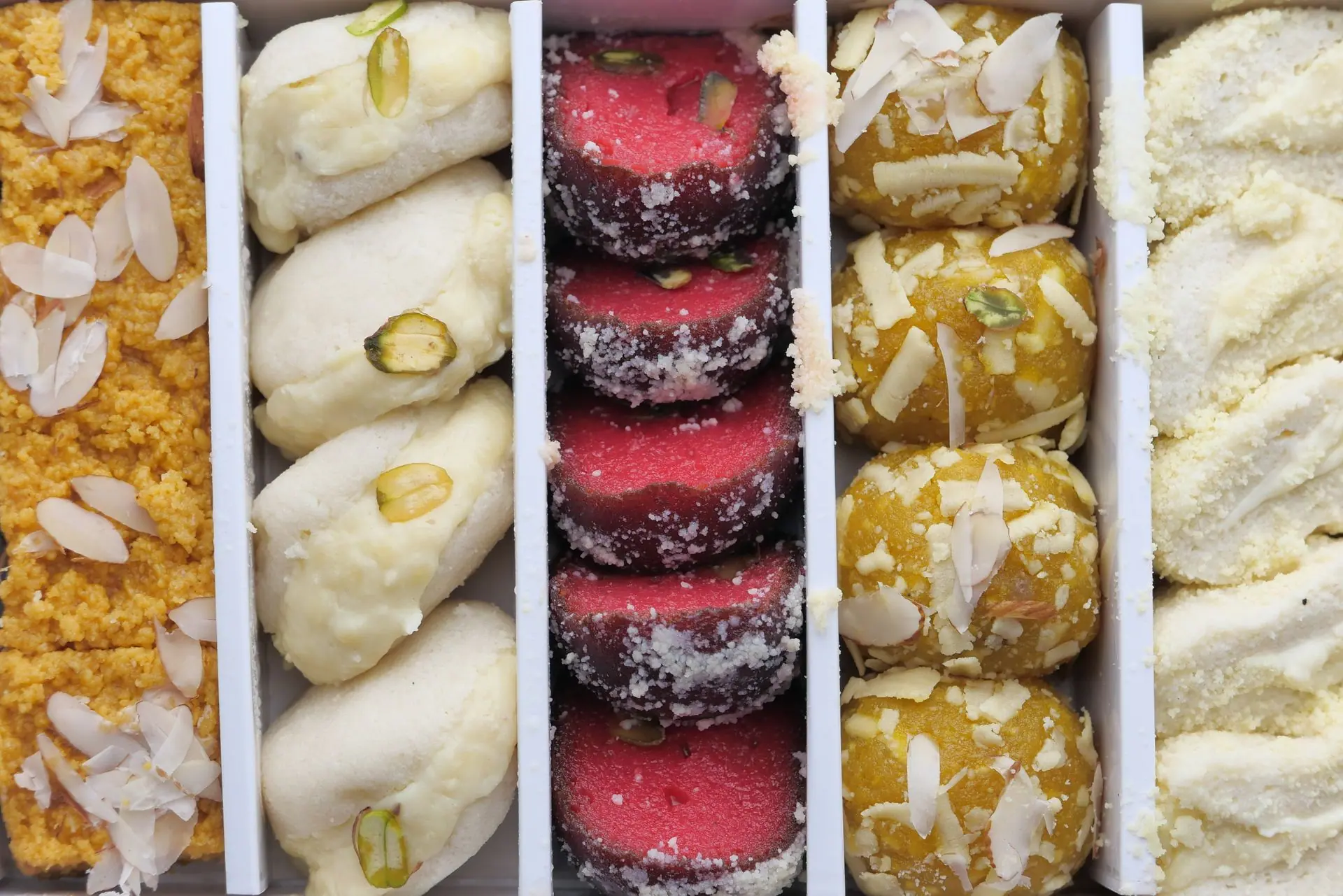
- Nearby: Vishwanath Gali for famous lassi and malaiyo (seasonal milk foam dessert)
Archaeological Wonders:
- Dhamek Stupa (5th century CE): 43.6m tall, built where Buddha gave first sermon
- Ashoka Pillar (3rd century BCE): National emblem origin, now in site museum
- Mulagandhakuti Vihara: 1931 Japanese-style temple with exquisite murals
Living Traditions:
- Tibetan monks perform daily chanting (6 AM & 6 PM)
- Full moon processions during Buddha Purnima
- Meditation courses at Thai Temple (1-3 month programs)
Visitor Facilities:
- Museum timings: 9 AM-5 PM (closed Fridays)
- Guided tours: ₹500-800 for 2-hour expert walkthrough
- Combined ticket: ₹30 covers all monuments
Sacred Geography:
- Mythological belief: Shiva's earring (Manikarnika) fell here
- 24/7 cremations with wood consumption: 300-400 kg per pyre
- Special woods used: Sandalwood for saints, ordinary wood for others
Cultural Insights:
- Doms: The untouchable caste that maintains the sacred fire
- Death rituals: From ₹5,000 to ₹50,000 based on wood type
- Photography etiquette: Strictly prohibited; maintain respectful distance
Nearby Significance:
- Scindia Ghat with its partially submerged Shiva temple
- Lalita Ghat's Nepali Temple with exquisite wood carvings
Literary Connections:
- Mentioned in ancient texts as Asi Sangam
- Favorite spot of poet-saint Tulsi Das (16th century)
- Modern literary festivals held here annually
Wellness Offerings:
- Yoga classes: 5:30-7 AM (₹200-500 per session)
- Ayurvedic massages: Ganga view treatment rooms
- Meditation guides: Certified teachers for Vipassana
Seasonal Highlights:
- December: Subah-e-Banaras sunrise festival
- March: Holi celebrations with organic colors
- October: Dev Deepawali ghat illumination
Architectural Details:
- Built in 1750 in Mughal style with European influences
- Special features: Darbar Hall with Belgian chandeliers
- Unique defense: 10m thick walls to withstand cannon fire
Collection Highlights:
- Vintage cars: 1913 Rolls Royce, 1939 Cadillac
- Armory: 17th century jewel-encrusted swords
- Astronomical clocks: 18th century European pieces
Cultural Events:
- Ramleela: 31-day performance during Dussehra
- Classical music festivals: January concerts in courtyard
- Boat races: August regattas viewed from fort walls
Literary Significance:
- Built in 1964 where Tulsidas wrote Ramcharitmanas
- Entire epic inscribed on white Makrana marble walls
- 3D dioramas depicting key Ramayana scenes
Architectural Features:
- Blend of North and South Indian styles
- Glass-encased manuscript of original Ramcharitmanas
- Musical fountain show every evening (7 PM)
Must-See Collections:
- Chola Bronzes: 10th century Nataraja statue
- Miniature Paintings: Rare Mughal-era Banaras school works
- Textiles: 200-year-old brocade weaving samples
Research Facilities:
- Digital archives of 15,000+ artifacts
- Scholarly access to rare manuscripts (prior appointment)
- Conservation workshops (open first Wednesday monthly)
Historical Facts:
- Established 1916 by Madan Mohan Malaviya
- Campus size: 1,300 acres (larger than Vatican City)
- Notable alumni: 3 Presidents, 5 Prime Ministers
Visitor Highlights:
- New Vishwanath Temple: 77m tall with murals by Nandalal Bose
- Malviya Ghat: Sunset views with classical music
- Science Museum: Ancient Indian technology exhibits
Unique Traditions:
- Besan ladoo offerings: 5,000+ distributed daily
- Tuesday rituals: Special sindoor (vermilion) application
- Music legacy: Annual classical festival since 1923
Architectural Marvel:
- North Indian Nagara style with shikhara spire
- Special red ochre paint (reapplied annually)
- Stone carvings of 64 Yoginis (tantric deities)
Monkey Management:
- 300+ resident rhesus macaques
- Feeding times: 9 AM & 5 PM (purchase temple-approved nuts)
- Safety tips: No loose items, avoid eye contact
Historical Timeline:
- Mauryan era origins (3rd century BCE)
- Mughal reconstruction (16th century)
- British modifications (18th century)
Strategic Features:
- Underground tunnels to Varanasi (now sealed)
- Cannon foundry with original equipment
- Sher Shah Suri's coronation site (1540)
| Criteria | Best Time | Entry Fee | Photography | Special Notes |
|---|---|---|---|---|
| Kashi Vishwanath | 4-6 AM | Free | Prohibited | Mobile deposit mandatory |
| Sarnath | 7-10 AM | ₹30 (Indians) | Allowed | Museum closed Fridays |
| Ramnagar Fort | 10 AM-5 PM | ₹50 | ₹100 (video) | Last entry 4:30 PM |
| Bharat Kala Bhavan | 10:30 AM-4:30 PM | ₹20 | ₹50 | Closed Sundays |
Local Insights
This expanded guide provides not just sightseeing information but deep cultural context to help visitors appreciate th e famous places to visit in Varanasi, the living heritage. Each location reveals layers of history that continue to shape India's spiritual consciousness today.
- Hidden Gem: Ramnagar's 200-year-old manuscript library
- Food Tip: Try kachori-sabzi at Ram Bhandar near Godowlia
- Photography Permit: ₹5,000/day for professional shoots (apply at DM office)
Final Thoughts
Varanasi is more than a city—it’s an emotion. Each of these famous places to visit in Varanasi offers a unique glimpse into its soul. Whether you seek spirituality, history, or culture, Varanasi will leave an indelible mark on your heart.
Contact Experience My India: call or WhatsApp +91 73022 65809, or plan your trip with a specialist.
Plan your trip with Experience My India and immerse yourself in the magic of Kashi!
Frequently asked questions
1. What is the best time to visit Varanasi?
October to March offers pleasant weather, ideal for exploring.
2. Is photography allowed at Kashi Vishwanath Temple?
No, electronic devices are prohibited inside the main sanctum.
3. How far is Sarnath from Varanasi?
Around 10 km, a 30-minute drive.
4. Are boat rides safe in Varanasi?
Yes, licensed boat operators ensure safety.
5. Can non-Hindus visit Manikarnika Ghat?
Yes, but visitors should maintain respect and decorum.
6. What is special about Dashashwamedh Ghat?
Its grand Ganga Aarti is a mesmerizing spiritual experience.
7. Are there guided tours for Varanasi’s famous places?
Yes, many agencies offer heritage and spiritual tours.
8. What should I wear when visiting temples in Varanasi?
Modest clothing covering shoulders and knees is recommended.
9. Is Varanasi safe for solo travelers?
Yes, but it’s advisable to stay cautious in crowded areas.
10. Which ghat is best for sunrise views?
Assi Ghat and Dashashwamedh Ghat offer breathtaking sunrise vistas.
Varanasi tour packages
Tour package
Varanasi Ganga Aarti tour
Free cancellation
Price on request
View itinerary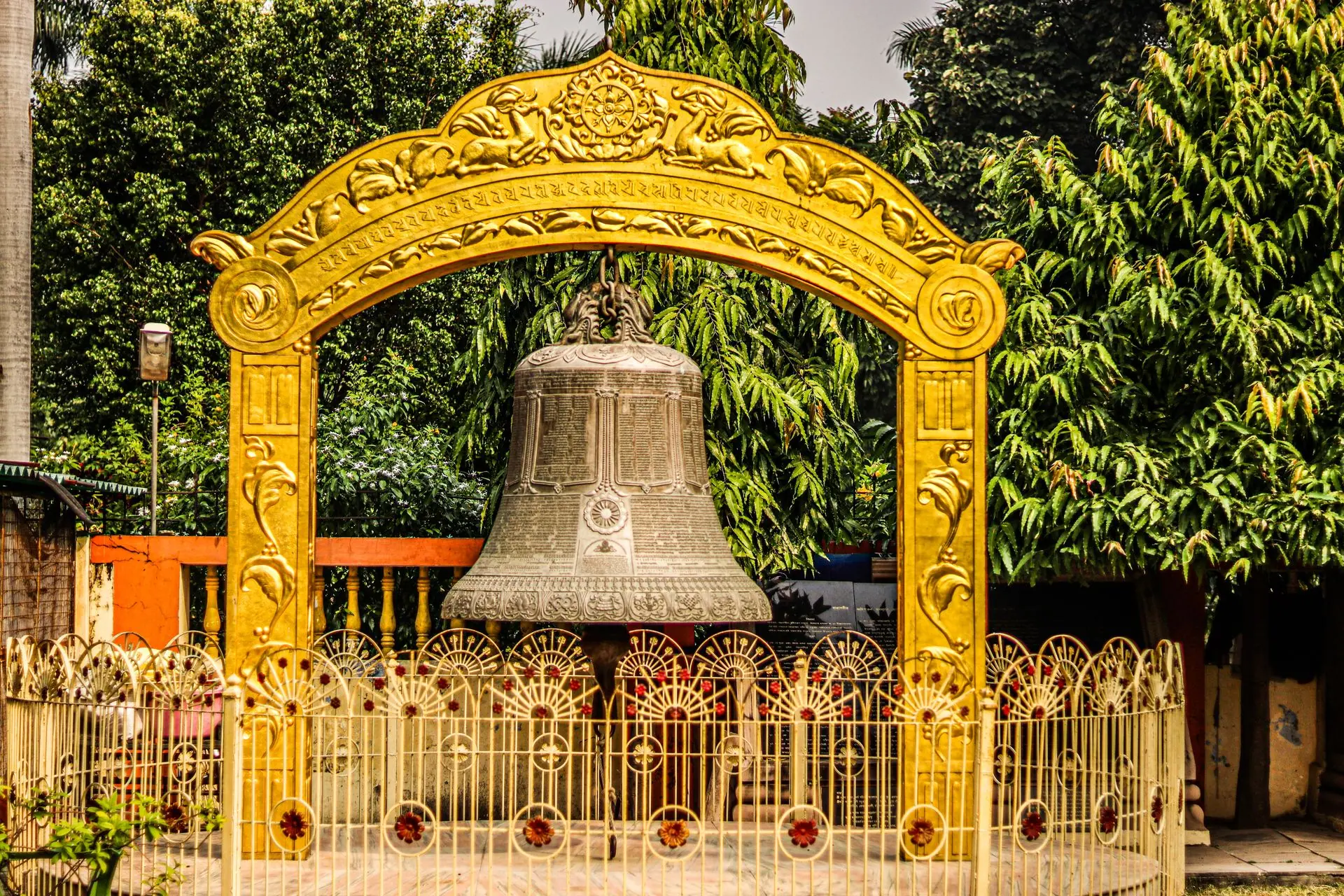
Tour package
Sarnath from Varanasi
Free cancellation
Price on request
View itinerary
Tour package
Varanasi photo tour
Free cancellation
Price on request
View itinerary
Tour package
Golden Triangle with Varanasi — 8 days
8 days / 7 nightsFree cancellation
Price on request
View itinerary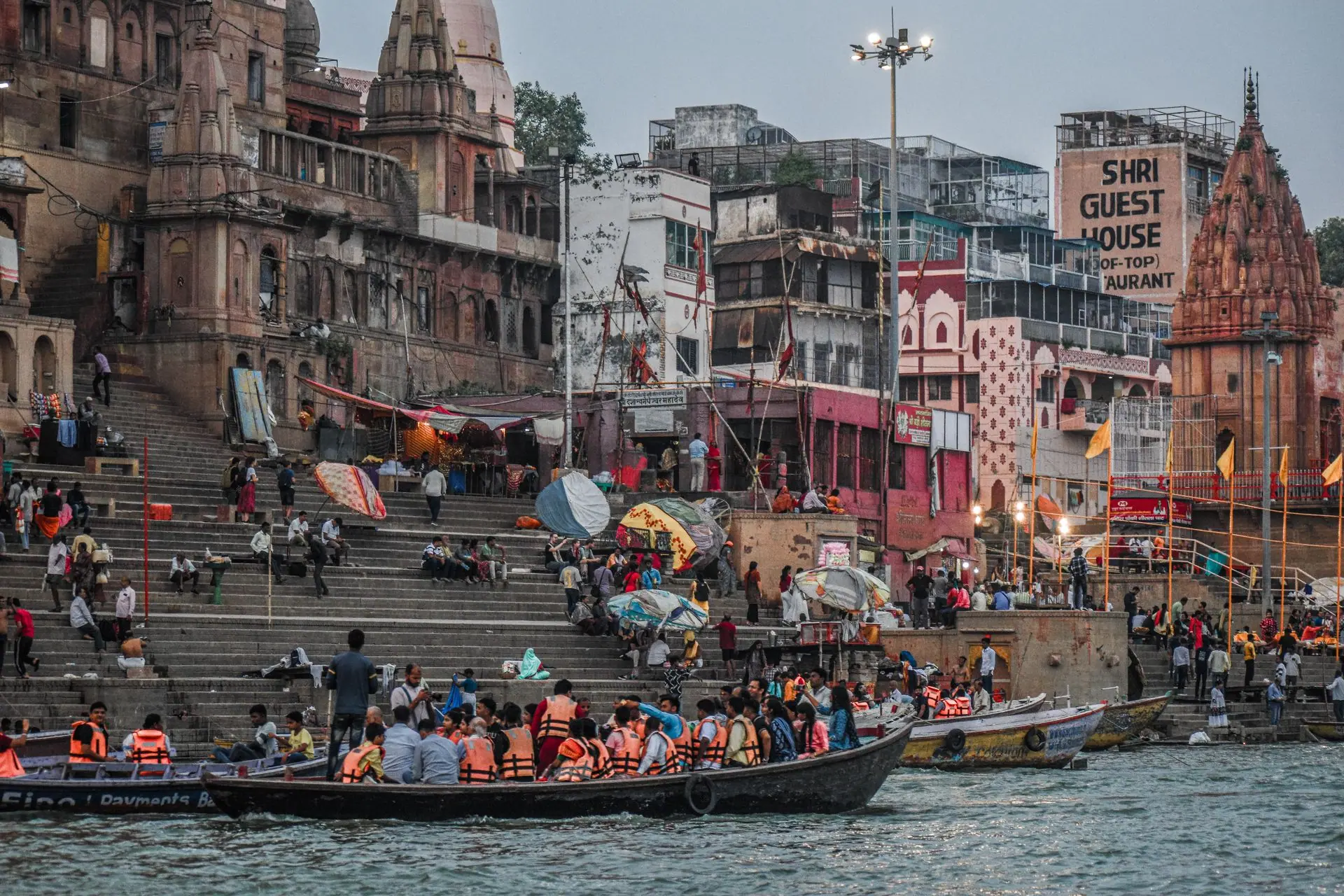
Tour package
Spiritual India — Varanasi and Rishikesh, 8 days
8 days / 7 nightsFree cancellation
Price on request
View itineraryExperiences in Varanasi
Culinary
Varanasi sweets walk
Free cancellation
Price on request
View details
Performing Arts
Varanasi classical music evening
Free cancellation
Price on request
View detailsRelated guides
Customer reviews
Experience My India is rated 4.3 on Tripadvisor. We publish guest reviews after each trip.
Why book with Experience My India
Government-approved operator
Approved by the Ministry of Tourism, Government of India
500+ vetted local guides
35+ destination specialists plan every trip by hand.
Human help, every day
Mon–Sun, 9:00 AM – 9:00 PM IST · +91 73022 65809
No payment until you approve
You receive a written quote first; nothing is charged to start planning.
Browse experiences by theme
See all
Wildlife Safaris
8 experiences
Heritage & Architecture
2 experiences
Beaches & Islands
5 experiences
Wellness & Ayurveda
1 experience
Yoga & Meditation
4 experiences
Trekking
2 experiences

Adventure
6 experiences
Culinary
5 experiences
Festivals
8 experiences
Performing Arts
5 experiences
Luxury Trains
4 experiences
Houseboats
3 experiences
Toy Trains & Railways
1 experience
Village & Tribal Tourism
2 experiences
Glamping & Desert
1 experience
Honeymoon & Romance
3 experiences
VIP & Luxury
2 experiences
Plan a trip
Tailor-made quote from a specialist