
Places in Kerala
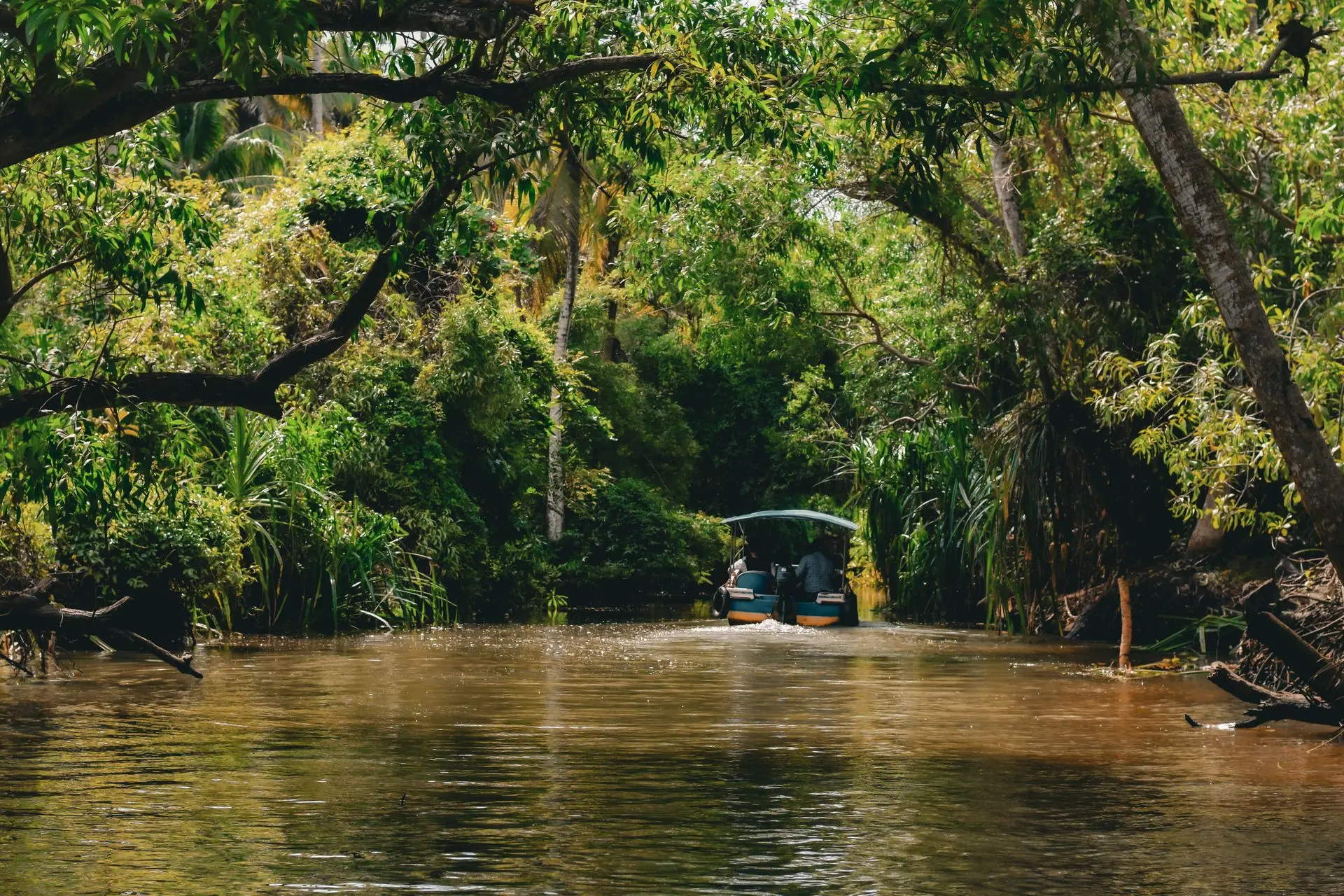
More things to do in Kerala
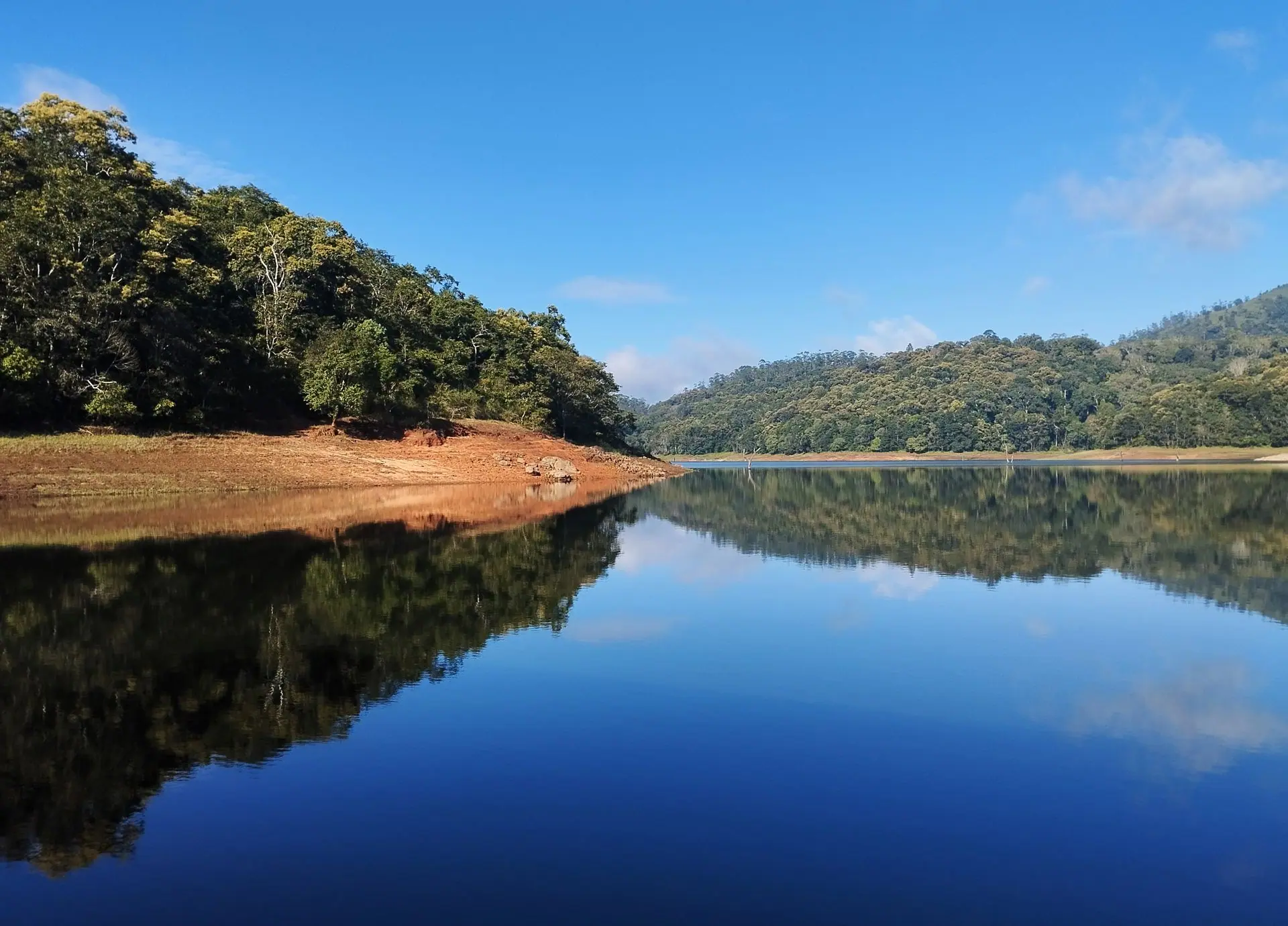
Periyar Tiger Reserve
Periyar boat safari, Thekkady
Price on request
View details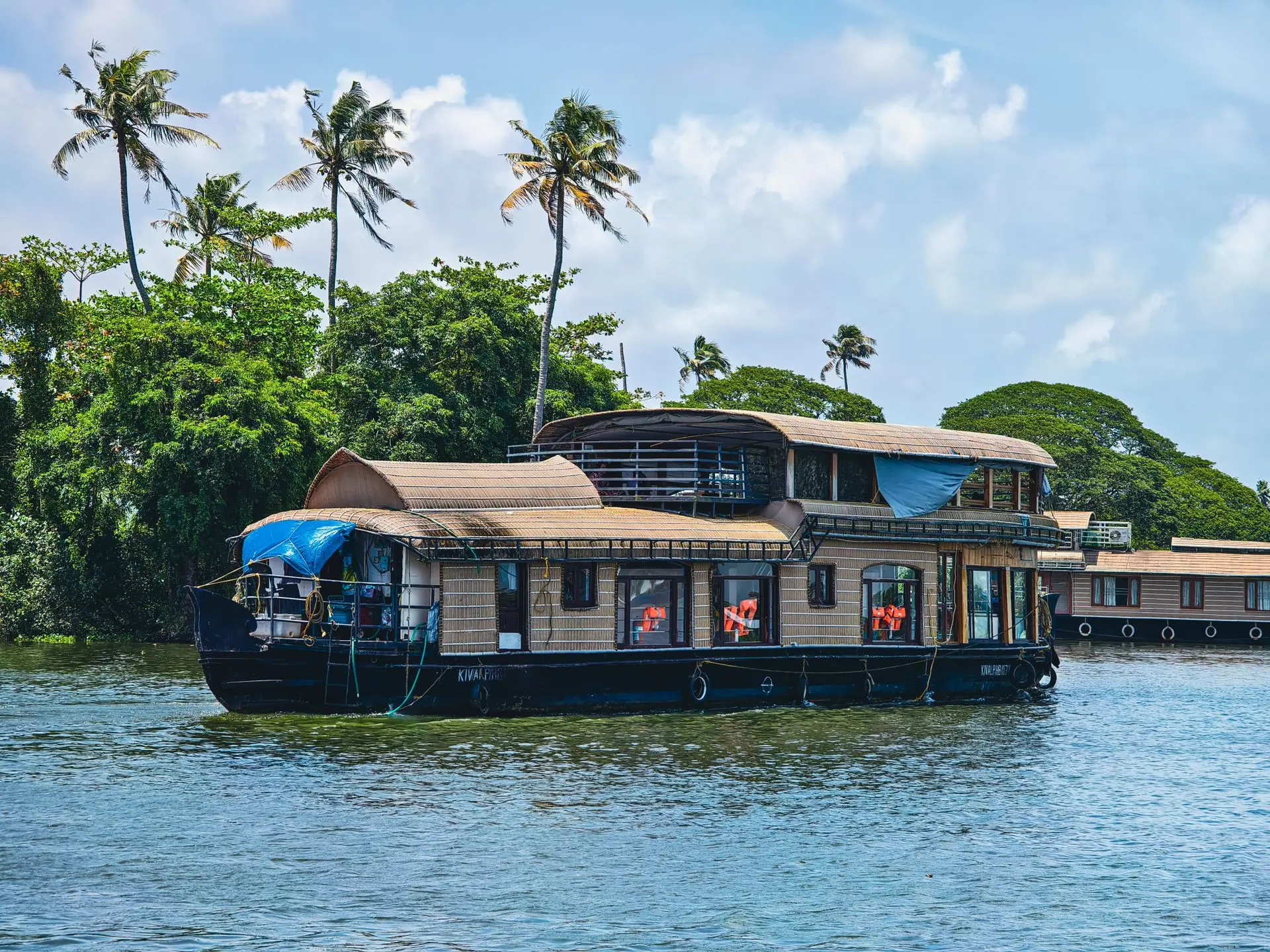
Alleppey (Alappuzha) Backwaters, Kerala
Alleppey houseboat cruise
Price on request
View details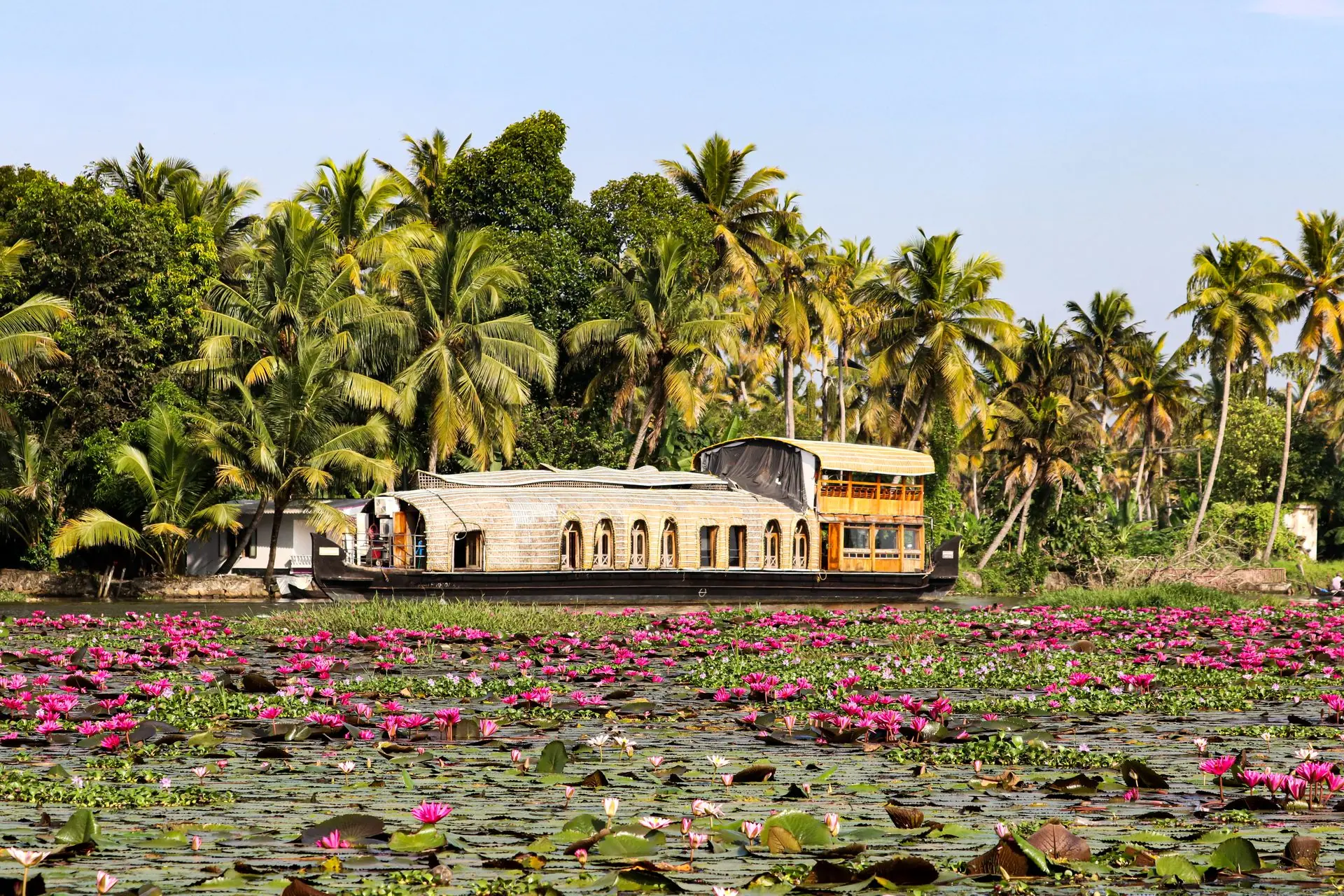
Kumarakom, Vembanad Lake, Kerala
Kumarakom backwater day cruise
Price on request
View details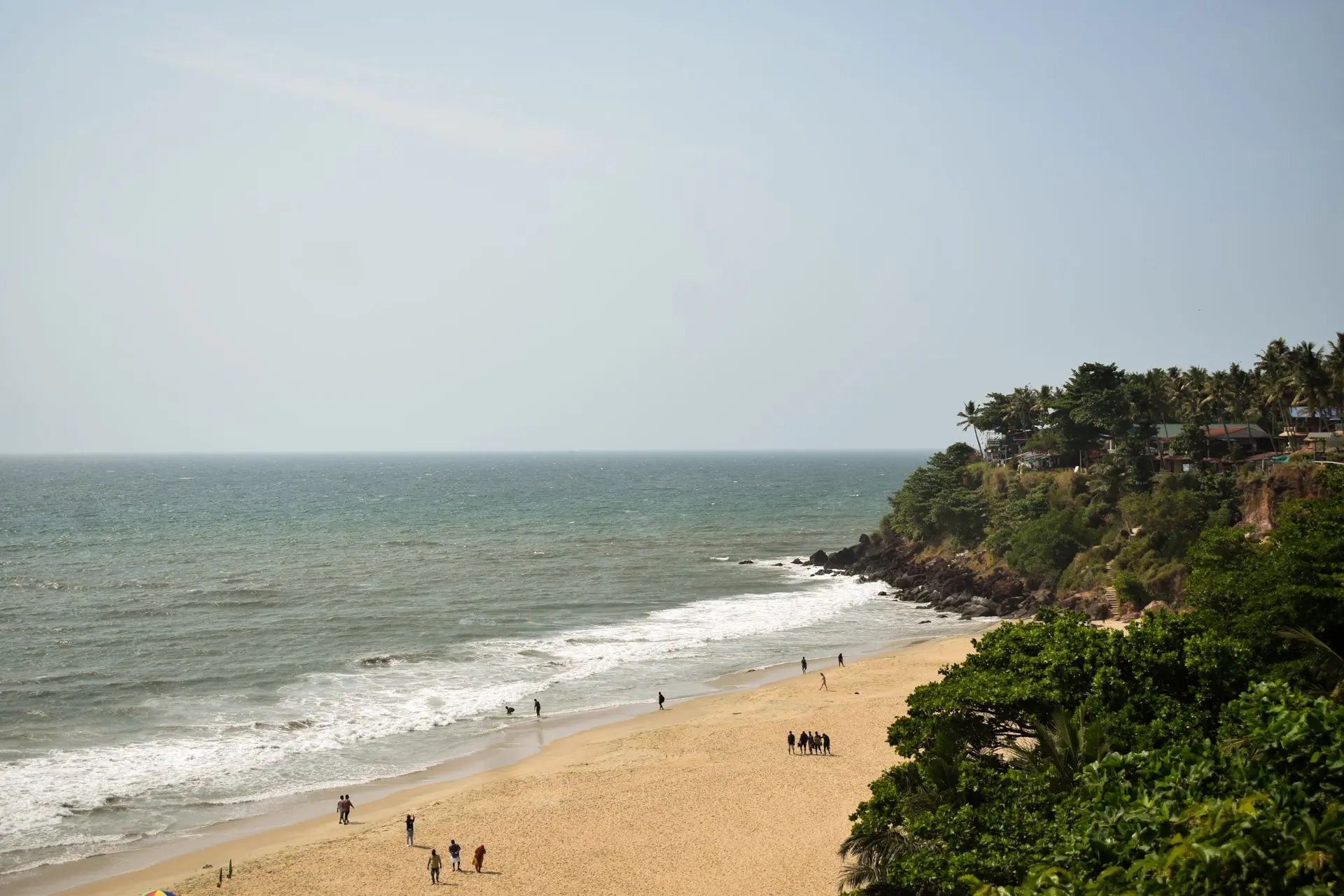
Varkala (Papanasam Beach), Kerala
Varkala cliff beach day
Price on request
View details
Kerala
Kerala Panchakarma retreat
Price on request
View details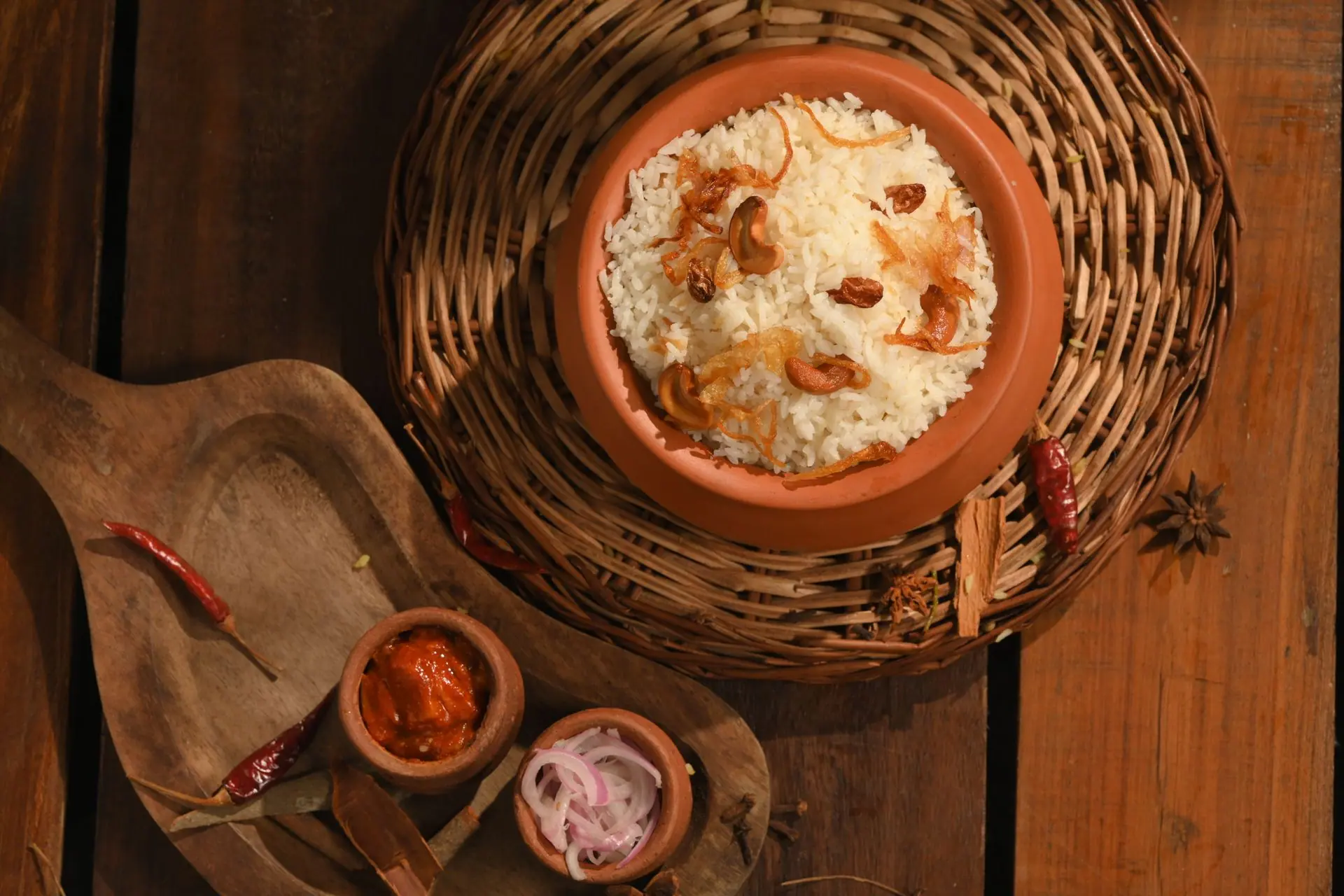
Kerala
Kerala sadya experience
Price on request
View details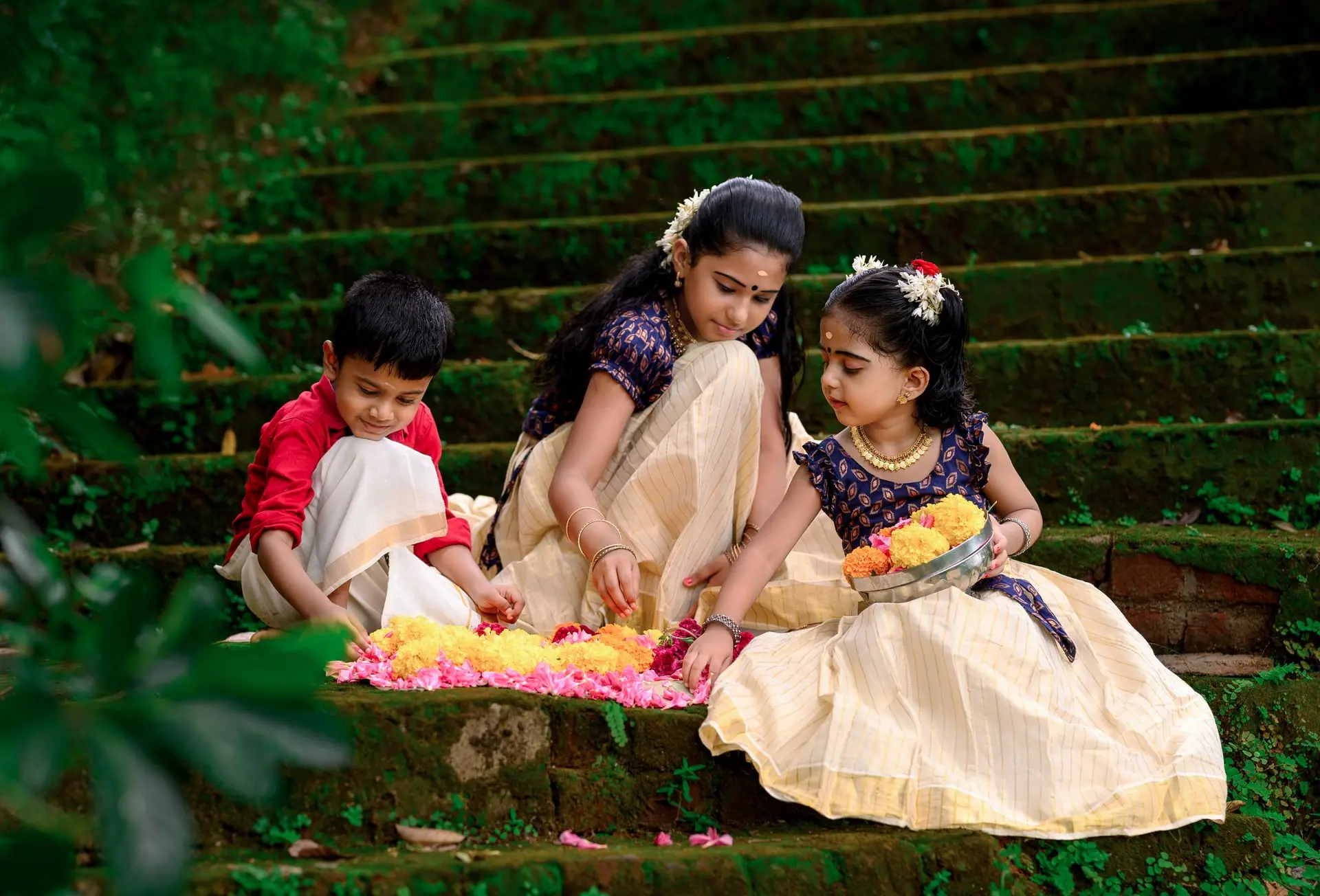
Kerala
Onam in Kerala
Price on request
View details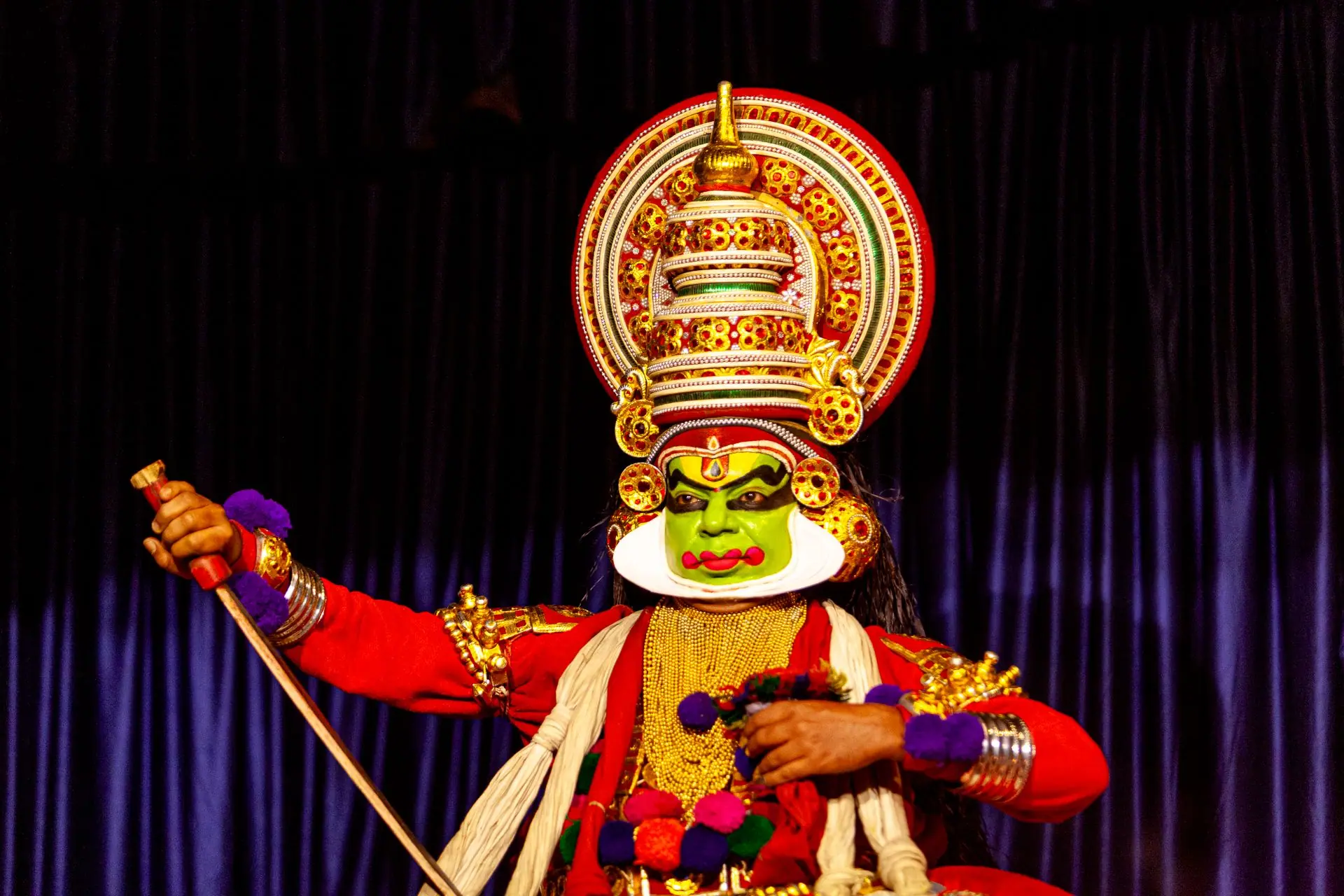
Kochi
Kathakali performance in Kochi
Price on request
View details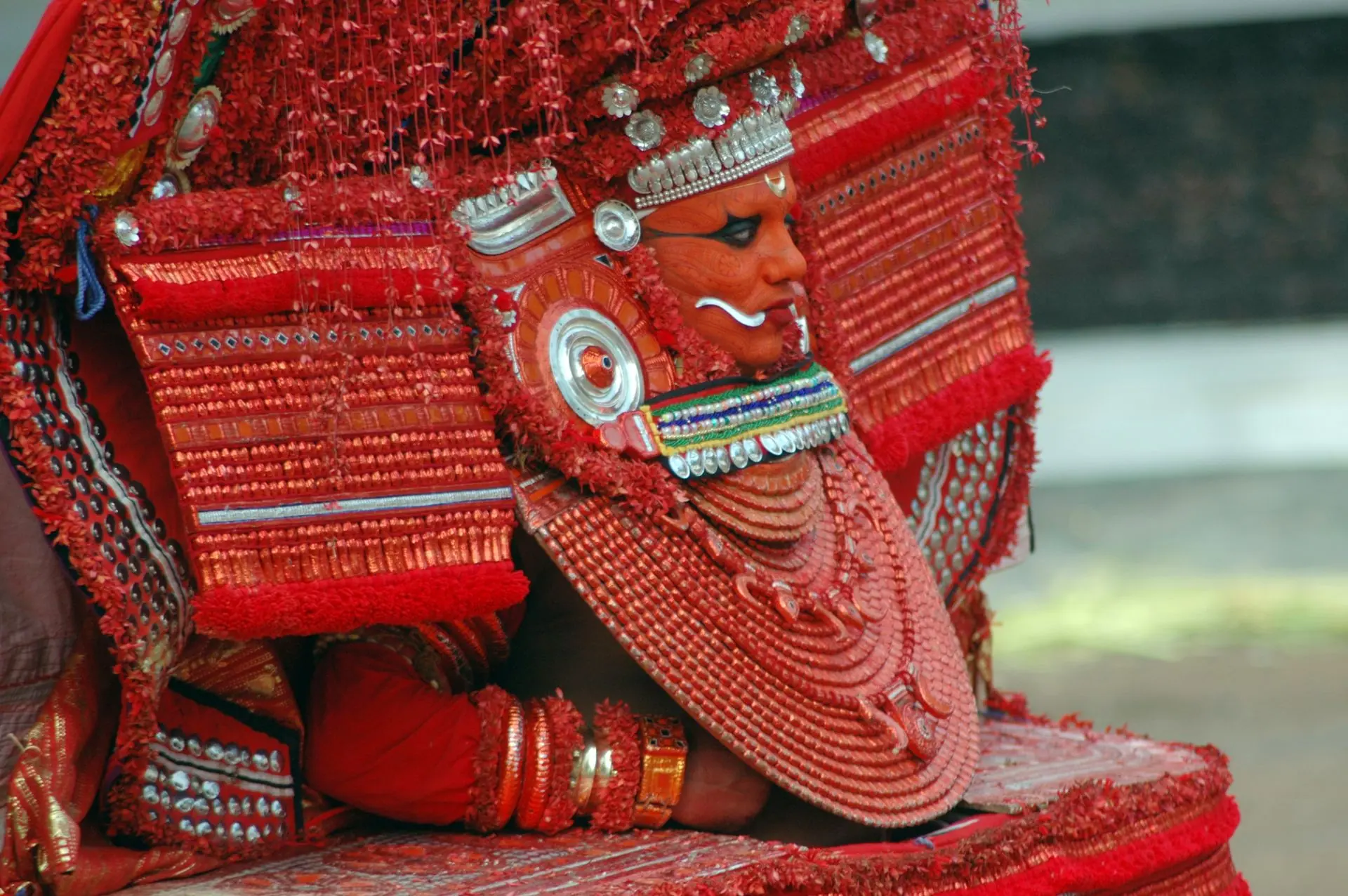
Theyyam, North Kerala
Theyyam ritual in Kerala
Price on request
View details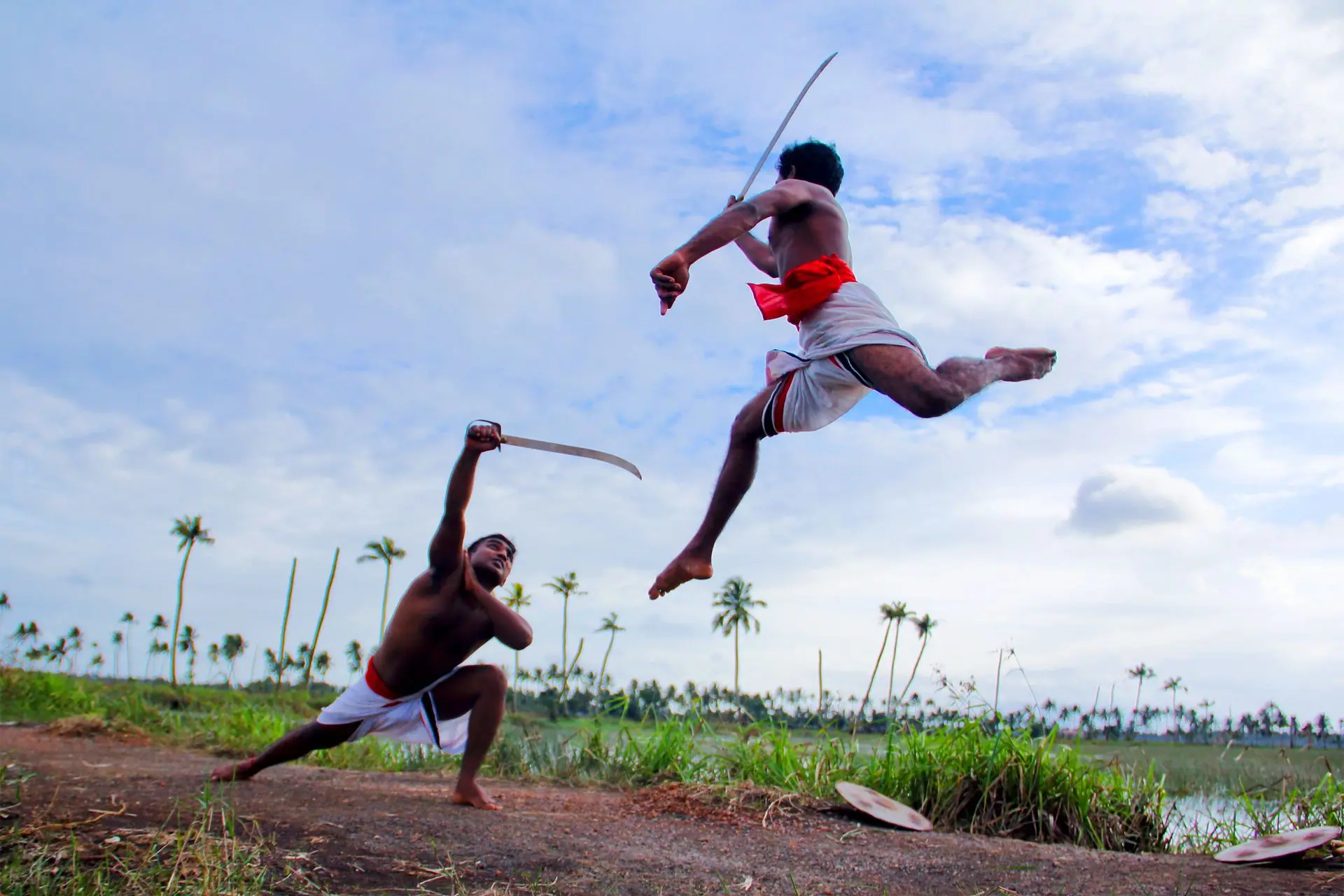
Kalaripayattu, Kerala
Kalaripayattu show, Kerala
Price on request
View details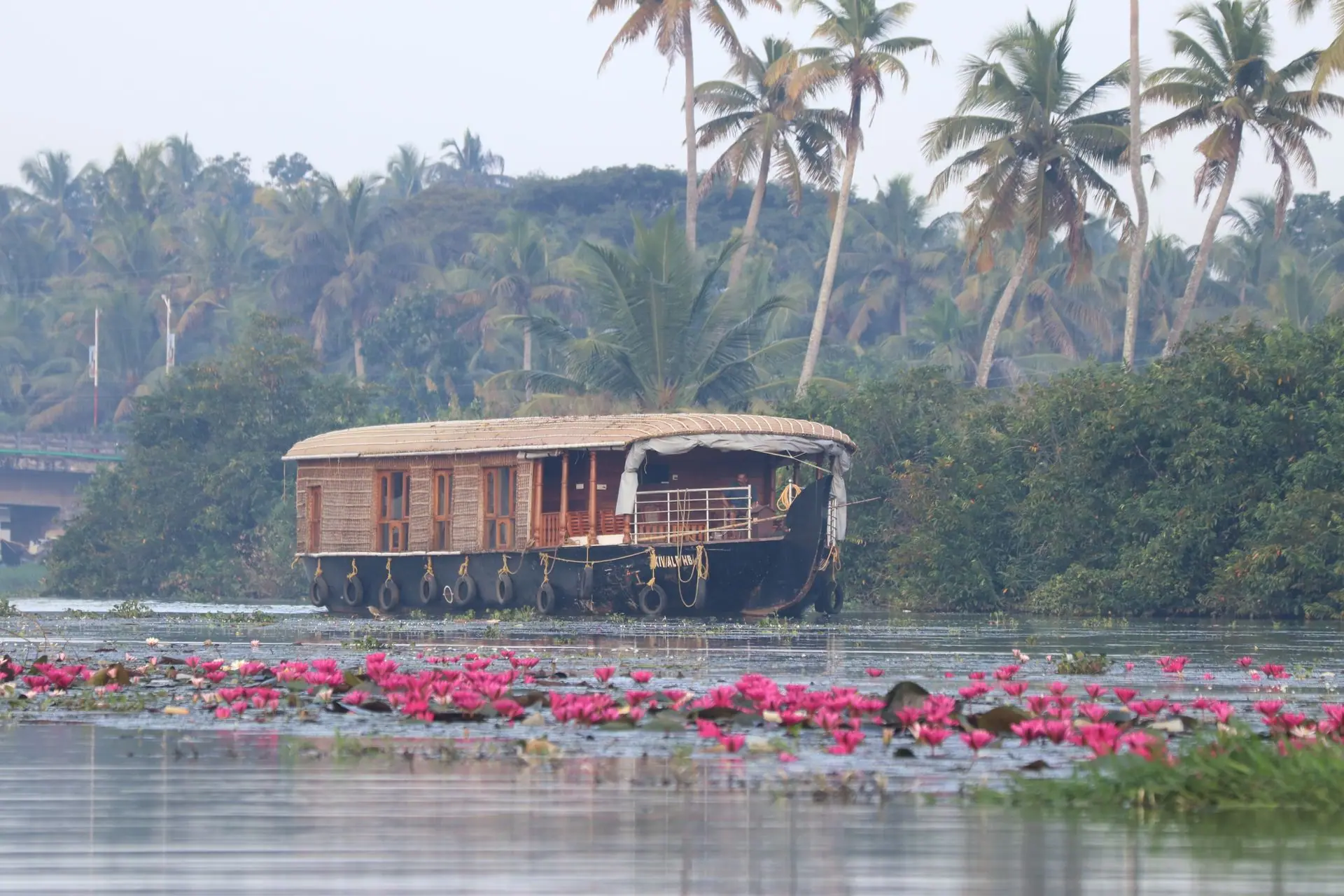
Kerala Backwaters
Kerala honeymoon houseboat
Price on request
View detailsHouseboats in other states
See all
Frequently asked questions
Are the houseboats in Kerala safe?
Kerala Tourism lists lifebuoys and firefighting equipment as mandatory, and boats graded by the Department of Tourism are inspected for safety equipment, staff training and whether the crew can swim. The backwaters are calm, the boat moves at walking pace, and on our overnight it usually moors for the night rather than cruising in the dark. Swimming from the boat is not part of the trip. Ask which grade a boat holds before you book.
How does Kerala grade its houseboats?
The state's Department of Tourism classifies houseboats as Silver, Gold or Diamond Vessel, Silver with the minimum facilities and Diamond the most, after an inspection committee checks the boat against a list covering construction and cabin sizes, furniture, staff training and swimming ability, the kitchen, safety equipment such as life buoys, fire buckets and first-aid kits, waste management and responsible tourism. A certificate lasts two years, and the grades replaced the older Silver Star, Gold Star and Green Palm.
Do houseboats sail at night?
Usually not. On our overnight cruise the boat threads village canals and crosses open water through the afternoon, then typically moors at a quiet spot on the backwaters for the evening rather than continuing after dark, and stays moored while you sleep. Next morning there is a short cruise back to the jetty after breakfast, usually ending by mid-to-late morning. The Kumarakom day cruise is back at its jetty the same day.
Are crew tips included on a houseboat cruise?
No. Tips for the crew are listed as not included on our Alleppey overnight, so carry some cash if you want to tip the helmsman and cooks at the end of the trip. The cruise does include the cabin for one night, every meal on board, the crew and your transfers to and from the jetty. For how tipping works in India generally, see our guide to money and tipping.
When is the best time to visit the Kumarakom Bird Sanctuary?
The Kottayam district administration gives June to August as the best time for watching birds at the sanctuary, which lies on the banks of Vembanad Lake, and November to February for migratory birds such as the Siberian stork, egrets, darters, herons and teal. Kerala Tourism also names June to August as the ideal time to visit. On our day cruise, early mornings and late afternoons are when the birds are most active.
How far are Alleppey and Kumarakom from Kochi?
The Alappuzha district administration puts Alappuzha 62 km south of Kochi, about an hour's drive on NH 66, and 82.8 km, about two hours, from Cochin International Airport. Kumarakom is about 14 km from Kottayam, and the Kottayam district gives the bird sanctuary as 74.3 km from Cochin International Airport. On our trips we bring you to the jetty as part of the wider Kerala route.
About Houseboats in Kerala
A Kerala houseboat is a kettuvallam, a traditional boat that once carried rice and spices, now fitted with cabins and a crew. We offer two ways onto Vembanad Lake: an overnight Alleppey cruise, boarding around midday with meals cooked on board, and a Kumarakom day cruise with no cabin, usually with a bird sanctuary stop. The night suits a slow trip, the day a route without a spare night.
Reviewed by Experience My India Editorial Team
How to choose: a night at Alleppey or a day at Kumarakom
The Alleppey houseboat cruise is the full version: about 20 to 22 hours aboard, from boarding around midday to a mid-to-late-morning return, with a cabin, a crew of two or three, and lunch, dinner and breakfast cooked in the boat's galley. Cabins run from a simple fan-cooled room with its own bathroom on a standard boat to a private air-conditioned cabin with better fittings on a deluxe boat.
The Kumarakom backwater day cruise covers the same lake in half a day or a full day on a smaller boat, with no cabin and no night aboard. Kumarakom, which Kerala Tourism describes as a cluster of little islands on Vembanad Lake, is known for its bird sanctuary, and the cruise usually stops at or near it, from the boat or on foot depending on the water level. Meals are not included unless arranged.
Take the night if time on the water is the point of the trip; take the day if your route has no spare night, or as a second look at the lake from a different base. Couples who want the whole boat to themselves can book our Kerala honeymoon houseboat, a private charter, and anyone after a premium boat our luxury houseboat charter.
What to expect
Kerala Tourism describes the kettuvallam as planks of jack-wood joined with coir and coated with a black resin of boiled cashew kernels, under a thatched roof. The boat moves at walking pace through village canals and out onto Vembanad, which Alappuzha's District Tourism Promotion Council calls the largest lake in Kerala. From the deck you pass houses, temples and churches on the banks, coir-making, toddy-tappers and paddy fields lying below the water: in R-Block, one area of land reclaimed from the backwaters and ringed by dikes, the Alappuzha district administration notes farming and homes four to ten feet below sea level.
On the overnight, lunch is typically a Kerala meal of rice, fish or chicken curry, vegetable sides and sambar. The boat usually moors at a quiet spot for the evening rather than cruising after dark, dinner is served on the deck, and it stays moored while you sleep, with sunrise and breakfast before a short cruise back to the jetty. Mobile signal can be patchy, and swimming is not part of either trip.
When to go
October is one of Kerala's wettest months. The India Meteorological Department's normals for Alappuzha give October 349.7 mm of rain, more than September's 301.7 mm and close to August's 356.3 mm, with November still at 188.9 mm; December to March is the dry stretch, under 55 mm a month. Kottayam, about 14 km from Kumarakom, has the same pattern: 329.8 mm in October against 270.9 mm in September. For Kerala as a whole, IMD gives October 303 mm, again more than September's 259.5 mm.
The boats run all year. On the overnight, heavy rain from June to September can cut the time you spend on the open deck; at Kumarakom, the monsoon brings higher water, greener scenery and a greater chance of disruption. For dry weather, travel between December and March, and allow for rain in October and November.
Rules and practical points
- Kerala Tourism lists firefighting equipment and lifebuoys as mandatory on houseboats, and the state grades the boats it inspects (see the questions below).
- On the overnight, tips for the crew and any alcohol beyond what is arranged in advance are not included; vegetarian and other diets are cooked for when you flag them in advance.
- Families generally manage the overnight well, as the rooftop deck gives children room to move; tell us their ages so we can choose a boat with a suitable layout.
- At Kumarakom, bring binoculars if birds are a priority and set out early, when birds are more active and the water calmer; the sanctuary's entry is not included.
- Transfers to and from the jetties are part of your wider Kerala itinerary. For all our trips in the state, see Kerala tours and experiences.
Plan a trip
Tailor-made quote from a specialist