
Places in Kerala
All 2 experiences in Kerala
Theyyam ritual in Kerala 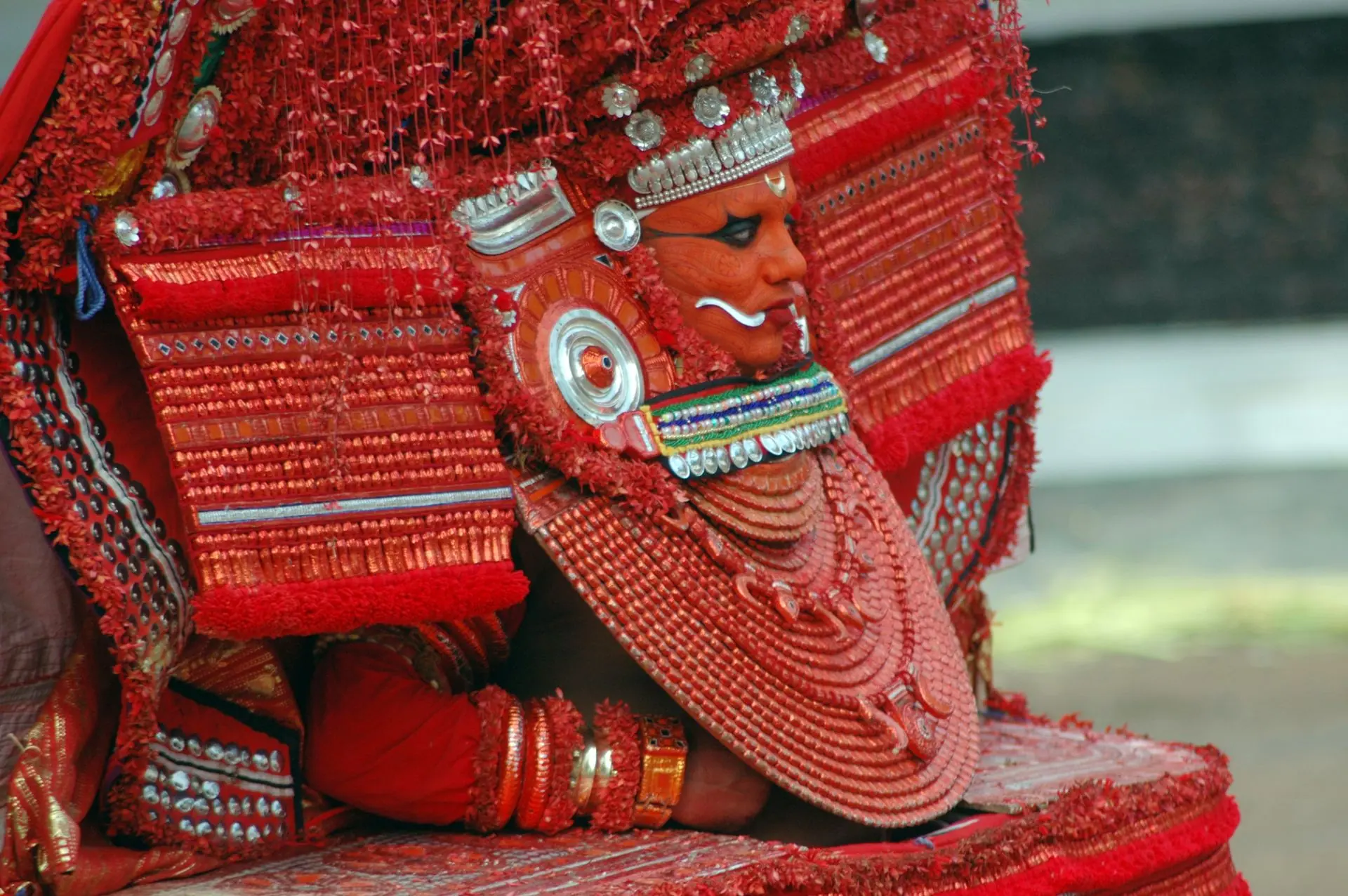
Theyyam, North Kerala
Theyyam ritual in Kerala
Price on request
View detailsKalaripayattu show, Kerala 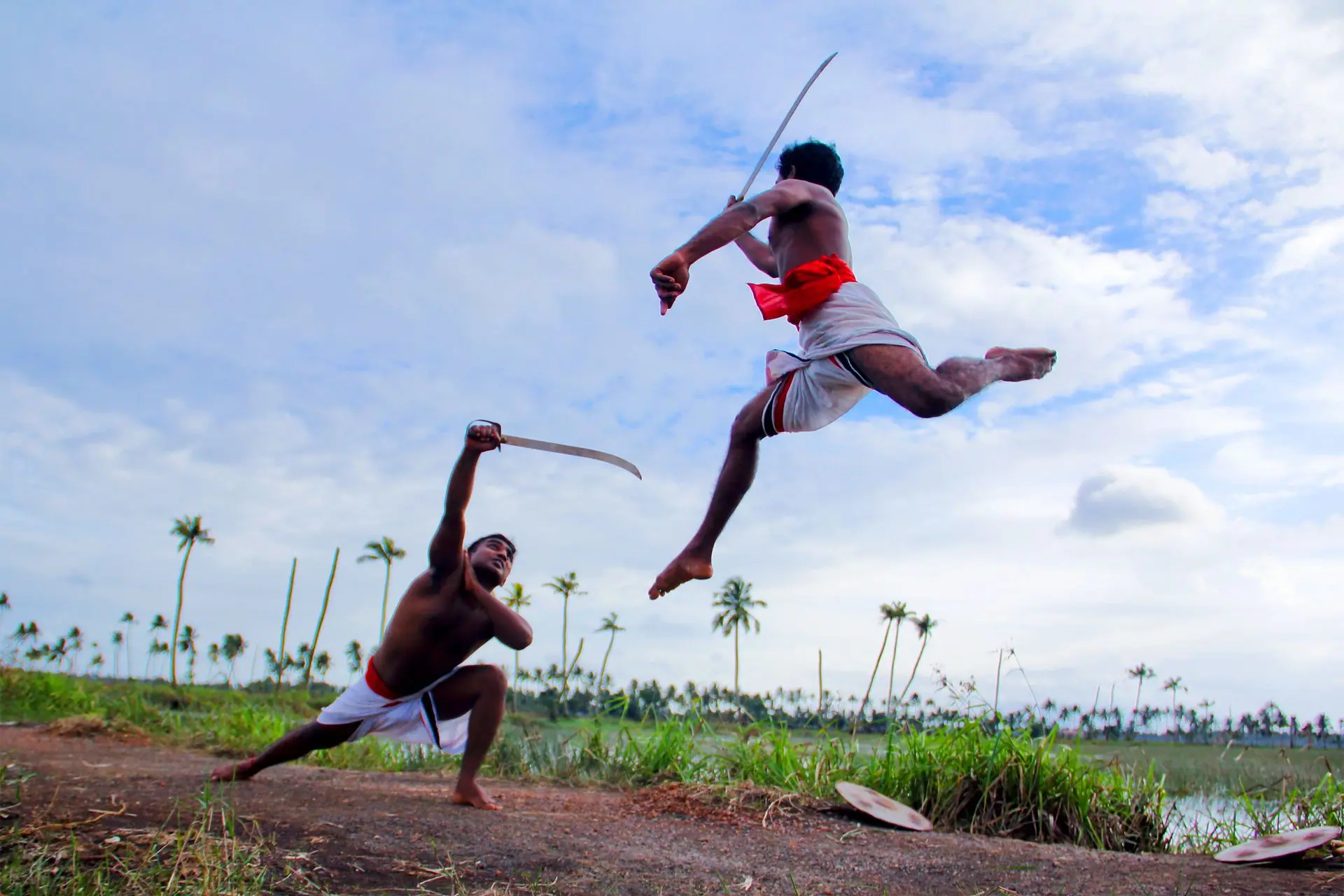
Kalaripayattu, Kerala
Kalaripayattu show, Kerala
Price on request
View details
More things to do in Kerala
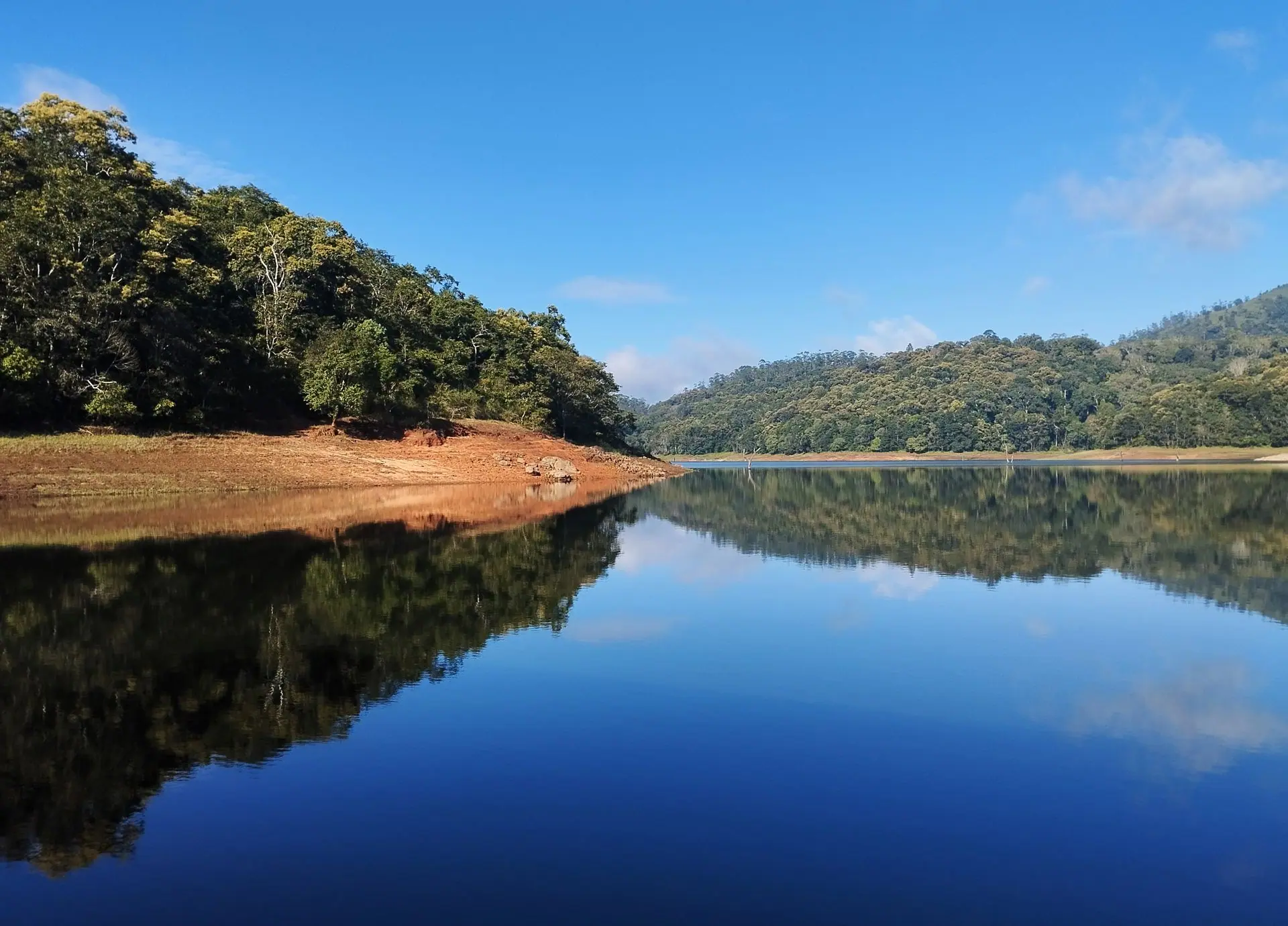
Periyar Tiger Reserve
Periyar boat safari, Thekkady
Price on request
View details
Alleppey (Alappuzha) Backwaters, Kerala
Alleppey houseboat cruise
Price on request
View details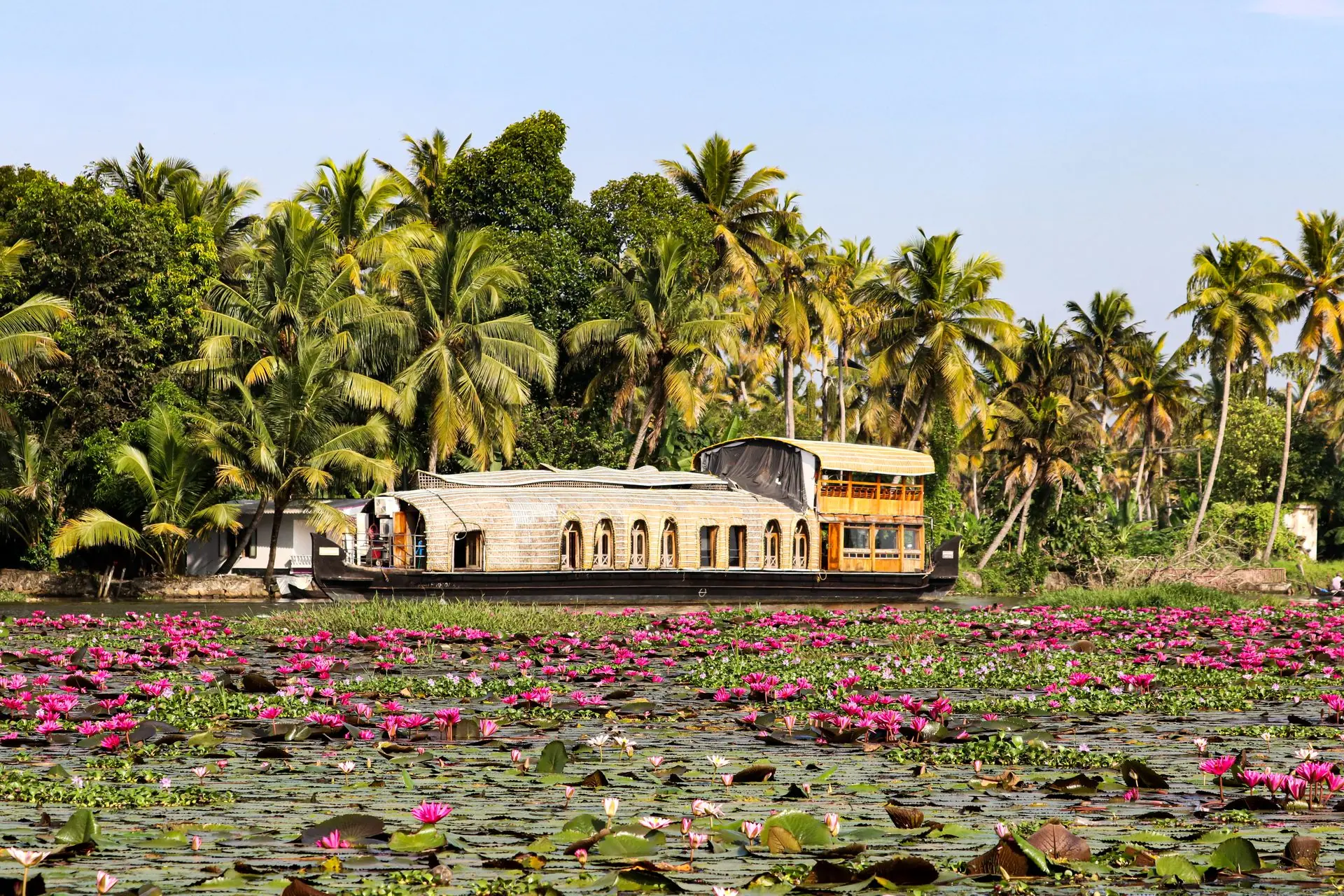
Kumarakom, Vembanad Lake, Kerala
Kumarakom backwater day cruise
Price on request
View details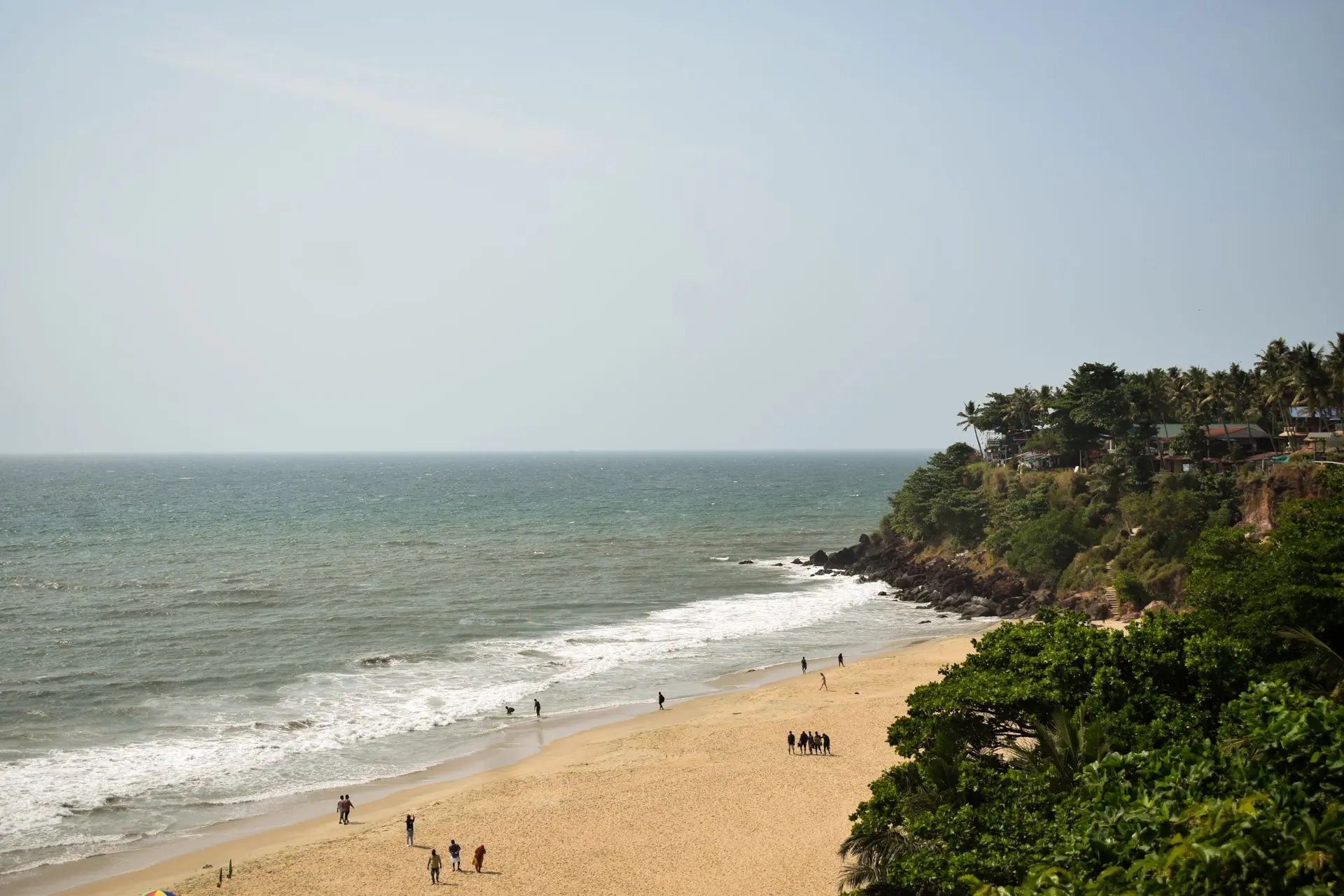
Varkala (Papanasam Beach), Kerala
Varkala cliff beach day
Price on request
View details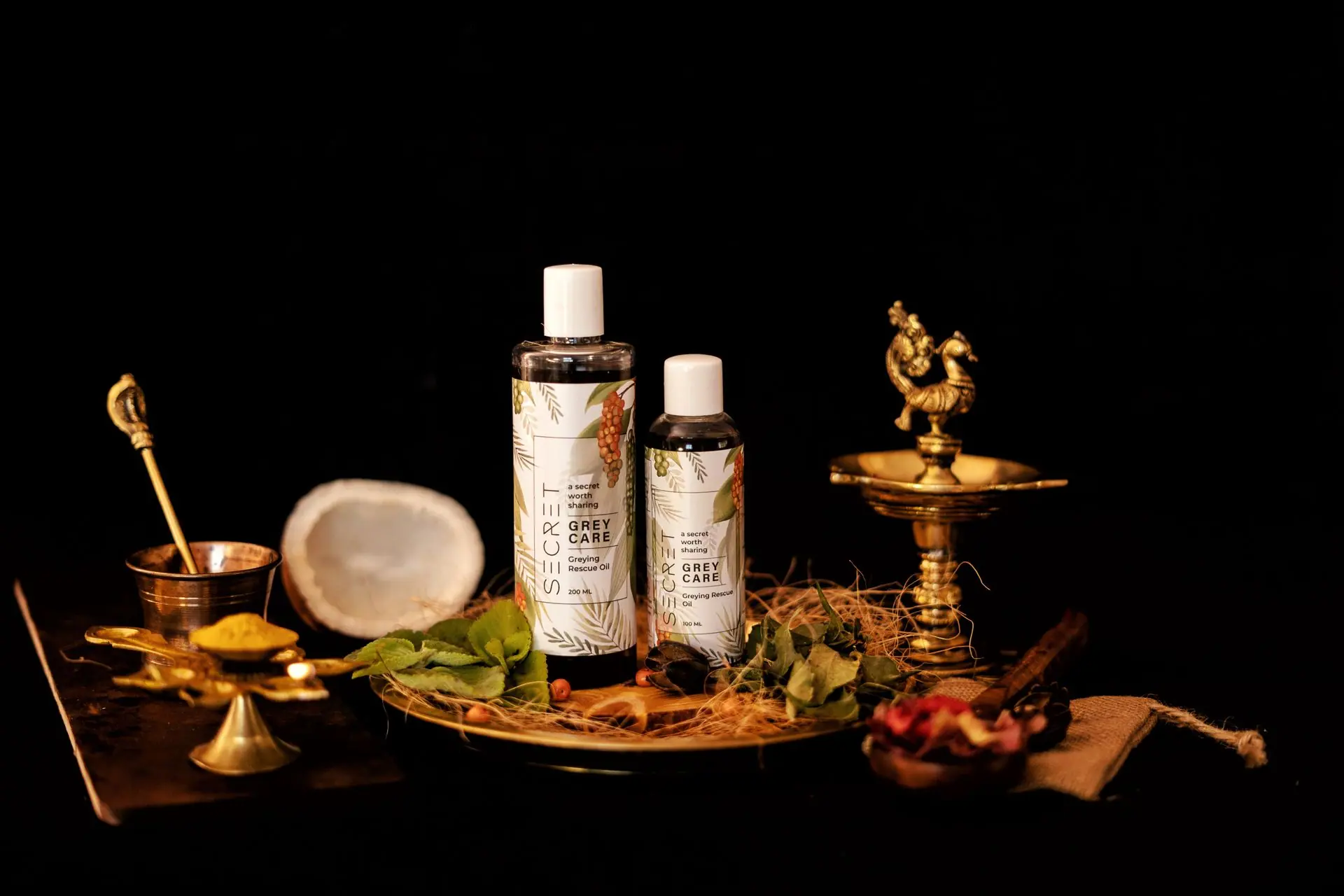
Kerala
Kerala Panchakarma retreat
Price on request
View details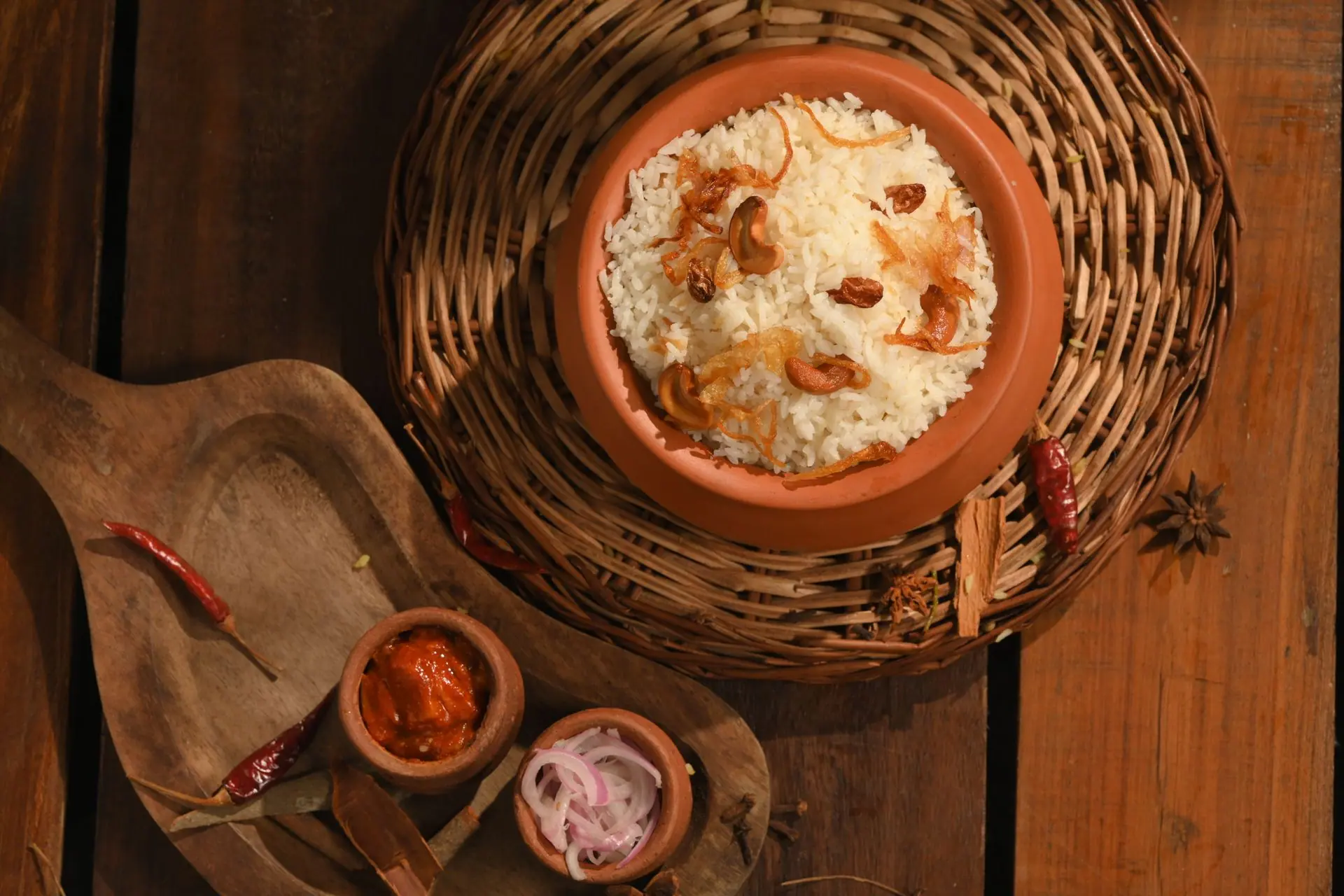
Kerala
Kerala sadya experience
Price on request
View details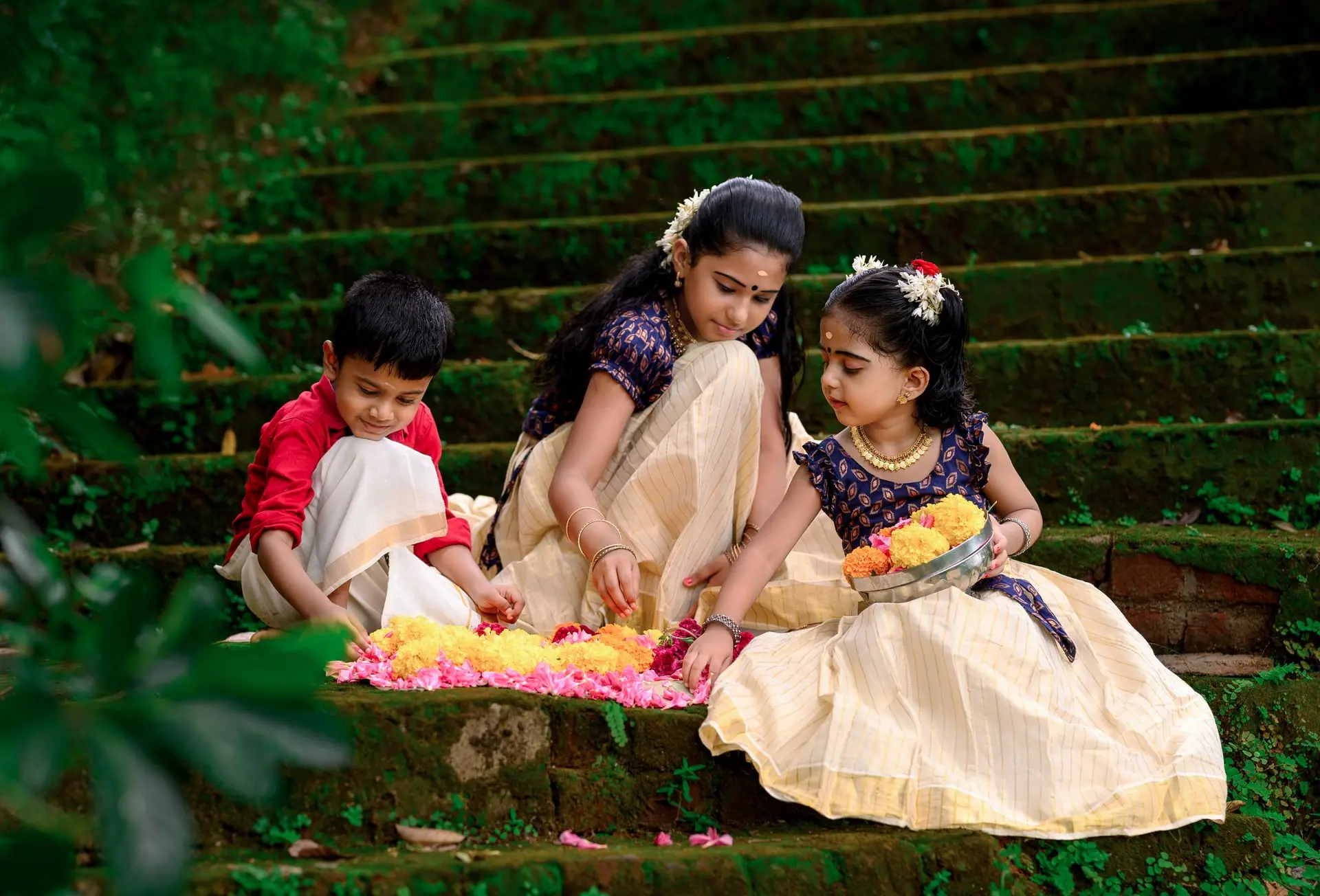
Kerala
Onam in Kerala
Price on request
View details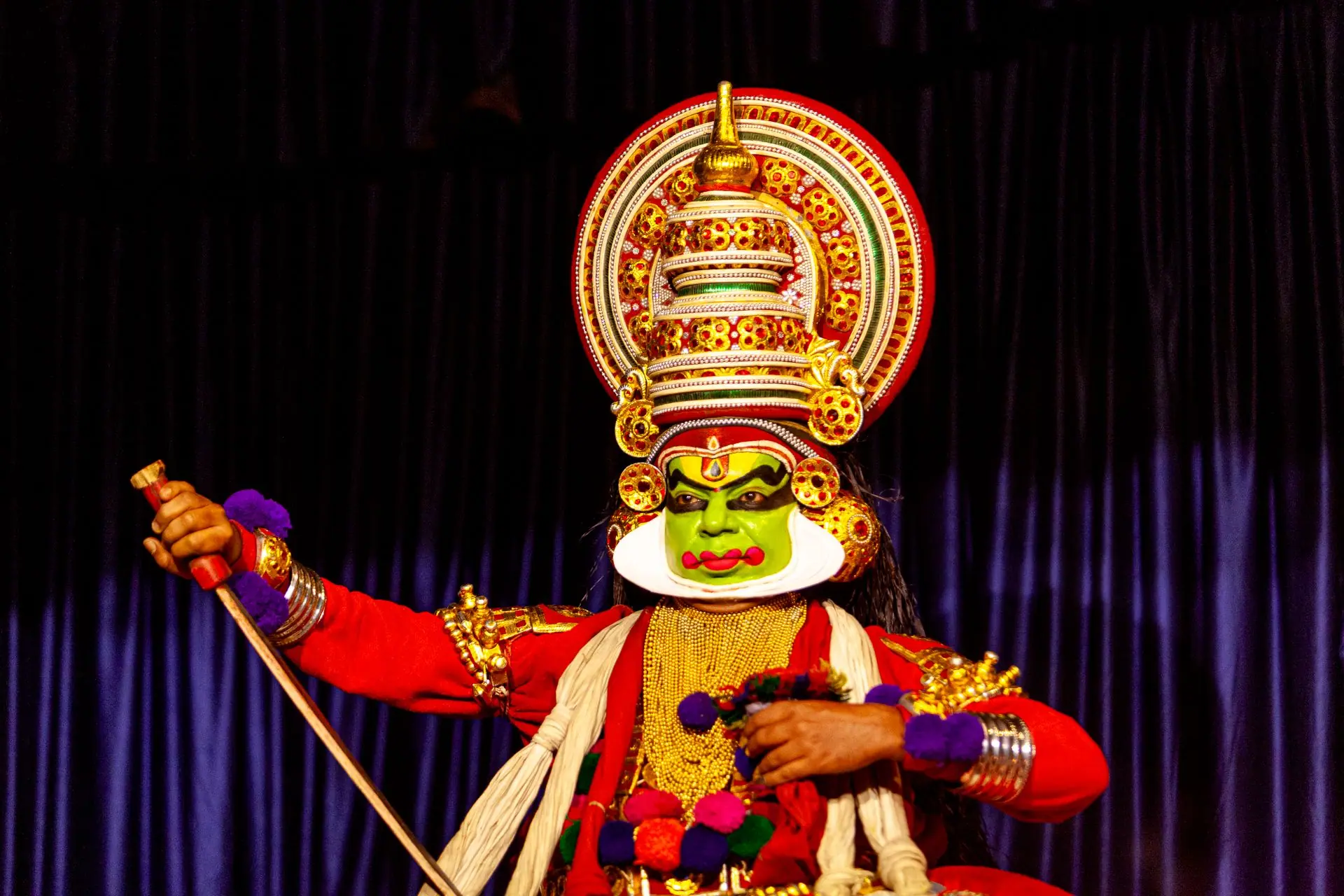
Kochi
Kathakali performance in Kochi
Price on request
View details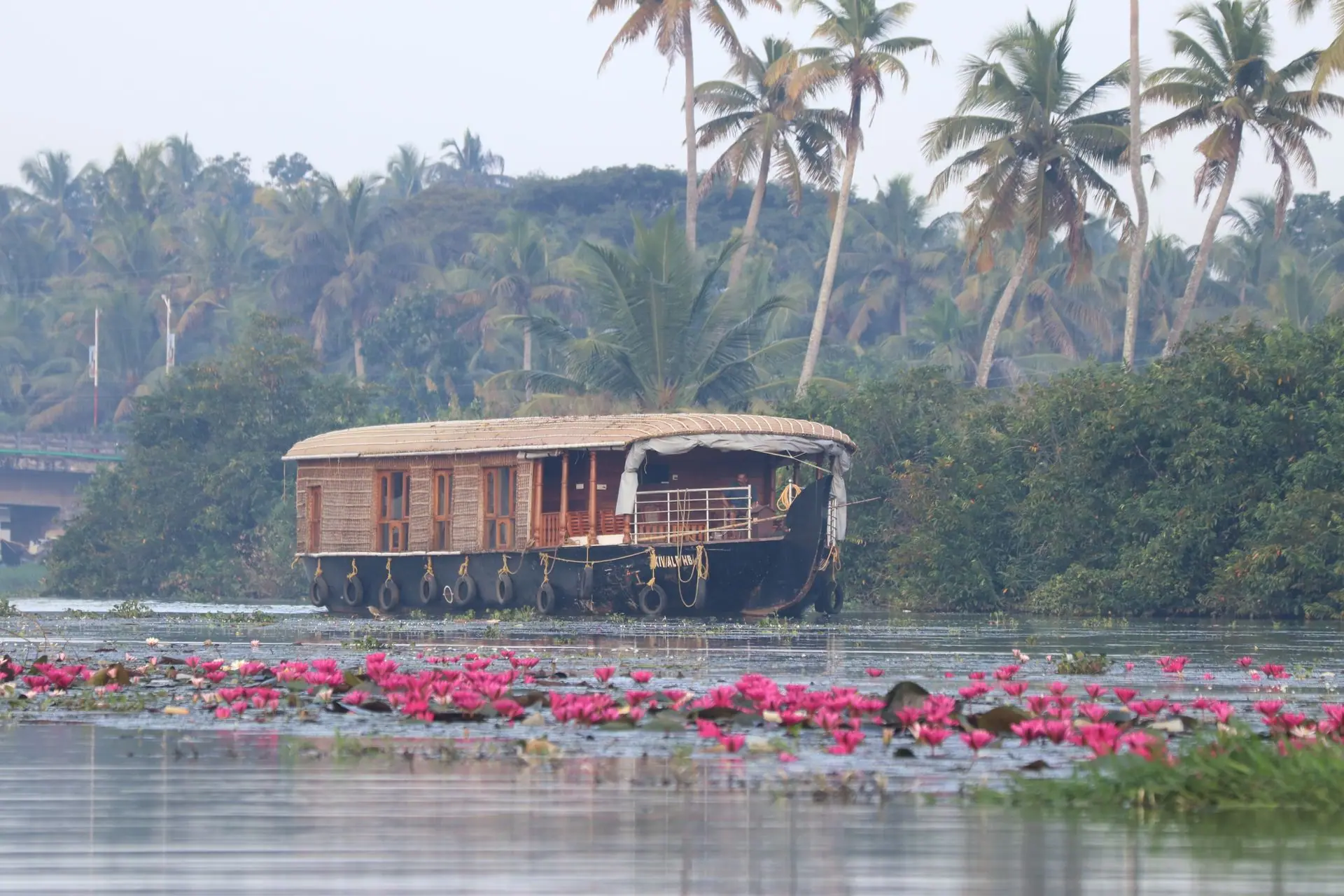
Kerala Backwaters
Kerala honeymoon houseboat
Price on request
View detailsPerforming Arts in other states
See all
Frequently asked questions
Which of Kerala's art forms can I see on a short trip?
Kathakali and Kalaripayattu, which both run year-round. Our Kathakali evening in Kochi takes about two to two and a half hours with the make-up, and the Kalaripayattu demonstration about an hour plus travel, in Kochi or Thiruvananthapuram, so both fit a short Kochi stay, on one evening or two. Theyyam asks more of your plans: time in North Kerala and dates that match a shrine's own calendar.
Is Kathakali a dance or a play?
Both. Kerala Tourism calls it a dance-drama: performers tell stories from the Ramayana and the Mahabharata through stylised acting, dance, hand gestures and facial expressions, to percussion and singing. It was traditionally performed through the night, and today it is often staged for a few hours. Our Kochi evening shows a narrated excerpt after the make-up, so you can follow the story without knowing it beforehand.
What does the green face in Kathakali mean?
It marks the kind of character. Kerala Tourism lists five types of vesham, the character make-up and costume: pacha, kathi, kari, thadi and minukku. Pacha, the mainly green face, is for heroic, noble and generous characters, the green signifying purity. At our Kochi evening the painting is done before the performance, in front of the audience and with commentary, and photographs are usually allowed while it happens.
Where in Kerala is Theyyam performed?
In North Malabar. Kerala Tourism names Kannur and Kasaragod above all, with performances at kavus, the shrines and sacred groves, and at ancestral houses, and also mentions Wayanad and the Vadakara and Koyilandy areas of Kozhikode. Our Theyyam experience checks which shrines near your route hold a performance during your dates, and a guide who knows the temple calendar takes you there.
Can visitors take part in a Theyyam?
Visitors are welcome to watch, not to join in. Kerala Tourism says active participation in the rituals is generally reserved for trained performers and members of the community, given their sacred nature. On our Theyyam experience your guide shows you where to stand and when photographs are acceptable, and explains the ritual as it unfolds. Any offering you make at the shrine is your own choice and not part of the booking.
What is a kalari?
The place where Kalaripayattu is practised: Kerala Tourism explains that the word means the training centre. Its traditional form, the kuzhi kalari or pit arena, is a rectangular pit dug six feet into the ground, with a compacted mud floor, a thatched roof and steps down from an entrance on the east. Training moves through four stages, from body-control exercises to wooden weapons, metal weapons and finally bare hands. Our demonstration is held in a traditional training pit.
Can I see Kathakali being taught?
Yes, at Kerala Kalamandalam in Cheruthuruthy, Thrissur district, a deemed university for art and culture that teaches Kathakali alongside Kutiyattam, Mohiniyattam and Thullal. On working days it runs a morning programme for visitors, A Day With the Masters: a guided tour of the campus during which you can watch classes in progress, without disturbing them. Visits are booked through Kalamandalam's own request form.
About Performing Arts in Kerala
Three Kerala art forms to watch: a Kathakali evening in Kochi that starts with the make-up, a Kalaripayattu demonstration in a kalari in Kochi or Thiruvananthapuram, and a Theyyam ritual at a shrine in North Kerala. Kathakali and Kalaripayattu run all year and suit families; Theyyam is worship on the shrine's own calendar, for travellers with flexible dates. Each includes a private guide and vehicle.
Reviewed by Experience My India Editorial Team
How to choose between Kathakali, Kalaripayattu and Theyyam
Start with how fixed your dates are. The Kathakali performance in Kochi is the easiest to fit in: an evening of about two to two and a half hours, the make-up demonstration included, held year-round and narrated for visitors, so you need no knowledge of the stories. Kerala Tourism describes Kathakali as a dance-drama believed to have taken shape in the 17th century, telling stories from the Ramayana and the Mahabharata through stylised acting, hand gestures and facial expressions.
A Kalaripayattu show demonstrates a martial art, not one of the Kerala dance forms, and Kerala Tourism counts Kalaripayattu among the most ancient martial traditions in the world. Ours lasts about an hour, plus travel, with forms, sparring and weapons work by trained practitioners in a traditional training pit in Kochi or Thiruvananthapuram. It suits anyone drawn to martial arts or movement, and children often find its physicality engaging.
The Theyyam ritual is of another kind: worship at village shrines in North Kerala, on dates each shrine sets, often lasting hours and sometimes running through the night. It cannot be booked like a show, so it suits travellers with a serious interest in Kerala's living ritual culture who can tell us their dates early and keep them flexible. If your time is short, choose Kathakali, Kalaripayattu or both in Kochi; if Theyyam matters most, build the trip around the shrines' dates in the north.
What to expect
At the Kathakali evening, seating opens before the performance so you can watch the face painting, with commentary. A short introduction explains the story, the characters and the gestures, then an excerpted scene is danced and mimed to live percussion and singing; Kerala Tourism names the chenda, maddalam, chengila and ilathalam as its main percussion instruments. Some venues let you take photographs with the performers, still in costume, after the show.
The Kalaripayattu demonstration begins with a short account of the art's history and training, followed by forms, sparring and weapons work: sword and shield, spear and the flexible urumi among them. The weapons are real and the movement is fast, so front-row seats can feel close. Some venues let you look at the training weapons and the kalari afterwards.
For Theyyam, your guide takes you to a rural shrine, shows you where to stand at the edge of the gathering and explains what is happening as the ritual unfolds. Kerala Tourism notes that the name comes from daivam, meaning god or divine force, and that the performer is called the kolam. A ritual has no fixed end time, so you leave at a sensible point once you have seen it.
When to go
Kathakali and Kalaripayattu run year-round. Theyyam does not: Kerala Tourism's pages give its season as mid-October to late May in one place and as December to April in another, and each shrine fixes its dates by the Malayalam calendar. Kerala Tourism publishes a Theyyam calendar but warns that dates can change, so we check the shrines near your route once we know your travel window. For the weather month by month, see the best time to visit Kerala.
Etiquette and practical points
- Theyyam is worship, not a show: follow your guide on photography and where to stand, dress modestly, and expect a long evening in a rural setting.
- Arrive on time for the Kathakali make-up, which is easy to miss if you come only for the performance. Photography is usually allowed while the make-up is applied; the venue sets the rules for the performance itself.
- At Kalaripayattu, photography is usually permitted, but check the venue's rules on the day.
- The two Kochi shows can share a stay, on one evening or across two. For the city, read our Kochi travel guide; for the state, the Kerala travel guide; for performances elsewhere, performing arts across India.
Plan a trip
Tailor-made quote from a specialist