
Kasol Travel Guide: The Parvati Valley, Treks and Planning
Kasol is a village on the Parvati river in Kullu district, Himachal Pradesh, which Himachal Tourism calls a popular hub for domestic and foreign visitors. The places to visit around Kasol are the hot spring and gurdwara at Manikaran, the village of Malana and the Kheerganga trek. Bhuntar's Kullu-Manali airport is the nearest airport, and two to three days suits the valley.
By Experience My India Editorial Team · Reviewed by Experience My India Editorial Team
Government-approved operatorApproved by the Ministry of Tourism, Government of India
Places to visit in Kasol
Things to do around Kasol
The valley is walking country. The trek to Khirganga, the road or trek to Malana, the hot spring at Manikaran and the national parks give a stay its shape, and Himachal Tourism lists camps among the places to stay in Kasol. For other treks in the state, see our Himachal Pradesh trekking page, and for routes that include Kullu and Manali see our Himachal Pradesh tour packages and our Manali travel guide.
Best time to visit Kasol
How to reach Kasol
The nearest airport is Kullu-Manali Airport at Bhuntar, about 10 km from Kullu and 50 km from Manali, with flights to and from Delhi and Chandigarh. The Kullu district site puts the flight from Delhi at about an hour and a half. The nearest railway station is Joginder Nagar, on the narrow-gauge line from Pathankot, and you then continue by road. From Delhi, Kullu is about 495 km by road, and luxury and ordinary coaches run between Delhi, Chandigarh, Shimla, Dharamshala and Kullu.
Buses run regularly to Kasol and taxis are easy to hire, and Manikaran lies on the same river. See our Manali travel guide and our Shimla travel guide for the other gateways into the region.
How many days in Kasol
Two to three days suits a visit that includes the village, Manikaran and one longer outing. Add a night or two if you plan the Khirganga trek or a visit to Malana, because both involve a long day. Travellers combining Kasol with Manali or Bir Billing can find the next stops in our Manali travel guide and our Bir Billing travel guide; our Himachal Pradesh travel guide covers the wider state.
Tips
Why book with Experience My India
Government-approved operator
Approved by the Ministry of Tourism, Government of India
500+ vetted local guides
35+ destination specialists plan every trip by hand.
Human help, every day
Mon–Sun, 9:00 AM – 9:00 PM IST · +91 73022 65809
No payment until you approve
You receive a written quote first; nothing is charged to start planning.
Frequently asked questions
What is Kasol known for?
Its position on the Parvati river and its role as a base for the valley. Himachal Tourism calls it a popular hub for domestic and foreign tourists, now divided by a bridge into old and new townships. Visitors use it to reach Manikaran, Malana and the trek to Khirganga.
Where is Kasol, and how do I get there from Delhi?
Kasol is on the Parvati river in Kullu district, Himachal Pradesh. From Delhi, fly to Kullu-Manali Airport at Bhuntar, or take a coach to Kullu, about 495 km by road, and then a bus or taxi to Kasol.
What is Manikaran known for?
Its hot springs and its gurdwara. Himachal Tourism says the gurdwara honours Guru Nanak and that a hot sulphur spring in the compound is considered therapeutic. The Kullu district site says the town draws Hindu and Sikh pilgrims and has a Raghunathji temple.
Can I visit Malana from Kasol?
Malana is reached by a road that branches off the Bhuntar to Manikaran road at Jari, or on foot over the Chanderkhani Pass. It is a village with its own customs, so go with a local guide and follow their advice on where to go and what to photograph.
Should I register before a trek from Kasol?
Himachal Tourism's advice is to tell the local authorities before long or high-altitude treks and to use registered guides and agencies. The state's Trekking Management System, at trekking.hp.gov.in, lets trekkers inform the authorities of their plan in advance, so use it, and check with the registered guide you hire.
How many days do you need in Kasol?
Two to three days covers the village, Manikaran and one longer outing, such as a day in the national park or a walk up the valley. Add a night or two for the trek to Khirganga or for Malana, because both are long days.
What is the best time to visit Kasol?
No official page rates the months for Kasol, but the Kullu district gives summer as April to July, the rains as August and September, and winter as October to March, with heavy frost from December to February. Himachal Tourism warns of landslides on the roads in July and August.
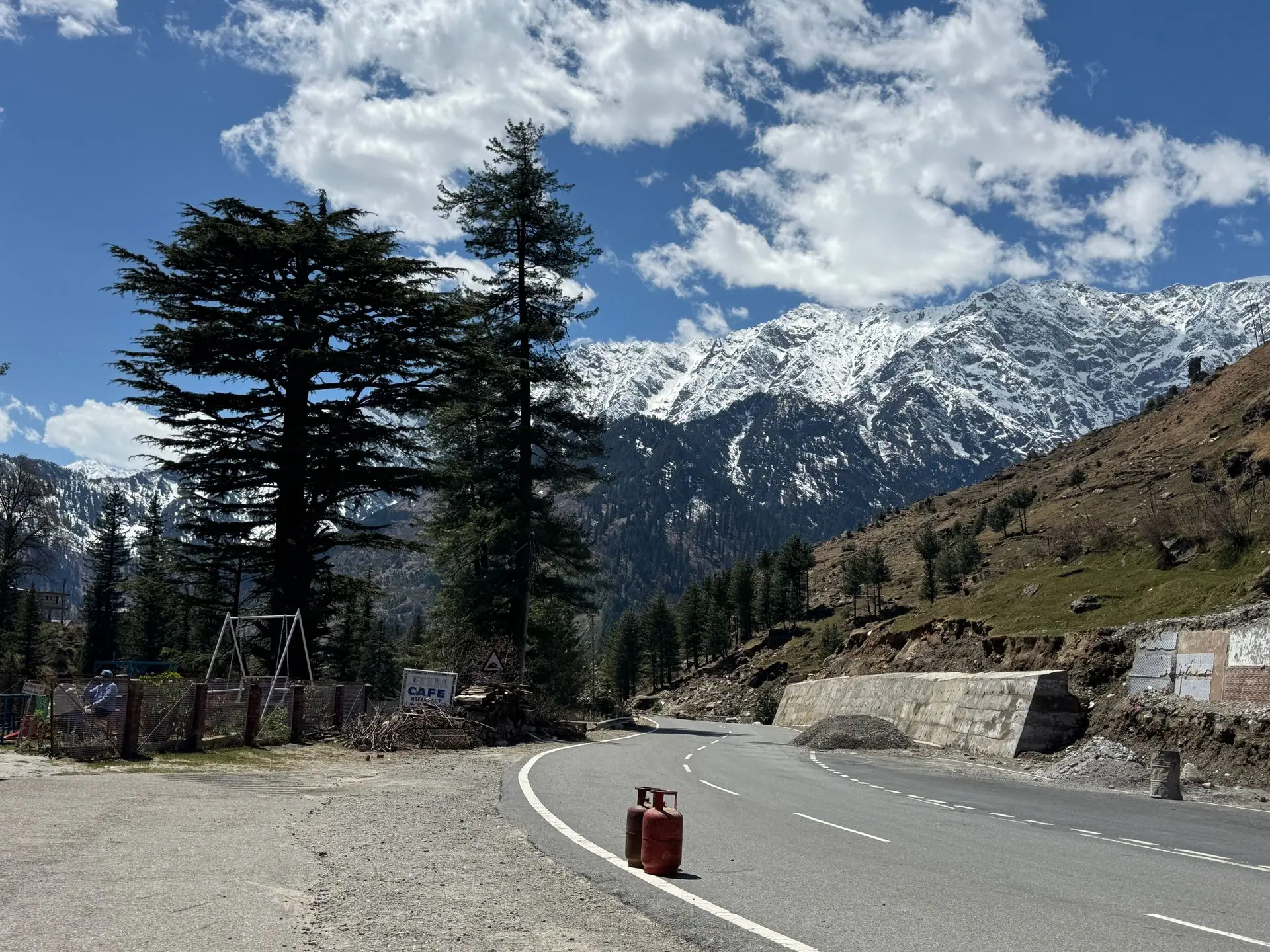
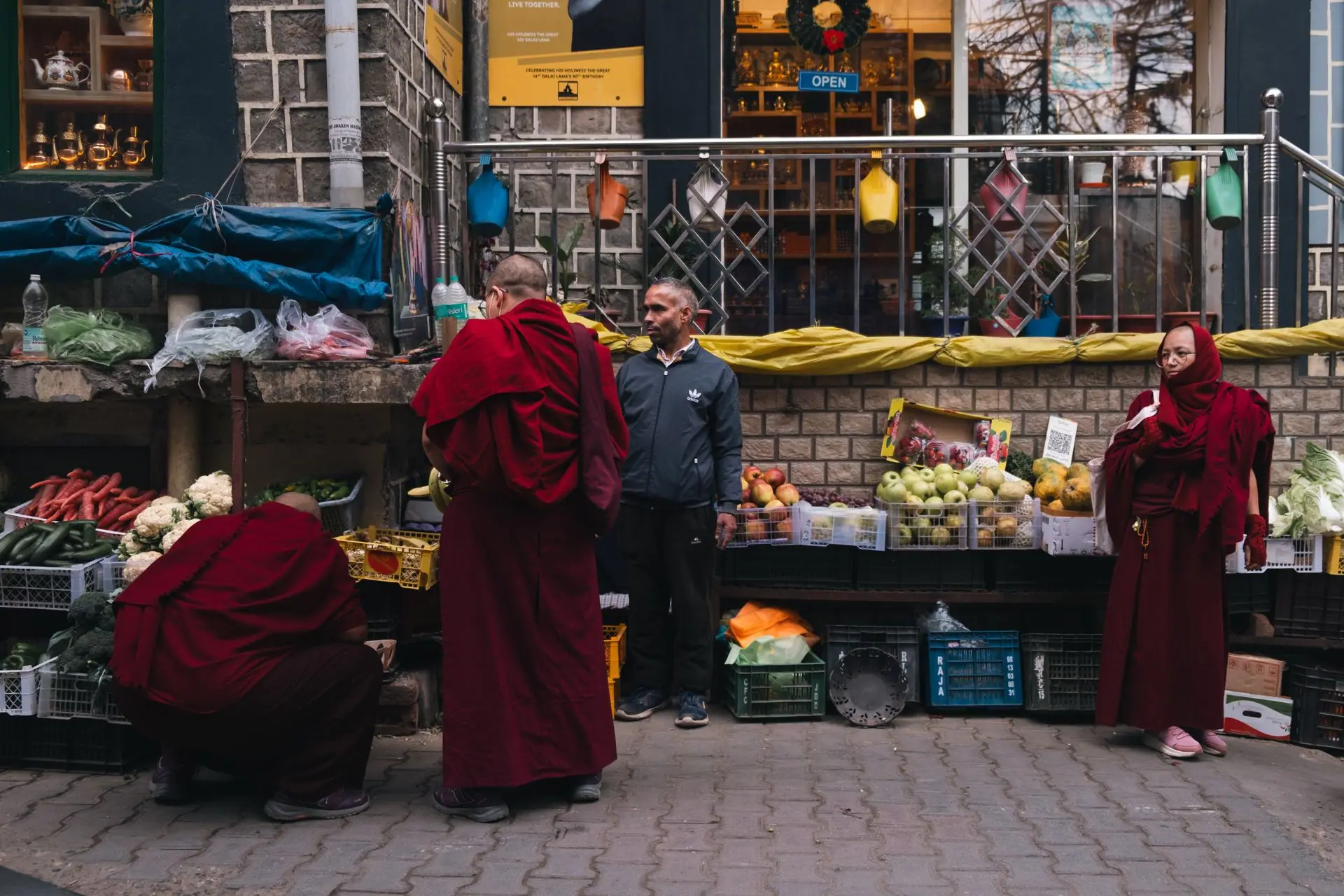
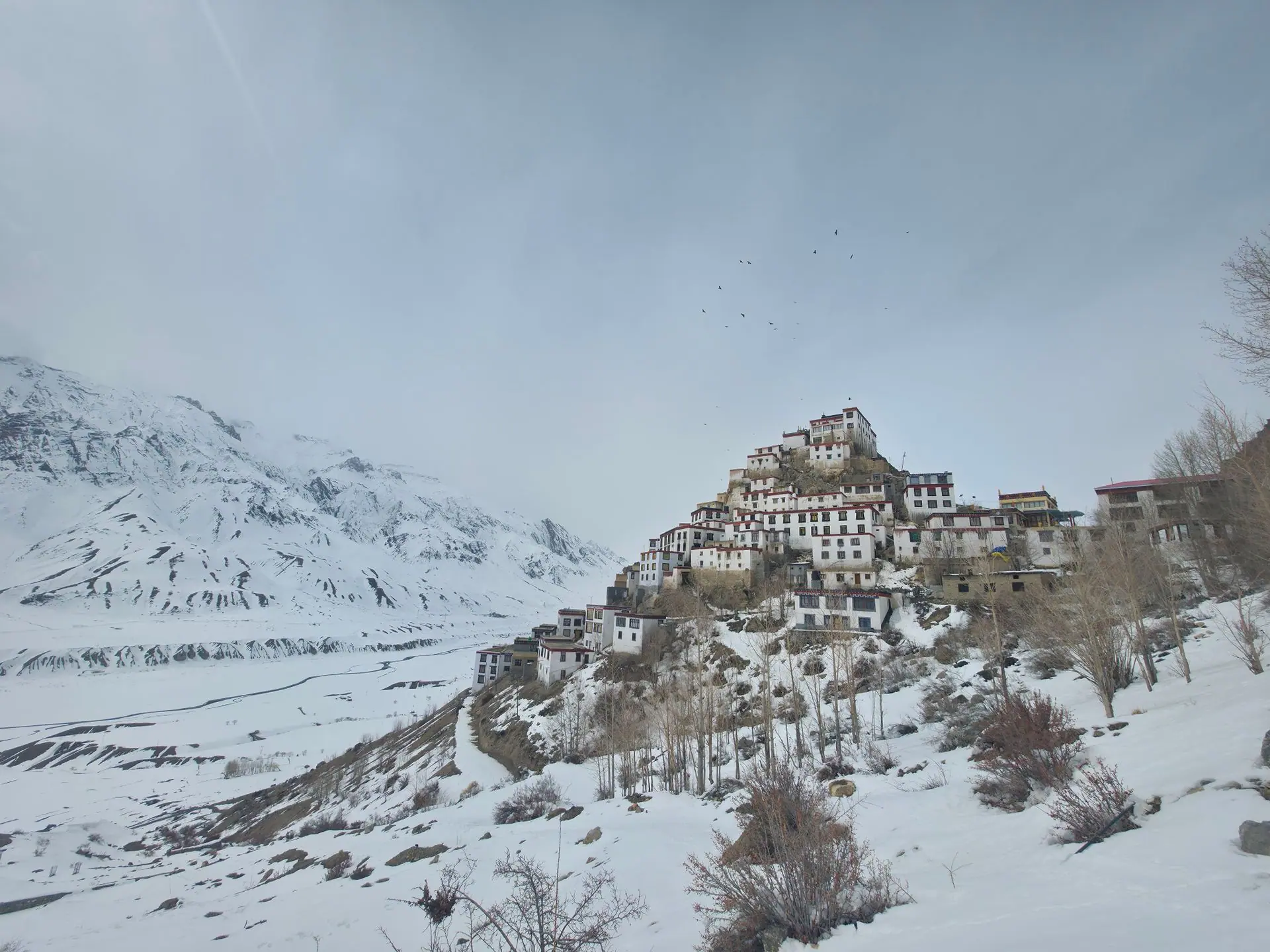
More places in Himachal Pradesh
See all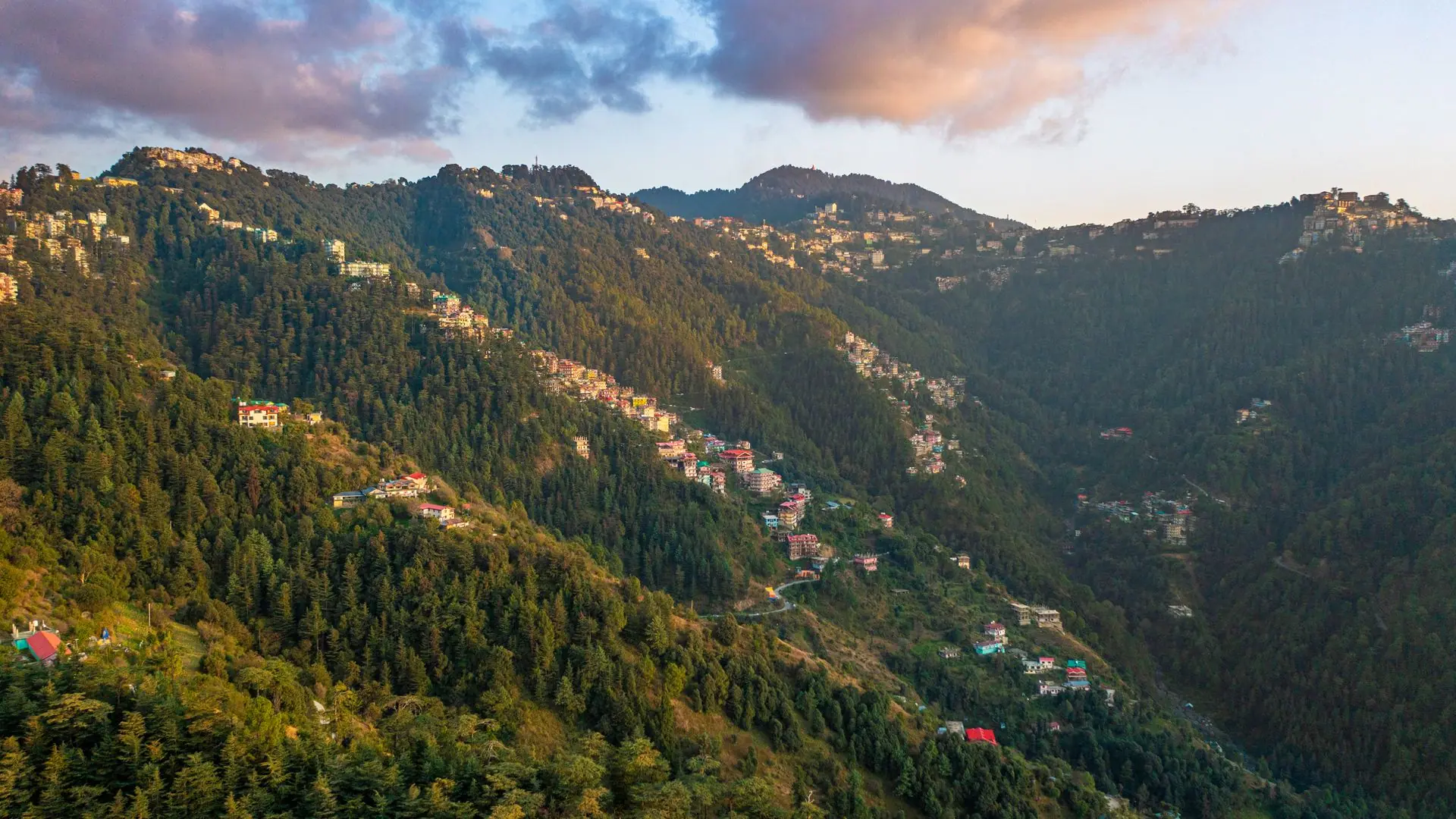
Customer reviews
Experience My India is rated 4.3 on Tripadvisor. We publish guest reviews after each trip.
Plan a trip
Tailor-made quote from a specialist