
5 tour packages in Varanasi
Varanasi Ganga Aarti tour 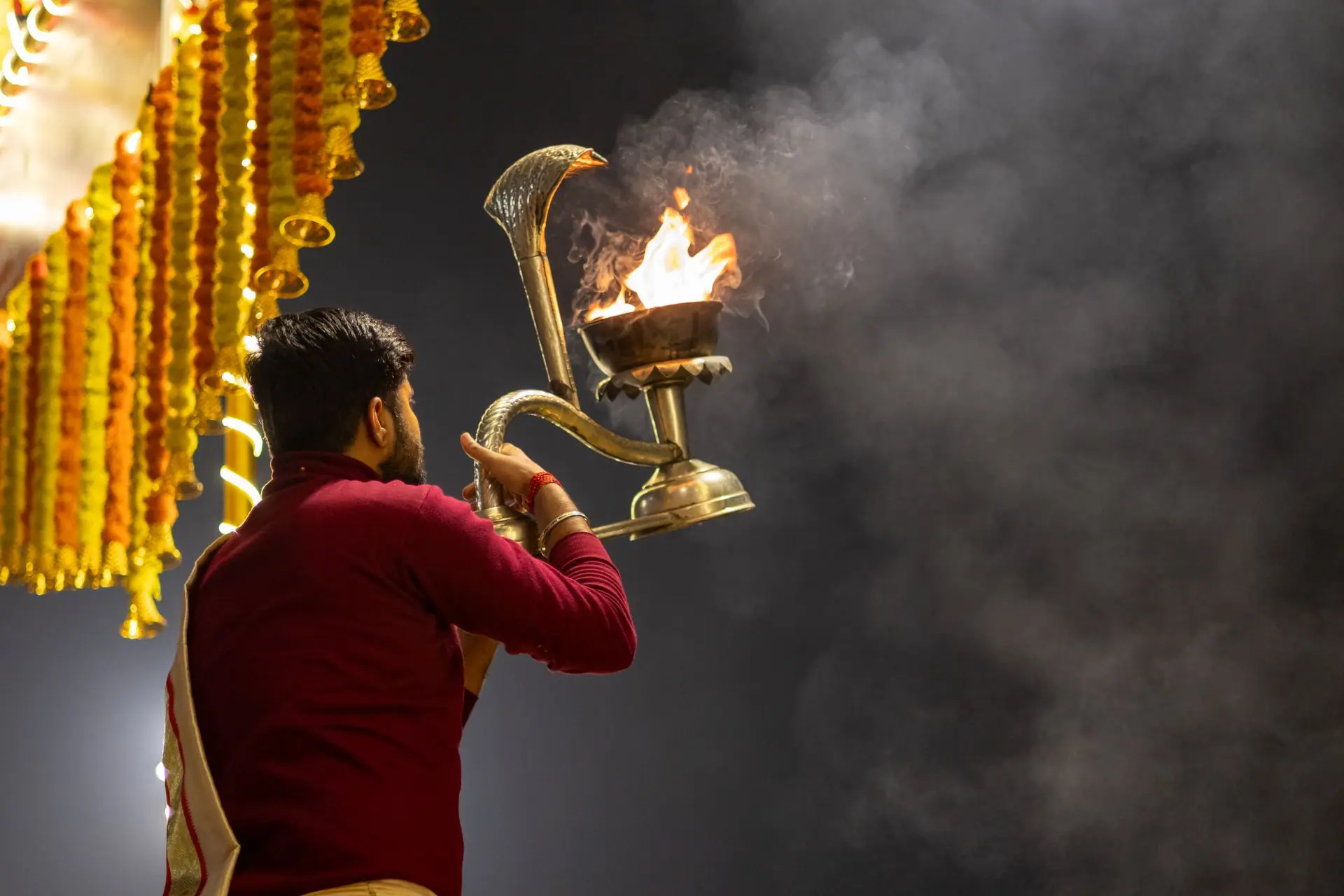
Tour package
Varanasi Ganga Aarti tour
Free cancellation
Price on request
View detailsSarnath from Varanasi 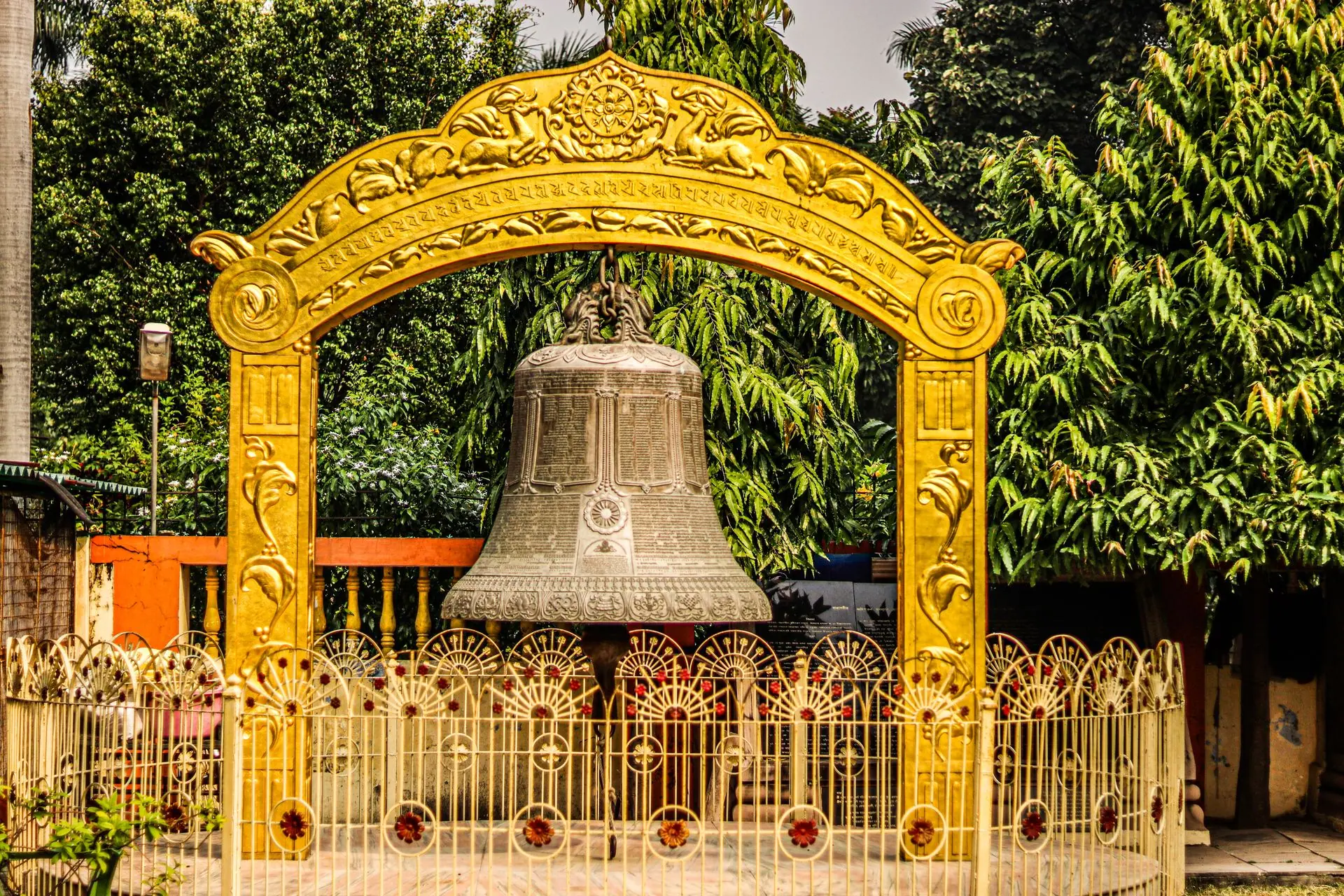
Tour package
Sarnath from Varanasi
Free cancellation
Price on request
View detailsVaranasi photo tour 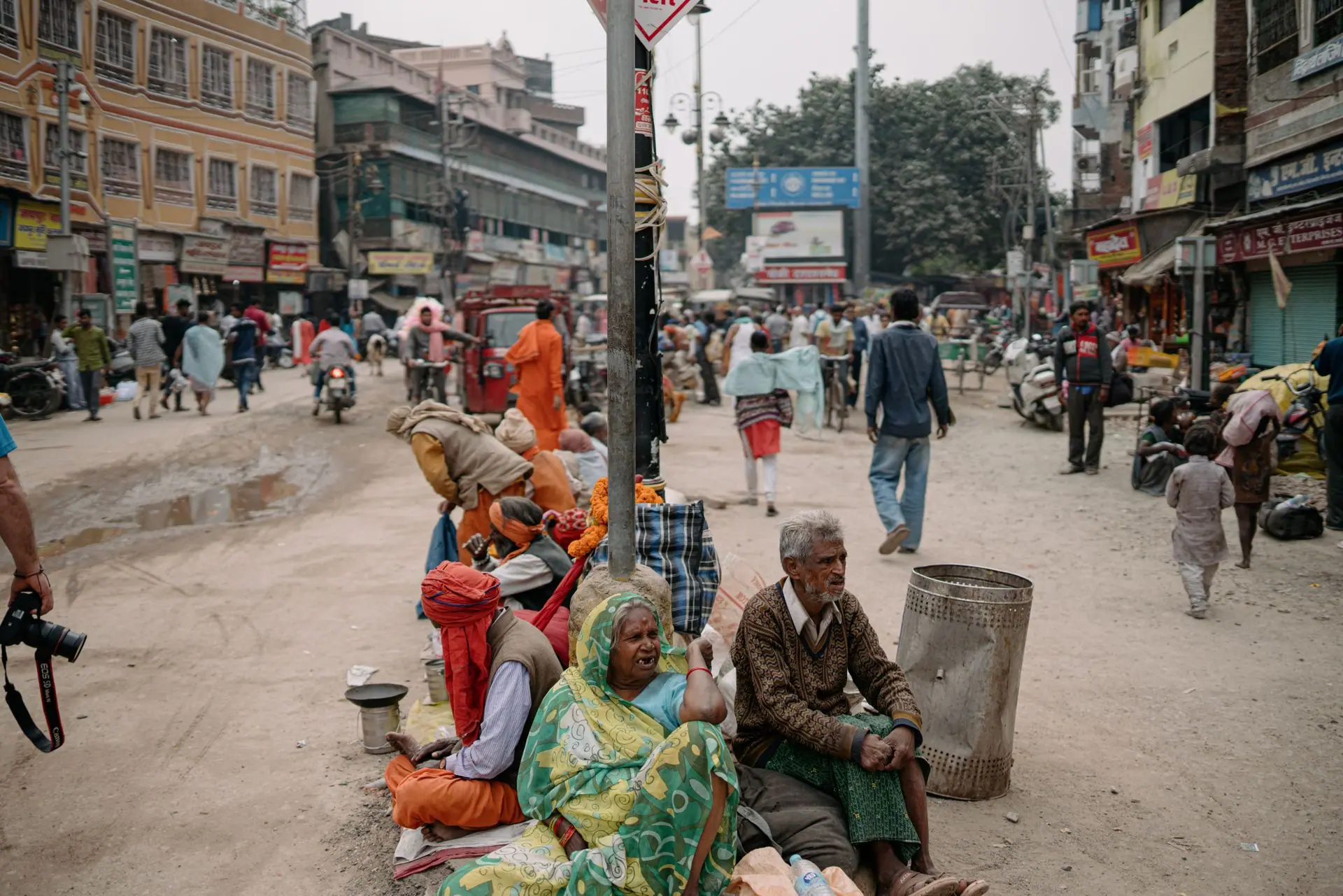
Tour package
Varanasi photo tour
Free cancellation
Price on request
View detailsGolden Triangle with Varanasi — 8 days 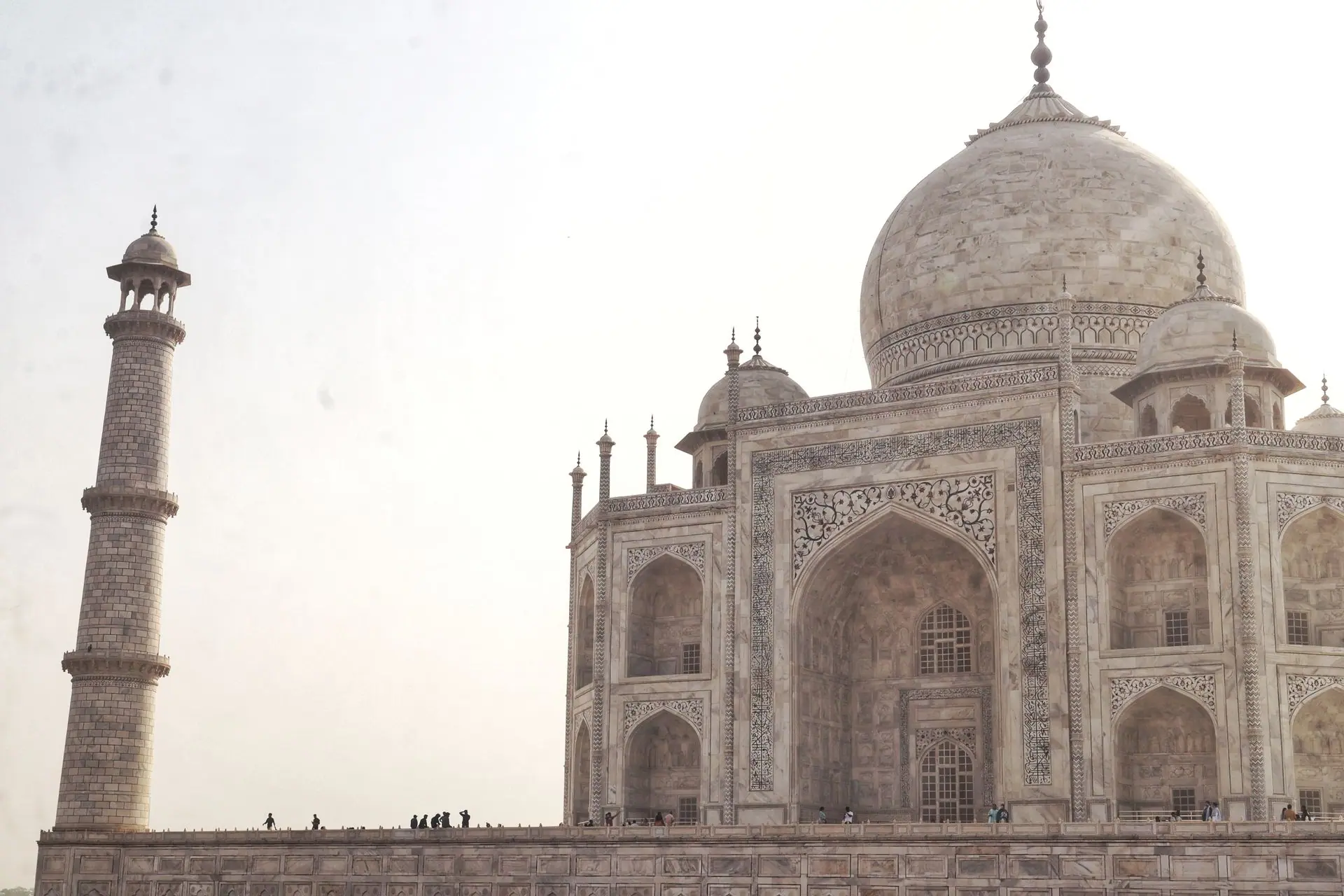
Tour package
Golden Triangle with Varanasi — 8 days
8 days / 7 nightsFree cancellation
Price on request
View detailsSpiritual India — Varanasi and Rishikesh, 8 days 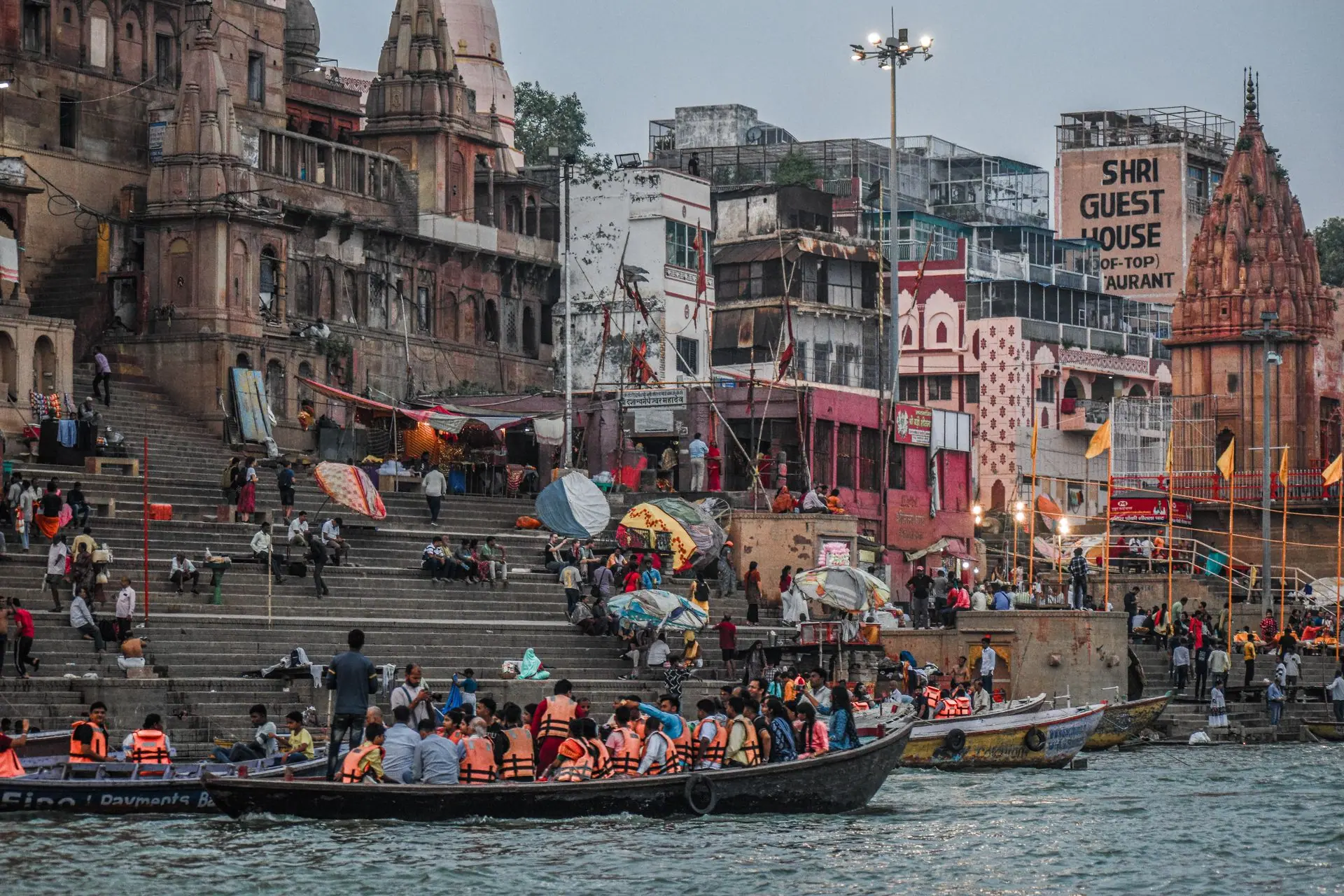
Tour package
Spiritual India — Varanasi and Rishikesh, 8 days
8 days / 7 nightsFree cancellation
Price on request
View details
More places in Uttar Pradesh
All of Uttar Pradesh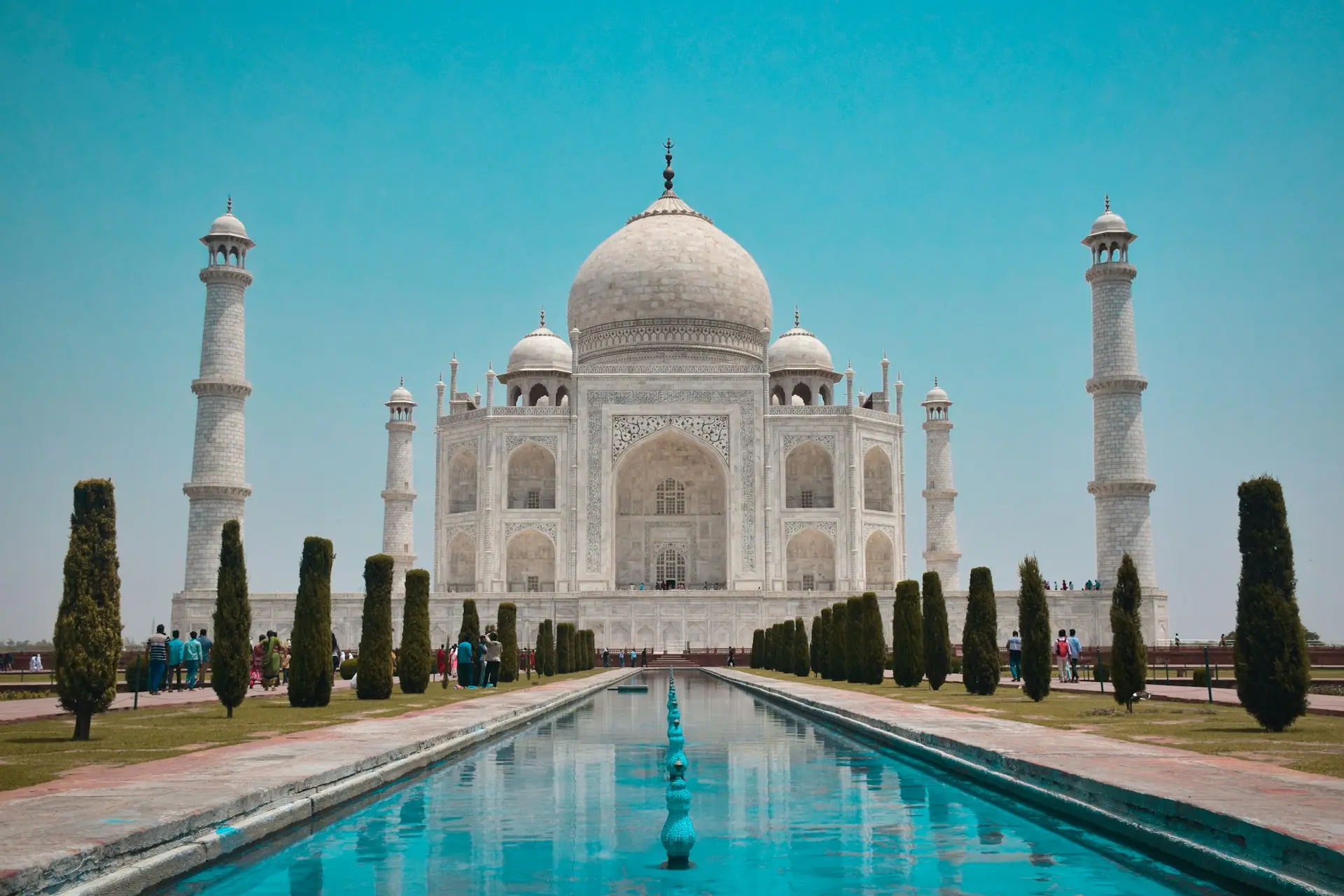
Frequently asked questions
How many days do I need in Varanasi?
Two days and two nights: the Ganga Aarti on the first evening, then a sunrise boat ride, a walk through the ghats and old lanes and the Kashi Vishwanath Temple the next day. Add a third day for Sarnath, about 10 km away. If you are passing through on a longer route, the Golden Triangle with Varanasi ends at the river after the forts and palaces of Delhi, Agra and Jaipur.
What time is the Ganga Aarti, and where should I watch it?
It is held every evening at Dashashwamedh Ghat, starting around sunset (earlier in winter, later in summer) and lasting about 45 minutes; in a big monsoon flood it has been moved to rooftops. Watch from a boat moored facing the ghat for the open view, or from the steps among the crowd, and arrive early, as the ghat fills up. On our Varanasi Ganga Aarti tour we confirm the evening's timing and arrange your place, on a boat or on the steps.
What is the best time to visit Varanasi?
October to March, when mornings are cool for the boat ride. April to June is very hot. In the monsoon, from the second half of June to early October, the river can rise over the lower ghats and boat rides are suspended while it is high. Dev Deepawali, on the Kartik full moon about 15 days after Diwali, lights the ghats with lamps and brings very large crowds; its date changes each year.
Is Varanasi safe for tourists?
Yes, with care. The old lanes are narrow, crowded and shared with cattle and motorbikes, so keep to well-used routes after dark and watch your footing. Near the cremation ghats, be wary of anyone asking for money for funeral wood or a hospice. Dress modestly in a holy city. A local guide makes the first evening far easier, which is why our packages here include one, as each lists.
Can I photograph the cremation ghats?
Please do not photograph the cremations or the mourning families at Manikarnika or Harishchandra Ghat: it is deeply disrespectful. Watch quietly from a distance, ideally with a guide who can explain what you are seeing. Elsewhere on the ghats, ask before photographing people at prayer. Our Varanasi photo tour is planned around the dawn and evening light without intruding.
Can I take my phone into the Kashi Vishwanath Temple?
No. The temple trust does not allow phones or any other electronic or non-electronic gadgets, not even pens, inside the temple premises, and free lockers are available. There is no formal dress code, but decent, modest clothing is expected. Your guide will plan the visit around the temple's darshan hours, the times set for viewing the deity, and the rest of your morning on the ghats.
Is Sarnath worth adding?
Yes, if you have half a day. Sarnath, about 10 km north-east of Varanasi, is where the Buddha is believed to have given his first sermon, and its museum holds the Lion Capital of Ashoka. The museum is closed on Fridays, so plan around that. Our Sarnath from Varanasi trip takes about three hours including the drive.
How do I get to Varanasi from Delhi or Agra?
From Delhi, a direct flight takes about an hour and a half, or a Vande Bharat Express train about eight hours. From Agra, a Vande Bharat Express runs between Agra Cantt and Banaras six days a week. Varanasi's airport is at Babatpur, about 22 km from the city. The North India Classic Tour includes its flights into and out of Varanasi.
Can I combine Varanasi with the Taj Mahal?
Yes. The Golden Triangle with Varanasi adds the city to Delhi, Agra and Jaipur, and the North India Classic Tour also takes in Rajasthan and Rishikesh. Pilgrims can link Varanasi with Ayodhya, Prayagraj and Chitrakoot instead. See Agra tour packages and Uttar Pradesh tour packages for more routes.
About Varanasi Tour Packages
Our private Varanasi trips suit first-time visitors, pilgrims and photographers who want a guide who knows the city: the Ganga Aarti with a sunrise boat ride, a half-day at Sarnath, a dawn-and-dusk photo tour, and longer routes adding Varanasi to the Golden Triangle, Rishikesh, or Ayodhya and Prayagraj. Each is tailor-made around your dates, budget and group, and confirmed with a written quote before you pay anything.
Reviewed by Experience My India Editorial Team · Updated 20 Oct 2026
Why go to Varanasi
Varanasi, in Uttar Pradesh and also called Kashi or Banaras, is one of the world's oldest continuously inhabited cities and a sacred place for Hindus, Jains and Buddhists. Its life runs down to the Ganges along the ghats, the long flights of stone steps where pilgrims bathe at dawn. Every evening at Dashashwamedh Ghat, priests perform the Ganga Aarti, a ceremony of fire, bells and chanting. The Kashi Vishwanath Temple, one of the twelve jyotirlinga shrines of Shiva, is a short walk from the river, and Manikarnika Ghat is one of Hinduism's holiest cremation grounds. Sarnath, about 10 km away, is where the Buddha is believed to have given his first sermon. More in our Varanasi travel guide.
How many days to give Varanasi
Two days and two nights is the classic length: the Ganga Aarti on your first evening, a sunrise boat ride and the old lanes the next day, and a third day if you want Sarnath. The Varanasi Ganga Aarti tour follows that rhythm. Sarnath from Varanasi takes about three hours with the drive, and the Varanasi photo tour is a full day split between dawn and dusk. On longer routes, the North India Classic Tour gives Varanasi three nights, and the 6 Days Varanasi Ayodhya Tour with Prayagraj Chitrakoot two.
When to go
October to March is the season: cool mornings for the boat ride and often a winter mist on the river, though dense fog in December and January can delay trains and flights. Between April and June afternoons can reach 45°C, so the ghats are best at dawn and after dark. The monsoon usually arrives in the second half of June and withdraws in early October; when the Ganges runs high, the lower ghats flood and boat rides stop. Dev Deepawali, on the Kartik full moon about 15 days after Diwali, fills the ghats with lamps and crowds. See our guide to the best time to visit India.
How to reach Varanasi
Lal Bahadur Shastri International Airport at Babatpur is about 22 km from the city, and a direct flight from Delhi takes about an hour and a half. By rail, the main station is Varanasi Junction (Varanasi Cantt); Banaras station and, about 16 km away, Pt. Deen Dayal Upadhyaya Junction also take long-distance trains. Vande Bharat Express trains from New Delhi take about eight hours, and another runs between Agra Cantt and Banaras six days a week. Cars cannot reach Dashashwamedh Ghat: the last kilometre from Godaulia is on foot, through a busy market.
What our Varanasi tour packages include
Packages here include a private local guide in Varanasi and transport, as each lists; the ghats and lanes are explored on foot. Most include time on the river: a sunrise boat ride, boat hire for the photo tour's dawn session, or a boat ride with Ganga Aarti seating on the Golden Triangle with Varanasi and the 6-day Uttar Pradesh circuit. Hotels and daily breakfast are included where a package lists them, confirmed at enquiry, and the North India Classic Tour includes its domestic flights. Flights or trains into Varanasi, museum and monument tickets, other meals and travel insurance are usually extra.
How to choose your Varanasi tour package
First visit and a short stay: the Varanasi Ganga Aarti tour. A spare half-day and an interest in Buddhist history: Sarnath from Varanasi. Photographers: the Varanasi photo tour, positioned for dawn and dusk without intruding on people at prayer. First trip to India: Golden Triangle with Varanasi; expect early starts and crowded, uneven lanes. Ritual and yoga together: Spiritual India — Varanasi and Rishikesh, 8 days. Pilgrims: the 6 Days Varanasi Ayodhya Tour with Prayagraj Chitrakoot. A long first trip across North India: the North India Classic Tour.
Plan a trip
Tailor-made quote from a specialist