
2 experiences in Rishikesh
Rishikesh yoga retreat 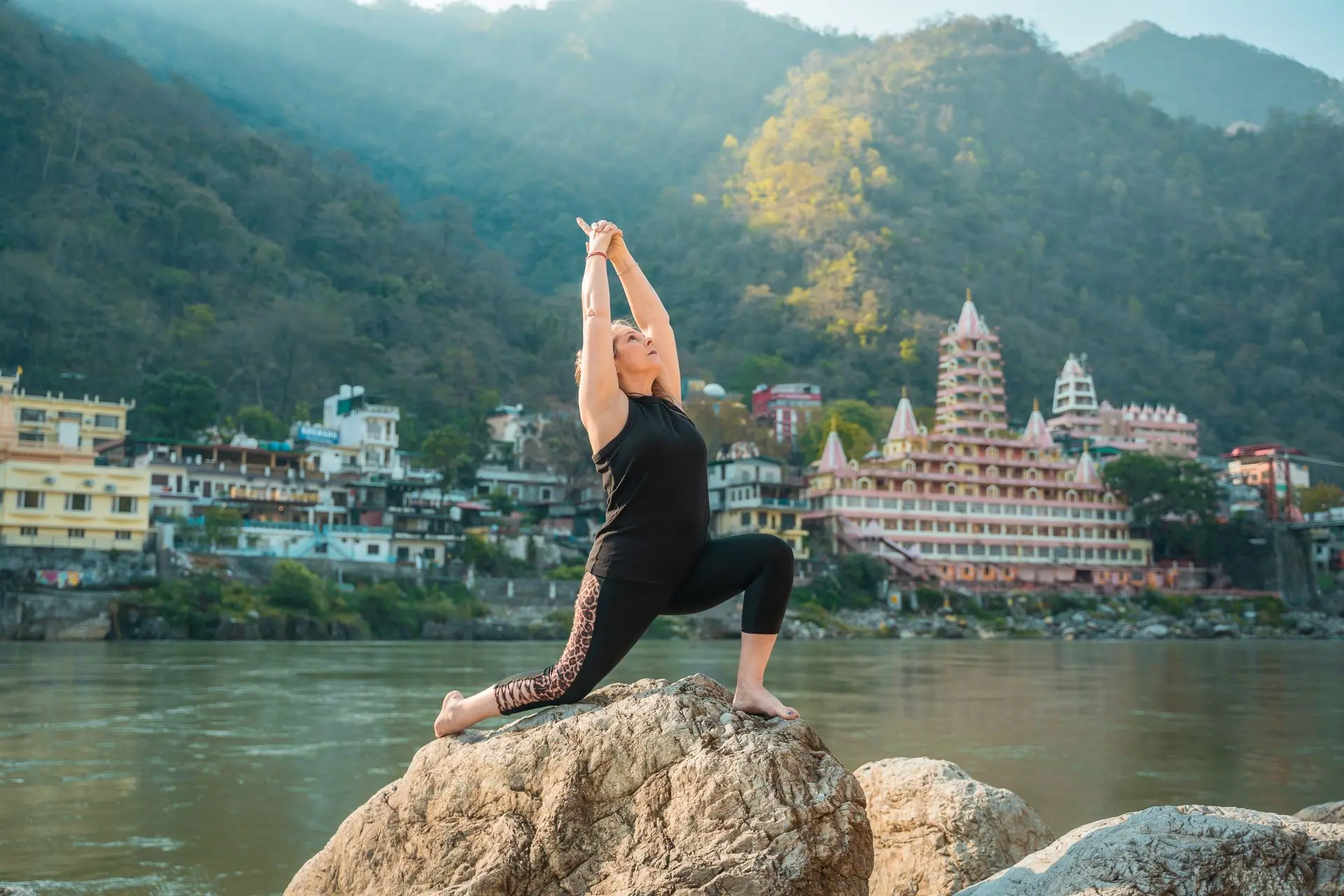
Rishikesh
Rishikesh yoga retreat
Price on request
View detailsYoga teacher training in Rishikesh 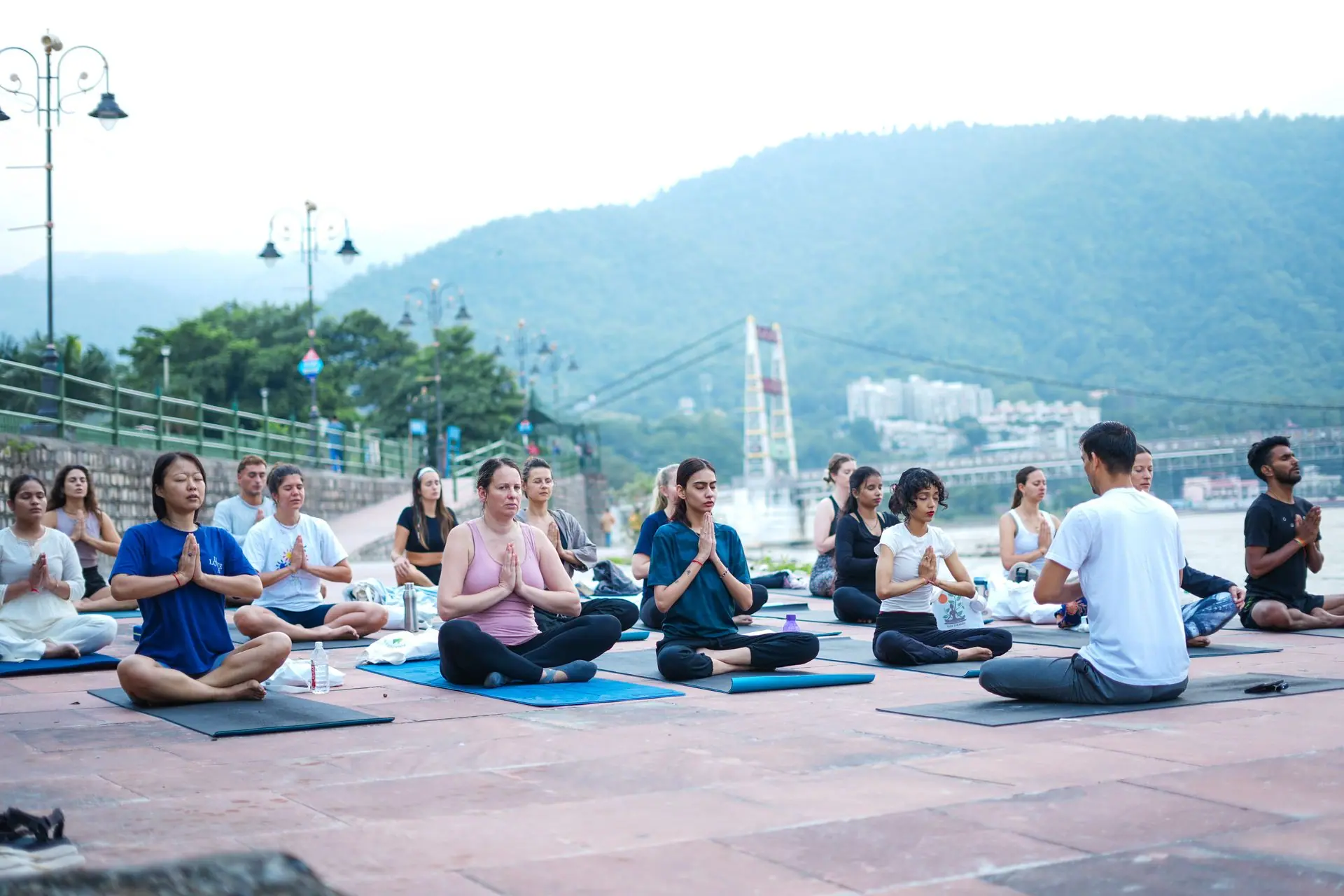
Rishikesh
Yoga teacher training in Rishikesh
Price on request
View details
More things to do in Rishikesh
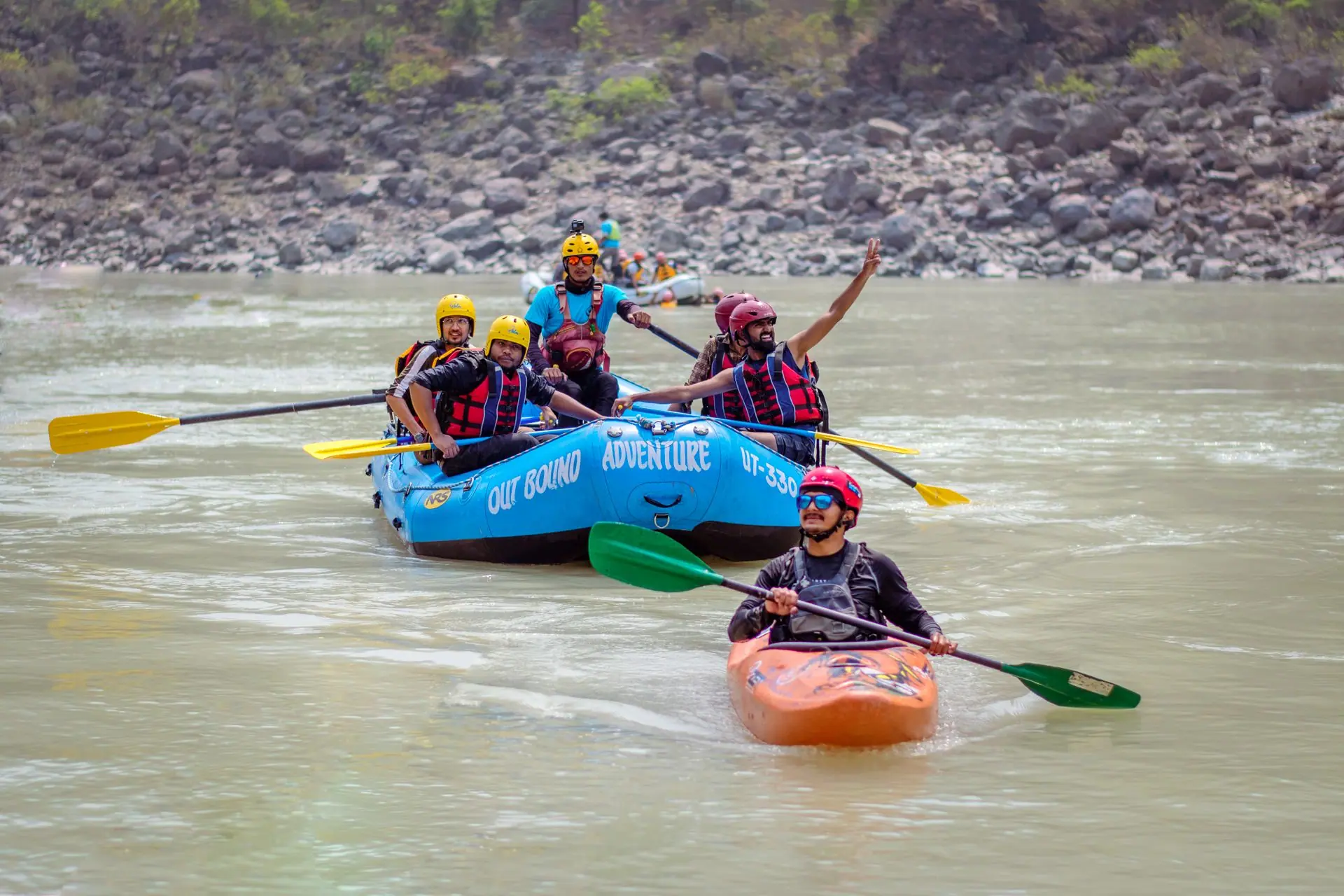
Rishikesh
Rishikesh river rafting
Price on request
View details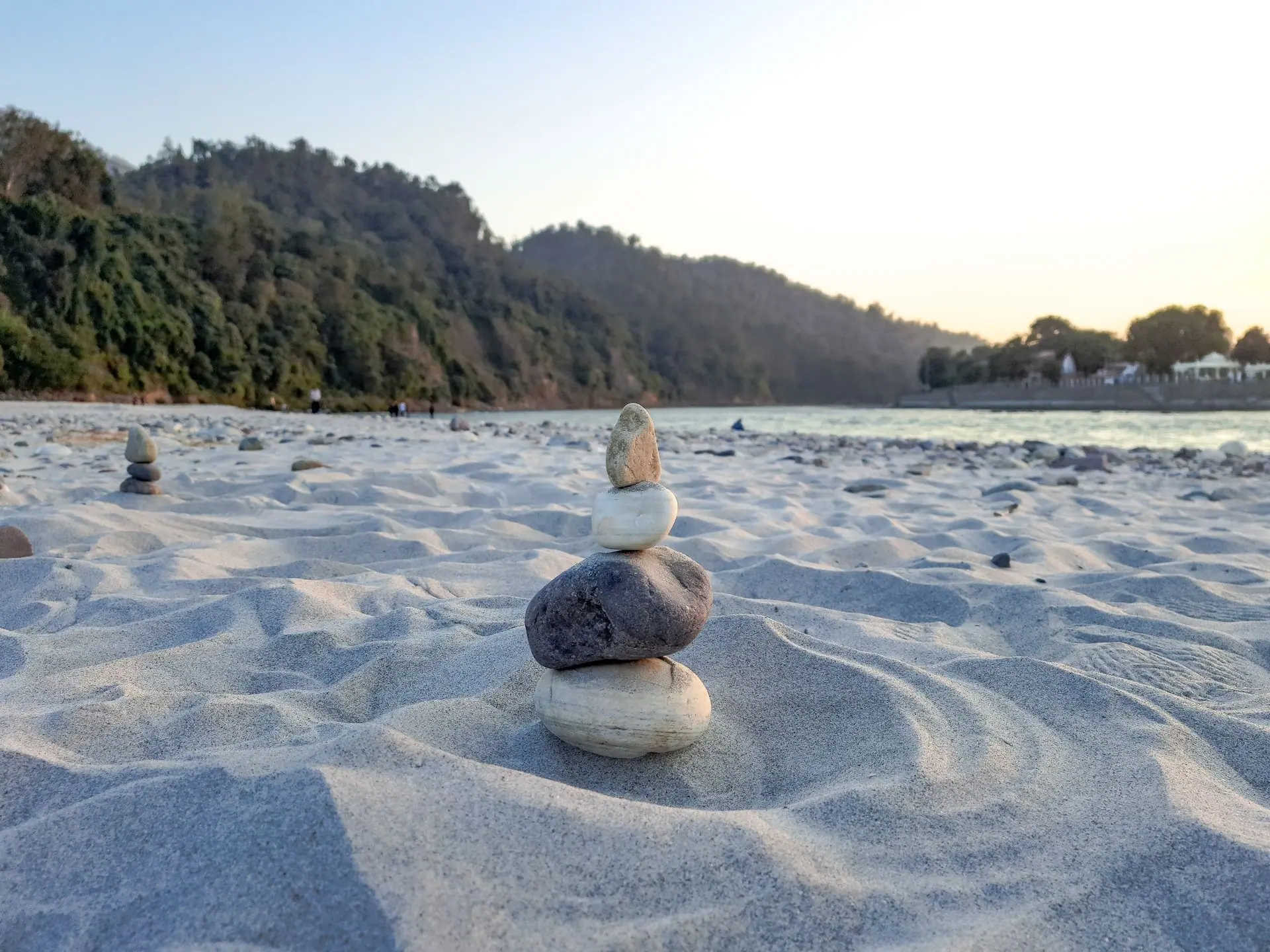
Rishikesh
Rishikesh bungee jumping
Price on request
View details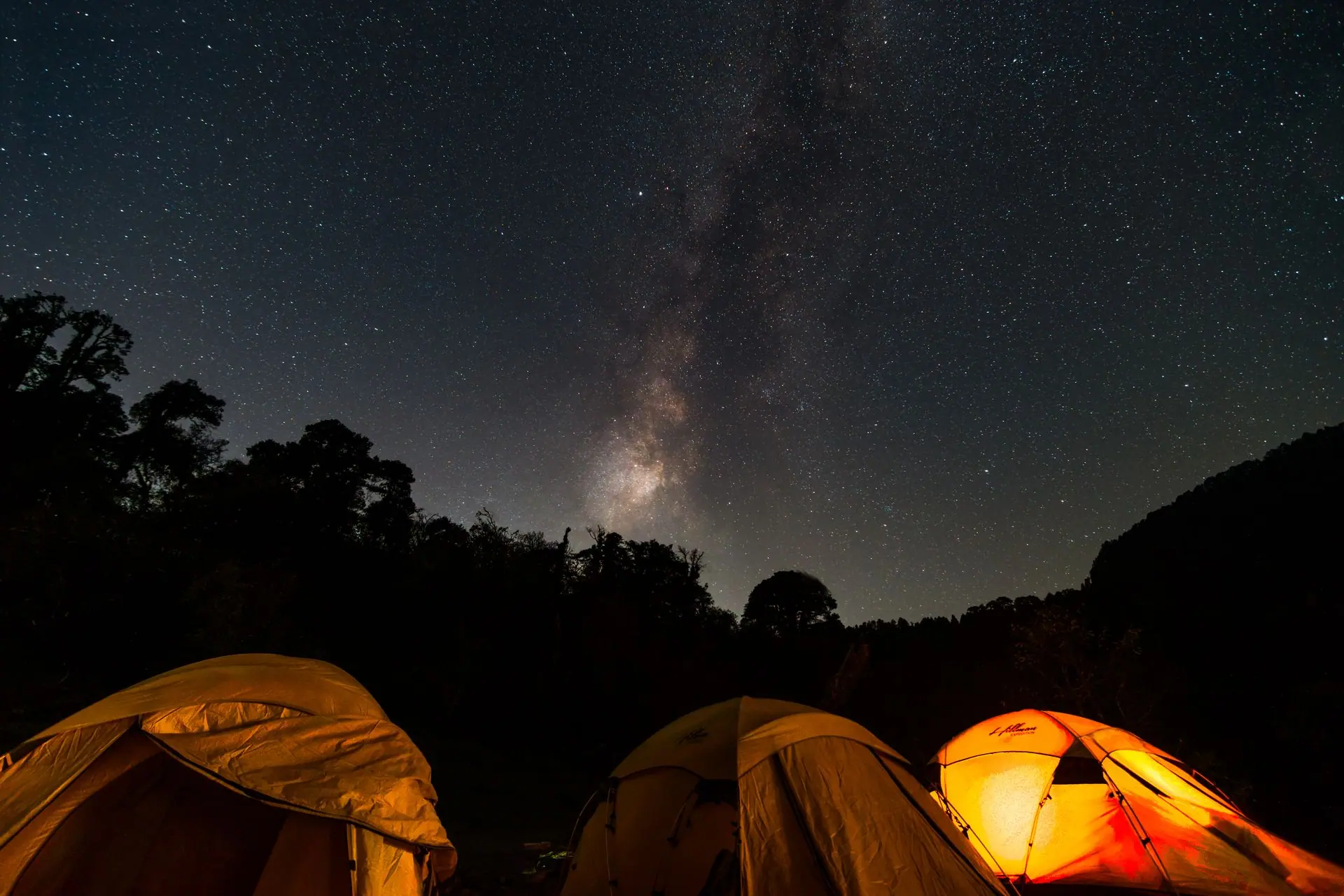
Rishikesh
Rishikesh riverside camping
Price on request
View detailsYoga & Meditation in other states
See all
Frequently asked questions
Why is Rishikesh called the yoga capital of the world?
For its ashrams and the people who come to them. Uttarakhand Tourism, which uses the title itself, says the town has numerous ashrams, some internationally recognised as centres of philosophy, yoga and other traditions of wellness, and that visitors arrive from across the world to learn yoga and meditation. It also points to the Beatles, who came to Maharishi Mahesh Yogi's ashram in February 1968 to learn transcendental meditation.
When is the International Yoga Festival in Rishikesh?
In March in recent years, with new dates announced each year. Uttarakhand Tourism organises an annual International Yog Festival in Rishikesh, which it says draws thousands of yoga enthusiasts, and Parmarth Niketan hosts an annual yoga festival of its own. If you want to be there, mention it when you enquire, since the retreat then has to fit that year's dates.
Can I join a single drop-in yoga class in Rishikesh?
Yes. The simplest option our retreat page describes is a drop-in class at one of the large ashrams, and it notes that Parmarth Niketan runs daily open sessions. Uttarakhand Tourism adds that ashrams and resorts alike offer yoga sessions as well as courses. A class or two fits into a short stay; to settle into regular classes, give it five to seven days.
How is teacher training different from a yoga retreat?
In length, aim and pace. A retreat is days to a couple of weeks of classes, meditation and ashram life at the level you choose, with time left for the town and the evening aarti. Teacher training is weeks of structured study of practice, philosophy, anatomy and teaching method, lived on site with little free time, and it usually ends with an assessment and the school's certificate. Complete beginners belong on the retreat.
Where in Rishikesh are the ashrams?
Uttarakhand Tourism points to Swargashram, a cluster of ashrams on the east bank of the Ganga, most of them offering courses in yoga and spiritual studies, and lists Parmarth Niketan, founded in 1942 on the bank of the river, among the largest ashrams in Rishikesh. Teacher-training schools are mostly near the river around the Ram Jhula and Lakshman Jhula areas. The town beyond the ashrams is in our Rishikesh travel guide.
Is meditation part of a Rishikesh yoga retreat?
Usually, though how much depends on the programme. On our retreat the hours after morning practice are for meditation, philosophy sessions, rest or a walk, and teacher training includes philosophy alongside daily practice. Uttarakhand Tourism describes Rishikesh as the world capital of yoga and meditation. For other settings, including a meditation retreat at Dharamshala, see our yoga and meditation experiences across India.
What should I wear to an ashram in Rishikesh?
Clothes that cover your shoulders and knees: our retreat and training pages ask for modest dress at the ashram, at temples and at the evening Ganga Aarti. Expect ashram life to be plain as well as modest, with early starts and shared rooms, and bring a warm layer for the cool mornings of the late September to April season.
About Yoga & Meditation experiences in Rishikesh
Yoga in Rishikesh, the town Uttarakhand Tourism calls the yoga capital of the world, comes in two forms here. A retreat lasts from a few days to a couple of weeks, from drop-in ashram classes to a riverside wellness resort, and suits complete beginners as well as regular practitioners. Teacher training takes weeks, follows a set daily curriculum and suits people who already practise.
Reviewed by Experience My India Editorial Team
How to choose between a retreat and teacher training
Start with your level and how long you have. Our Rishikesh yoga retreat is shaped around both: two or three days gives a taste, five to seven lets you settle into regular classes, and the setting can be a large ashram's open sessions, a disciplined residential programme, or a riverside wellness resort that pairs yoga with Ayurveda in more privacy. The match matters more than the venue: a beginner placed in an intensive course gets as little from it as a seasoned student in a class paced for tourists.
Yoga teacher training asks for weeks, not days, at an ashram or a dedicated school, with practice, philosophy, anatomy and teaching method on a fixed timetable, and usually an assessment and a certificate from the school at the end. Courses typically run in multi-week blocks, and the 200-hour and 300-hour formats are the widely recognised international structures, but each school sets its own hours, syllabus and dates. Ask the school what its certificate is and how it is recognised before you enrol.
If you have never practised, or have a week or less, choose the retreat. If you practise already, can give several weeks and want to go deeper or to teach, choose the training.
What to expect
On a retreat the day usually starts early, with practice by the river or on a terrace facing it before the heat builds. The middle of the day is for meditation, philosophy, rest or a walk, depending on the programme, and many retreats end it at the Ganga Aarti: Uttarakhand Tourism describes the one at Triveni Ghat, the town's best-known bathing ghat, as a ceremony of lamps, drums and chanting, and ashrams such as Parmarth Niketan hold their own. Meals are vegetarian and often part of the programme.
Teacher training is fuller and more regular: a check of your level before the course, then days run to the school's timetable, residential life with accommodation and meals on site, little free time, and an assessment at the end.
When to go
Our retreat and training pages agree on late September to April as the most comfortable season, when mornings are cool enough for practice outdoors; many training courses follow that calendar, though schools run courses through more of the year. May and June are hot, and some serious students choose them for quieter classes. The monsoon is the wet season: the Dehradun district administration, whose district includes Rishikesh, records most of its annual rain between June and September.
Uttarakhand Tourism organises an International Yog Festival in Rishikesh every year, and lists Parmarth Niketan as popular for the annual yoga festival it hosts. In recent years both have been held in March, with dates announced each year.
Who it suits, and practical points
Rishikesh suits travellers who want their practice set among ghats, temples and ashram life rather than yoga as a workout alone. Ashram stays are simple and disciplined, with early mornings, shared rooms and a set schedule; a wellness resort gives the same practice with more comfort. It is a vegetarian town as well: the Supreme Court upheld a municipal ban on trading eggs within Rishikesh, on top of a ban on meat and fish already in force, so retreat and ashram meals are vegetarian.
For teacher training, confirm the course length and dates with the school before booking flights, and leave rest days either side of the course rather than during it. If you want to raft as well, the river side of the town is on our adventure experiences in Rishikesh page; the pace is different, so we sequence the two for you.
Plan a trip
Tailor-made quote from a specialist