
3 experiences in Rishikesh
Rishikesh river rafting 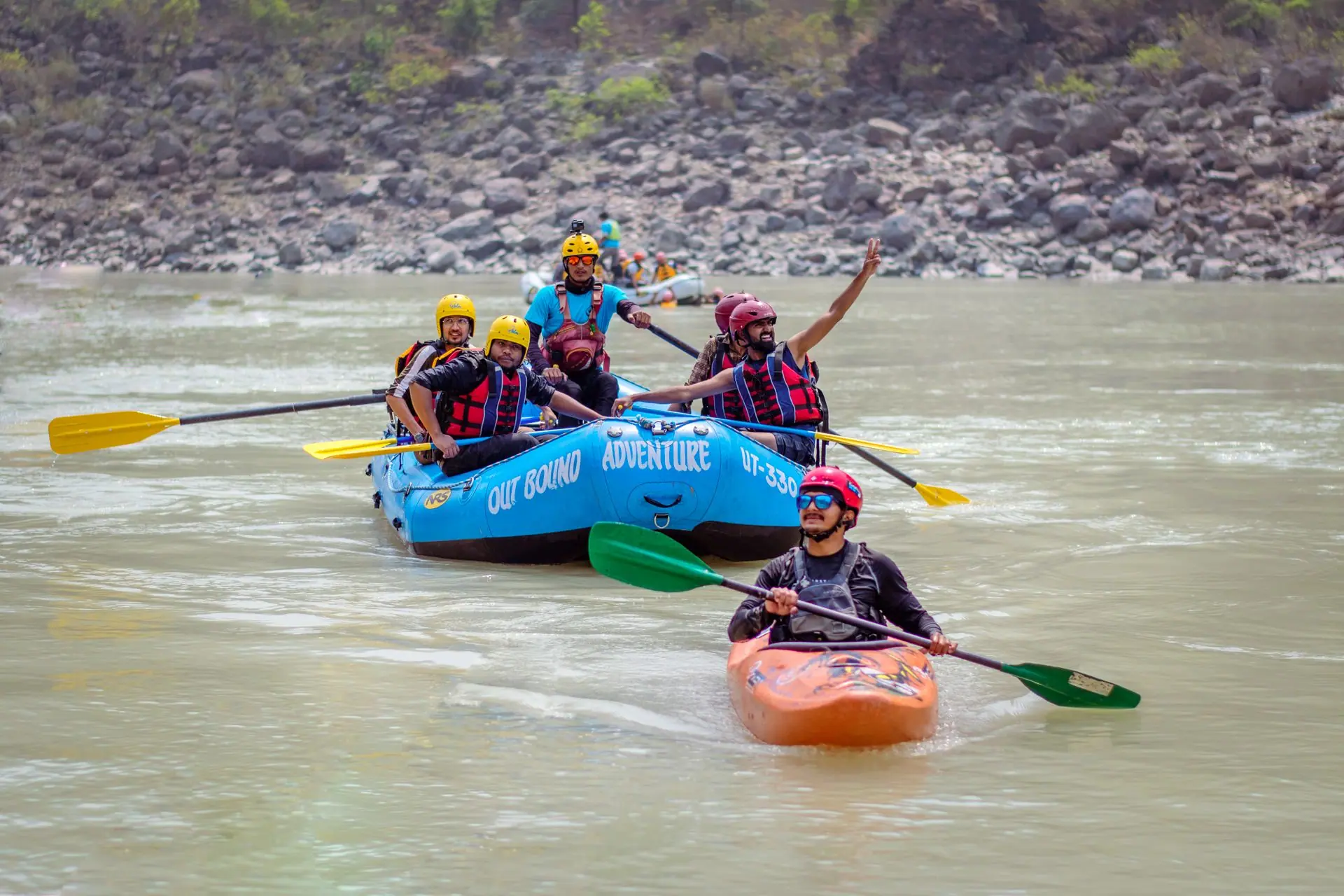
Rishikesh
Rishikesh river rafting
Price on request
View detailsRishikesh bungee jumping 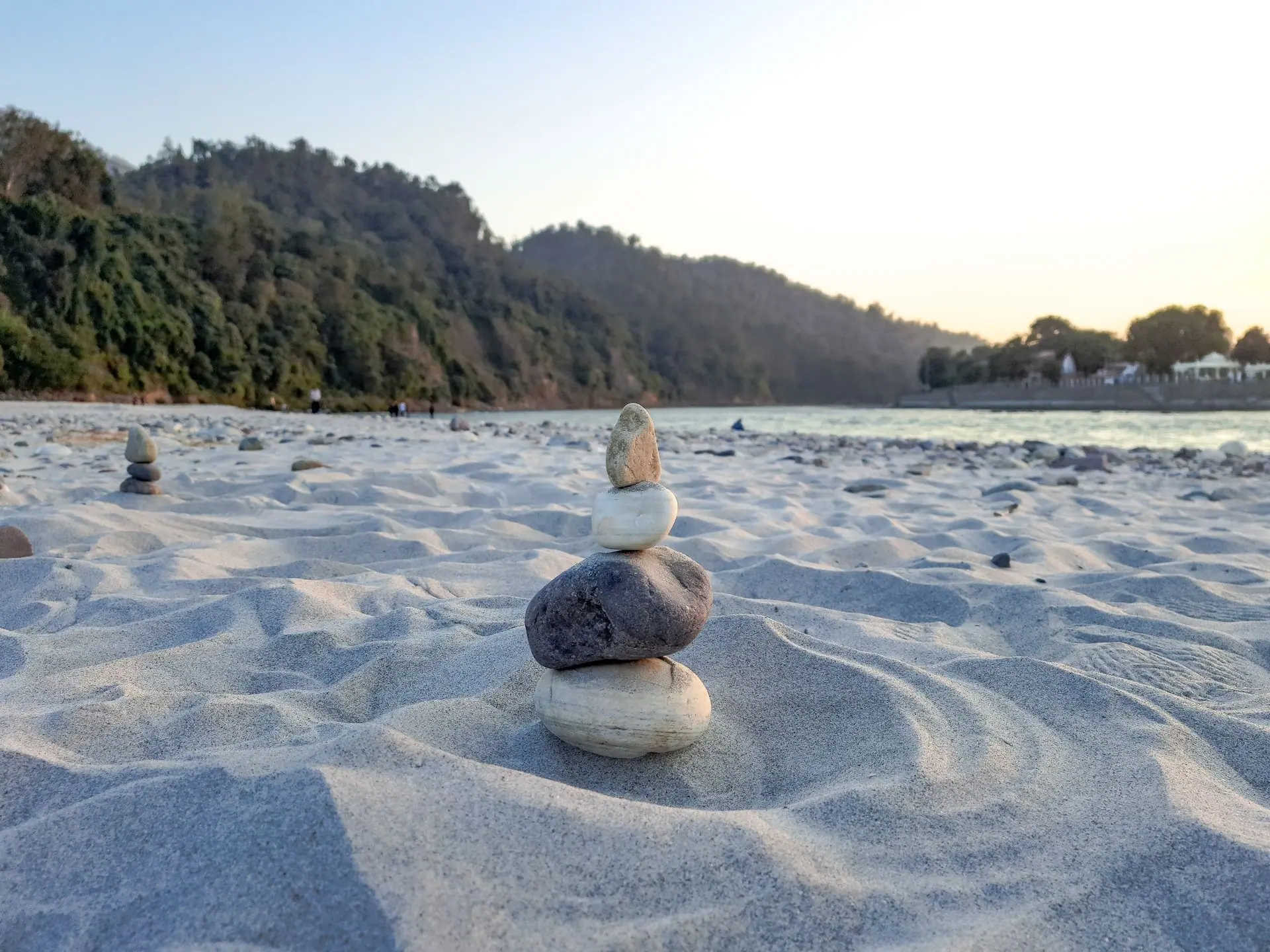
Rishikesh
Rishikesh bungee jumping
Price on request
View detailsRishikesh riverside camping 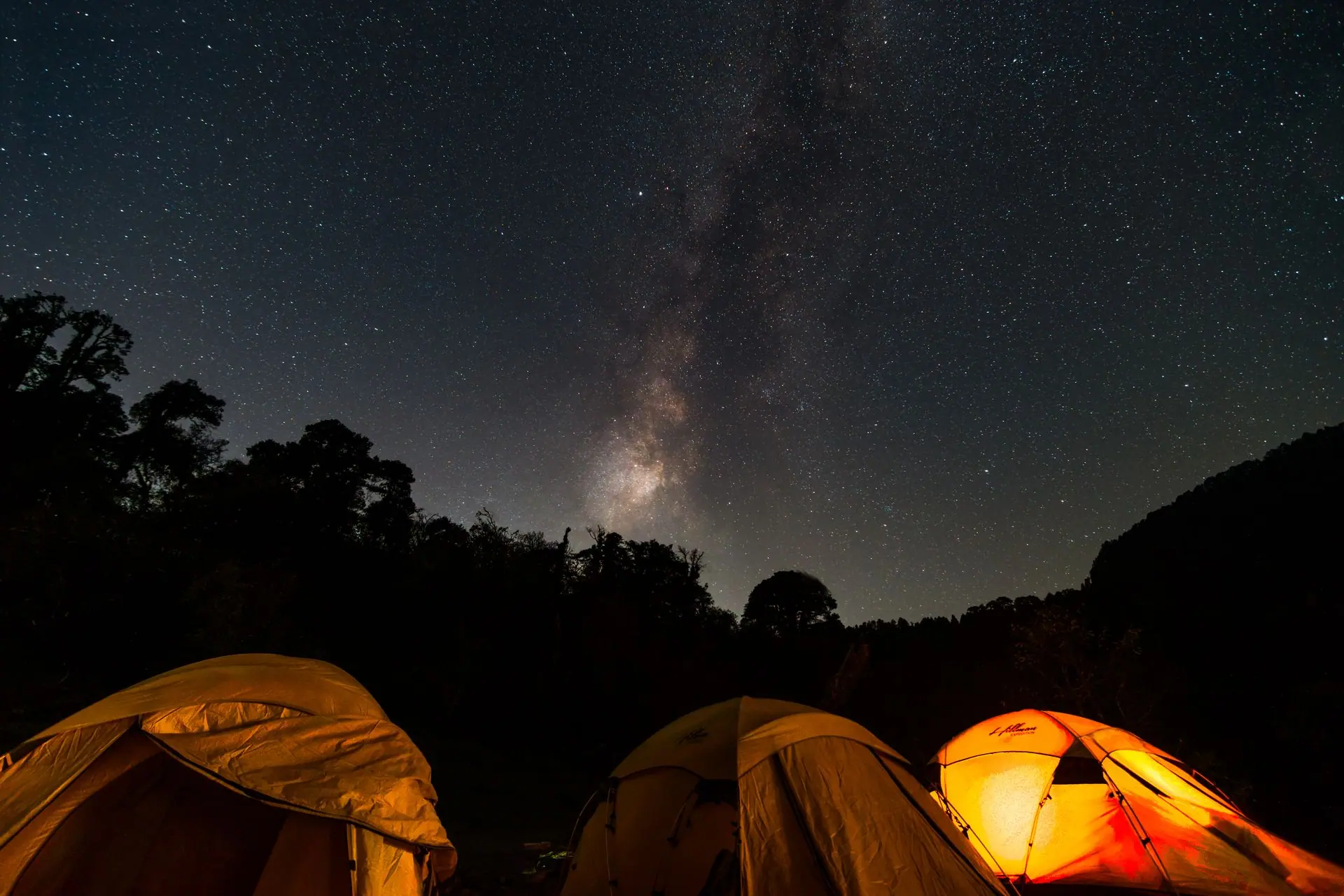
Rishikesh
Rishikesh riverside camping
Price on request
View details
More things to do in Rishikesh
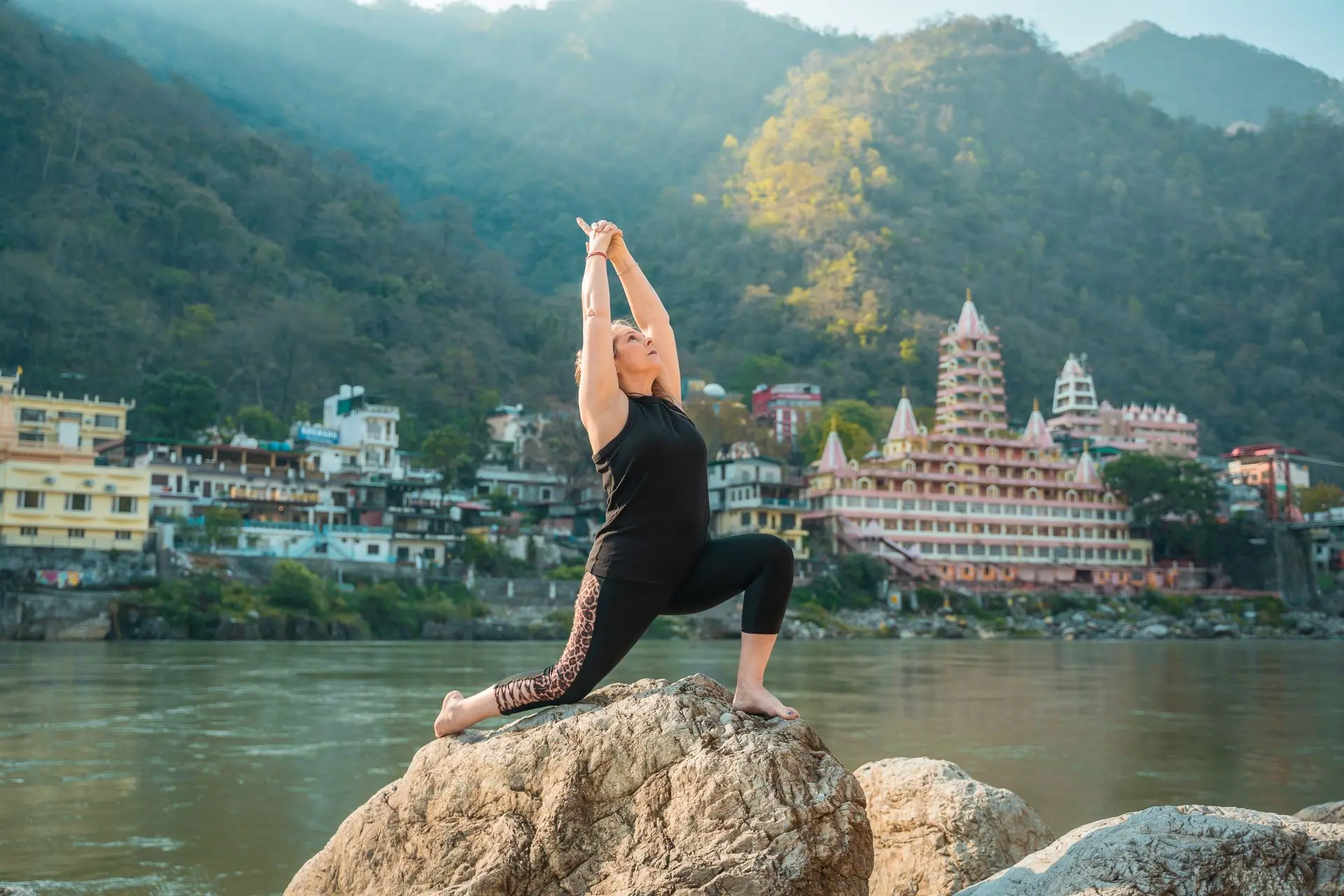
Rishikesh
Rishikesh yoga retreat
Price on request
View details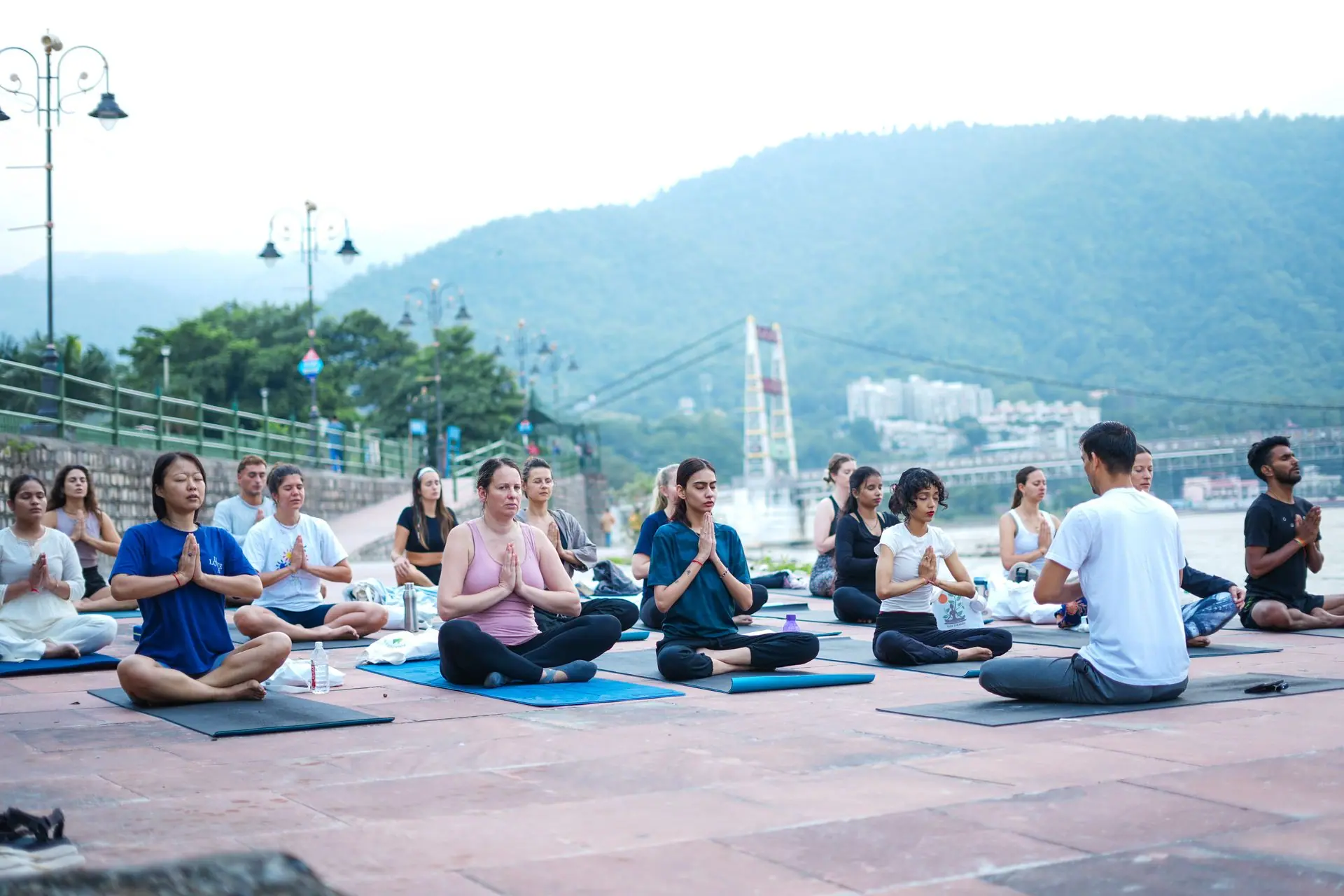
Rishikesh
Yoga teacher training in Rishikesh
Price on request
View detailsAdventure in other states
See all

Frequently asked questions
What adventure activities can you do in Rishikesh?
Uttarakhand Tourism lists white-water rafting and kayaking on the Ganga, bungee jumping, a giant swing, a zipline, rock climbing and treks such as the Kunjapuri trail. We arrange three: a rafting run, the bungee jump and a night at a riverside camp, each with a private vehicle for the transfers. For classes and retreats instead, see our yoga experiences in Rishikesh; for adventure elsewhere, our adventure experiences across India.
Where does rafting start in Rishikesh?
Uttarakhand Tourism gives Shivpuri, 19 km from Rishikesh, as the start of the most common run, about 11 km down to Lakshman Jhula, and calls Byasi, 30 km away, a rafting and water-sports hub. Our runs put in at points such as Kaudiyala, Shivpuri or Marine Drive and come out near the town or Ram Jhula. The further upstream you start, the longer the run and the more sustained its rapids.
Which Rishikesh adventure suits a first-timer?
Any of the three, for different reasons. The bungee jump needs no skill or fitness, only the will to step off the platform once you are clipped in. The camp is a manageable night outdoors for most fitness levels. Rafting asks for basic confidence in water rather than any swimming qualification, and first-timers are best on one of the shorter, gentler stretches, with the guide steering from the back.
Does the Rishikesh bungee jump run all year?
Yes, weather permitting, which makes it the one activity on this page that carries on in July and August, when rafting is out of season and the riverside camps are closed. October to April is the more comfortable time for most visitors. Operators set a weight range and a minimum age and check both at registration on the day, so we confirm the current limits with the operator when you enquire.
How many people go in a raft on the Ganga?
No more than the raft is certified for. Uttarakhand's rafting rules allow at most eight guests in a 16-foot raft and six in a 14-foot raft, each time with a guide and a trainee guide aboard. Between rapids, the calmer water is the moment to look up at the river gorge and the forested hills on either side.
What shoes and clothes do I need for rafting in Rishikesh?
Quick-drying clothes and footwear that stays on: sandals with a strap or old trainers, since flip-flops come off in the water. Bring a change of clothes and a towel for afterwards, plus sun cream and a hat, which matter even on an overcast day. Leave your phone and valuables at the hotel unless the operator gives you a dry bag. Our India packing guide covers the rest of the trip.
Do rafting operators in Rishikesh need a permit?
Yes. Commercial rafting in Uttarakhand needs a permit from the Uttarakhand Tourism Development Board; a raft run without one can be seized, and repeat offenders can lose their permit. Every guide must also carry a valid identity card. We arrange your run with the operator and handle the transfers either side, and you are free to ask your guide for that card before you get in.
About Adventure experiences in Rishikesh
The Rishikesh adventure activities we arrange are three: white-water rafting on the Ganga above the town, a bungee jump from a fixed platform over a river gorge a short drive away, and a night at a riverside camp. Rafting suits people aged 14 to 65 who are comfortable in water, the jump suits thrill-seekers within the operator's limits, and the camp suits couples, friends and families with older children.
Reviewed by Experience My India Editorial Team
How to choose your adventure in Rishikesh
Rafting is the one to plan around. On our river rafting trip the stretch you book sets both the distance and the rapids: the longer runs from further upstream carry the most sustained rapids, while the short run below Brahmpuri is the gentle introduction. Choose by how confident you are in water, and tell us if you are not a confident swimmer, because it changes the stretch we suggest.
The bungee jump is the opposite: a few seconds of free fall instead of a couple of hours on the river. You jump alone from a fixed platform above a river gorge, in a harness and cord that trained staff fit and check just before, and you need no skill or fitness. Uttarakhand Tourism names Mohanchatti as the place for bungee jumping, with jumps of up to 83 metres.
The riverside camp is the gentlest of the three: a tent on the Ganga's banks upstream of the town, a bonfire and dinner by the water, and for most guests a rafting run before or after, either rafting down to the camp or rafting the next morning. Tents range from simple ones sharing a bathroom to more comfortable ones with their own, so tell us which you need.
First-timers, and families whose children are 14 or older, can pair a short rafting stretch with a night at camp; the jump is for thrill-seekers who want something short and intense.
What to expect
- Rafting: after a hotel pickup and the drive to the put-in, you are fitted with a life jacket and helmet and briefed on paddle commands and what to do if you go into the water. The guide steers from the back while everyone paddles, and on most runs the raft stops in a calm pool partway down for a swim.
- Bungee: registration, a weigh-in and the operator's paperwork come first, then the harness, the cord and a briefing on how to hold your body as you fall. The jump lasts seconds, but the visit takes the better part of a morning or afternoon.
- Camp: you arrive by raft or by road in the afternoon, with free time to swim in a calm stretch or walk the bank. As the light goes there is a bonfire and dinner on the riverbank, then a night in the tent before town or your next rafting run.
When to go
The state's rafting rules set the season on the Ganga at 1 September to 30 June, and let the Uttarakhand Tourism Development Board change it according to the water in the river; the board's own advice is that September to June are the best months to raft. July and August fall outside the season. Rishikesh is a tehsil of Dehradun district, where the district administration records July and August as the rainiest months of a wet June-to-September season.
The bungee jump runs through the year, weather permitting. The camps follow the rafting season and close through the monsoon. For comfort, our rafting page suggests October to April. For the rest of the town, see our Rishikesh travel guide.
Rules and practical points
For the jump, wear fitted clothes and closed shoes, leave scarves and jewellery at the hotel, and bring photo ID. Pregnancy, heart conditions and some back or neck problems usually rule it out, so mention any heart or blood-pressure medication when you enquire. At camp, a light jacket helps after dark, insect repellent is worth carrying, and the camps serve no alcohol or meat.
On the river, the state's River Rafting/Kayaking Rules include these points that affect you:
- No one under 14 or over 65 may raft.
- Helmets are compulsory, alcohol and smoking are banned during rafting, and guides may not take anyone who is intoxicated.
- Every guide needs a valid first-aid certificate, and the state's technical committee checks rafting and rescue equipment and examines the guides every year.
- Rafts may put in and come out only at points that technical committee has fixed.
Plan a trip
Tailor-made quote from a specialist