
Last updated:
Ladakh Trip Guide: Itinerary, Cost & Permits
Plan this trip: Ladakh tour packages →
By Experience My India Editorial Team
Destination specialists and licensed local guides
There’s something strange about Ladakh that people usually don’t understand until they actually land there. The photos look unreal, almost edited. The mountains feel too dramatic. The lakes seem impossible. But the moment you step out at Leh Airport, the first thing you notice isn’t beauty. It’s the silence.
Even regular breathing feels different at 3,500 meters.
A lot of travelers plan a Ladakh trip thinking it’s just another hill station vacation. Then altitude sickness hits on Day 1, fuel stations disappear for hours, mobile networks stop working somewhere after Khardung La, and suddenly the trip becomes very real. That’s exactly why building the right Ladakh trip itinerary matters more here than in most destinations across India.
This guide is for travelers planning a practical, realistic, and memorable Ladakh journey in 2026 without unnecessary confusion. From permits and travel costs to acclimatization and road planning, everything here comes from what travelers genuinely struggle with once they arrive.
| Criteria | Information |
|---|---|
| Ideal Trip Duration | 7–9 Days |
| Best Time to Visit | June to September |
| Starting Point | Leh |
| Average Budget | ₹35,000–₹55,000 per person |
| Highest Altitude | Khardung La Pass |
| Main Destinations | Leh, Nubra Valley, Pangong Lake, Sham Valley |
| Permit Required | Inner Line Permit (ILP) |
| Best Transport | SUV, Bike, or Shared Cab |
| Mobile Network | BSNL, Airtel, Jio Postpaid |
| Trip Style | Road Trip, Adventure, Photography, Culture |
Right below this overview, one thing becomes clear. A successful Ladakh journey is less about luxury and more about preparation. People who rush the itinerary usually spend half the trip exhausted.
Why Most Ladakh Trips Become Tiring By Day 3
One common mistake? Travelers try to “cover” Ladakh instead of experiencing it.
Someone lands in Leh in the morning and immediately heads toward Pangong Lake because they saw it in a movie reel. A few hours later, my headaches started. Appetite disappears. Sleep becomes difficult. That’s usually the body reacting to sudden altitude change.
A proper Ladakh trip itinerary always begins slowly.
The air here is thinner than most first-time visitors expect. Even climbing stairs near the Leh Main Bazaar can feel surprisingly tiring on the first day. Locals move calmly for a reason.
Day 1 – Arrive in Leh and Do Almost Nothing
This sounds boring on paper. Honestly, it becomes one of the smartest decisions of the entire trip.
Arrive at Leh Airport and head directly to your hotel.
Things to follow carefully:
Many travelers underestimate Acute Mountain Sickness (AMS). Even healthy people get affected. The body simply needs time.
A slow evening walk near the market is fine if you feel normal, but don’t force it.
- Stay indoors and rest for at least 24 hours
- Drink plenty of water
- Avoid smoking and alcohol completely
- Eat light meals
- Do not run around for sightseeing
Day 2 – Leh Local Sightseeing
By the second morning, breathing usually feels easier.
Now the city starts opening up properly.
Places to visit:
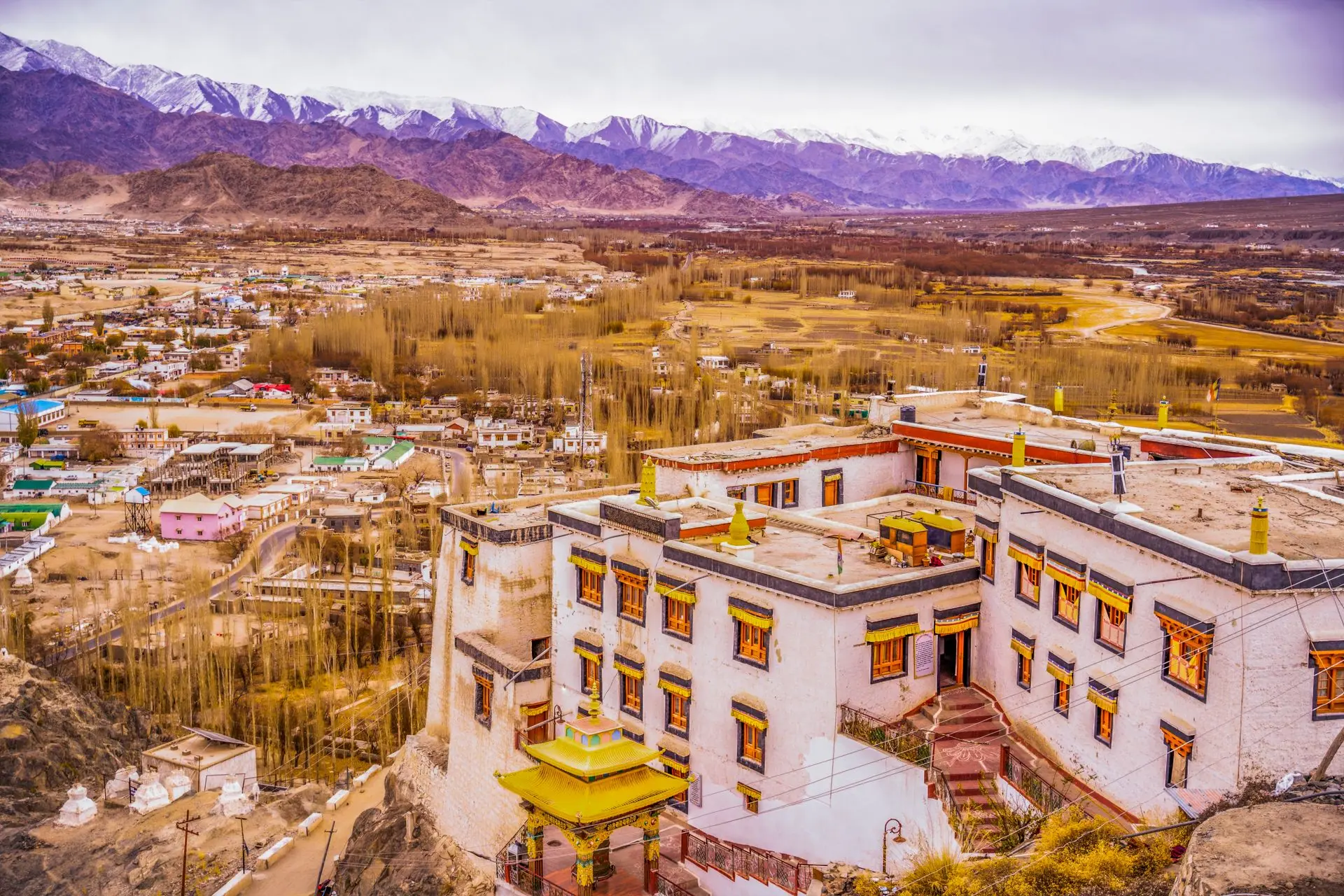
- Leh Palace
- Shanti Stupa
- Hall of Fame Museum
- Leh Main Bazaar
| Criteria | Approx Time Needed |
|---|---|
| Leh Palace | 1 Hour |
| Shanti Stupa | 45 Minutes |
| Hall of Fame | 1–1.5 Hours |
| Main Bazaar | Flexible |
The evening market in Leh has its own pace. Cafes stay busy with bikers discussing routes, oxygen levels, and road conditions. You’ll hear people comparing journeys from Manali and Srinagar almost everywhere.
That’s another thing people don’t notice before visiting Ladakh. Everyone here seems connected by the road.
Day 3 – Leh to Nubra Valley
This becomes the first major road-trip day in the Complete Ladakh road trip itinerary and travel cost experience.
Distance: Approximately 160 km Travel Time: Around 5–6 hours
Main highlights:
Crossing Khardung La feels surreal at first. Prayer flags move violently in freezing winds while travelers stop for quick photographs before rushing back into vehicles because oxygen levels drop noticeably.
A small but useful tip: don’t stay too long at the top.
After descending toward Nubra Valley, the landscape changes dramatically. Dry mountains suddenly meet patches of green villages.
At Hunder, double-humped Bactrian camels walk slowly across cold desert sand. It almost feels geographically confusing.
- Khardung La Pass
- Diskit Monastery
- Hunder Sand Dunes
Day 4 – Nubra Valley to Pangong Tso
This route follows the scenic Shyok River road.
Distance: Around 275 km Travel Time: 6–7 hours
The road conditions can change quickly here. Smooth stretches suddenly become rocky patches. That unpredictability is part of the Ladakh experience honestly.
Things to explore:
By evening, temperatures near the lake drop sharply, even during summer months.
Most people expect silence at Pangong Lake, but what surprises them is how emotional the place feels after such a long journey. Maybe it’s the altitude. Maybe it’s exhaustion. Hard to explain.
- Pangong Tso
- Lakeside camps
- Sunset photography points
Day 5 – Pangong Tso to Leh
Route via Chang La Pass
Distance: Approximately 225 km
After several high-altitude drives, travelers usually feel more confident by now. The body adapts slowly.
Evening activities:
Popular items:
One useful observation though. Bargaining aggressively in small Ladakhi shops rarely feels right. Most businesses here are family-run and seasonal.
- Local shopping
- Tibetan food cafes
- Souvenir shopping in Leh Bazaar
- Pashmina products
- Prayer wheels
- Apricot-based products
- Handcrafted jewelry
Day 6 – Sham Valley Day Trip
This section of the Leh Ladakh travel guide with budget and permits feels calmer compared to Nubra or Pangong.
Main attractions:
- Magnetic Hill
- Sangam Point
- Gurudwara Pathar Sahib
| Criteria | Distance from Leh |
|---|---|
| Magnetic Hill | 30 km |
| Sangam Point | 35 km |
| Gurudwara Pathar Sahib | 25 km |
At Sangam, you can actually notice the color difference between the Indus and Zanskar Rivers during certain months.
Small moments like these stay longer than planned tourist stops.
Day 7 – Departure from Leh
Most travelers leave with hundreds of photos but also with unexpected respect for the region.
Ladakh is beautiful, yes. But it’s also physically demanding, unpredictable, and deeply humbling.
That combination is exactly why people return.
Ladakh Trip Cost Breakdown for 2026
The overall budget depends heavily on transport style.
| Criteria | Budget Trip (Shared) | Mid-Range Trip (Private) |
|---|---|---|
| Flights from Delhi | ₹8,000 – ₹12,000 | ₹12,000 – ₹18,000 |
| Hotels/Camps | ₹7,000 – ₹10,000 | ₹15,000 – ₹25,000 |
| Transport | ₹8,000 – ₹12,000 | ₹22,000 – ₹30,000 |
| Food & Permits | ₹5,000 – ₹8,000 | ₹10,000 – ₹15,000 |
| Total Cost | ₹28,000 – ₹42,000 | ₹59,000 – ₹88,000 |
Bike Rental Costs
For travelers planning a bike adventure:
The Ladakh bike trip permit rules and travel planning process becomes slightly more important for bikers because fuel stations are limited outside Leh.
Many riders carry extra fuel cans for longer stretches.
- Bike rental: ₹1,500-₹2,500 per day
- Fuel estimate: ₹8,000-₹12,000
Permit Rules Most First-Time Travelers Confuse
Inner Line Permit (ILP) is compulsory for restricted areas.
Required for:
- Nubra Valley
- Pangong Lake
- Tso Moriri
| Criteria | Approx Cost |
|---|---|
| Environmental Fee | ₹400 |
| Wildlife Fee | ₹20 per day |
| Red Cross Contribution | ₹50 Optional |
| Total Estimate | ₹600-₹800 |
Documents Required
You’ll need these copies repeatedly at army checkpoints.
People often forget this and end up paying extra at random photocopy shops in Leh.
- Aadhaar Card
- Passport
- Voter ID
- 4-5 photocopies
How to Apply
- Online via LAHDC Leh Portal
- Offline at Leh DC Office
Connectivity Problems
Only postpaid SIM cards work reliably in Ladakh.
Best networks:
Remote areas still experience zero signal.
Sometimes that disconnect actually becomes refreshing after the initial panic fades.
- BSNL
- Airtel Postpaid
- Jio Postpaid
Cash Matters More Than You Think
Carry at least: ₹15,000-₹20,000 cash
ATMs mainly exist around Leh town, and many stop working during peak tourist season.
Card payments fail surprisingly often outside the city.
Best Time to Visit Ladakh
The best travel window is: June to September
Why?
July and August usually see heavier crowds around Pangong and Nubra Valley.
If someone prefers quieter roads, early June or September often feels better.
- Roads remain open
- Snow barriers become accessible
- Weather stays comparatively stable
- Camps operate fully
Planning Support Partner
Planning a Ladakh trip can honestly become overwhelming once permits, transport routes, acclimatization, hotels and fuel calculations enter the picture. That’s where Experience My India quietly becomes useful for many travelers. Instead of overloading visitors with fixed packages, they usually help simplify practical planning decisions, especially for first-time travelers unsure about road routes, permits and realistic timing. Sometimes having someone explain what actually works in Ladakh matters more than finding the cheapest itinerary online.
ContactExperience My IndiaToday:
Call Us:+91 73022 65809
WhatsApp Us:+91 73022 65809
Visit Our Website:Experience My India
Read our reviews on Tripadvisor.
By Air
Flying remains the fastest and most practical option.
- Nearest airport: Kushok Bakula Rimpochee Airport, Leh
- Direct flights available from: DelhiMumbaiChandigarhSrinagar
By Road
Two major road routes:
Road trips usually take:
- Manali to Leh Highway
- Srinagar to Leh Highway
- 2 Days from Manali
- 2 Days from Srinagar
By Train
No direct railway station exists in Ladakh.
Nearest major stations:
After that, road travel continues toward Leh.
- Jammu Tawi
- Chandigarh
Conclusion
Maybe that’s why Ladakh stays with people long after the trip ends. Not because of one lake or one mountain pass, but because the place quietly slows you down in a world where everyone seems to be rushing somewhere. Up there, between cold winds, army checkpoints and endless roads cutting through silence, even simple things start feeling strangely important again.
Frequently asked questions
1. What is the ideal duration for a Ladakh trip?
A 7-9 day Ladakh trip itinerary works best for most travelers. It gives enough time for acclimatization, local sightseeing, Nubra Valley, Pangong Lake and a relaxed return without making the journey exhausting.
2. What is the average cost of a Ladakh trip in 2026?
For a standard trip, travelers usually spend around ₹35,000–₹55,000 per person depending on flights, hotels, transport type and food preferences. Private SUVs and bike trips can increase the budget further.
3. Is Inner Line Permit mandatory for Ladakh?
Yes. An Inner Line Permit (ILP) is required for visiting restricted areas like Nubra Valley, Pangong Lake and Tso Moriri. Indian travelers can apply online through the LAHDC Leh portal or offline in Leh.
4. Which is the best month to visit Ladakh?
The best time to visit is between June and September when major roads and mountain passes remain open. June usually has fewer crowds, while July and August are busier because of peak tourist season.
5. Can I travel to Ladakh by bike?
Yes, and many travelers specifically plan a Ladakh bike trip itinerary for the experience. Bike rentals in Leh generally cost between ₹1,500-₹2,500 per day excluding fuel expenses.
6. Is altitude sickness common in Ladakh?
Yes, especially during the first 24-48 hours. Since Leh is located at high altitude, proper acclimatization is extremely important. Travelers should rest on Day 1, stay hydrated and avoid alcohol or smoking.
7. Are mobile networks available in Ladakh?
Only postpaid SIM cards work properly in most areas. BSNL, Airtel and Jio postpaid provide the best coverage around Leh, though remote regions may still have no signal.
8. How much cash should I carry for a Ladakh trip?
It is recommended to carry at least ₹15,000-₹20,000 in cash because ATMs are limited outside Leh town and often run out of cash during peak travel months.
9. Which route is better for a Ladakh road trip: Manali or Srinagar?
Both routes are scenic, but many travelers prefer entering via Srinagar-Leh Highway because the gradual altitude gain helps reduce AMS risk. The Manali-Leh route feels more adventurous but physically demanding.
10. Is Pangong Lake worth staying overnight?
Yes. Staying overnight near Pangong Tso allows travelers to experience sunrise, changing lake colors and a quieter atmosphere after most day visitors leave. Nights can become extremely cold, even during summer months.
Ladakh tour packages
Tour package
Leh and Khardung La road trip: 5 days in Ladakh
5 daysFree cancellation
Price on request
View itinerary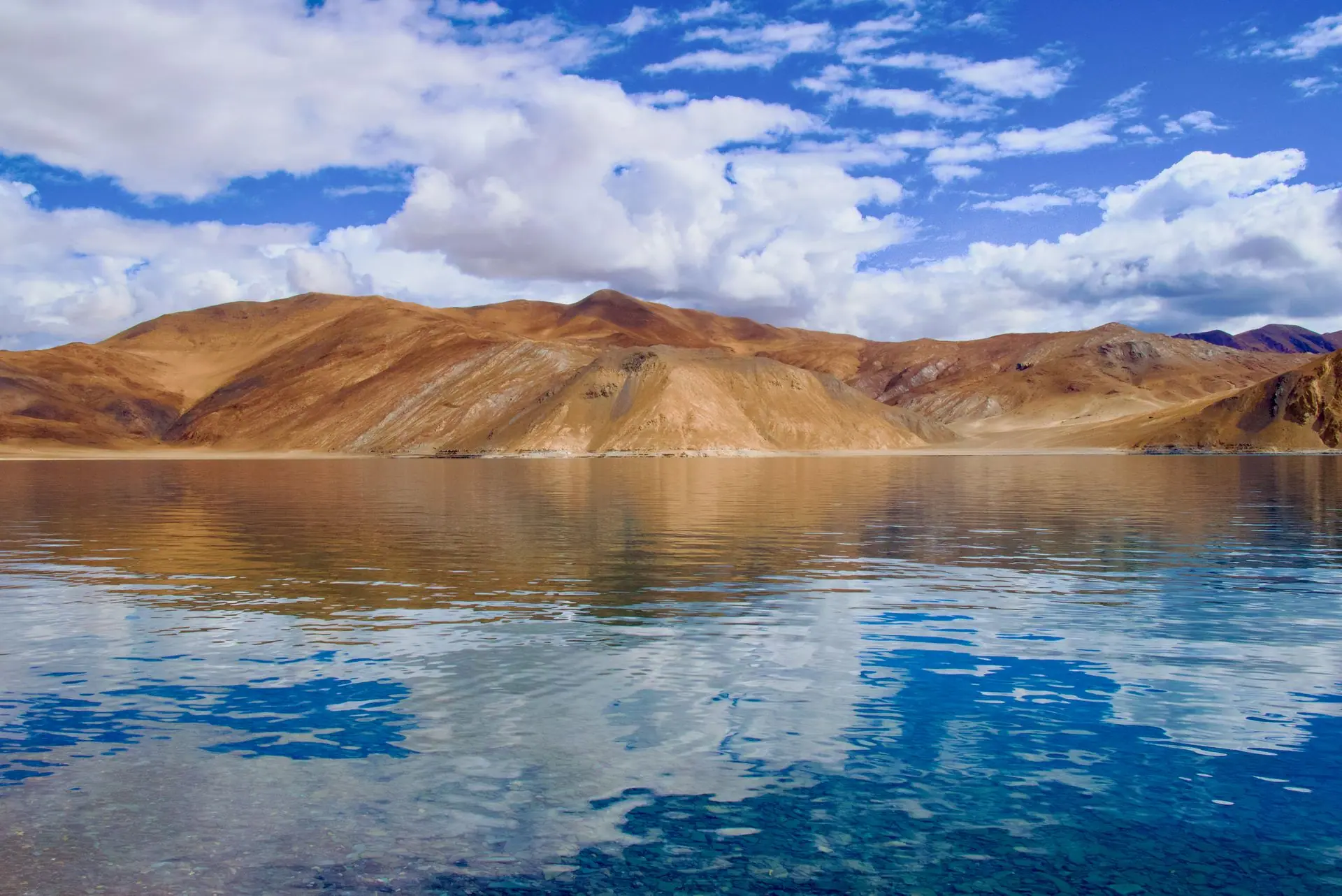
Tour package
Leh, Nubra Valley and Pangong Lake circuit
Free cancellation
Price on request
View itinerary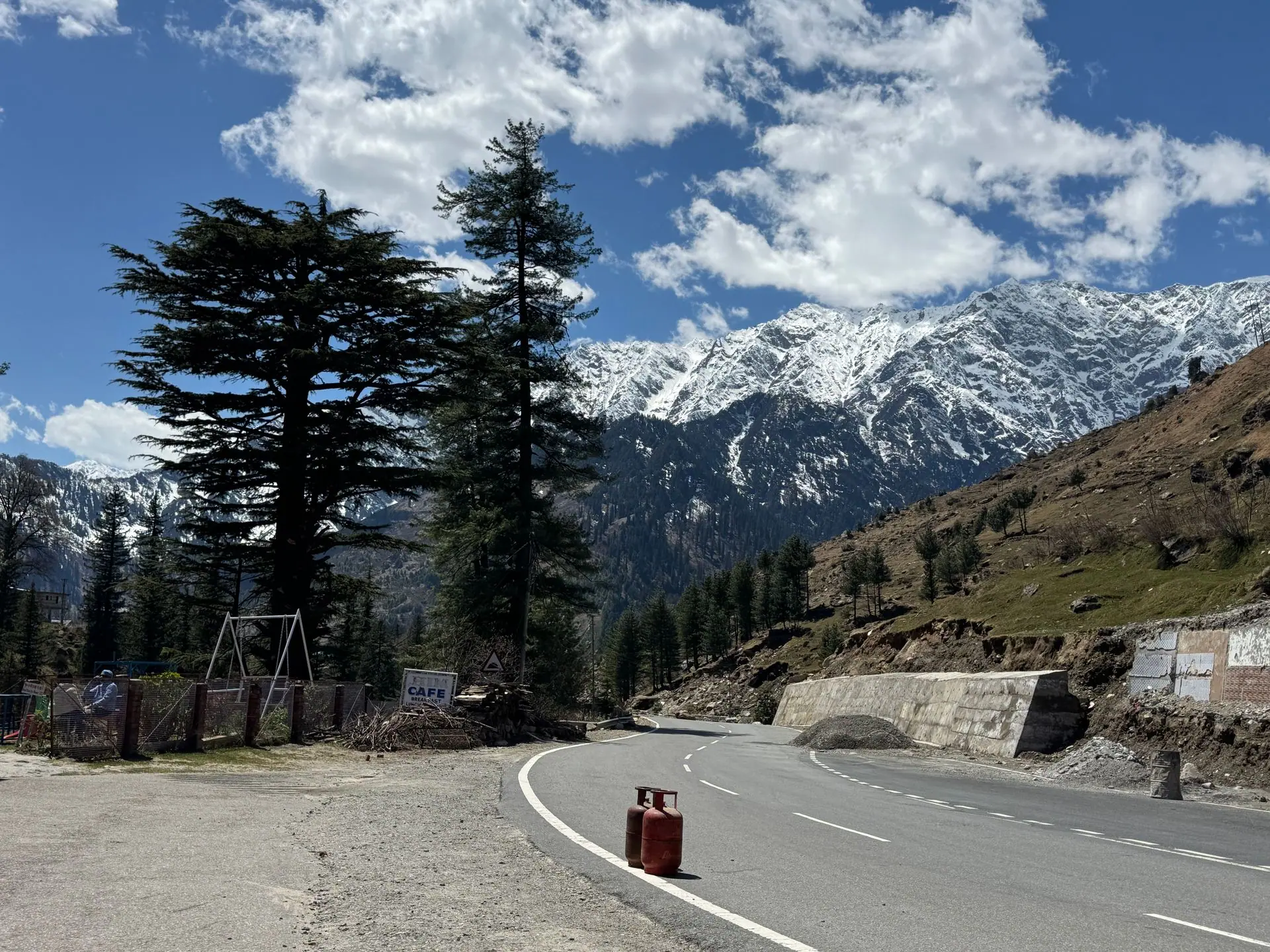
Tour package
Manali–Leh highway: the classic high-altitude drive
Free cancellation
Price on request
View itineraryTour package
Ladakh Tour — 8 days, Leh, Nubra and Pangong
8 days / 7 nightsFree cancellation
Price on request
View itineraryExperiences in Ladakh
Festivals & Events
Hemis Festival, Ladakh
Free cancellation
Price on request
View detailsRelated guides
Customer reviews
Experience My India is rated 4.3 on Tripadvisor. We publish guest reviews after each trip.
Why book with Experience My India
Government-approved operator
Approved by the Ministry of Tourism, Government of India
500+ vetted local guides
35+ destination specialists plan every trip by hand.
Human help, every day
Mon–Sun, 9:00 AM – 9:00 PM IST · +91 73022 65809
No payment until you approve
You receive a written quote first; nothing is charged to start planning.
Browse experiences by theme
See all
Wildlife Safaris
8 experiences
Heritage & Architecture
2 experiences
Beaches & Islands
5 experiences
Wellness & Ayurveda
1 experience
Yoga & Meditation
4 experiences
Trekking
2 experiences
Adventure
6 experiences
Culinary
5 experiences

Festivals
8 experiences
Performing Arts
5 experiences
Luxury Trains
4 experiences
Houseboats
3 experiences
Toy Trains & Railways
1 experience
Village & Tribal Tourism
2 experiences
Glamping & Desert
1 experience
Honeymoon & Romance
3 experiences
VIP & Luxury
2 experiences
Plan a trip
Tailor-made quote from a specialist