
South Goa Travel Guide: Beaches, Forts, Mansions and Planning
South Goa is the long, quieter southern half of Goa's coast, with wide sands at Colva, Benaulim and Varca, small coves at Palolem, Patnem and Agonda, and forts, mansions and a wildlife sanctuary inland. The places to visit in South Goa run from Margao and Chandor to Cabo de Rama and Cotigao. October to March is the main season.
By Gurudutt Kaushal · Reviewed by Gurudutt Kaushal
See all 1 tour or experience in South Goa →
Government-approved operatorApproved by the Ministry of Tourism, Government of India
Places to visit in South Goa
Things to do in South Goa
The south is for slow days. Our Goa yoga retreat around Palolem, Agonda and Patnem holds classes around sunrise or sunset, leaves the rest of the day free, and suits beginners and experienced practitioners alike. Nights 3 and 4 of our Goa Beach Escape are in South Goa, with a free day on the sands of Palolem or Agonda, or by the resort pool near Majorda. Boat rides, dolphin trips and kayaking all count as water sports under the state's rules: registered operators only, in daylight, and not in the monsoon. Everything we offer here is on the South Goa tours and experiences page.
Best time to visit South Goa
October to March is the main season, which GTDC calls very pleasant, with the sea in its normal state. Incredible India says the best time for Palolem is November to February. The monsoon, from June to September, brings seas that GTDC describes as rough, with dangerous undercurrents, and the Department of Tourism says not to swim; our yoga retreat page says it closes many beach-side properties. Cotigao and the inland villages stay open and green. For the whole year, see our best time to visit Goa guide.
How to reach South Goa
- By air: Dabolim (GOI), a civil enclave in the Indian Navy's INS Hansa airbase near Vasco da Gama, is the closer airport to the south. Manohar International Airport at Mopa is at the far northern end of the state.
- By train: Madgaon (Margao) is the Konkan Railway terminus in Goa, and Canacona station, 3 km from Palolem, is on the same line.
- By road: Palolem is about 40 km from Margao, and GTDC says connections to the far south are not as easy as elsewhere in Goa, so hiring a bike or a car is advisable; buses do run the 38 km from Margao to Canacona.
How many days in South Goa
Two or three days are enough for one stretch of the coast and a day inland. The Colva to Cavelossim belt suits a first stay near Margao and the airport; Palolem, Patnem and Agonda suit longer, quieter stays. The coast is also the second half of the classic Goa itinerary: see our North Goa travel guide for the first, and the Goa travel guide for the whole state.
Where to stay in South Goa
Resorts, cottages and guesthouses line the Colva and Majorda stretch, and Varca, Cavelossim and Mobor have some of the state's most exclusive resorts, with budget stays set back from the sand. Palolem has beach huts and family rooms, Patnem is quieter again, and Agonda has very few facilities. A note on names: the Canacona taluka, which holds Palolem, Patnem and Cotigao, was placed in the new Kushavati district by notification of 31 December 2025, but travellers still call the whole southern coast South Goa, and so does this guide.
Getting around and tips
- Distances are long: Palolem is more than 70 km from Panaji. Hire a car with a driver, or a scooter, and fix a taxi fare for the whole journey before you get in.
- Swim only in the zones marked with red and yellow flags and watched by lifesavers. The Government of Goa promises lifeguards on all the popular beaches, so ask locally before swimming at quieter ones such as Agonda and Galgibaga, where GTDC warns that the sea is not always safe.
- All beaches are closed from sunset to 7 am, and alcohol, drugs and smoking are banned on them.
- Dress with respect at churches and temples, and keep an eye on belongings.
Why book with Experience My India
Government-approved operator
Approved by the Ministry of Tourism, Government of India
500+ vetted local guides
35+ destination specialists plan every trip by hand.
Human help, every day
Mon–Sun, 9:00 AM – 9:00 PM IST · +91 73022 65809
No payment until you approve
You receive a written quote first; nothing is charged to start planning.
Frequently asked questions
What is South Goa known for?
Long, quiet beaches, from the Colva belt to the coves of Palolem, Patnem and Agonda, and for being slower than the north. It is also known for Margao and the Indo-Portuguese mansions at Chandor, for the turtle beach at Galgibaga, and for Cabo de Rama fort and Cotigao Wildlife Sanctuary in the far south.
What are the best beaches in South Goa?
Colva has the most facilities and Benaulim is calmer, Varca, Cavelossim and Mobor are the cleaner and quieter run, Palolem the cosy bay with swimming and boat trips, and Patnem and Agonda the quietest. Galgibaga is a turtle-nesting beach with no shacks and rough seas. Choose by how much company you want.
Which places in South Goa are not beaches?
Margao's Holy Spirit Church and bazaar, the Indo-Portuguese mansions of Chandor, Rachol Seminary, the Naval Aviation Museum near Bogmalo, Goa Chitra at Benaulim, Cabo de Rama fort and Cotigao Wildlife Sanctuary. Most are within a day's drive of Margao, though Cotigao and Cabo de Rama are far south.
Is there nightlife in South Goa?
Much less than in the north. GTDC says Palolem has one of the best party scenes in the state but advises caution, and the rest of the south is quiet after dark. The beaches are closed from sunset to 7 am, so evenings are spent in shacks, restaurants and resorts rather than on the sand.
Is South Goa good for yoga retreats?
Yes. Palolem, Agonda and Patnem are a well-known base for yoga stays. Our Goa yoga retreat holds classes around sunrise or sunset, runs from a few days to about two weeks, leaves the rest of the day free, and quotes mid-November to February as its reliable season, since the monsoon closes many beach-side properties.
How do you get to South Goa?
Fly to Dabolim, near Vasco da Gama, or take the Konkan Railway to Madgaon (Margao) or Canacona. From Margao, Palolem is about 40 km by road, and buses run to Canacona, though GTDC advises hiring a bike or a car for the far south. Agree taxi fares for the whole journey before you set off.
Can you swim safely on South Goa's beaches?
Palolem is among Goa's safest swimming beaches, according to Incredible India, and GTDC says Patnem is usually safe, with lifeguards' instructions to follow. It warns against swimming out far at Agonda and says Galgibaga's seas are not always safe. Use the flagged zones where lifesavers watch, and do not swim in the monsoon.
Is South Goa worth visiting in the monsoon?
For the countryside, more than for the sea. The Department of Tourism says not to swim and the state's policy bars water sports, and many beach-side properties close. Cotigao is accessible in all seasons and green, while Cabo de Rama has no shelter and GTDC advises against going. Margao, Chandor and the museums are inland alternatives.
Experiences in South Goa
See all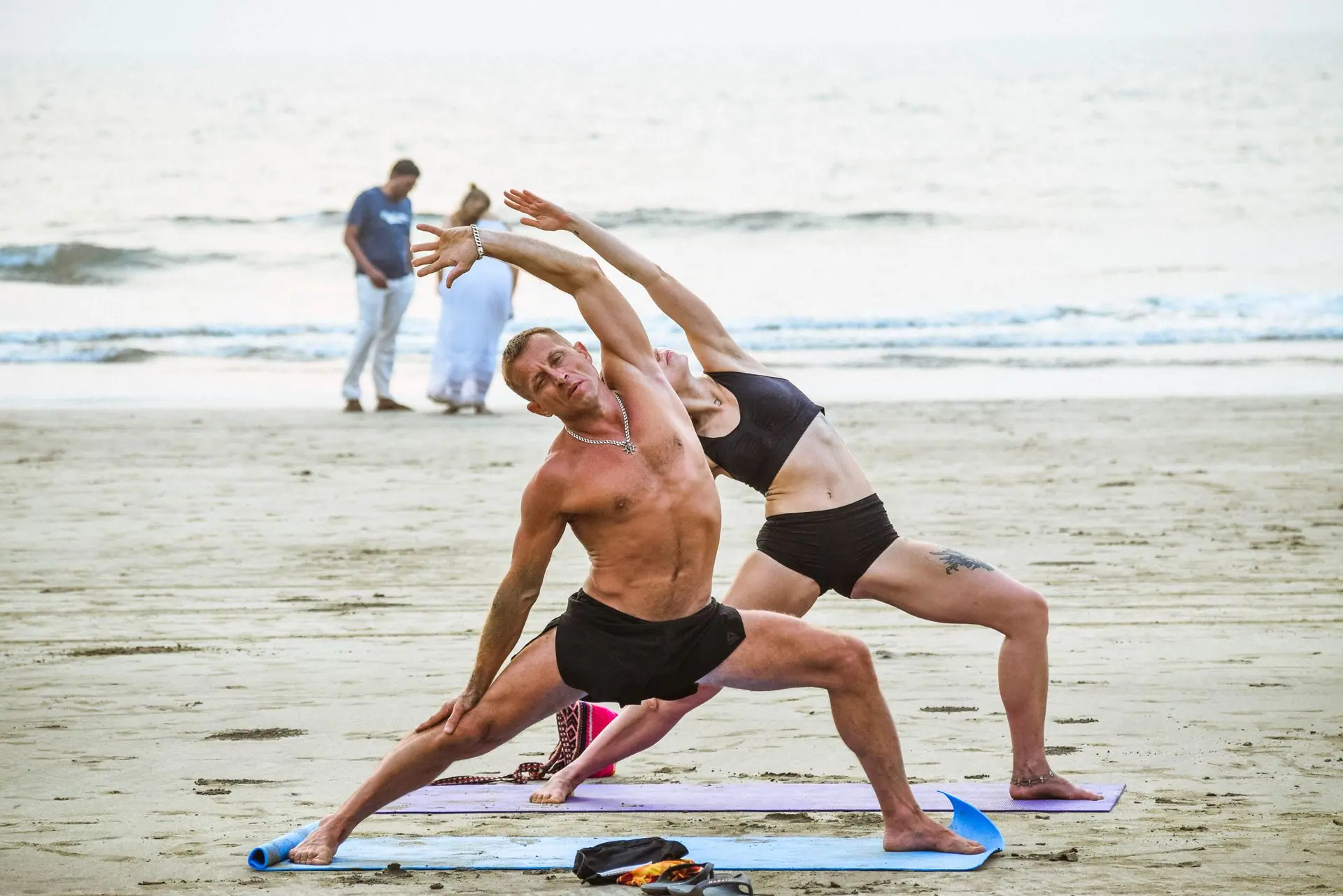
South Goa
Goa yoga retreat
Private guide and vehicle where the retreat needs one
Price on request
More places in Goa
See all
Customer reviews
Experience My India is rated 4.3 on Tripadvisor. We publish guest reviews after each trip.
Plan a trip
Tailor-made quote from a specialist