
Last updated:
How Much Gold and Jewellery Can You Bring into India?
India's Baggage Rules, 2026 apply wherever you fly from. A resident or person of Indian origin who has lived abroad for more than a year may bring in jewellery free of duty up to 40 grams for a woman and 20 grams for any other passenger. Gold bars and coins have no free allowance and must be declared. Foreign tourists may bring the personal jewellery they need for the trip.
By Experience My India Editorial Team
Destination specialists and licensed local guides
The rules in force
India's customs allowances for passengers are set by the Baggage Rules, 2026, notified by the Central Board of Indirect Taxes and Customs (CBIC) on 1 February 2026 and in force since 2 February 2026. They replaced the Baggage Rules, 2016. The jewellery allowance is now set by weight alone: the money limits that went with it under the old rules have gone. Flying from Dubai, London or Singapore makes no difference; what matters is who you are (a resident, a person of Indian origin, a foreign tourist) and how long you have lived abroad.
Rules change, and customs officers at the airport decide whether what you carry counts as bona fide baggage. If you are carrying anything valuable, check the current rules on the CBIC website before you fly, and ask a customs officer on arrival if in doubt.
The jewellery allowance for residents and people of Indian origin
If you are a resident of India, or a tourist of Indian origin (customs counts Non-Resident Indians and OCI cardholders in this group), and you have lived abroad for more than one year, you may bring in jewellery free of duty on your return:
- a female passenger: up to 40 grams
- any other passenger: up to 20 grams
Jewellery here means articles of adornment ordinarily worn by a person, made of gold, silver, platinum or other precious metals, studded or not. Customs also treats the used personal jewellery you need for the journey as personal effects, which are free of duty; jewellery beyond that, and beyond your allowance, is allowed in on payment of duty, as long as it is genuinely your own.
Foreign tourists and their jewellery
A tourist of foreign origin gets no special jewellery allowance, but the jewellery you wear and need for the trip counts as personal effects. If you are bringing valuable pieces you intend to take home again, declare them on arrival and ask for a Temporary Baggage Import Certificate. It lets you bring personal effects in free of duty for your stay, on condition that you take them out again. The certificate lasts until your first departure from India or six months, whichever comes first; it cannot be extended, and you must show it, with the items, to customs when you leave.
Jewellery brought in for a wedding or another event and taken back afterwards is handled the same way: customs says it may be allowed in on the basis of a temporary baggage import certificate obtained on arrival.
Gold bars, coins and larger amounts
Gold or silver in any form other than ornaments is listed in Annexure-I of the Baggage Rules, so it gets no duty-free allowance, and the weight-based jewellery allowance does not cover it. Gold bullion has to be declared at the Red Channel.
A passenger of Indian origin, or anyone holding a valid Indian passport, may import gold if they are returning after at least six months abroad, pay the duty in convertible foreign currency and bring no more than one kilogram. These conditions are set in customs notification No. 45/2025-Customs of 24 October 2025, and gold imports also follow the import policy of the Directorate General of Foreign Trade. Anything not declared is dealt with under the Customs Act, 1962, and can be detained.
Your general duty-free allowance
Besides personal effects, each passenger arriving other than by land may bring in new goods free of duty up to a set value:
- residents, tourists of Indian origin, and foreigners on a visa other than a tourist visa: 75,000 Indian rupees
- tourists of foreign origin: 25,000 Indian rupees
Infants get no general allowance, only their used personal effects, and nor does anyone arriving by land. Allowances cannot be pooled: a family cannot add theirs together to bring in one expensive item. Passengers aged 18 or over may also bring one new laptop or notepad free of duty. Firearms, televisions, more than 100 cigarettes, 25 cigars or 125 grams of tobacco, and more than two litres of alcohol fall outside the free allowance.
Cash: what must be declared
You may bring any amount of foreign currency into India, but you must declare it to customs on a Currency Declaration Form if the foreign currency notes come to more than 5,000 US dollars, or if notes, banknotes and travellers' cheques together come to more than 10,000 US dollars, or the equivalent in other currencies. Keep the stamped form: it lets you take unspent declared currency out again when you leave.
Indian rupee notes are limited: a visitor who is not a citizen of Pakistan or Bangladesh may bring in, and take out, up to 25,000 Indian rupees, and the Reserve Bank of India's guidance says that applies when entering through an airport. More on carrying and changing money is on our money in India guide.
How to declare
If you are carrying dutiable or prohibited goods, such as gold bullion, jewellery over your allowance or currency over the limits, you must declare them on the customs baggage form, CBD-I. You can file it online up to three days before you land, through the ICEGATE portal or the Atithi app, and update it until you arrive; if you could not file it in advance, an officer may let you declare on arrival. Then walk through the Red Channel. Passengers with nothing to declare use the Green Channel.
The customs check comes after immigration and the baggage belt. The customs declaration is made on its own form, CBD-I; the e-Arrival Card you file before landing is an immigration form.
Taking jewellery abroad and bringing it back
If you live in India, or are a tourist of Indian origin or a foreigner on a long-term visa, and you are taking valuable jewellery or electronics abroad, you can declare them before you leave and get an Export Certificate (form CBD-III). It makes clearing the same items on your return straightforward. It is valid until your first return to India or for six months, whichever is earlier.
If you buy jewellery in India to take home, keep the shop's tax invoice, and check your own country's customs allowance before you fly: what you pay on arrival there is set by your home country, not by India. For NRI and OCI family trips, our guide for NRIs and overseas Indians covers the rest of the planning, and ATMs and cards in India explains how to change money once you have landed.
Frequently asked questions
Can a couple combine their duty-free allowances?
No. The Baggage Rules say one passenger's free allowance cannot be pooled with another's, so a couple cannot add their allowances together to bring in a single expensive item. Each traveller's allowance covers the goods in their own bona fide baggage. The jewellery allowance is also personal: 40 grams for an eligible female passenger and 20 grams for any other eligible passenger, counted separately.
Do OCI cardholders get the jewellery allowance?
Yes, if they qualify on residence. Customs counts Non-Resident Indians and OCI cardholders as tourists of Indian origin, and a tourist of Indian origin who has lived abroad for more than one year may bring in jewellery free of duty: up to 40 grams for a woman and 20 grams for any other passenger. A foreign tourist who is not of Indian origin gets no special jewellery allowance.
Can I bring a gold coin or a gold bar into India as a gift?
Not free of duty. Gold or silver in any form other than ornaments has no free allowance and must be declared at the Red Channel. Passengers of Indian origin or holding an Indian passport, returning after at least six months abroad, may bring up to one kilogram of gold if they pay the duty in convertible foreign currency. A foreign tourist should not plan on bringing bullion as a present.
What happens if I do not declare gold at customs in India?
Customs can detain goods that are undeclared, dutiable without the duty paid, or not genuine personal baggage, and such cases are dealt with under the Customs Act, 1962. Detained baggage can be cleared on payment of duty, interest and storage charges, or sent back abroad, within six months. Declaring at the Red Channel, or online in advance, avoids all of this.
I am bringing jewellery for a wedding in India. Will I pay duty?
Not if you are taking it home again and declare it. Customs says jewellery carried in temporarily for an event, to be taken back, may be allowed in on a temporary baggage import certificate obtained on arrival. Declare it at the Red Channel, keep the certificate, and show it with the jewellery to customs when you leave India, within six months.
How much cash can I bring into India?
Any amount of foreign currency, but declare it on a Currency Declaration Form on arrival if your foreign notes are worth more than 5,000 US dollars, or your notes and travellers' cheques together more than 10,000 US dollars. Indian rupee notes are limited to 25,000 Indian rupees per visitor, and citizens of Pakistan and Bangladesh may not bring rupees in under this rule.
Related guides
Customer reviews
Experience My India is rated 4.3 on Tripadvisor. We publish guest reviews after each trip.
Why book with Experience My India
Government-approved operator
Approved by the Ministry of Tourism, Government of India
500+ vetted local guides
35+ destination specialists plan every trip by hand.
Human help, every day
Mon–Sun, 9:00 AM – 9:00 PM IST · +91 73022 65809
No payment until you approve
You receive a written quote first; nothing is charged to start planning.
Browse experiences by theme
See all
Wildlife Safaris
8 experiences

Heritage & Architecture
2 experiences

Beaches & Islands
5 experiences
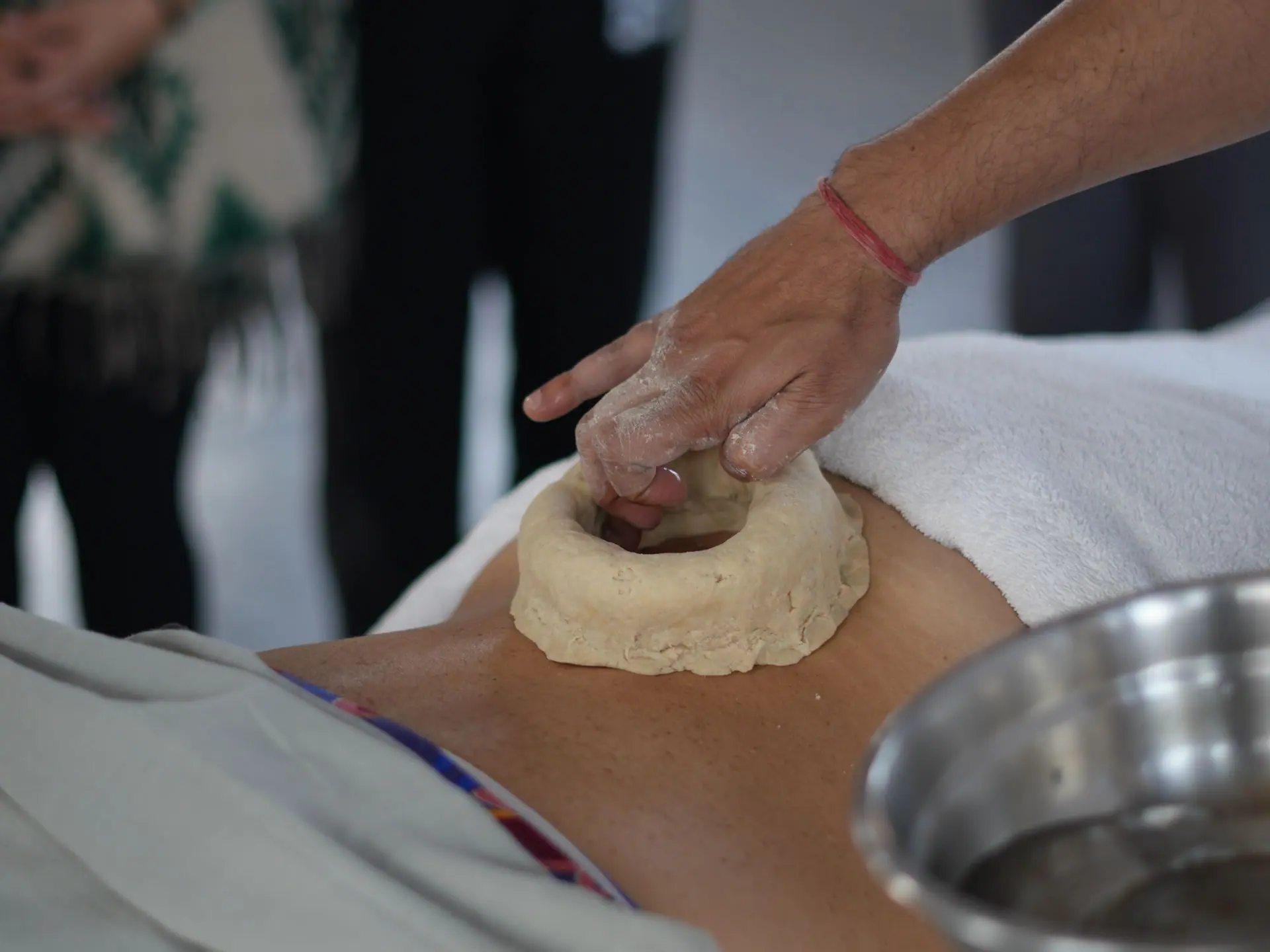
Wellness & Ayurveda
1 experience

Yoga & Meditation
4 experiences

Trekking
2 experiences

Adventure
6 experiences
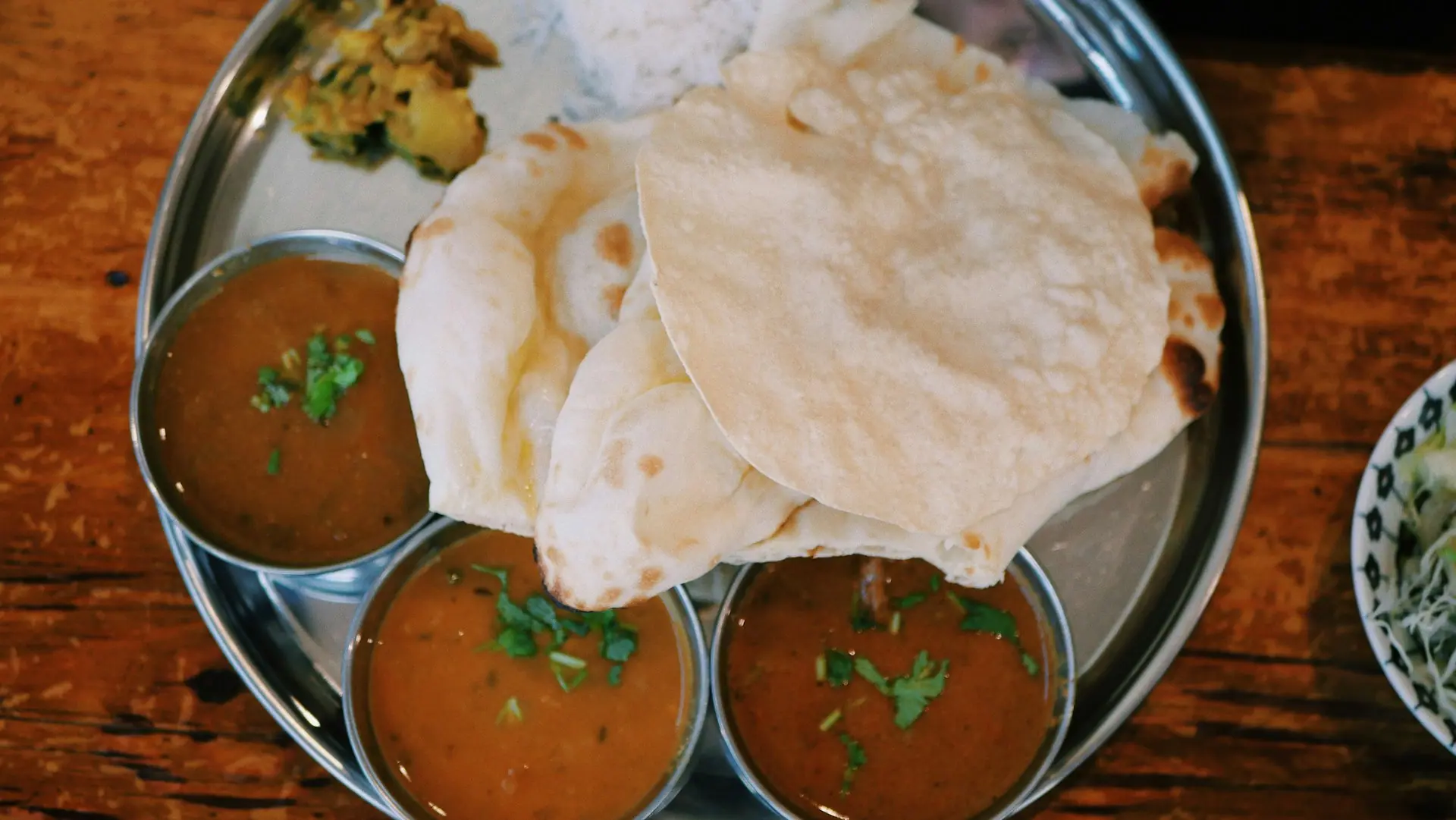
Culinary
5 experiences

Festivals
8 experiences

Performing Arts
5 experiences

Luxury Trains
4 experiences

Houseboats
3 experiences

Toy Trains & Railways
1 experience
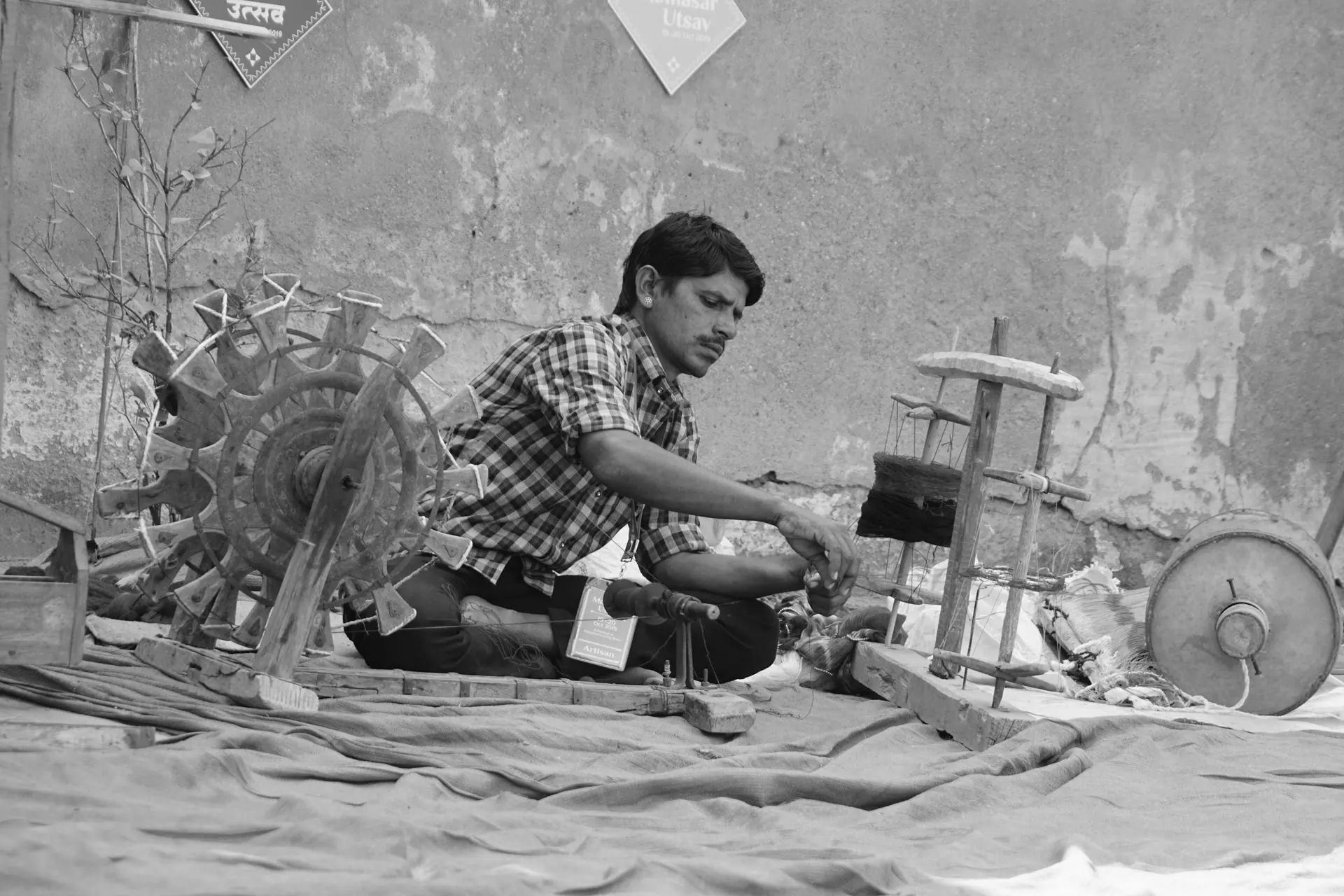
Village & Tribal Tourism
2 experiences

Glamping & Desert
1 experience

Honeymoon & Romance
3 experiences

VIP & Luxury
2 experiences
Plan a trip
Tailor-made quote from a specialist