
Last updated:
SIM Cards and eSIMs in India for Foreign Visitors
In India you can roam on your home plan, use a travel eSIM bought before you leave, or buy an Indian SIM. An Indian connection is issued only after KYC under Department of Telecommunications rules, at an authorised outlet, with your original documents and a live photograph. Since 2024 a foreign visitor no longer needs a second phone number for the OTP signature: it can go to email.
By Experience My India Editorial Team
Destination specialists and licensed local guides
Three ways to stay connected in India
Which suits you depends on how long you stay and whether you need an Indian number.
- Roaming on your home plan needs nothing in India, but check your operator's rates for India before you fly.
- A travel eSIM is bought online before you leave and downloaded to your phone. Your phone has to support eSIM and must not be locked to your home operator, so check both before you rely on it.
- An Indian SIM gives you an Indian number. It is the option with paperwork, because every new mobile connection in India goes through KYC, the identity check the Department of Telecommunications (DoT) prescribes for the operators it licenses.
What an Indian SIM needs from a foreign visitor
The DoT's digital KYC process takes place at an operator's authorised point of sale. You bring your original documents, the agent photographs them and takes a live photograph of you in the shop, and the details go into an electronic customer form. Paper forms were discontinued from 1 January 2024.
- Your documents: the forms the DoT prescribes for foreign subscribers record the passport, the visa or OCI card, the visa type and number, your current address in India and your permanent address as shown in the passport. Carry the originals of all of them, and know the address where you are staying.
- Your signature: the form is signed with a one-time password. For Indian customers it goes to a second mobile number; on 31 July 2024 the DoT made that optional for foreign nationals visiting India and allowed the operator to send the password to your email instead.
- Activation: the operator checks the form against your documents and photograph before switching the SIM on, and service starts fully only after a verification step, so do not count on a new SIM working the moment you leave the shop.
- A limit per document: an operator may issue no more than two connections a day against any one identity or address document, which matters if one passport is meant to cover a whole family's phones.
These rules are the DoT's minimum; each operator runs its own shop process on top, so ask at the counter what they need before you queue.
SIM cards at the airport
In 2016 the DoT allowed BSNL, the state-owned operator, to hand pre-activated prepaid SIMs to e-Visa arrivals at its own counters after immigration, a scheme proposed by the Ministry of Tourism. Those SIMs needed only a copy of the passport and e-Visa, no local reference, and could not stay valid beyond the e-Visa. Whether a counter is open at your airport on the day is something to check on arrival rather than plan around. Away from that counter, the full KYC process above applies at any operator's outlet, at the airport or in town.
If your phone is lost, stolen or used for fraud
The DoT's Sanchar Saathi portal (sancharsaathi.gov.in) is the official route for three problems a visitor can meet:
- A lost or stolen phone: file a police report and keep a copy, get a duplicate SIM for your Indian number from your operator, then submit the blocking form with the police report and an identity document. The handset is blocked on every Indian network within 24 hours, and the police station receives any trace. Under TRAI's rules, text messages on a replacement SIM start 24 hours after activation.
- Suspicious calls or messages: Chakshu, on the same portal, takes reports of calls and messages impersonating the police, customs, a bank or a government office, or asking for KYC or payment details.
- International calls showing an Indian number: calls arriving from abroad disguised with a +91 number can be reported there too.
Our India safety guide covers scams more widely.
Satellite phones need permission
Trekkers sometimes pack a satellite phone. The DoT permits satellite phones in India only with its specific permission or no-objection certificate, or as provided by BSNL under its licence for satellite services. Leave one at home unless you hold that permission.
If you are an overseas Indian or travelling with OCI cardholders, our page on money and SIM cards for NRI visitors covers UPI and payments alongside the phone. For the rest of a first trip, start with first time in India, and for paying by phone, money in India.
Frequently asked questions
What documents do I need to buy a SIM card in India as a foreigner?
Your original passport with the visa or OCI card in it, and an address in India where you are staying. The DoT's forms for foreign subscribers record the passport, the visa type and number or the OCI card, your address in India and your permanent address as in the passport. The outlet photographs you and your documents live, so photocopies alone will not do.
Do I need a second phone number to get an Indian SIM?
Not as a foreign visitor. The DoT's digital KYC asks customers to sign the form with a one-time password sent to another mobile number, but since 31 July 2024 that step is optional for foreign nationals visiting India, and the operator can send the password to your email address instead. Other parts of the KYC process are unchanged.
How many SIM cards can I buy on one passport?
The DoT's digital KYC rules let an operator issue no more than two mobile connections a day against any one identity or address document, and the whole process is repeated for each connection. A family wanting several Indian numbers should plan for each adult to buy their own on their own passport.
Can I bring a satellite phone to India?
Only with permission. The DoT permits satellite phones in India only with its specific permission or no-objection certificate, or as provided by BSNL under its licence for satellite services. Without that permission, do not pack one, even for a trek in the mountains, and leave it out of your luggage.
What should I do if my phone is lost or stolen in India?
File a police report and keep a copy, get a duplicate SIM for your Indian number from your operator, and submit the blocking form on the DoT's Sanchar Saathi portal with the police report and an identity document. The handset is blocked on all Indian networks within 24 hours. Tell your home operator separately about your own SIM.
Can an OCI cardholder get an Indian SIM?
Yes. An OCI cardholder is a foreign national, and the DoT's forms for subscribers of foreign nationality take the passport together with the visa or the OCI card. The same live photograph and verification steps apply as for any foreign visitor, and the optional email password for foreign nationals visiting India applies too.
Related guides
Customer reviews
Experience My India is rated 4.3 on Tripadvisor. We publish guest reviews after each trip.
Why book with Experience My India
Government-approved operator
Approved by the Ministry of Tourism, Government of India
500+ vetted local guides
35+ destination specialists plan every trip by hand.
Human help, every day
Mon–Sun, 9:00 AM – 9:00 PM IST · +91 73022 65809
No payment until you approve
You receive a written quote first; nothing is charged to start planning.
Browse experiences by theme
See all
Wildlife Safaris
8 experiences

Heritage & Architecture
2 experiences

Beaches & Islands
5 experiences
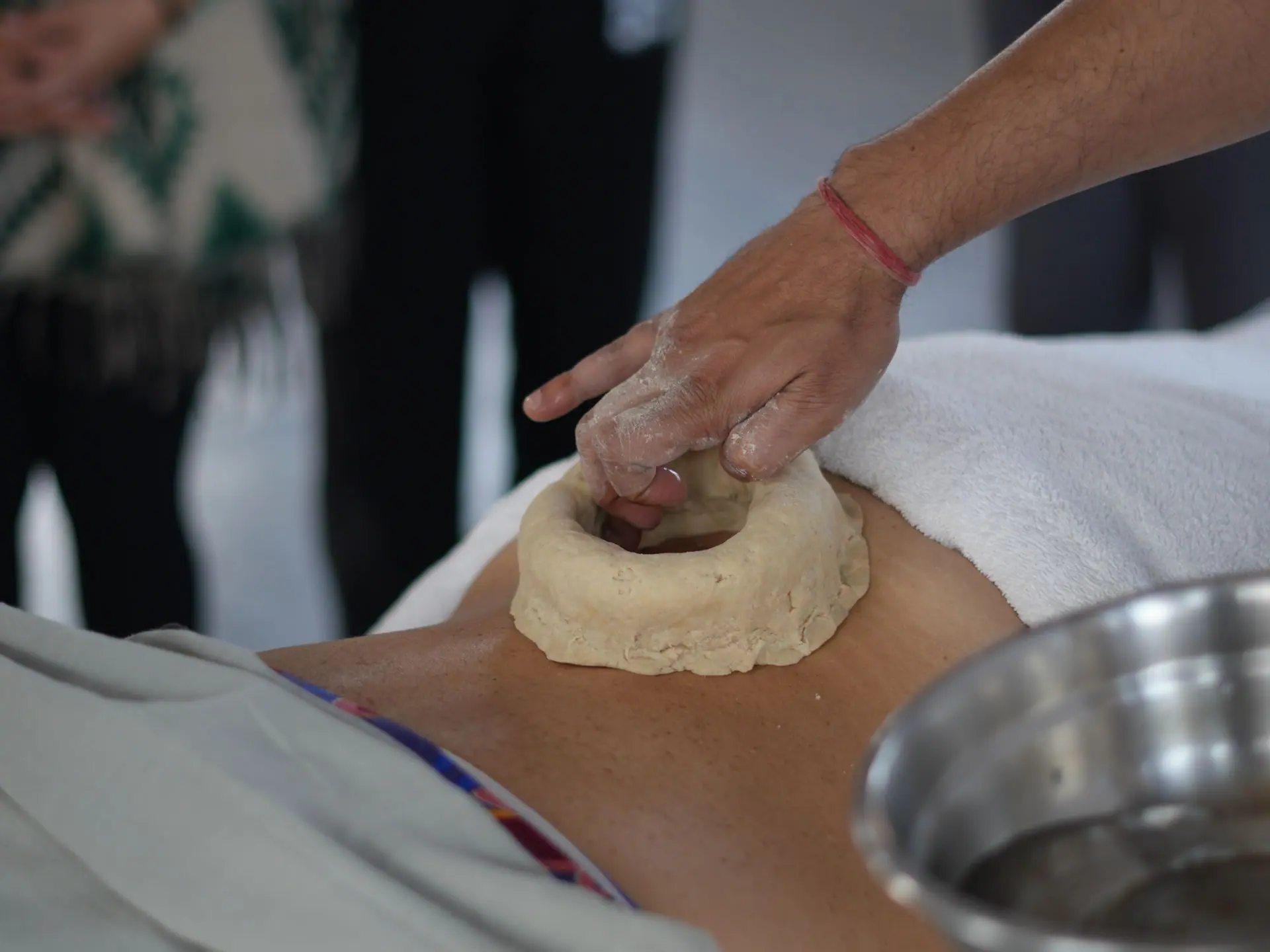
Wellness & Ayurveda
1 experience

Yoga & Meditation
4 experiences

Trekking
2 experiences

Adventure
6 experiences
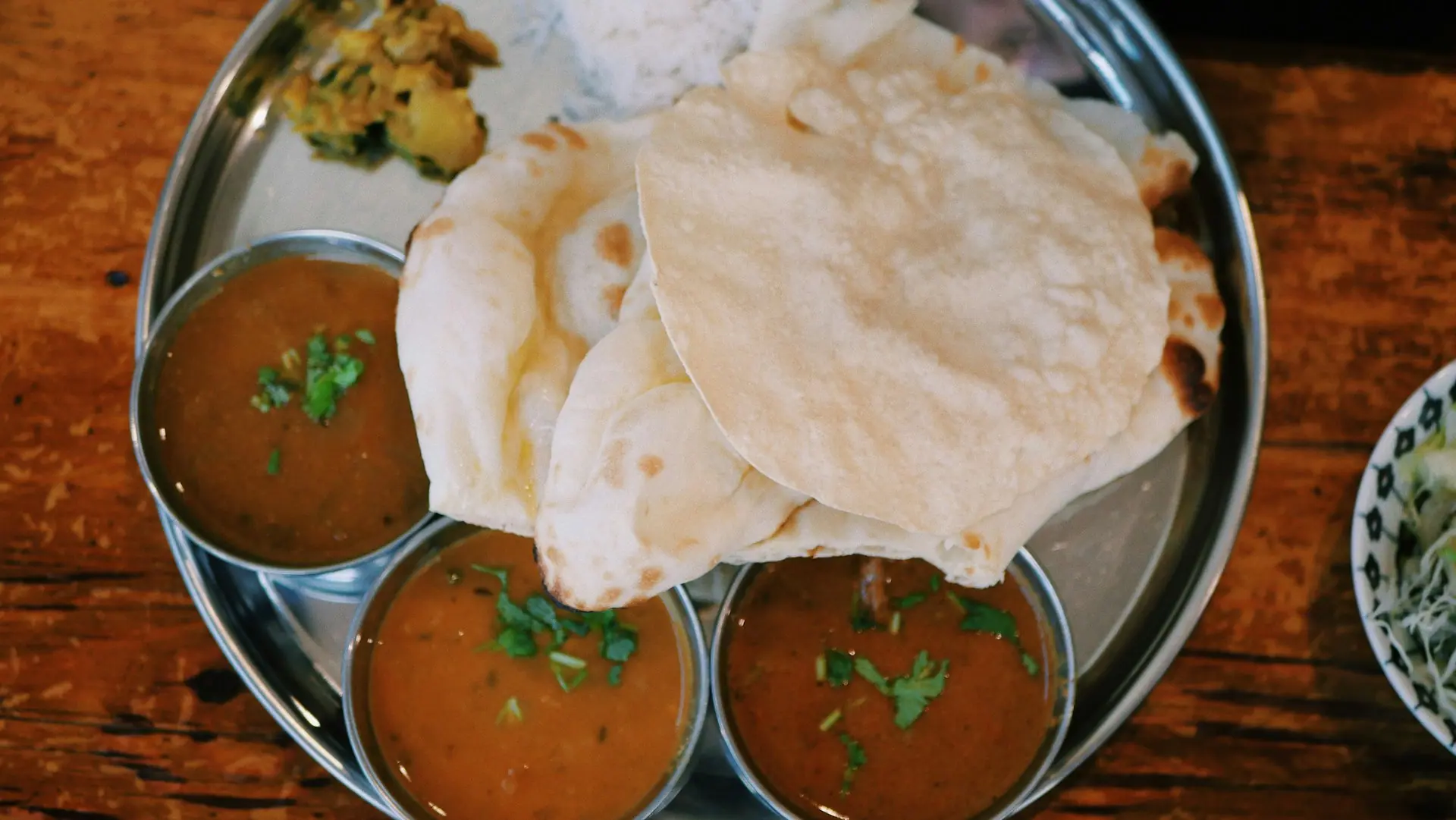
Culinary
5 experiences

Festivals
8 experiences

Performing Arts
5 experiences

Luxury Trains
4 experiences

Houseboats
3 experiences
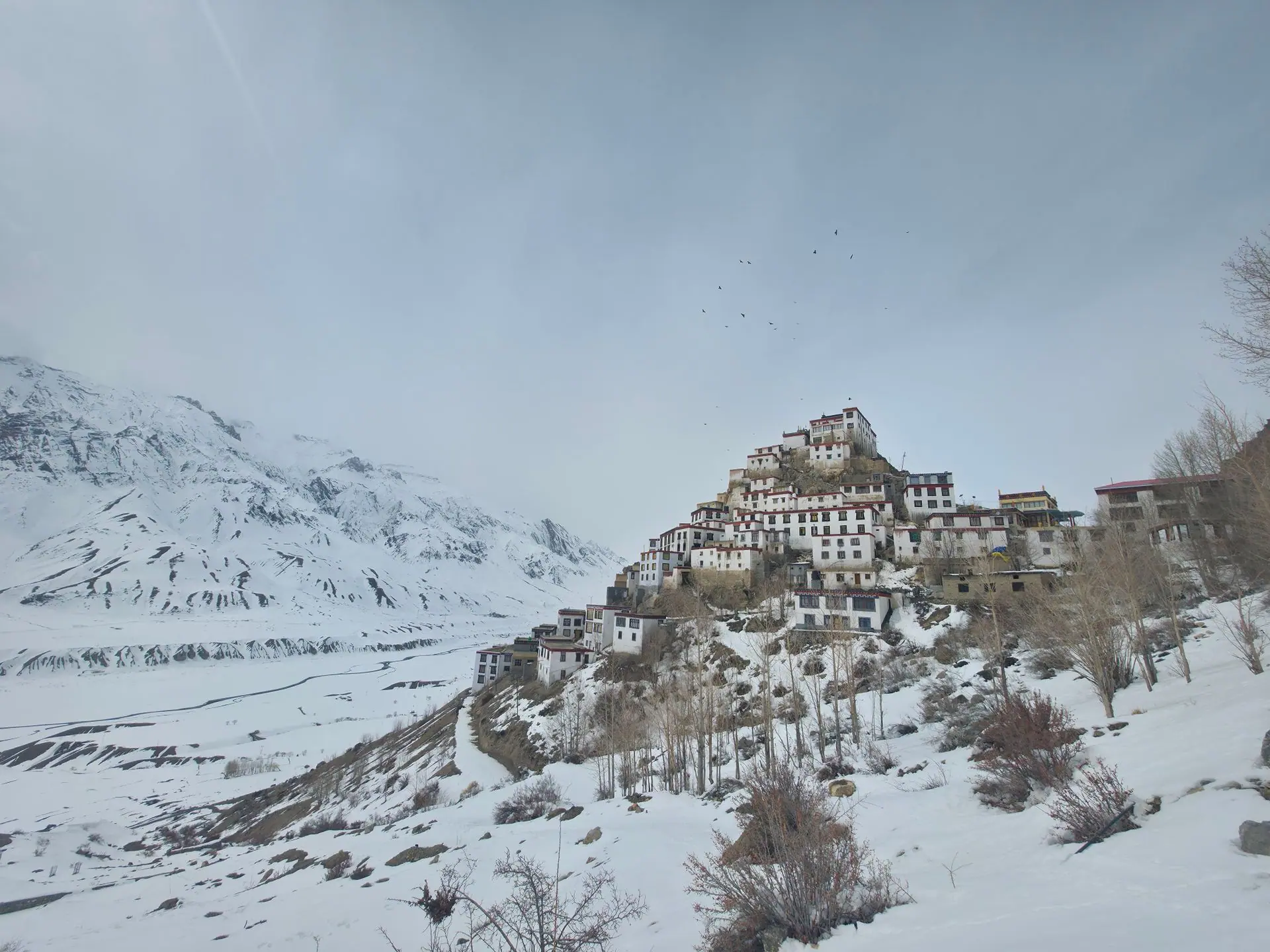
Toy Trains & Railways
1 experience
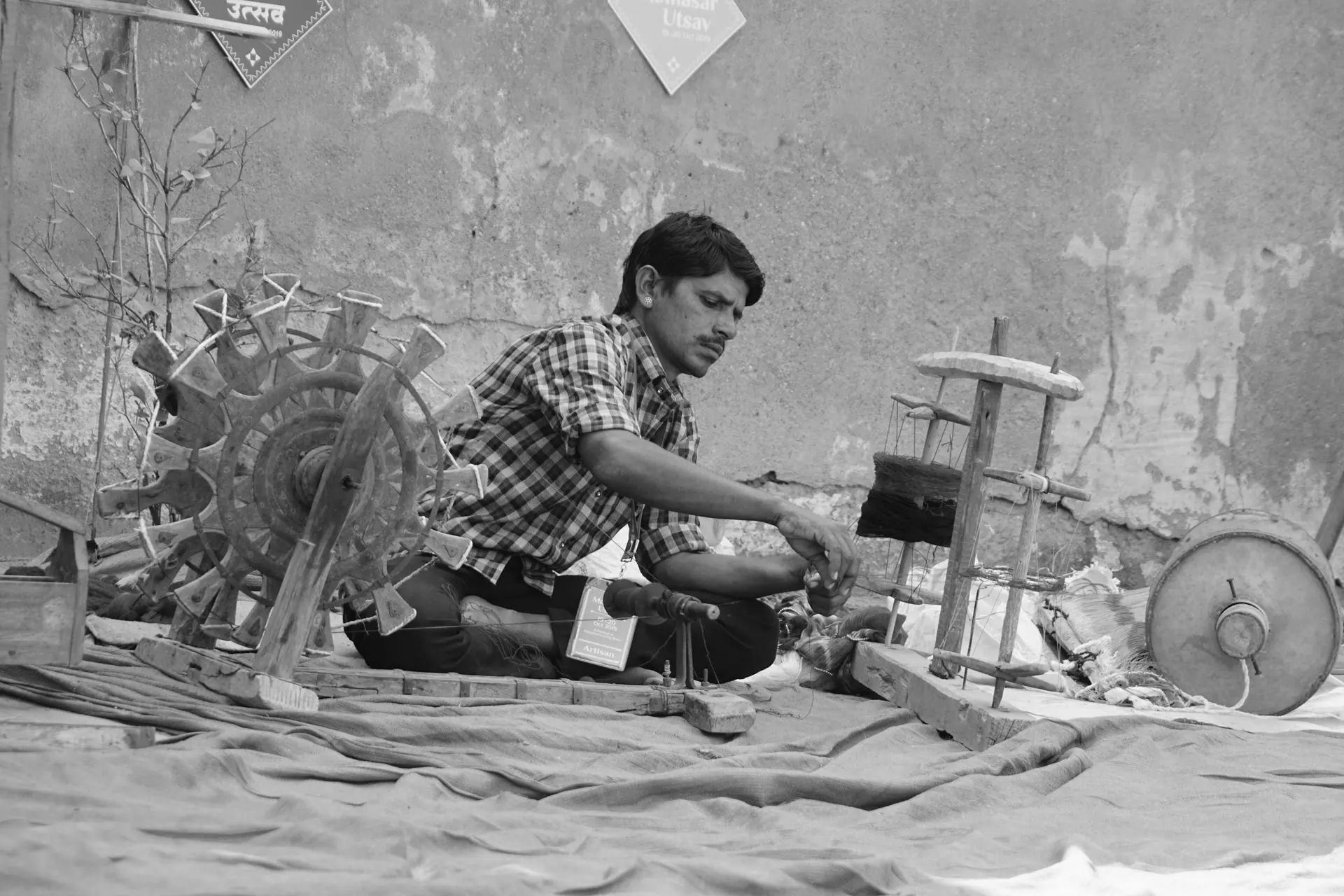
Village & Tribal Tourism
2 experiences
Glamping & Desert
1 experience

Honeymoon & Romance
3 experiences

VIP & Luxury
2 experiences
Plan a trip
Tailor-made quote from a specialist