
Last updated:
What to Wear in India: Men, Women and Temple Dress Codes
What to wear in India, men and women alike: loose, breathable clothes that cover the shoulders and knees, and shoes you can slip off. That suits cities, villages and most places of worship. Some shrines add rules of their own: Tirumala asks for traditional dress on its sevas and paid darshans, the Jagannath temple in Puri bans leather, and at a gurdwara you cover your head.
By Experience My India Editorial Team
Destination specialists and licensed local guides
What to wear in India: men and women
For everyday travel, light cotton or linen that covers the shoulders and knees works everywhere, from city streets to village lanes. The UK Foreign Office asks visitors to respect local dress codes and customs, particularly at religious sites and in rural areas, and the Ministry of Tourism recommends dressing appropriately for a temple or any other religious place. Loose cuts are cooler than tight ones, and they make sitting on a temple or gurdwara floor easy.
- Men: long trousers or chinos with a cotton shirt, short or long sleeved. Shorts are fine on the beach, in a resort or on a trek, but change into trousers for a temple, a mosque or a village.
- Women: loose trousers or a skirt below the knee, with a tunic, a kurta (a long shirt) or a top that covers the shoulders. A light scarf earns its place in every bag: it covers your head in a gurdwara and your shoulders in a temple.
- Everyone: swimwear belongs on the beach and by the pool. Dress for where you are going that day, a shrine, a market or a hotel bar, rather than for the city you are in.
Temples: shoes, leather and traditional dress
Shoes always come off at a Hindu temple, usually at a counter by the gate. The rest depends on the temple, and the big ones publish their rules.
- Tirumala (Tirupati): the temple administration, TTD, brought in a traditional dress code in 2013, first for pilgrims at the arjitha sevas and now also for VIP break darshan and the paid darshans. For men it is a dhoti or pyjamas with an upper cloth; for women the preferred dress is a saree or half-saree with a blouse, or a churidar with pyjama and upper cloth. TTD also asks pilgrims not to wear helmets, caps, turbans or hats inside the temple. Our Tirupati guide covers planning the darshan.
- Jagannath temple, Puri: only Hindus may enter, and the temple administration bans footwear and leather items in and around the premises, as well as umbrellas, mobile phones and electronic gadgets.
- Meenakshi temple, Madurai: umbrellas, walking sticks and anything made of animal skin may not be taken inside. The temple keeps free footwear counters and cloakrooms at its five entrance gateways.
- Kashi Vishwanath, Varanasi: the temple trust sets no dress code for darshan but advises decent clothes. It does not allow electronic or non-electronic gadgets inside, pens included, and offers free lockers. See our Varanasi guide.
Leave leather belts, wallets and bags in the car or hotel on temple days, and go early or late: stone courtyards get hot underfoot in the middle of the day.
Gurdwaras and the Golden Temple
The SGPC, which manages the Golden Temple in Amritsar, publishes the Sikh code of conduct, and it sets out the basics for every gurdwara. You take off your shoes and clean yourself up before going in, washing your feet if they are dirty. Nobody, from any country, religion or caste, is barred from entering, but nobody may carry tobacco or other intoxicants. The code also says no Sikh should sit bare-headed in the congregation, and visitors follow the same custom, so bring a scarf or a bandana to cover your head.
Wear something you can sit cross-legged in: at the Golden Temple's langar, the free community kitchen, meals are eaten sitting on the floor. Our Amritsar guide covers the rest of a visit.
Mosques and monuments
At a mosque, cover your arms and legs, take your shoes off at the entrance and avoid prayer times. Delhi Tourism notes that tourists are not allowed into the Jama Masjid during prayer hours, and that robes can be hired at its northern gate if your clothes fall short.
Monuments run by the government care less about clothes than about what you carry. The Taj Mahal's official site, run by Uttar Pradesh Tourism, lists no dress code; it gives foreign visitors shoe covers with their entry ticket, and the monument is closed on Fridays. For forts and palaces, the practical needs are a sun hat and shoes with grip for ramps and worn stone.
Dressing for the season
India's weather changes the packing more than its customs do. In Jaipur, IMD's 1991–2020 averages give January a mean daily minimum of 8.4°C against a maximum of 22.5°C, so winter mornings in the north call for a warm layer; see India in January. The southwest monsoon runs from June to September, when quick-drying clothes and sandals beat denim, as our monsoon guide explains. Mountain trips need proper warm layers whatever the month; our packing list has the detail, and our etiquette guide covers how to behave once you are dressed.
Frequently asked questions
Can you wear shorts in India?
Yes, on beaches, in resorts, on treks and around your hotel. In towns and markets, knee-length shorts on men draw little comment, but temples, gurdwaras, mosques and villages call for long trousers or a long skirt. Women will usually feel more comfortable in loose trousers or a skirt below the knee anywhere away from the beach.
Can women wear jeans or sleeveless tops in India?
Jeans are everyday wear in Indian cities and fine for sightseeing. Sleeveless tops suit hotels and beaches, but cover your shoulders with a scarf or a shirt at temples, gurdwaras, mosques and in villages, where the UK Foreign Office asks visitors to respect local dress codes. A light scarf in your bag solves most situations, including covering your head in a gurdwara.
Can I wear leather into an Indian temple?
Not everywhere, so leave it behind on temple days. The Jagannath temple in Puri bans leather items in and around its premises, and the Meenakshi temple in Madurai does not allow anything made of animal skin, along with umbrellas and walking sticks. A fabric belt and a cloth wallet avoid the question altogether.
Do I need to take my shoes off at the Taj Mahal?
You do not have to go barefoot. The Taj Mahal's official site, run by Uttar Pradesh Tourism, says foreign visitors receive shoe covers with their entry ticket, along with a half-litre bottle of water. The site lists no dress code for the monument, but it does list the items you may not carry in, and the Taj Mahal is closed on Fridays.
Is there a dress code at the Kashi Vishwanath temple?
No. The Shri Kashi Vishwanath temple trust says there is no dress code for darshan, though devotees are advised to wear decent clothes. Its stricter rule concerns what you carry: electronic and non-electronic gadgets, pens included, are not allowed inside the temple premises, and the trust provides free lockers.
Where can I leave my shoes at a temple in India?
Large temples run shoe counters at their gates, usually free: the Meenakshi temple in Madurai keeps free footwear counters and cloakrooms at all five of its entrance gateways. At small shrines, shoes are simply left by the steps. Wear a pair you can slip on and off quickly, and keep any token you are given for collecting them.
Related guides
Customer reviews
Experience My India is rated 4.3 on Tripadvisor. We publish guest reviews after each trip.
Why book with Experience My India
Government-approved operator
Approved by the Ministry of Tourism, Government of India
500+ vetted local guides
35+ destination specialists plan every trip by hand.
Human help, every day
Mon–Sun, 9:00 AM – 9:00 PM IST · +91 73022 65809
No payment until you approve
You receive a written quote first; nothing is charged to start planning.
Browse experiences by theme
See all
Wildlife Safaris
8 experiences
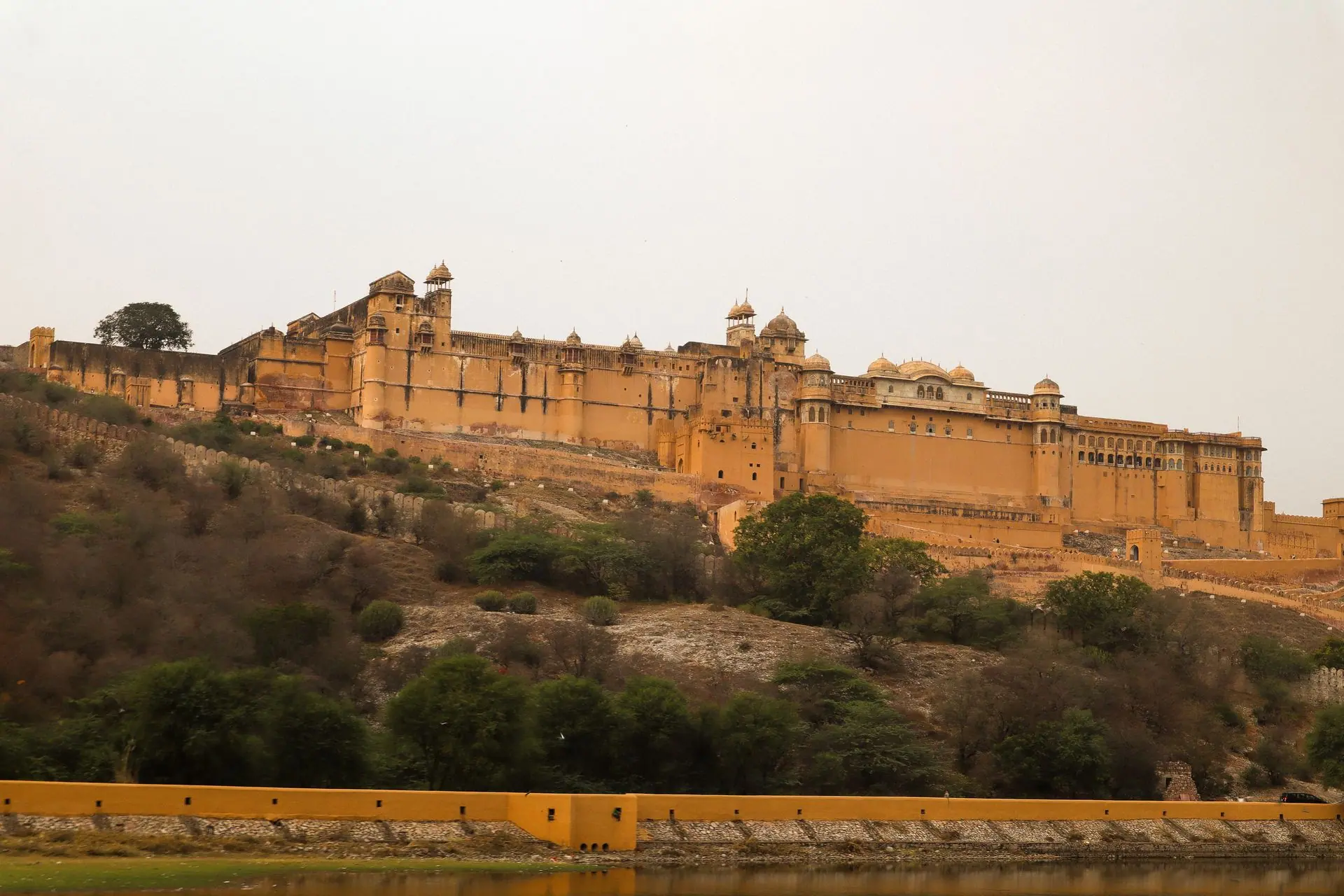
Heritage & Architecture
2 experiences

Beaches & Islands
5 experiences
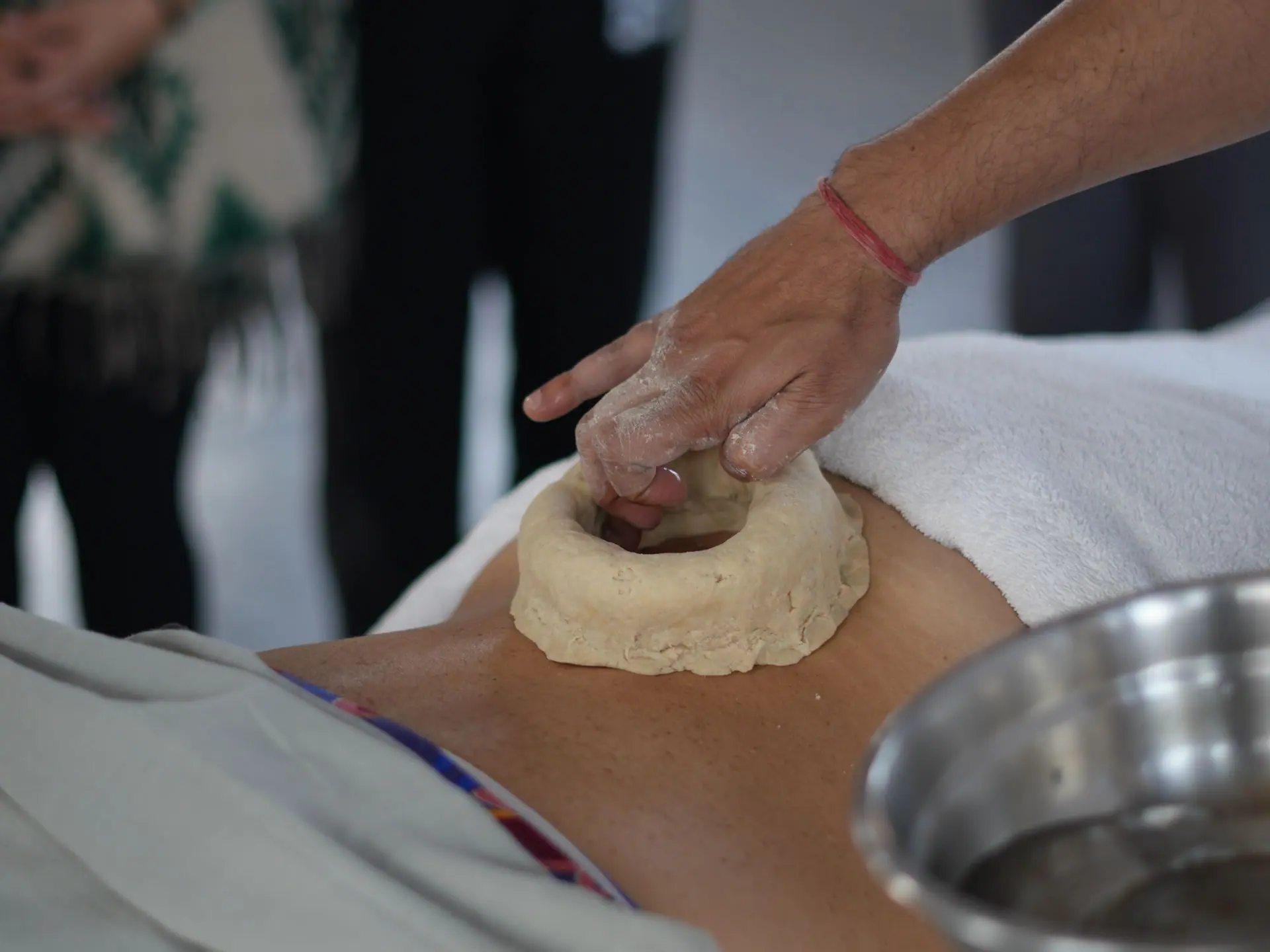
Wellness & Ayurveda
1 experience
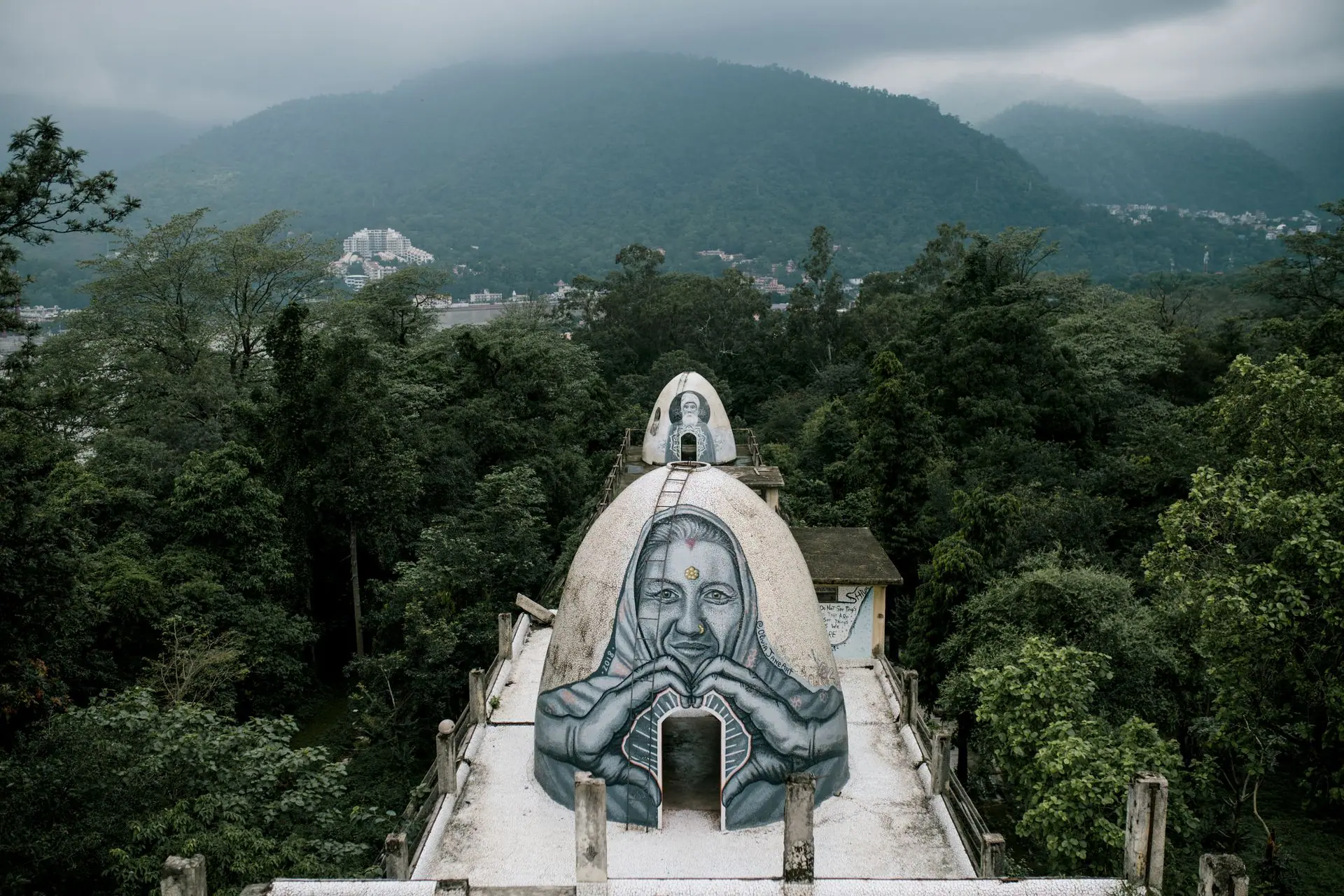
Yoga & Meditation
4 experiences

Trekking
2 experiences

Adventure
6 experiences
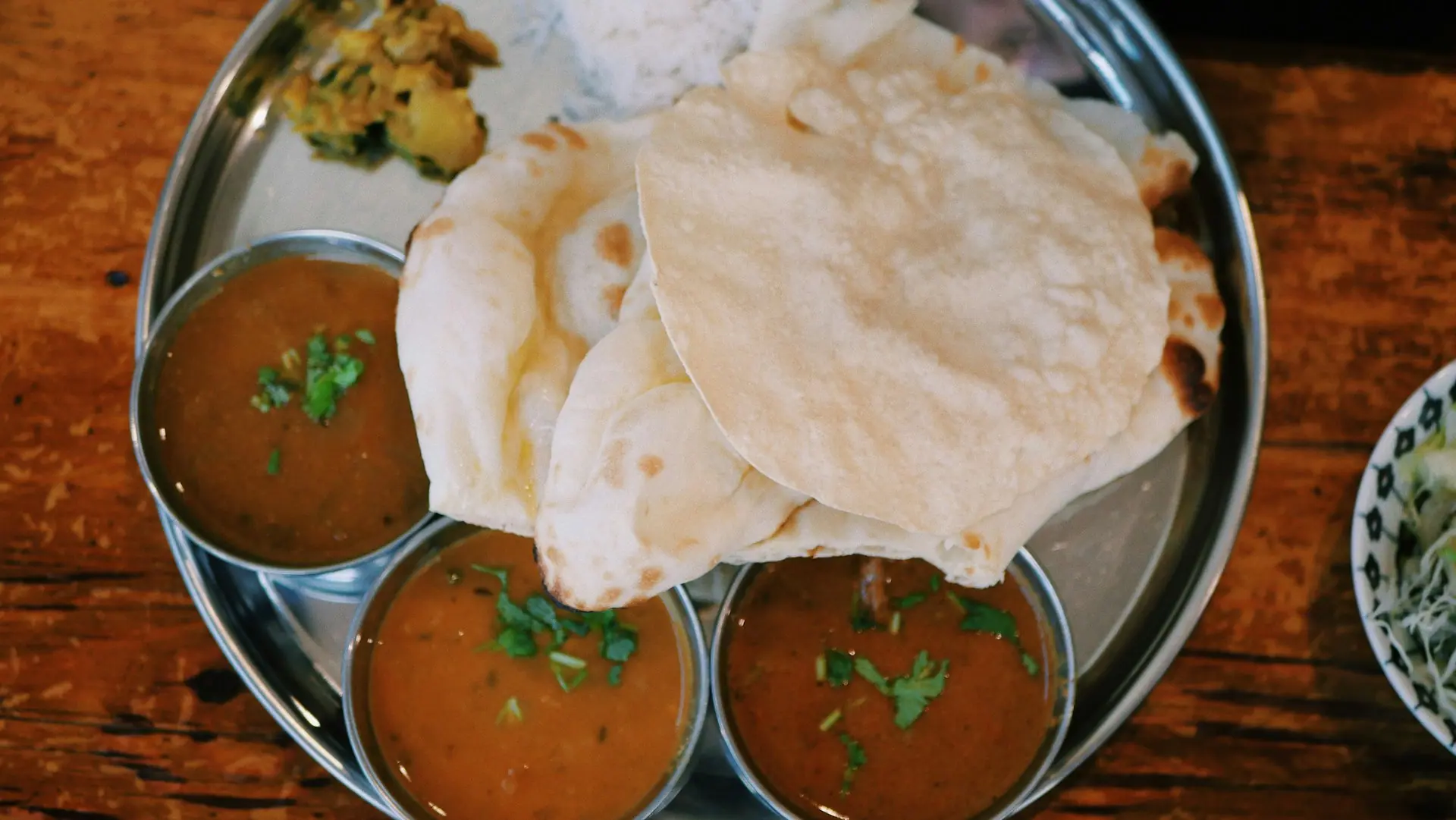
Culinary
5 experiences
Festivals
8 experiences
Performing Arts
5 experiences
Luxury Trains
4 experiences
Houseboats
3 experiences
Toy Trains & Railways
1 experience
Village & Tribal Tourism
2 experiences
Glamping & Desert
1 experience
Honeymoon & Romance
3 experiences
VIP & Luxury
2 experiences
Plan a trip
Tailor-made quote from a specialist