
Last updated:
Indian Etiquette: Customs and Manners for Visitors
Indian etiquette for a visitor comes down to a few habits: greet with a namaste or follow the other person's lead, take off your shoes before temples, gurdwaras, mosques and many homes, use your right hand to eat and pass things, dress modestly at places of worship, and ask before photographing people. Two rules are law: some states ban alcohol, and smoking is illegal in most public places.
By Experience My India Editorial Team
Destination specialists and licensed local guides
Greetings and conversation
Indian etiquette starts with the greeting. Namaste, said with the palms pressed together at chest height and a slight bow of the head, suits anyone of any age or faith. In cities and in business many people shake hands; let the other person offer a hand first, especially between a man and a woman, and answer a namaste with a namaste.
A little formality goes a long way with older people. Adding "ji" to a name (Sharma-ji) is a polite form of address, and standing when an older person comes into the room is noticed. Within families, younger people touch the feet of elders as a mark of respect; nobody expects a visitor to do the same.
Language is rarely a barrier. The Ministry of Tourism says English is widely spoken in all parts of the country, which recognises 22 languages, among them Hindi, Bengali, Telugu and Tamil. A few words of the local language are always welcome.
Shoes, feet and the right hand
- Shoes come off before you enter a temple, a gurdwara, a mosque and many homes. The Ministry of Tourism calls this customary at places of worship, and the code of conduct published by the SGPC, which runs the Golden Temple, adds that you should wash your feet if they are dirty. A row of shoes by a door is your cue to add yours.
- Feet are treated as the least clean part of the body. Do not point the soles of your feet at a person or at a shrine, do not step over someone sitting on the floor, and apologise straight away if your foot touches anyone.
- Use your right hand to eat, to pay and to give or take anything; the left is traditionally kept for washing. Offering or accepting something with both hands is a mark of respect to an older person.
At the table
Many Indians eat with the fingers of the right hand, mixing rice with dal or tearing a piece of bread to scoop up a curry. Hotels and restaurants always offer cutlery, and using it is perfectly polite. In a home, wait to be served, try a little of everything, and say clearly when you have had enough: a good host keeps refilling the plate.
Places of worship keep meat, alcohol and tobacco outside. The Tirumala temple administration asks pilgrims not to eat non-vegetarian food, drink alcohol or smoke while in Tirumala, and the SGPC's code says nobody should carry tobacco or other intoxicants into a gurdwara. At the Golden Temple's langar, the free community kitchen, everyone sits on the floor and eats the same vegetarian meal.
Alcohol laws differ from state to state. The UK Foreign Office notes that drinking, making or transporting alcohol is illegal in Bihar, Gujarat, Mizoram, Nagaland and the union territory of Lakshadweep, that drinking in public places such as parks is illegal, and that sales are often stopped during major religious festivals, national holidays and elections.
In temples, gurdwaras and mosques
What to wear is on our dress code page; how to behave is much the same everywhere. Join the queue, keep your voice down and put any offering in the hundi, the offering box, rather than handing money to someone who approaches you: the Tirumala and Jagannath temple administrations both ask for silence inside and for offerings to go in the hundi.
Who may enter varies. The Jagannath temple in Puri states that only Hindus are allowed inside, so check before you plan a visit around it; our Puri guide covers the rest of the town. Gurdwaras are open to all: the SGPC's code says no person, from any country, religion or caste, is barred from entering for darshan. Mosques close to sightseers at prayer times, and Delhi Tourism notes that tourists are not allowed into the Jama Masjid during prayer hours.
Photographs
Ask before you photograph a person, by gesture if not in words, and accept a refusal. You may be asked for a selfie in return; a smile and a polite no is fine.
Many shrines ban cameras and phones outright. The Kashi Vishwanath temple trust in Varanasi allows no electronic or non-electronic gadgets inside, not even a pen, and the Jagannath temple bans mobile phones. At the Taj Mahal, the official visitor rules prohibit photography inside the main mausoleum and drone cameras in and around the monument. The UK Foreign Office also warns that cameras and binoculars may be misunderstood near military sites, government buildings, airports and railway stations.
Public behaviour and the law
- Affection: the UK Foreign Office notes that showing affection in public may attract unwanted and negative attention. Keep it low-key, above all in small towns and at religious sites.
- Smoking: it is illegal to smoke in most public places; use designated smoking areas.
- Vapes: vapes and related products are banned, and you cannot buy them in India or bring them in.
- Bargaining and tips: haggling is normal in markets and unwelcome in fixed-price shops; our money guide covers both, and our safety guide covers the scams that lean on politeness.
On a first trip, a guide who explains the customs as you go saves a lot of guesswork; an Old Delhi street food walk is a gentle way to practise eating with your hands. More on planning a first visit is in our first-timer's guide.
Frequently asked questions
How do you greet someone in India?
Say namaste, with your palms pressed together at chest height and a slight nod. It suits anyone of any age or faith, anywhere in the country. In cities and at work, handshakes are common too; let the other person offer a hand first, particularly between a man and a woman. Answering a namaste with a namaste is never wrong.
Do Indians eat with their hands?
Many do, at home and in traditional restaurants, using the fingers of the right hand to mix rice with dal or curry and to tear bread. Hotels and restaurants always offer cutlery, and using it is perfectly polite. If you try eating by hand, wash first, keep to your right hand, and let the fingertips do the work rather than the palm.
What should I do when I visit someone's home in India?
Take your shoes off at the door if your hosts do, greet the oldest person first, and accept the tea or water you are offered. A small gift of sweets, fruit or flowers is welcome; leave alcohol out unless you know the family drinks. At meals, wait to be served, and say clearly when you have had enough, because hosts keep refilling plates.
Can I take photos of people in India?
Ask first and accept a refusal: people at work, in markets and at prayer deserve the courtesy you would expect at home. Many temples do not allow cameras or phones at all, among them the Kashi Vishwanath and Jagannath temples. The UK Foreign Office warns that photography near military sites, government buildings, airports and railway stations may be misunderstood.
Is it OK to hold hands or kiss in public in India?
Keep it discreet. The UK Foreign Office notes that showing affection in public may attract unwanted and negative attention, and that is as true in a city park as in a village. Save kisses and embraces for private spaces, and be especially restrained at temples, gurdwaras, mosques and other religious sites.
Where is alcohol banned in India?
The UK Foreign Office lists Bihar, Gujarat, Mizoram, Nagaland and the union territory of Lakshadweep, where drinking, making or transporting alcohol is illegal. Elsewhere the rules and the legal drinking age vary by state, drinking in public places such as parks is illegal, and sales often stop on major festivals, national holidays and election days. In some states foreign nationals can buy a 30-day permit.
What is considered rude in India?
The common slips are pointing the soles of your feet at someone or at a shrine, passing food or money with the left hand, walking into a temple or a home in shoes, and losing your temper in public. Dressing too casually for a place of worship also causes offence. A calm, smiling request gets much further than a raised voice.
Related guides
Customer reviews
Experience My India is rated 4.3 on Tripadvisor. We publish guest reviews after each trip.
Why book with Experience My India
Government-approved operator
Approved by the Ministry of Tourism, Government of India
500+ vetted local guides
35+ destination specialists plan every trip by hand.
Human help, every day
Mon–Sun, 9:00 AM – 9:00 PM IST · +91 73022 65809
No payment until you approve
You receive a written quote first; nothing is charged to start planning.
Browse experiences by theme
See all
Wildlife Safaris
8 experiences
Heritage & Architecture
2 experiences

Beaches & Islands
5 experiences
Wellness & Ayurveda
1 experience
Yoga & Meditation
4 experiences
Trekking
2 experiences

Adventure
6 experiences
Culinary
5 experiences
Festivals
8 experiences
Performing Arts
5 experiences
Luxury Trains
4 experiences

Houseboats
3 experiences
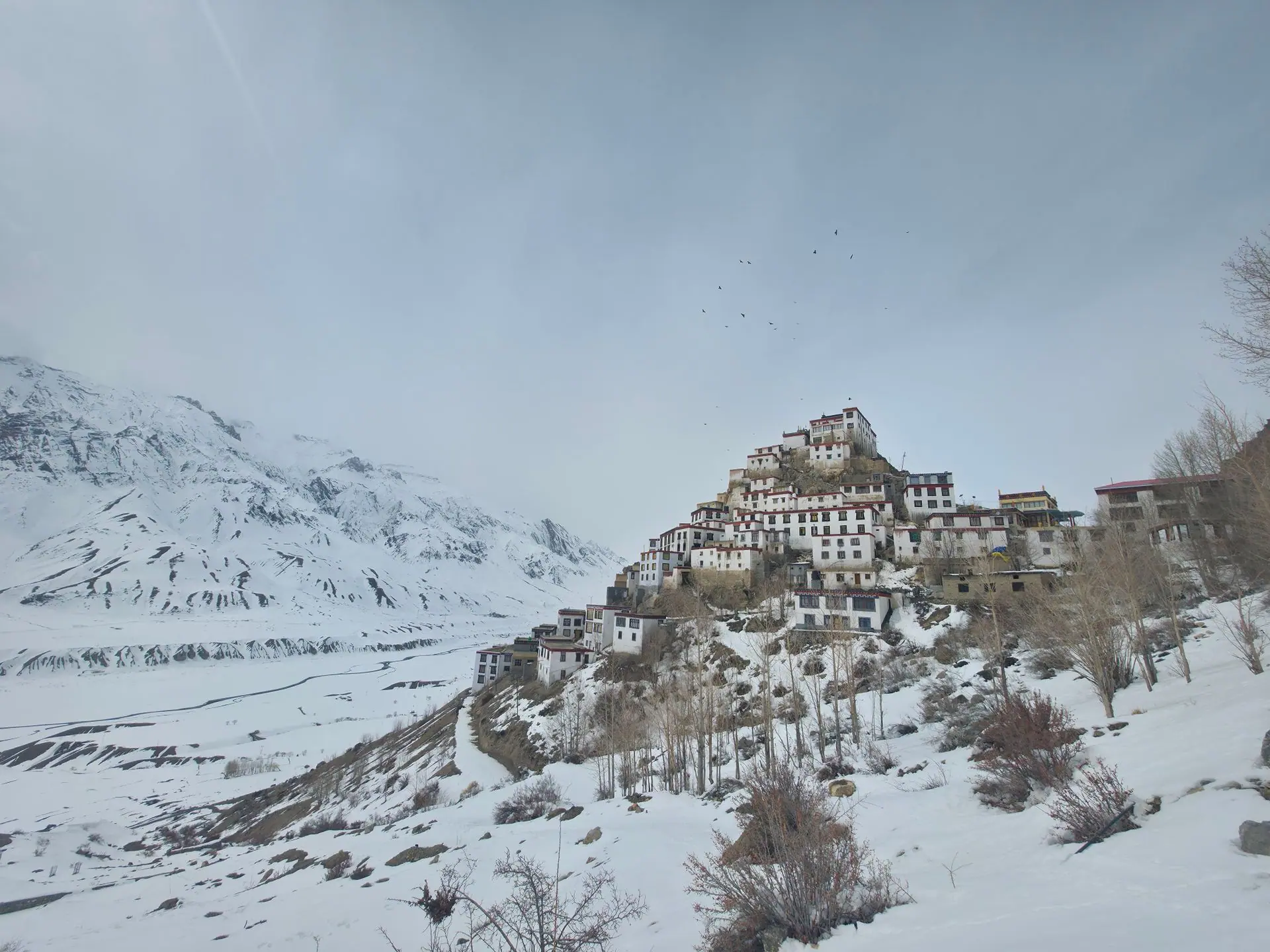
Toy Trains & Railways
1 experience
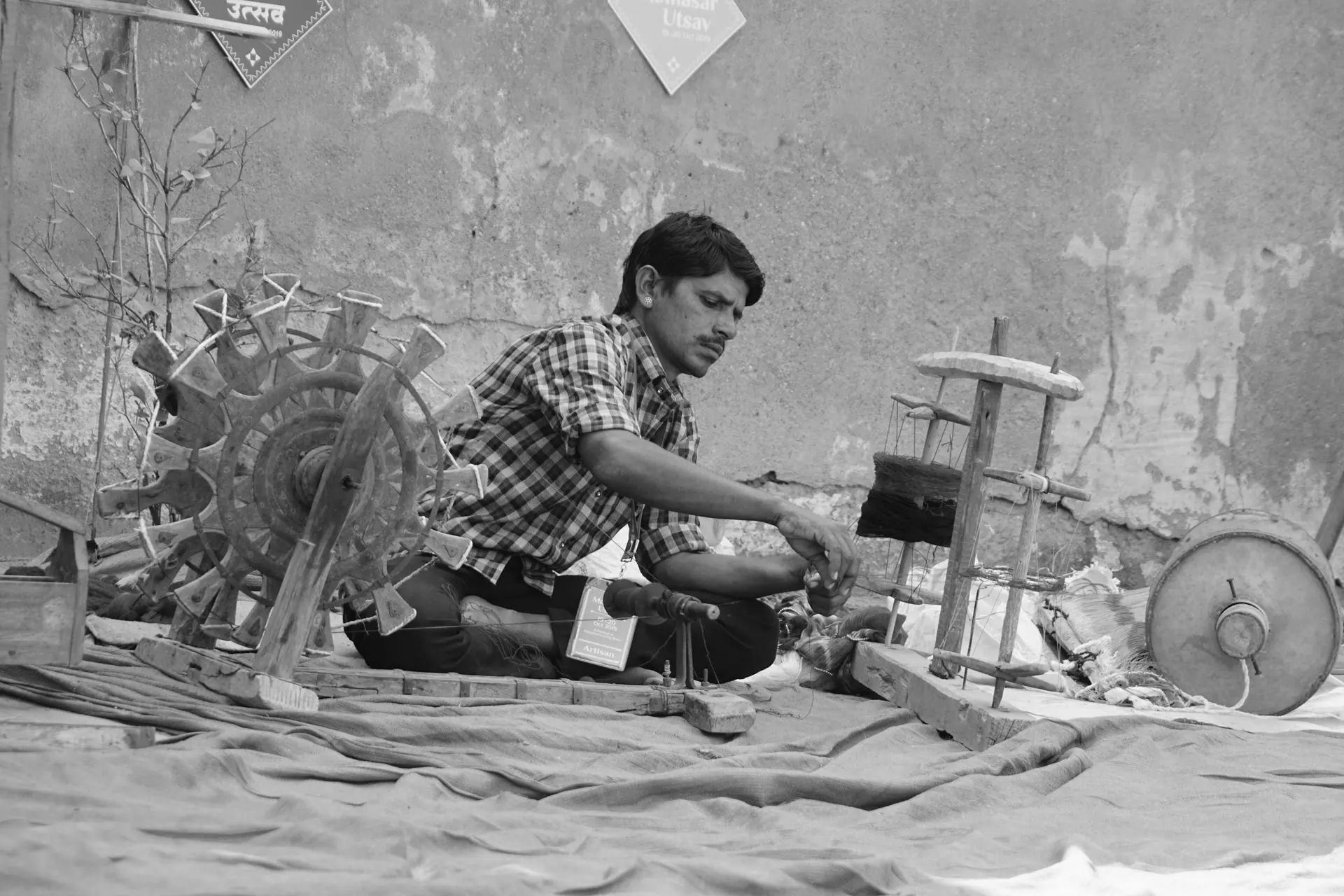
Village & Tribal Tourism
2 experiences
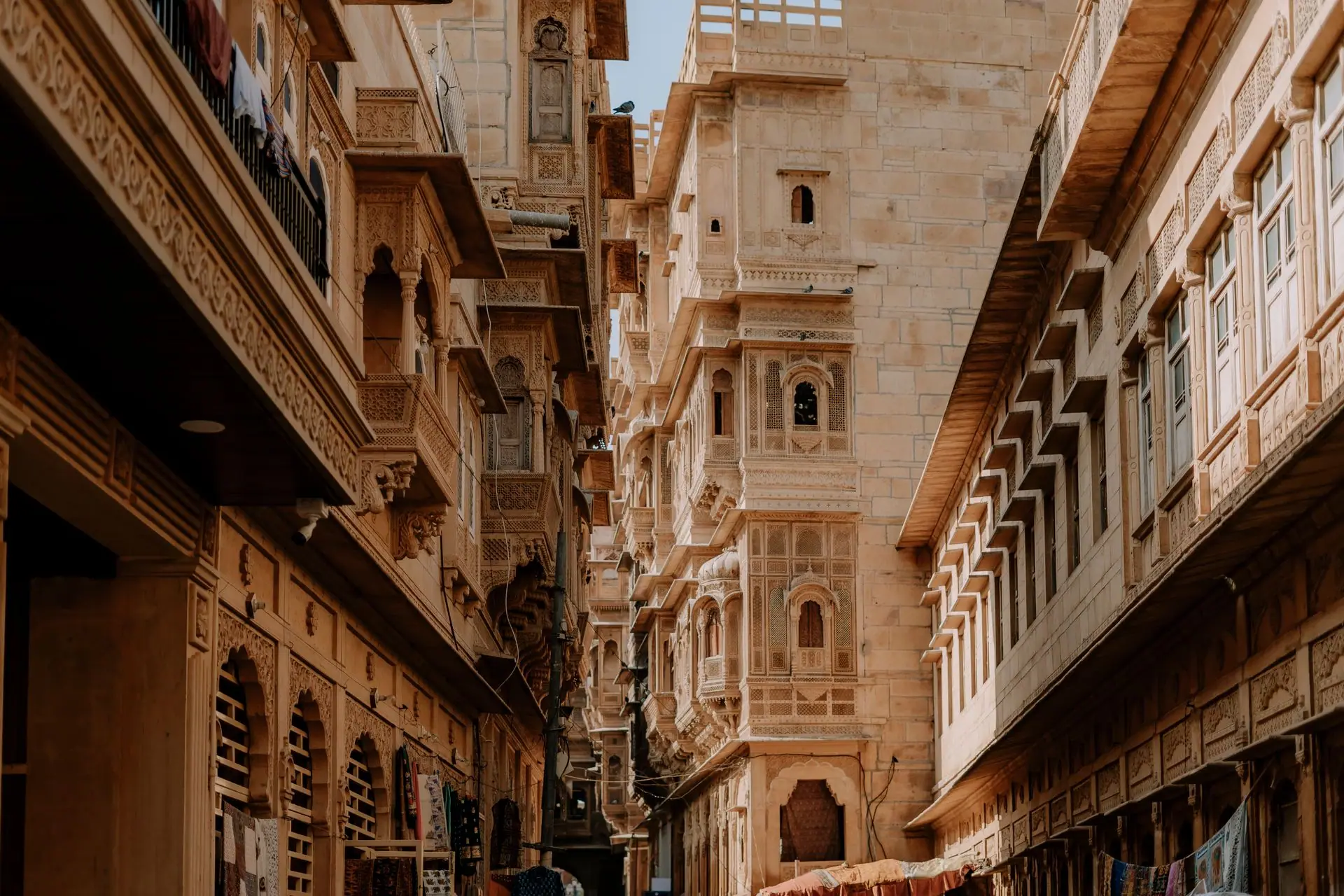
Glamping & Desert
1 experience
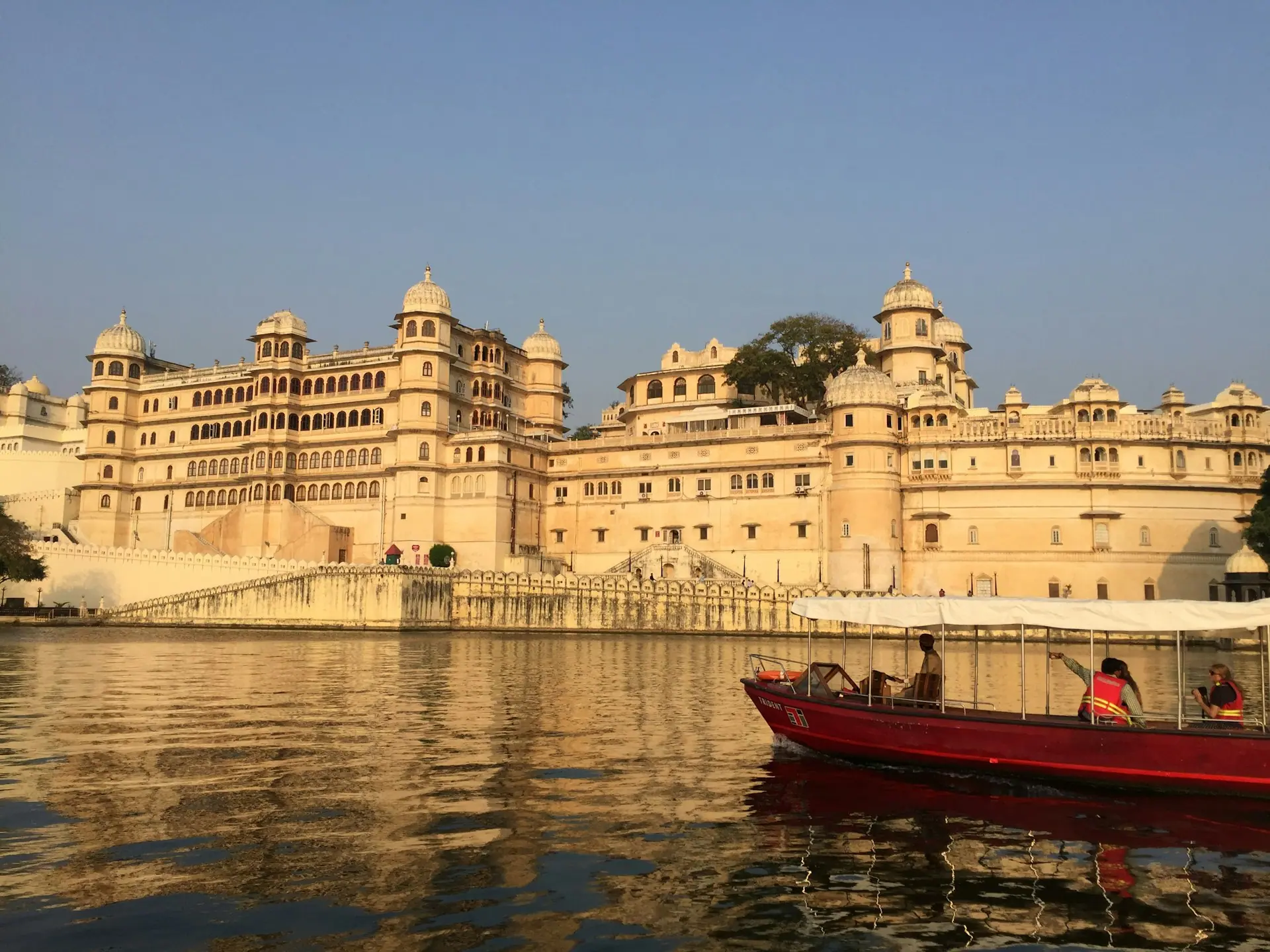
Honeymoon & Romance
3 experiences
VIP & Luxury
2 experiences
Plan a trip
Tailor-made quote from a specialist