
Last updated:
Arriving in India: How to Plan Your First Two Days
Arriving in India after a long-haul flight, give yourself a soft landing: submit the e-Arrival Card within 72 hours before you land, book your airport transfer, and keep the first day free. To reset your body clock, the NHS advises getting outside in daylight, sleeping only at night and avoiding too much caffeine and alcohol. Save long drives and early starts for day three.
By Experience My India Editorial Team
Destination specialists and licensed local guides
Before you fly
Most of an easy arrival is settled at home.
- Paperwork: foreign visitors and OCI cardholders submit the e-Arrival Card online within the 72 hours before arrival, on the Bureau of Immigration's site, the Indian visa website or the Indian Visa Su-Swagatam app; it records your arrival and is not a visa. Our e-Arrival Card guide walks through it. If you hold an e-Visa, the official portal asks you to check that your ETA shows as granted before you travel and to carry a printed copy; see our e-Visa guide.
- Sleep: the NHS suggests getting plenty of rest before you travel, and starting to go to bed and get up earlier or later than usual in the days before, to edge towards the new time zone.
- The time difference: India keeps Indian Standard Time, which the National Physical Laboratory, the country's timekeeper, sets at UTC plus five and a half hours. Change your watch when you board.
- The first night: book it in advance, and if you land in the early morning, book the room from the night before so you can go straight to bed.
At the airport
e-Visa holders land at one of the airports the e-Visa portal designates, and at immigration your biometric details are taken and your e-Visa is stamped into your passport. The UK Foreign Office reminds travellers to make sure the officer stamps the passport, because border officials check it when you leave. Declare anything that may be prohibited or subject to duty at customs; our packing list covers what not to bring.
Getting to your hotel is the moment to be careful, especially after a night flight. The UK Foreign Office advises against hailing taxis on the street, above all at night, and notes that app-based taxis are available in every airport terminal building, along with pre-paid taxi counters and hotel transfers. If a hotel driver meets you, check that they identify themselves before you set off. Changing money and buying a SIM card can wait until you are rested; our page on money and SIM cards for visitors explains both.
Jet lag: what helps
Jet lag is a disturbed sleep pattern after a long flight, the NHS explains: difficulty sleeping at bedtime and waking in the morning, tiredness, trouble staying awake in the day, and poor concentration and memory. It usually improves within a few days as the body adjusts.
- On the flight: drink plenty of water, stretch and walk around the cabin, sleep if it is night-time where you are going, and do not drink too much caffeine or alcohol, which can make jet lag worse.
- After you land: switch to Indian time straight away, set an alarm so you do not oversleep, go outside during the day, because natural light helps your body clock adjust, and sleep only at night rather than in the afternoon.
- Medicines: the NHS says they are not usually needed for jet lag. If you have a health condition, or have struggled badly before, talk to your doctor or a travel clinic before the trip.
A gentle first two days
This is the plan we suggest to first-time visitors, whichever city they land in.
- Day one: check in, shower and get outside in daylight for an hour, perhaps a walk in a park near the hotel. Eat an early dinner at the local hour and go to bed at local bedtime. Book nothing with a fixed time.
- Day two: one main sight in the morning, when it is cooler and quieter, a long lunch, a rest, and an easy evening, such as an Old Delhi street food walk if you are in the capital. Our Delhi guide suggests where to start.
- Day three: begin the trip proper, with the drive to Agra or Jaipur, an early train, or a sunrise visit. The Taj Mahal is closed on Fridays, so plan the Agra day around it.
Two seasons call for an even lighter start. From October to February, the UK Foreign Office warns, severe air pollution affects northern Indian cities most; if you are pregnant or have a heart or breathing condition, it suggests seeing a doctor before you travel. In early summer the heat is the problem: IMD's 1991–2020 averages give Jaipur a mean daily maximum of 41.1°C in May, so keep the sightseeing to early morning. Our first-timer's guide covers the rest of the trip's planning.
Frequently asked questions
How long does jet lag last after flying to India?
The NHS says jet lag usually improves within a few days as your body adjusts to the new time zone. Plan for that: keep the first day free, the second light, and the long drives and early starts for the third. Getting outside in daylight and sleeping only at night speeds things up; if it does not settle, see a doctor.
Should I go sightseeing on the day I land in India?
Only gently. A walk in daylight helps, because natural light, the NHS notes, helps your body clock adjust, and staying awake until local bedtime does too. Leave booked tickets, guided tours and long drives for later: a sight seen through jet lag is a sight half seen, and a missed slot is hard to rebook.
What is the time difference with India?
India keeps Indian Standard Time, which the National Physical Laboratory defines as UTC plus five and a half hours. Work out the gap from your own time zone before you fly, remembering that it shifts by an hour if your home country changes its clocks for summer. Set your watch to Indian time when you board to start adjusting.
How do I get from the airport to my hotel in India?
Book the transfer before you fly, or use the official options at the terminal. The UK Foreign Office notes that app-based taxis are available in every airport terminal building, alongside pre-paid taxi counters and hotel transfers, and advises against hailing a taxi on the street, especially at night. If a hotel driver collects you, check that they identify themselves.
Can I go straight to Agra or Jaipur after landing in Delhi?
You can, but it is a long day after a long flight. Delhi Tourism gives the road distance as 203 km to Agra and 258 km to Jaipur, several hours in a car on top of the journey you have just made. A night in Delhi first is easier, and a second night better still.
What if my flight lands in India at night?
Arrange a hotel transfer or use a pre-paid or app-based taxi from inside the terminal, as the UK Foreign Office advises, rather than hailing a car outside, and do not set off on a long road journey: the Foreign Office also advises against travelling by road at night. Book the room from the night before so you can sleep straight away, and plan nothing before late morning.
Related guides
Customer reviews
Experience My India is rated 4.3 on Tripadvisor. We publish guest reviews after each trip.
Why book with Experience My India
Government-approved operator
Approved by the Ministry of Tourism, Government of India
500+ vetted local guides
35+ destination specialists plan every trip by hand.
Human help, every day
Mon–Sun, 9:00 AM – 9:00 PM IST · +91 73022 65809
No payment until you approve
You receive a written quote first; nothing is charged to start planning.
Browse experiences by theme
See all
Wildlife Safaris
8 experiences
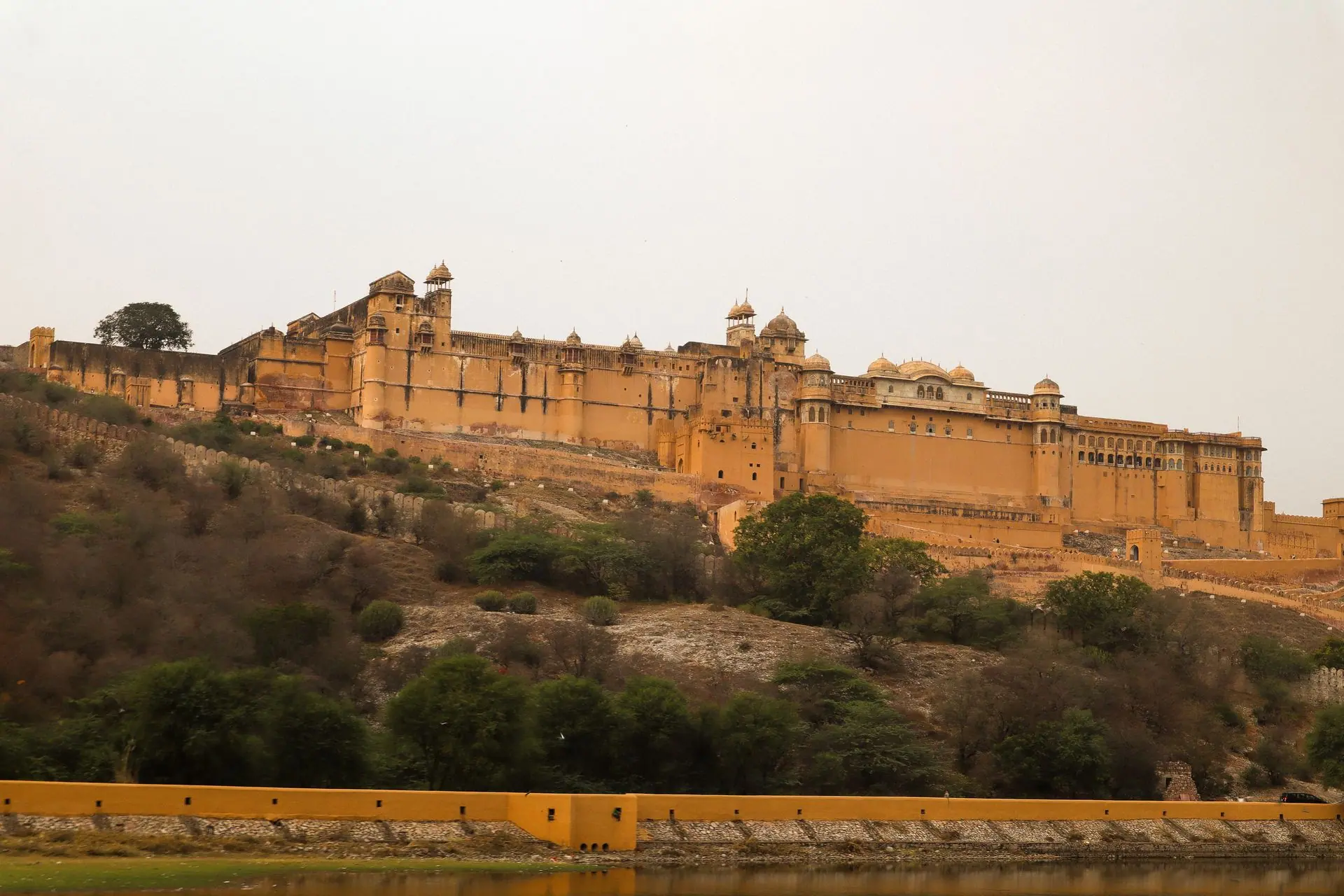
Heritage & Architecture
2 experiences

Beaches & Islands
5 experiences
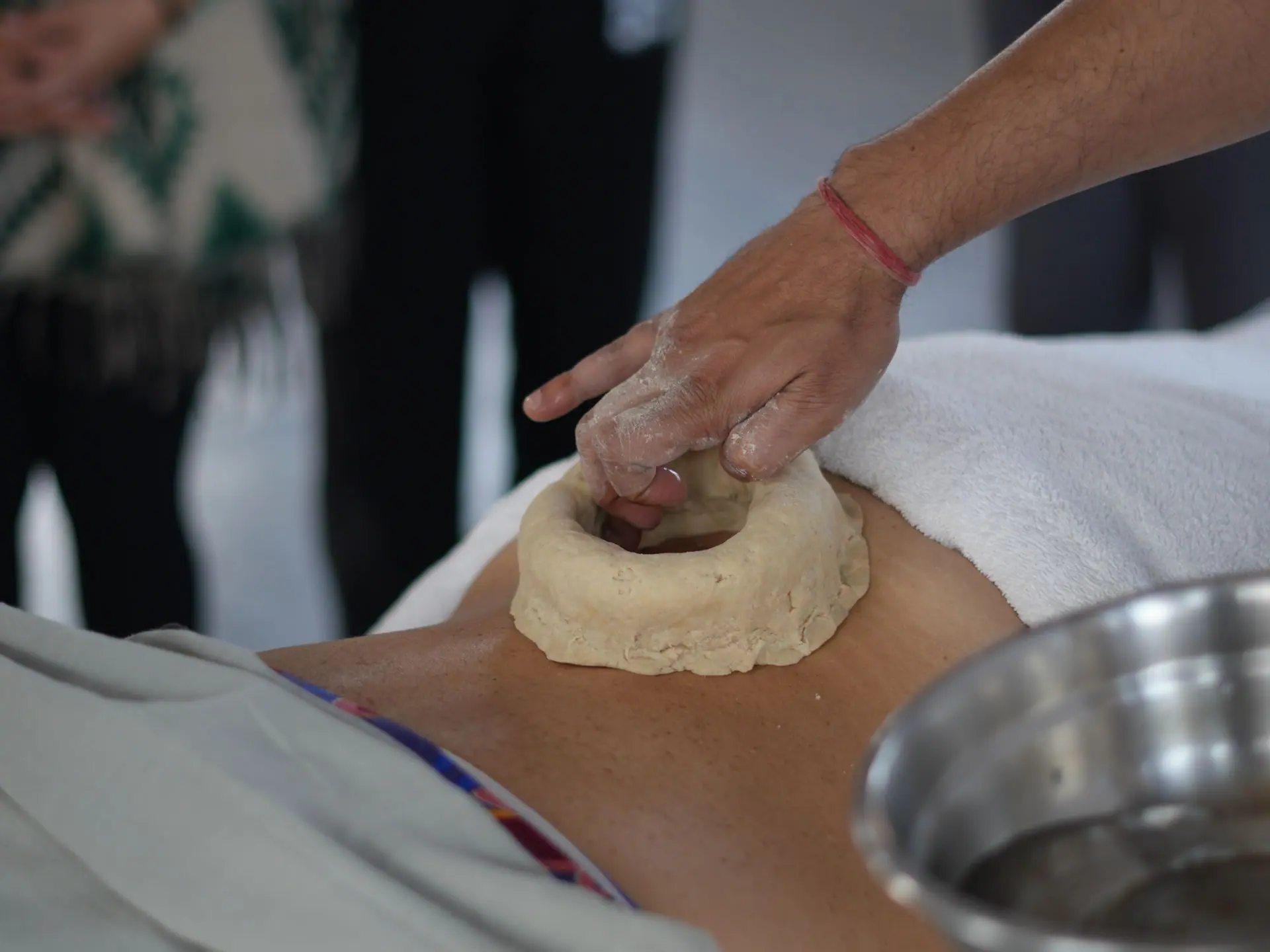
Wellness & Ayurveda
1 experience

Yoga & Meditation
4 experiences
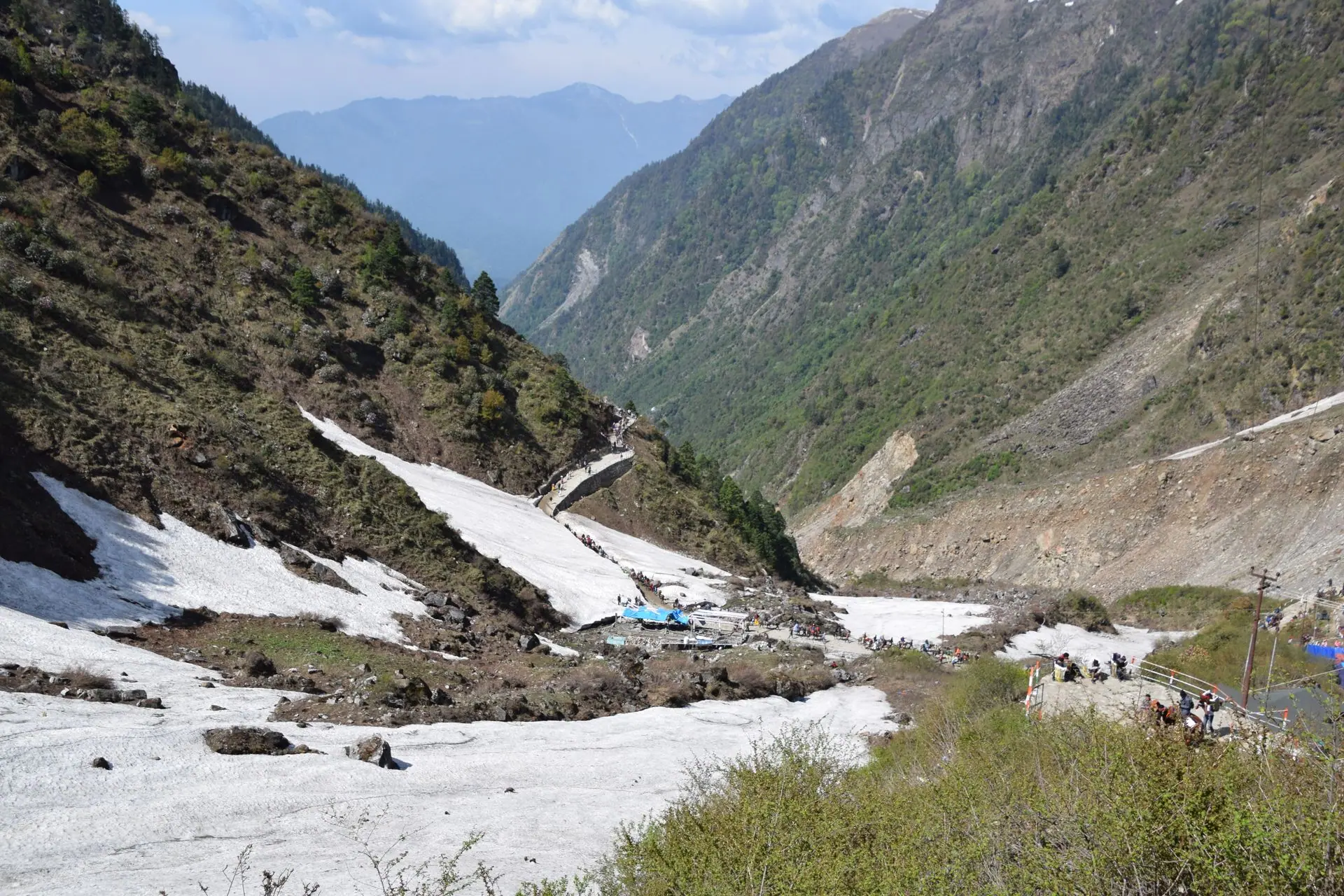
Trekking
2 experiences

Adventure
6 experiences
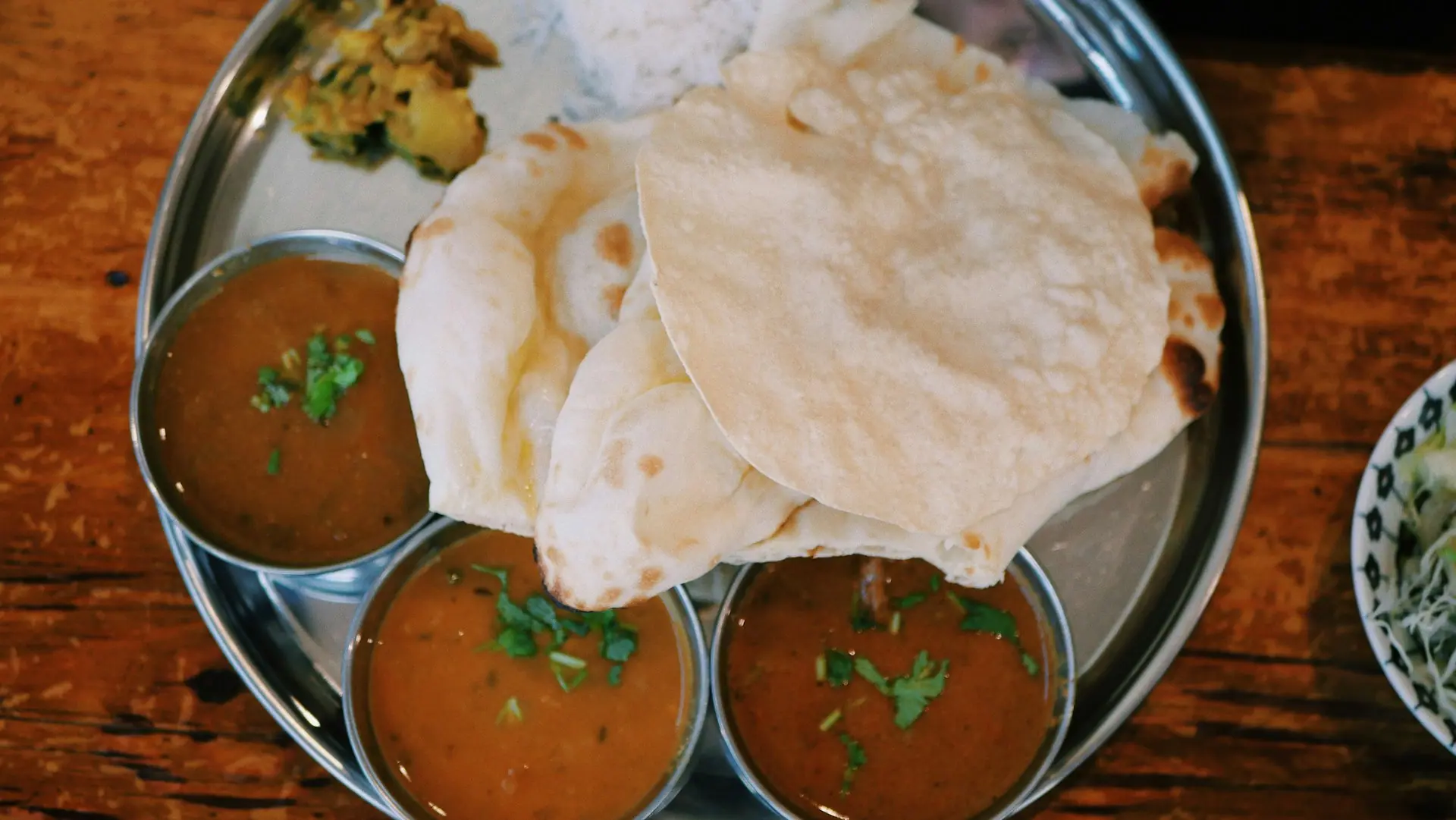
Culinary
5 experiences

Festivals
8 experiences

Performing Arts
5 experiences

Luxury Trains
4 experiences

Houseboats
3 experiences
Toy Trains & Railways
1 experience
Village & Tribal Tourism
2 experiences
Glamping & Desert
1 experience
Honeymoon & Romance
3 experiences

VIP & Luxury
2 experiences
Plan a trip
Tailor-made quote from a specialist