
Last updated:
Metro in India: How to Use the City Metros as a Visitor
India's government counts metro rail in 26 cities, with more than 1,155 km of lines. For a visitor, the metro is often the quickest way across Delhi, Mumbai, Bengaluru, Chennai, Kolkata or Hyderabad, and Delhi, Mumbai, Chennai and Kolkata now have stations at or beside their airports. Bengaluru, Hyderabad, Chennai and Kolkata sell single-journey tokens or QR tickets as well as stored-value cards.
By Experience My India Editorial Team
Destination specialists and licensed local guides
Which Indian cities have a metro
By the government's count in August 2026, metro connectivity has grown from 5 cities in 2014 to 26, and the network from 248 km to more than 1,155 km. The ones visitors use most:
- Delhi, which reaches the airport and most of the city's sights.
- Mumbai, where several lines are run by different operators; Line 3, the Aqua Line, is the city's first fully underground line.
- Kolkata, India's first: its first stretch opened on 24 October 1984, between Esplanade and Bhowanipur. In 2024 Kolkata also opened India's first underwater metro tunnel.
- Bengaluru (Namma Metro), Chennai and Hyderabad, all useful for a city day.
Kochi adds something different: India's first Water Metro, a boat service whose first boat was launched in December 2021.
Tickets: tokens, cards and QR codes
Each operator runs its own ticketing, but the same three kinds recur:
- Tokens for a single journey. In Bengaluru a token is valid only on the day you buy it, must be used at the station where you bought it, and should be used at the entry gate within 30 minutes; it is collected at the exit gate. Hyderabad's tokens also have to be used from the station where they were bought.
- QR tickets, bought in an operator's app, through a WhatsApp chatbot or as a printed slip. Bengaluru's are valid for the day of purchase, one at a time, and you scan the same code to enter and to leave. Hyderabad sells printed QR tickets and QR tickets through apps and WhatsApp; Kolkata sells QR-coded paper tickets, including returns.
- Stored-value cards for repeat travel, topped up at stations or online: Bengaluru's smart card gives 5 per cent off token fares, Chennai has its Singara Chennai card, and Hyderabad and Kolkata have smart cards of their own.
In Bengaluru the gates let one person through at a time, so every traveller needs a ticket of their own. In Mumbai, the Mumbai One app sells tickets across the metro lines, the suburban railway and BEST buses.
Getting to and from the airport by metro
- Delhi: the Airport Express (Orange Line) runs from Terminal 3 to New Delhi railway station in about 25 minutes, with first trains at about 4.45 am and the last towards 11.30 pm; Terminal 2 is a short walk or shuttle away. Terminal 1 has its own Magenta Line station, 5 to 7 minutes' walk away through a covered subway.
- Mumbai: Line 3 has stations at Terminal 1 and Terminal 2 of Chhatrapati Shivaji Maharaj International Airport and runs south to Dadar, CSMT, Churchgate and Cuffe Parade.
- Chennai: there is a metro station at Chennai International Airport.
- Kolkata: the Yellow Line, opened in August 2025, runs from Noapara to Jai Hind Bimanbandar, the airport station.
Our airport arrival guide covers the rest of the arrival, from immigration to taxis.
Sightseeing by metro
Delhi. Delhi Tourism lists the stations for the main sights: Chandni Chowk for the Red Fort and Jama Masjid; Rajiv Chowk for Connaught Place, Gurudwara Bangla Sahib and Jantar Mantar; Central Secretariat for India Gate, the National Museum and Rashtrapati Bhawan; JLN Stadium for Humayun's Tomb; Qutab Minar for the Qutub complex. See our Delhi travel guide.
Mumbai. Line 3's southern stations, including CSMT, Hutatma Chowk and Churchgate, serve the heritage districts of Fort, Kala Ghoda and Marine Drive, and Siddhivinayak has its own stop. See our Mumbai travel guide.
Bengaluru, Chennai and Kolkata. For what to see, start with our Bengaluru, Chennai and Kolkata guides, then check each sight against the operator's station map.
Women's coaches, luggage and security
- Space for women. Chennai Metro runs a women-only coach, checked by its women's security squad. Hyderabad Metro reserves seats for women in half of the first or last coach, depending on the direction of travel. Rules vary by city, so check the operator's signs on the platform.
- Luggage. Bengaluru allows one bag per person up to 60 by 45 by 25 cm; bigger or extra bags need a luggage ticket from the customer care centre. Hyderabad currently places no limit on luggage. If you are heading to the airport with large suitcases, check the operator's rule first.
- Security. Expect your bags and personal items to be screened at the station entrance; Delhi airport's guide to the airport metro tells travellers to be ready for screening of hand baggage and personal items.
For the rest of a city's transport, from taxis to auto-rickshaws, see getting around India, and for travelling alone, our guide for solo women travellers.
Frequently asked questions
Which Indian cities have a metro?
By the government's count in August 2026, 26 cities have metro rail. For visitors the most useful are Delhi, Mumbai, Bengaluru, Chennai, Kolkata and Hyderabad. Kolkata's was the first, opening in 1984, and Mumbai's Line 3 is its first fully underground line. Kochi also runs India's first Water Metro, a boat service.
Do Indian metros have women-only coaches?
Some do, in different forms. Chennai Metro runs a women-only coach, and its women's security squad checks that men are not travelling in it. Hyderabad Metro reserves seats for women in half of the first or last coach, depending on which way the train is going. Arrangements differ from city to city, so check the signs on the platform and the operator's website.
How do metro QR tickets work in India?
You buy the ticket in the operator's app, through its WhatsApp chatbot or at a machine, choosing your start and end stations, and pay digitally. You scan the QR code at the entry gate and again at the exit. In Bengaluru, a QR ticket is valid for the day of purchase and you can hold only one at a time. Each passenger needs their own.
Can I take a suitcase on the metro in India?
It depends on the city. Bengaluru allows one bag per person up to 60 by 45 by 25 cm, and charges for extra or oversized luggage, sold at the customer care centre. Hyderabad currently sets no luggage limit. Expect every bag to go through a security scanner at the station entrance.
Where is India's underwater metro?
In Kolkata. The government lists India's first underwater metro tunnel as opened there in 2024. Kolkata also has the country's oldest metro, which opened its first stretch on 24 October 1984. Our Kolkata travel guide covers the city's sights.
Related guides
Customer reviews
Experience My India is rated 4.3 on Tripadvisor. We publish guest reviews after each trip.
Why book with Experience My India
Government-approved operator
Approved by the Ministry of Tourism, Government of India
500+ vetted local guides
35+ destination specialists plan every trip by hand.
Human help, every day
Mon–Sun, 9:00 AM – 9:00 PM IST · +91 73022 65809
No payment until you approve
You receive a written quote first; nothing is charged to start planning.
Browse experiences by theme
See all
Wildlife Safaris
8 experiences
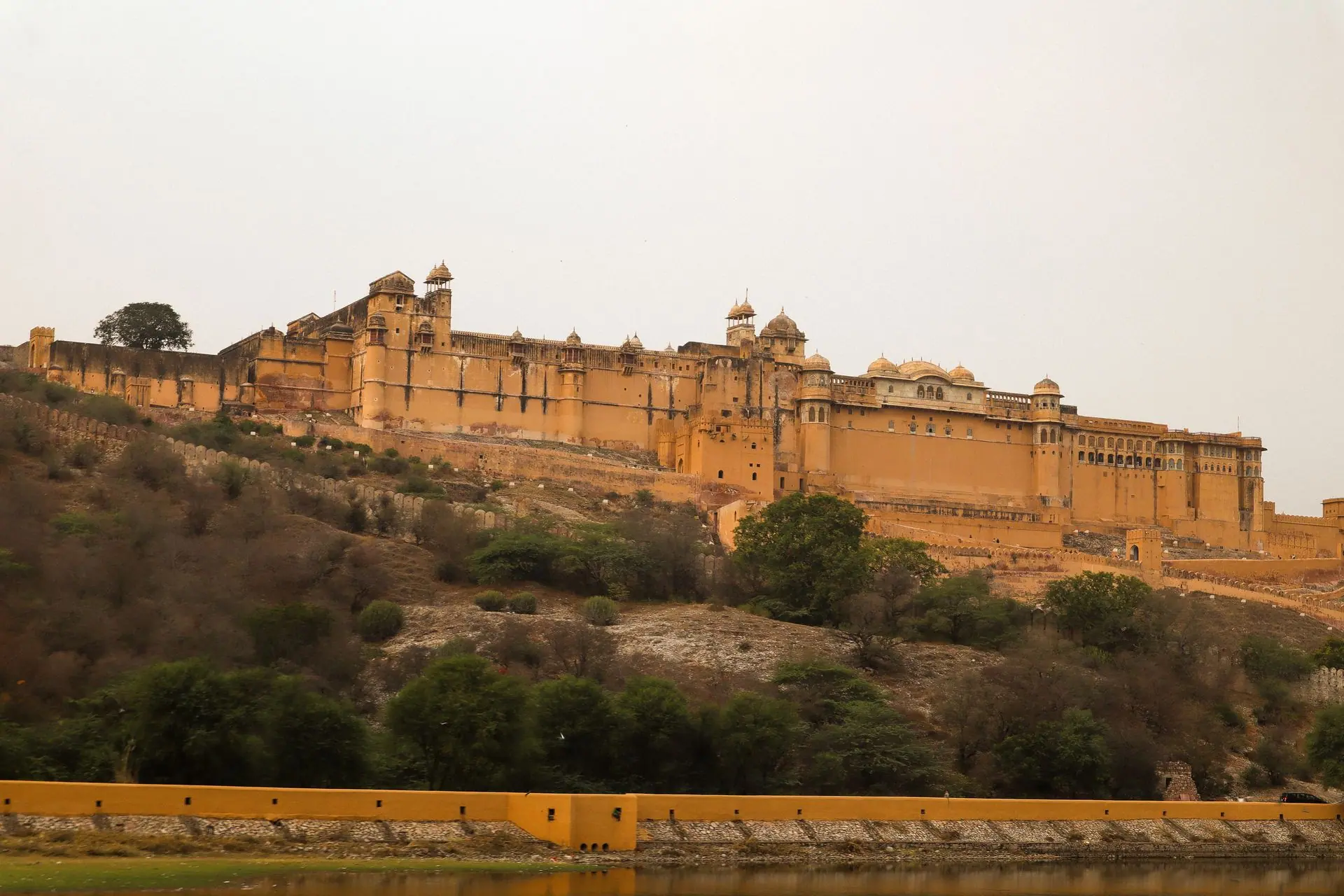
Heritage & Architecture
2 experiences

Beaches & Islands
5 experiences
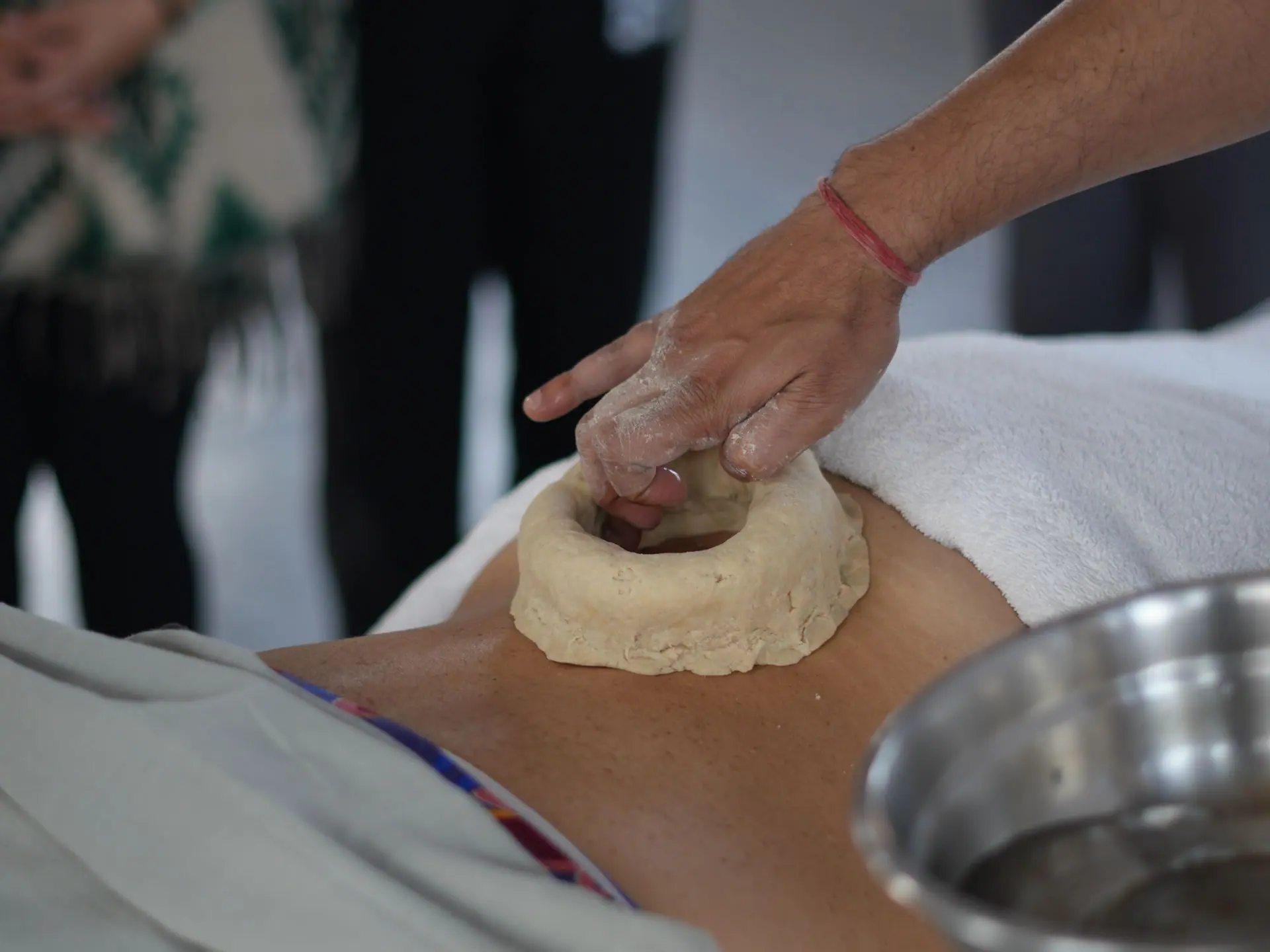
Wellness & Ayurveda
1 experience

Yoga & Meditation
4 experiences

Trekking
2 experiences

Adventure
6 experiences
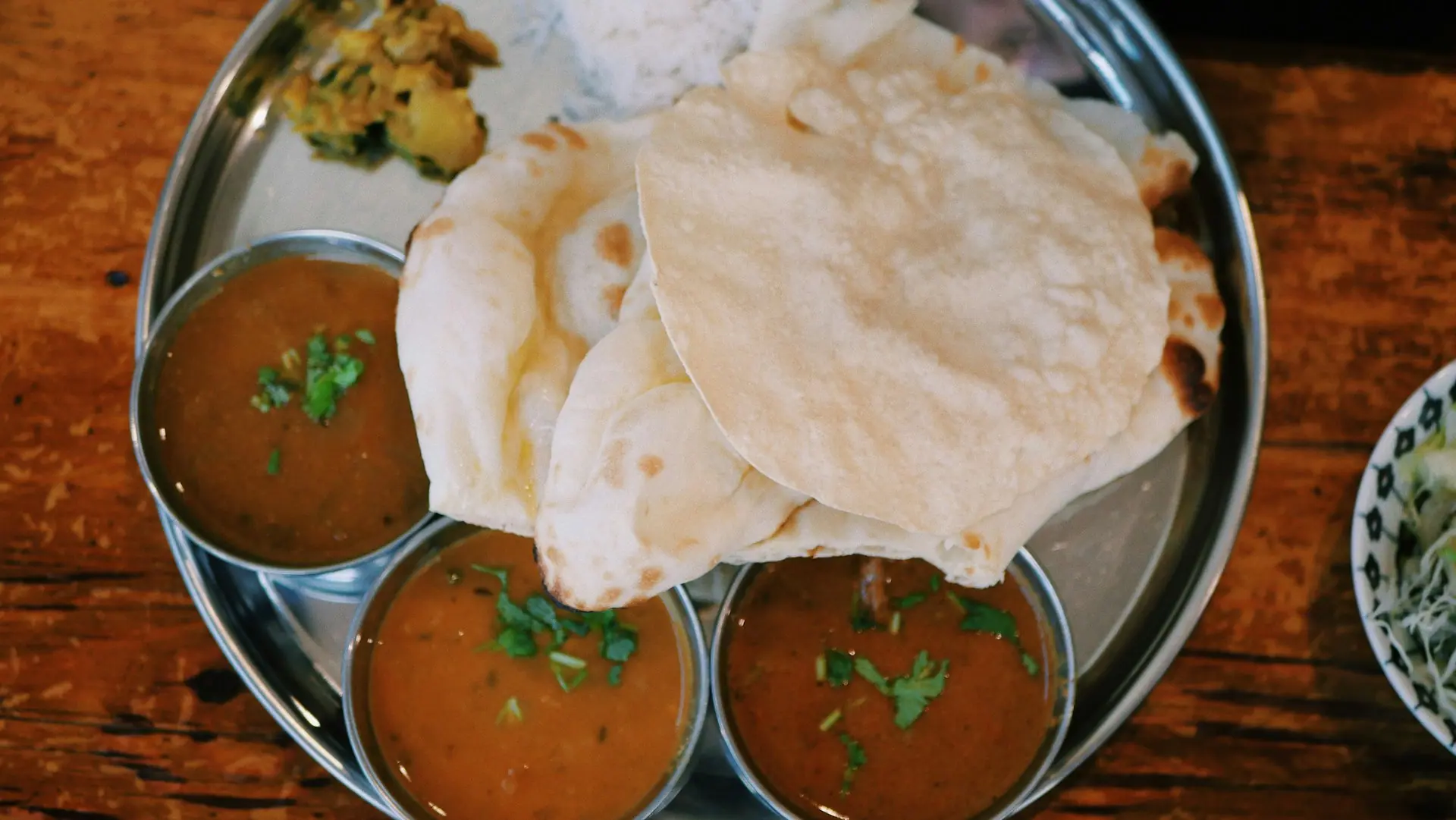
Culinary
5 experiences

Festivals
8 experiences
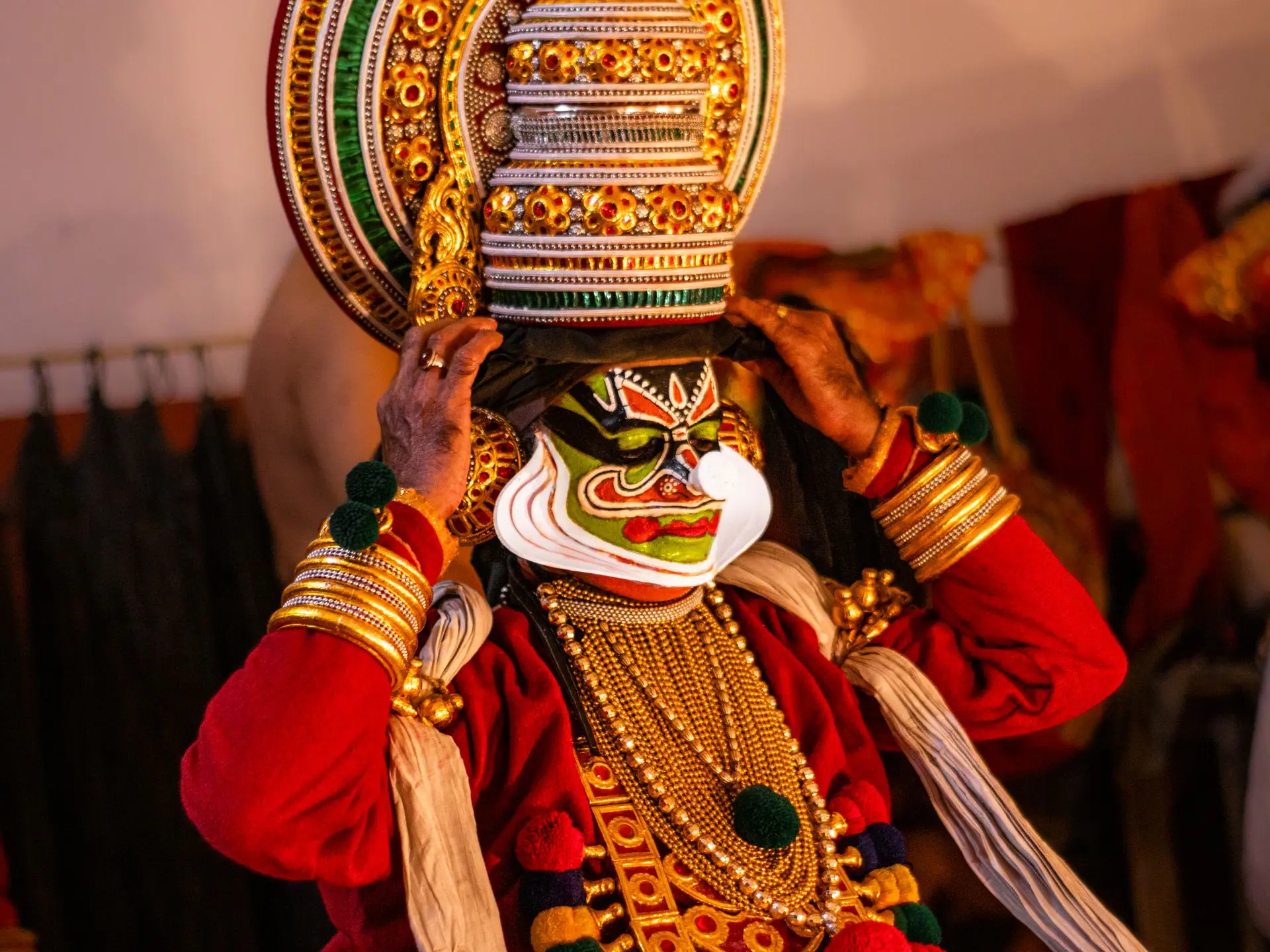
Performing Arts
5 experiences

Luxury Trains
4 experiences
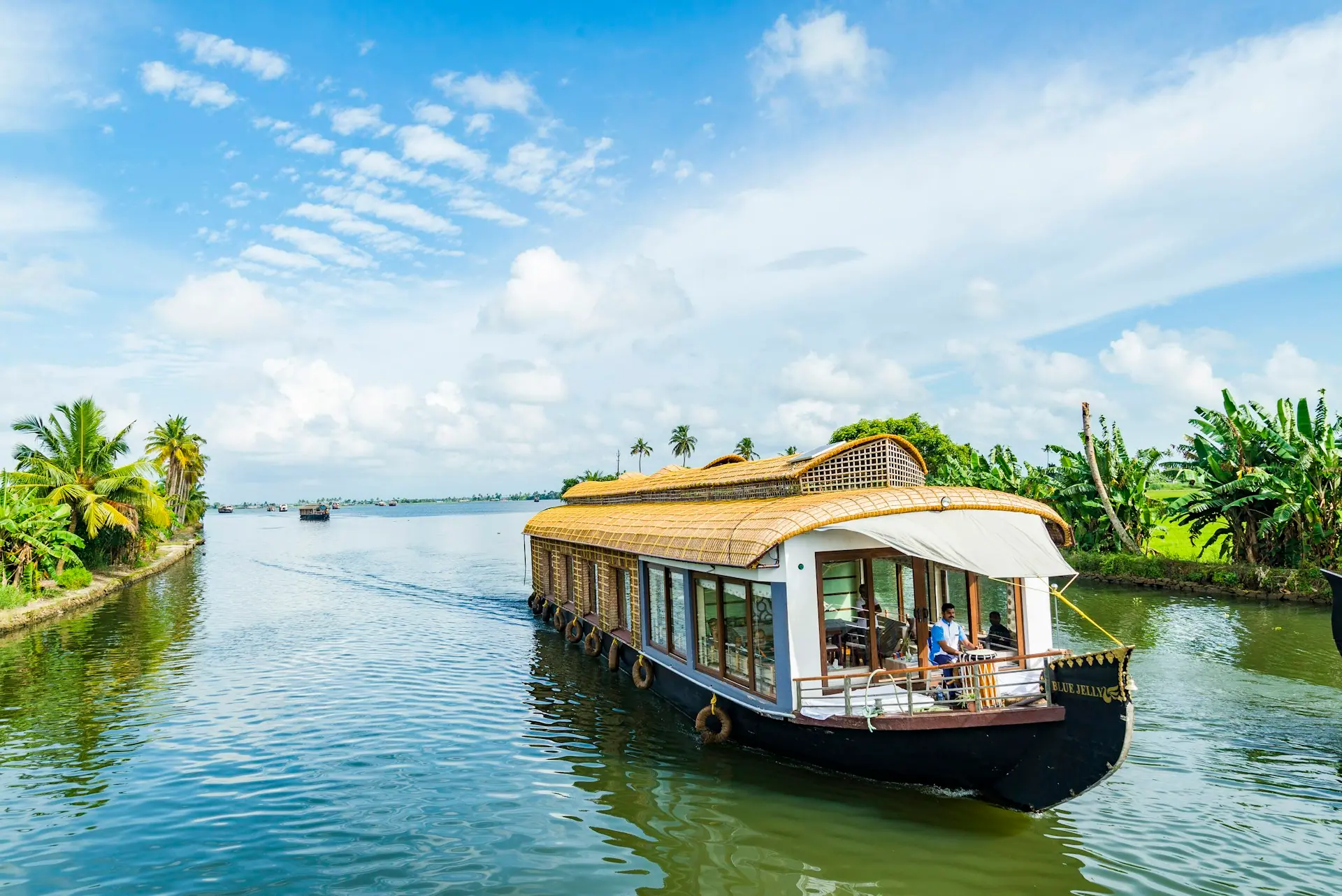
Houseboats
3 experiences

Toy Trains & Railways
1 experience
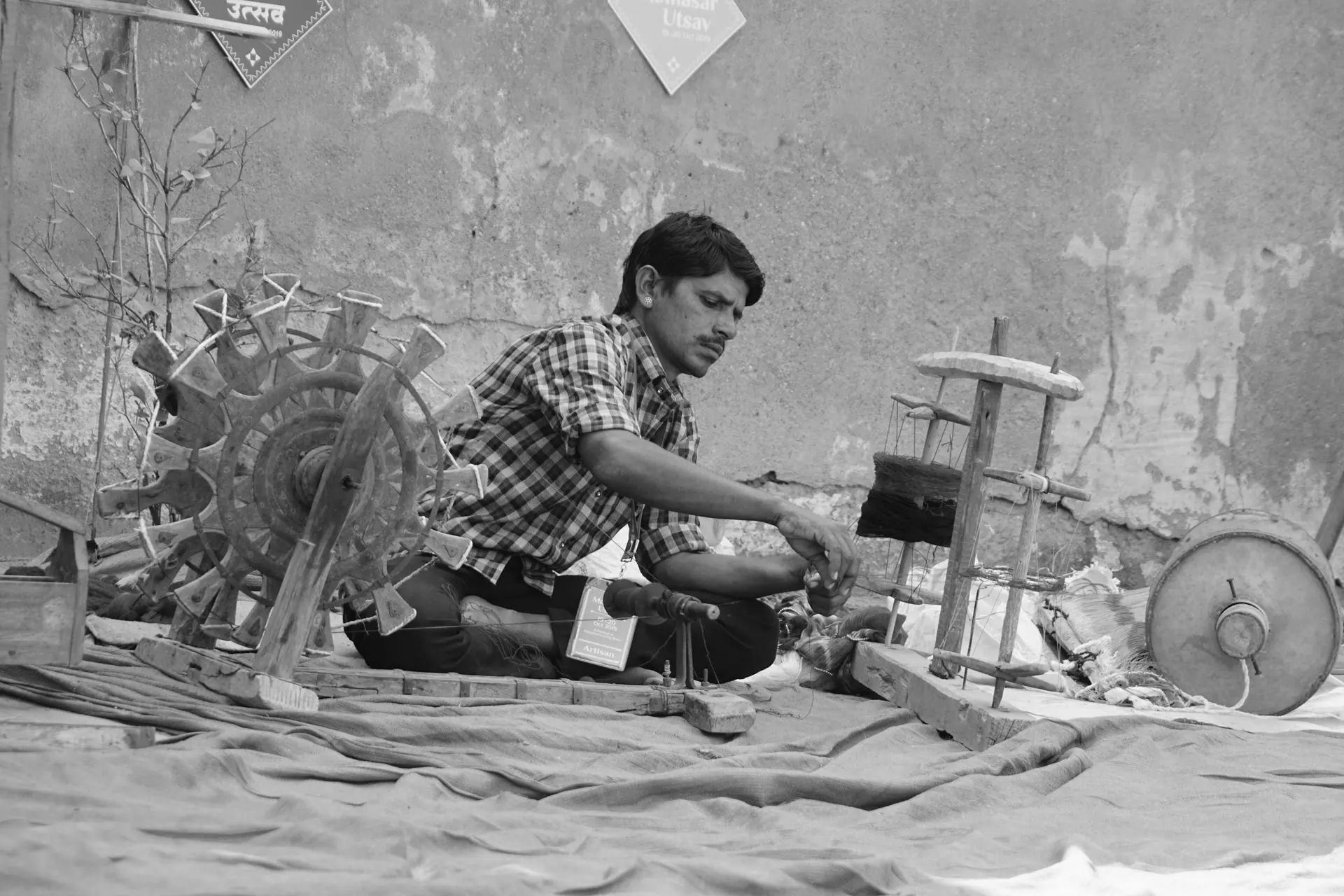
Village & Tribal Tourism
2 experiences
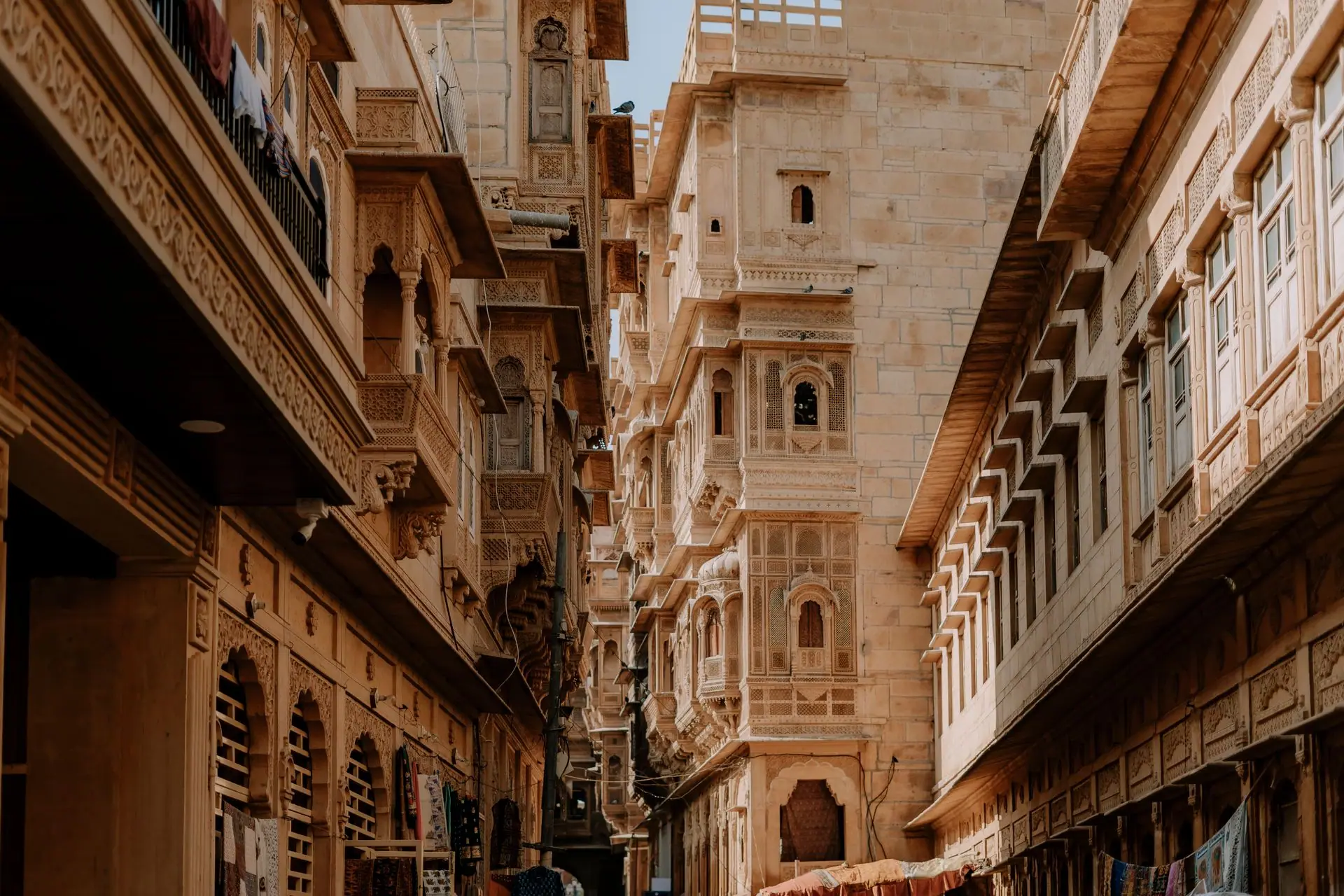
Glamping & Desert
1 experience
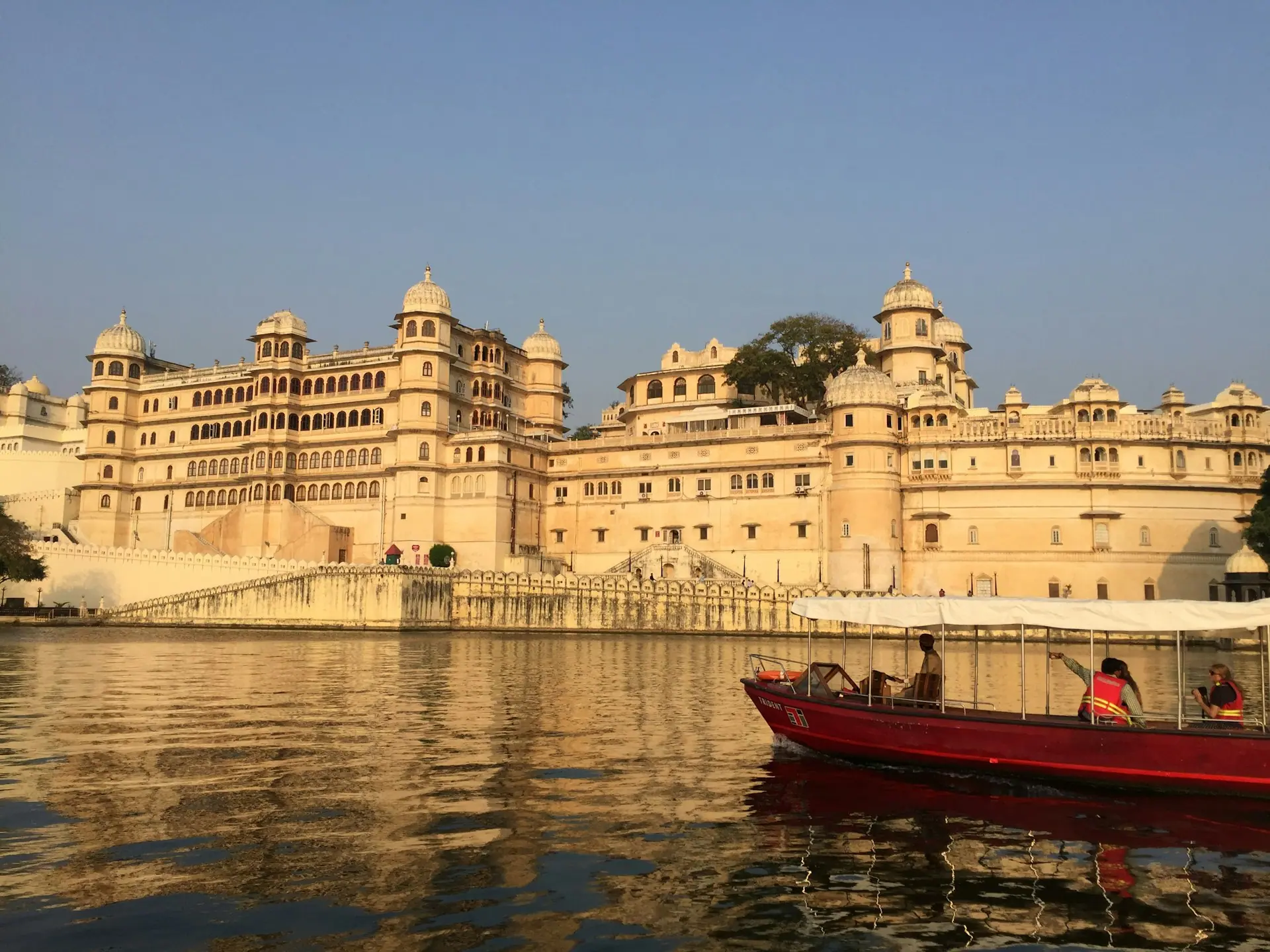
Honeymoon & Romance
3 experiences
VIP & Luxury
2 experiences
Plan a trip
Tailor-made quote from a specialist