
Domestic Flights in India: What Visitors Need to Know
Domestic flights in India are the quickest way between distant regions. A foreign visitor flies on a passport as ID, and each airline sets its own baggage allowance, so check every ticket. Under the aviation regulator DGCA's rules, airlines must give meals and refreshments during long delays, and offer another flight or your money back if they cancel at short notice.
By Experience My India Editorial Team
Destination specialists and licensed local guides
When a flight makes sense
India is large, and the regions most visitors combine are far apart. Within a region we usually drive; between regions, such as Delhi and Kerala, or the plains and Ladakh, a short domestic flight saves a day or more on the road. Our getting around India guide compares the options, and India itineraries shows how flights fit into routes of different lengths.
Two places need a second look at the ticket. The UK Foreign Office points out that Mumbai and Goa each have two airports a considerable distance apart, and Mumbai's second international airport, Navi Mumbai, was inaugurated in October 2025. Check which airport each booking names before you plan transfers.
Booking and the ID you will need
- Your passport is your ID. It is on the list of identity documents accepted at Indian airport entry under the aviation security regulator's rules. Book in your name exactly as it appears in your passport, and keep the passport with you, not in your checked bag.
- No immigration on a domestic flight. Immigration happens when you enter and leave India, not between Indian cities. You do pass a security check before every flight.
- Through-tickets versus separate tickets. If an international flight and a domestic one are on one ticket, airlines usually transfer your bags; on separate tickets you collect your bags, clear immigration, check in again and pass security again, which takes time.
If a domestic flight is part of a trip we plan, we book it with the rest of the itinerary (train and flight bookings).
Baggage: check each ticket
There is no single national allowance to quote: each airline sets its free checked and cabin baggage, shows it on your booking and charges for extra weight. If you arrive on an international ticket with a larger allowance than your domestic flight, pack for the smaller one or expect to pay excess at check-in. Our packing guide helps keep the bag light.
At the airport
Security screening is compulsory for every passenger. In Delhi, Terminal 3 handles all international flights and some domestic ones, while Terminals 1 and 2 are domestic only; free inter-terminal shuttle buses link the three. Allow time when you connect from an international flight to a domestic one, even on the shuttle, as the UK Foreign Office advises.
In winter, dense fog can settle over northwest India: in a January 2026 bulletin the India Meteorological Department warned that it may affect some airports, highways and railway routes, and advised travellers to keep in touch with airlines and railways about their schedules. Our India in January and India in December pages cover the season.
Delays, cancellations and your rights
India's aviation regulator, the Directorate General of Civil Aviation, sets what airlines owe passengers in its Civil Aviation Requirement on denied boarding, cancellations and delays. In outline:
- Long delays. If you checked in on time, the airline must give meals and refreshments once the delay passes a threshold that rises with the length of the flight: two hours for flights of up to two and a half hours, three hours for flights of up to five, four hours for longer ones.
- Very long delays. For a domestic flight expected to leave more than six hours late, the airline must offer another flight within six hours or your money back. If the delay runs past 24 hours, or past six hours for a flight due out between 8 pm and 3 am, it must also provide a hotel, with transfers.
- Cancellations. The airline is expected to tell you a fortnight ahead and offer another flight or your money back. With less notice, the same choice applies. If you were not told in time, it must either put you on another flight you accept or pay compensation as well as returning your fare, unless the cause was beyond its control, such as bad weather.
- Overbooking. The airline must first ask for volunteers. If you are refused boarding against your will, it owes compensation based on your one-way fare unless it flies you within an hour of the original departure.
- Downgrading. If you are moved to a lower class against your will on a domestic flight, the airline must reimburse 75 per cent of the ticket cost, taxes included.
Compensation for a cancellation, and the help owed during a delay, do not apply when the cause is an extraordinary circumstance beyond the airline's control. Complain to the airline first; if that fails, the government's AirSewa app and portal take grievances.
Frequently asked questions
Do foreigners need a passport for domestic flights in India?
Yes, in practice. A foreign visitor has no Indian identity card, and the passport is on the list of documents accepted for entry to Indian airports, so it is the ID you show at the terminal entrance, at check-in and at security. Book under the name exactly as printed in your passport, and keep it in your hand luggage for the whole trip.
Is there immigration on a domestic flight in India?
No. You clear immigration once when you arrive in India and once when you leave. A flight between two Indian cities has check-in and a security screening, but no passport control. The exception is a connection from an international flight: you clear immigration at the airport where you first land, then continue as a domestic passenger.
What compensation do I get if I am refused boarding on an overbooked domestic flight?
Under DGCA rules the airline must first ask for volunteers. If you are refused boarding against your will, you are owed nothing if it flies you within an hour of your original departure. Otherwise it owes compensation worked out from your one-way basic fare plus fuel charge, higher if the replacement flight leaves more than a day later, with caps set by DGCA.
Who do I complain to if an airline does not follow the rules?
Start with the airline, which must publish its policy on compensation, refunds and facilities on its website. If it does not resolve the problem, file a grievance on AirSewa, the government's app and portal for air passengers. If you are still not satisfied, DGCA's rules leave you free to go to any statutory body or court that applies.
How do I connect from an international flight to a domestic one in India?
You clear immigration and customs at the airport where you first land, then continue as a domestic passenger. On one ticket your bags are usually transferred; on separate tickets you collect them, check in again and pass security again. In Delhi, international flights use Terminal 3 and some domestic flights leave from Terminals 1 and 2, linked by free shuttles, so leave generous time.
Related guides
Customer reviews
Experience My India is rated 4.3 on Tripadvisor. We publish guest reviews after each trip.
Why book with Experience My India
Government-approved operator
Approved by the Ministry of Tourism, Government of India
500+ vetted local guides
35+ destination specialists plan every trip by hand.
Human help, every day
Mon–Sun, 9:00 AM – 9:00 PM IST · +91 73022 65809
No payment until you approve
You receive a written quote first; nothing is charged to start planning.
Browse experiences by theme
See all
Wildlife Safaris
8 experiences
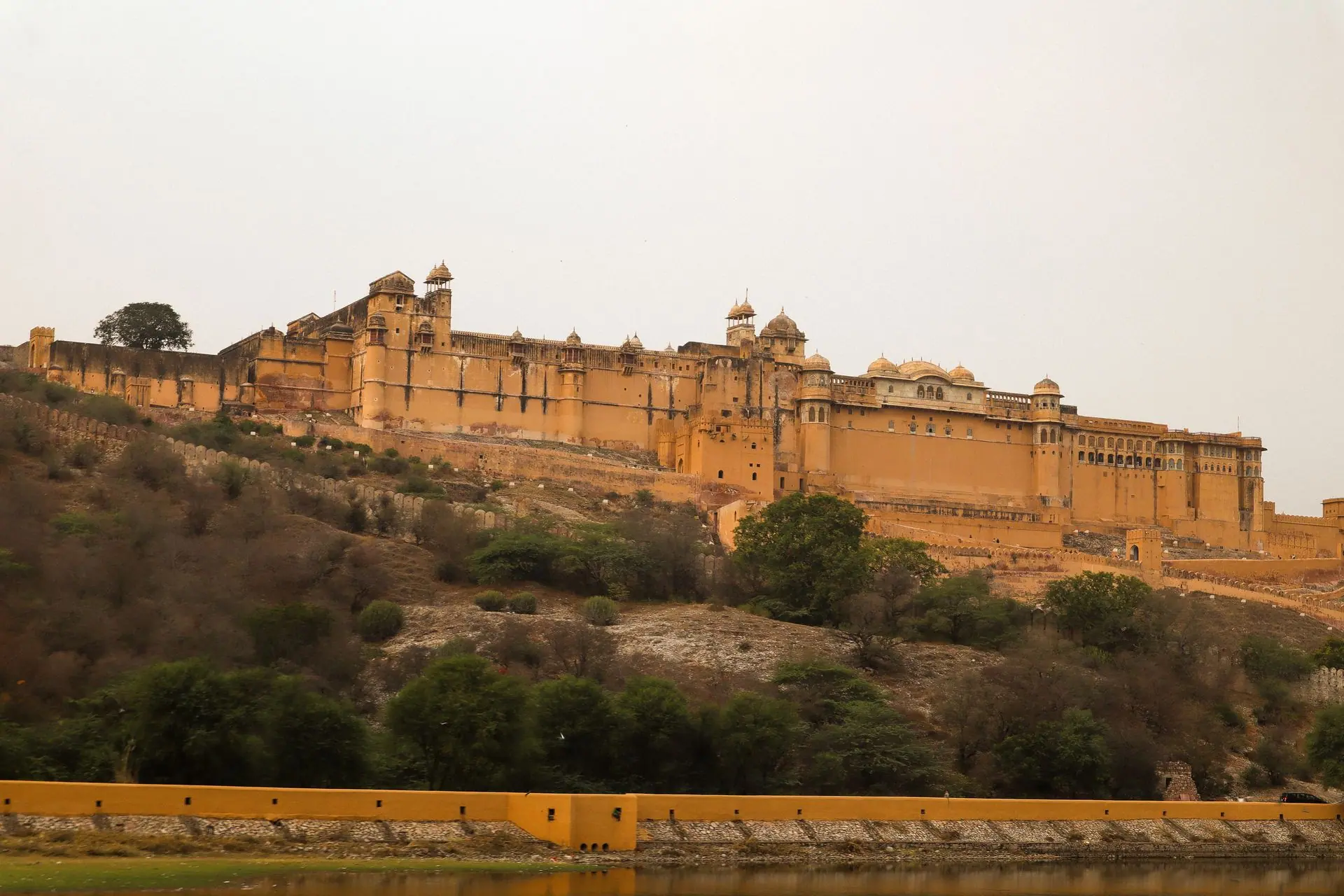
Heritage & Architecture
2 experiences

Beaches & Islands
5 experiences

Wellness & Ayurveda
1 experience

Yoga & Meditation
4 experiences

Trekking
2 experiences

Adventure
6 experiences
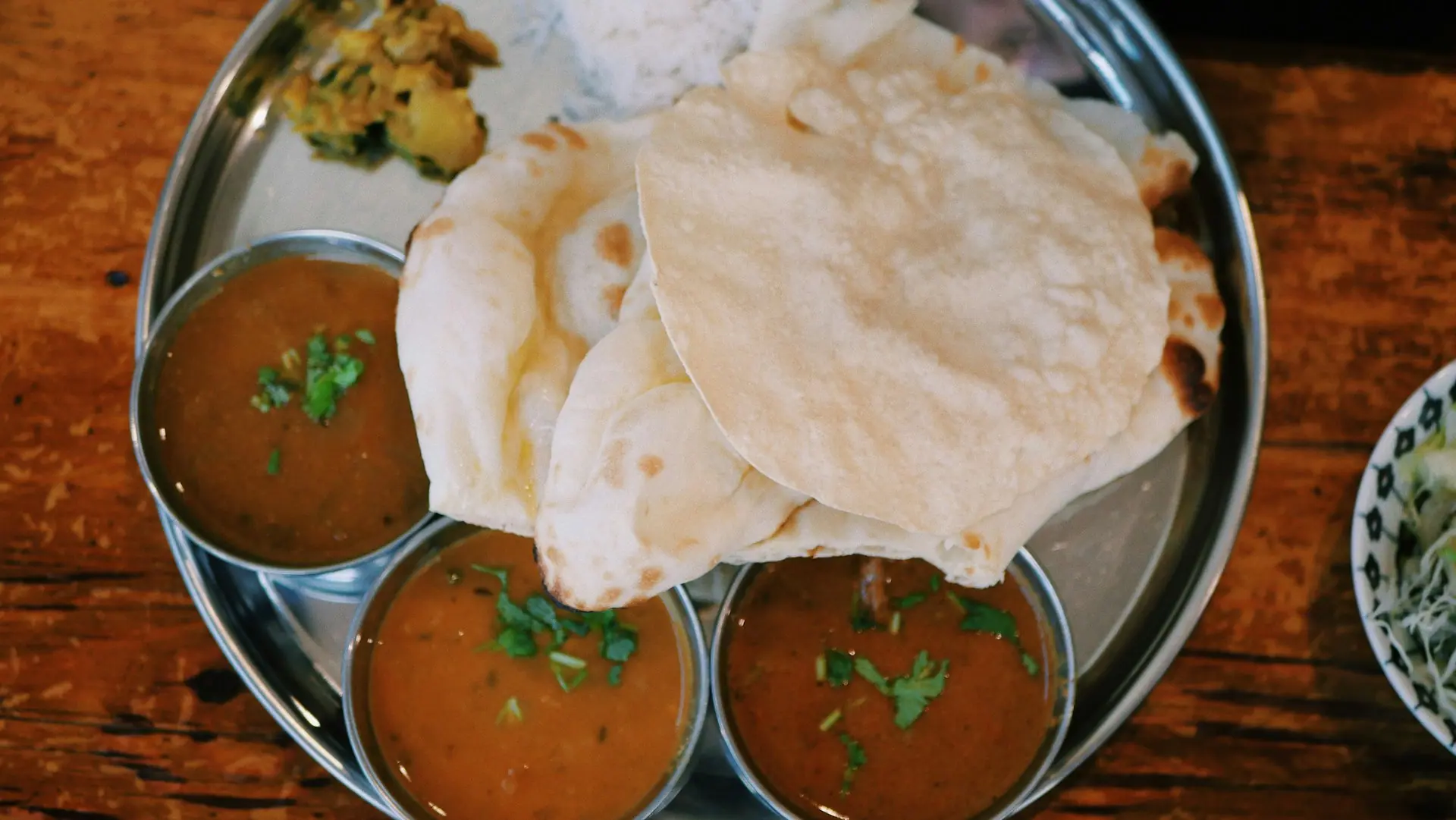
Culinary
5 experiences

Festivals
8 experiences

Performing Arts
5 experiences

Luxury Trains
4 experiences

Houseboats
3 experiences

Toy Trains & Railways
1 experience
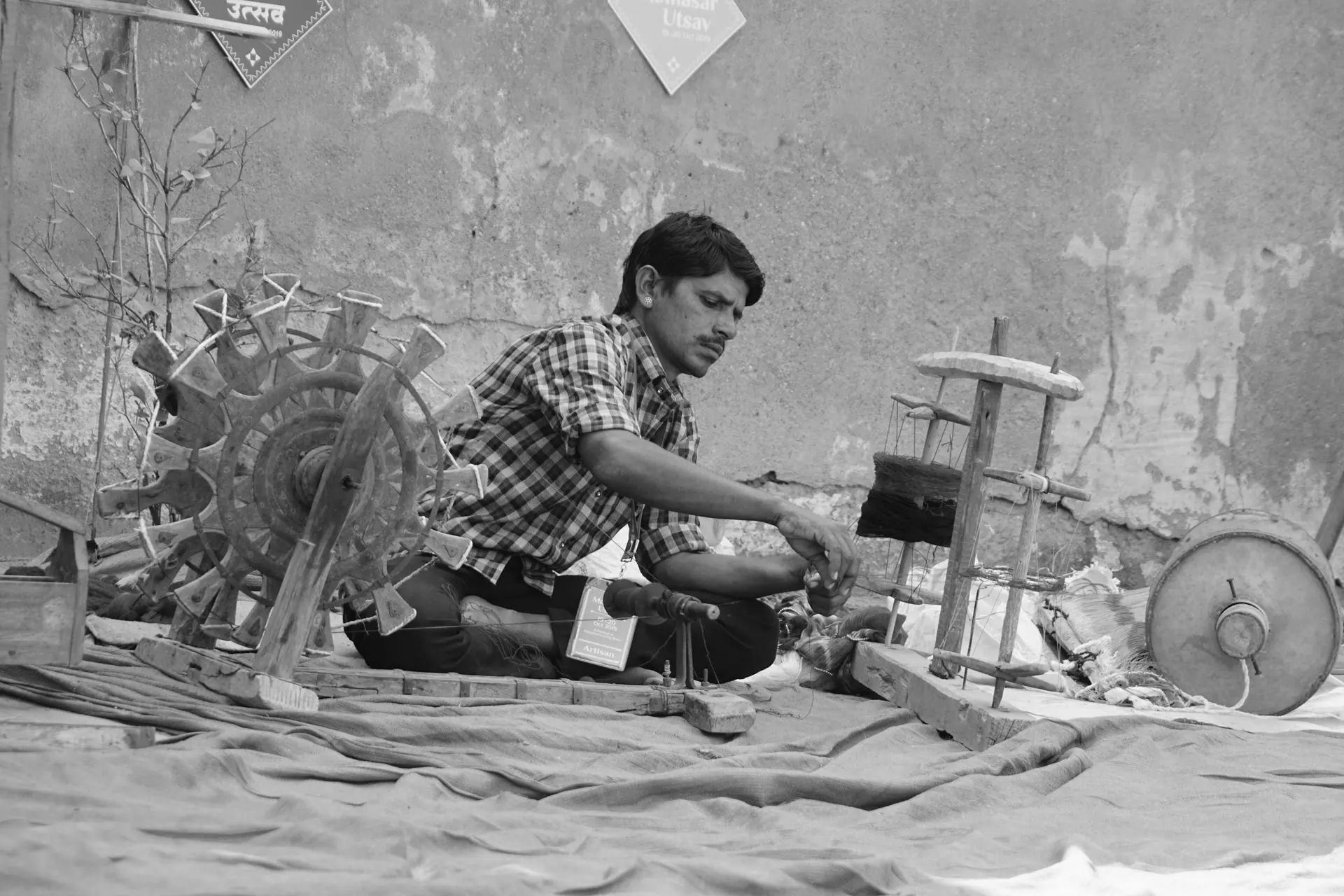
Village & Tribal Tourism
2 experiences
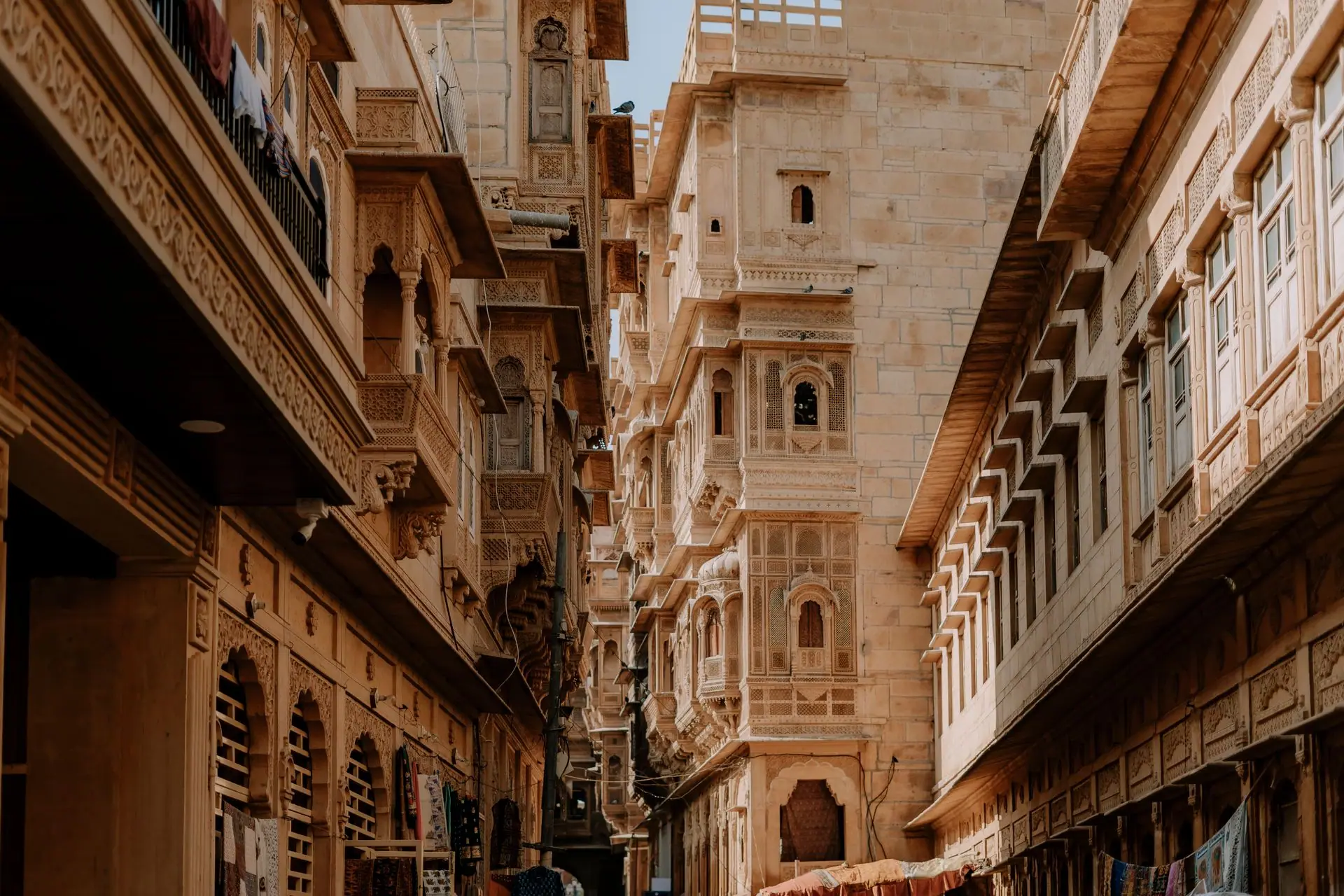
Glamping & Desert
1 experience

Honeymoon & Romance
3 experiences

VIP & Luxury
2 experiences
Plan a trip
Tailor-made quote from a specialist