
Last updated:
ATMs and Cards in India: Using a Foreign Card as a Visitor
An international credit or debit card works in India at hotels, larger shops and restaurants, and at ATMs, which pay out rupees. Tell your bank you are travelling, ask what it charges abroad, carry two cards and some cash, and keep every ATM slip: when you leave, authorised money changers may buy back unspent rupees from foreign tourists against original ATM slips.
By Experience My India Editorial Team
Destination specialists and licensed local guides
Will my card work in India?
Cards on the big international networks are widely taken in Indian cities: at hotels, airlines, larger restaurants and shops, and at most ATMs. Small shops, street stalls, auto-rickshaws and village markets more often want cash or a UPI payment. Our advice before you fly:
- Tell your bank which dates you will be in India, so that the first payment is not blocked as suspicious.
- Ask your bank what it charges for a card payment abroad and for a cash withdrawal abroad. Those charges are set by your own bank, not in India, and they differ widely.
- Take two cards, from different accounts if you can, and keep them apart, so that one lost or blocked card does not leave you stuck.
- Make sure your card has a chip and that you know its PIN: at ATMs and on many card machines you will be asked for it.
Drawing cash at ATMs
ATMs in India are run by banks and by licensed non-bank operators. The Reserve Bank of India (RBI) authorises those operators, whose machines are called white label ATMs, and it says that for a customer, using one is just like using any bank's ATM. Which cards an ATM takes is up to the card issuer, so if one machine refuses your card, try another bank's.
The RBI's safety advice for ATM users applies to visitors too:
- Use the machine alone, in private, and do not let anyone see your PIN as you type it.
- Look for anything attached to the card slot or keypad; a fitted device can copy card details. If you find one, tell the guard or the bank.
- Be wary of strangers who start a conversation or offer to help you at the machine.
- Never leave your card in the machine, and never give your PIN to anyone; banks do not ask for it by phone or email.
In our experience an ATM inside or beside a bank branch, used in daylight, makes any problem easier to sort out, because the bank's staff are on hand. The ATM premises must also display the bank's or operator's contact numbers for complaints.
Keep your ATM slips and exchange receipts
Paper is worth keeping in India. At the end of your trip, banks and money changers authorised by the RBI can turn unspent rupees back into foreign currency for a visitor who shows an encashment certificate, the receipt you get when you change money. Foreign tourists, but not NRIs, may also be able to reconvert up to 50,000 Indian rupees against original ATM slips, if they show a valid passport and visa, a ticket confirming departure within seven days and the card used for the withdrawal. Without either, an authorised dealer may at its discretion reconvert only up to 10,000 Indian rupees, and only if you leave within seven days.
You can also take up to 25,000 Indian rupees in notes out of India, so a small remainder can simply travel home with you. NRIs with Indian bank accounts should also read money and SIM cards for visitors.
Changing cash safely
Change foreign currency only at a bank licensed to deal in foreign exchange or at a full-fledged money changer, the two kinds of authorised person the RBI licenses. A money changer must display its buying and selling rates near the counter, updated each morning, and a copy of its RBI licence; if you cannot see the licence, go elsewhere. Ask for an encashment certificate. Authorised persons may sell you rupees against an international credit or debit card as well as for cash, and the RBI limits how much they may pay a foreign visitor in cash, when buying your currency, to the equivalent of 3,000 US dollars a transaction. Never change money with someone in the street.
Paying by card in shops and hotels
Keep the card in sight while it is used and check the amount on the machine before you approve it. If a card machine offers to charge you in your home currency rather than in rupees, we suggest you choose rupees and leave the conversion to your own bank, whose rate you know. Keep receipts until you have checked your statement.
If your card is lost or stolen, call your bank at once and ask it to block the card, then tell your guide or hotel so they can help with the rest of the trip. For how cash, cards and UPI fit together, see money in India; for the prepaid wallet that lets visitors pay by UPI, see UPI for foreigners; and for what you may bring through customs, see customs rules for gold, jewellery and cash.
Frequently asked questions
Can I withdraw rupees from an ATM with a foreign card?
Yes, at most ATMs, if your bank allows withdrawals abroad and you know your PIN. The RBI says which cards an ATM accepts depends on what the card issuer permits, so if one machine declines your card, try another bank's. Your own bank decides the charge for a withdrawal abroad; ask before you travel, and keep every ATM slip for the end of the trip.
What should I do if an ATM keeps my card or does not give me cash?
Ring your own bank straight away, ask it to block the card if it was retained, and report a withdrawal that failed but was debited. Note the ATM's location, time and the contact numbers that every ATM in India must display on its premises, and tell the bank or operator that runs the machine as well. Keep any slip it printed as evidence.
Can I change rupees back into my own currency when I leave India?
Yes, at a bank or authorised money changer, which will reconvert unspent rupees for a visitor who shows the encashment certificate from the original exchange. Foreign tourists, though not NRIs, may also reconvert up to 50,000 Indian rupees against original ATM slips, with a passport, visa, the card and a ticket for departure within seven days.
Should I pay in rupees or in my home currency on a card machine?
Our advice is to choose rupees. Your own bank then converts the payment at the rate and charges set out in your card's terms, which you can check before you travel, rather than at a rate offered on the spot. Whichever you choose, check the amount and the currency on the screen before you approve the payment.
Where can I change money safely in India?
At a bank licensed to deal in foreign exchange or a full-fledged money changer licensed by the Reserve Bank of India. A money changer must show its RBI licence and a rate chart near the counter, updated every morning. Ask for an encashment certificate each time, and never change money with someone in the street or in a shop that cannot show a licence.
How do I avoid card fraud in India?
Follow the RBI's advice: shield your PIN, use the ATM alone, look for anything attached to the card slot or keypad, and ignore strangers who offer help. Never share a PIN or one-time password; banks do not ask for them by phone or email. Keep the card in sight when you pay, and turn on your bank's transaction alerts before you travel.
Related guides
Customer reviews
Experience My India is rated 4.3 on Tripadvisor. We publish guest reviews after each trip.
Why book with Experience My India
Government-approved operator
Approved by the Ministry of Tourism, Government of India
500+ vetted local guides
35+ destination specialists plan every trip by hand.
Human help, every day
Mon–Sun, 9:00 AM – 9:00 PM IST · +91 73022 65809
No payment until you approve
You receive a written quote first; nothing is charged to start planning.
Browse experiences by theme
See all
Wildlife Safaris
8 experiences
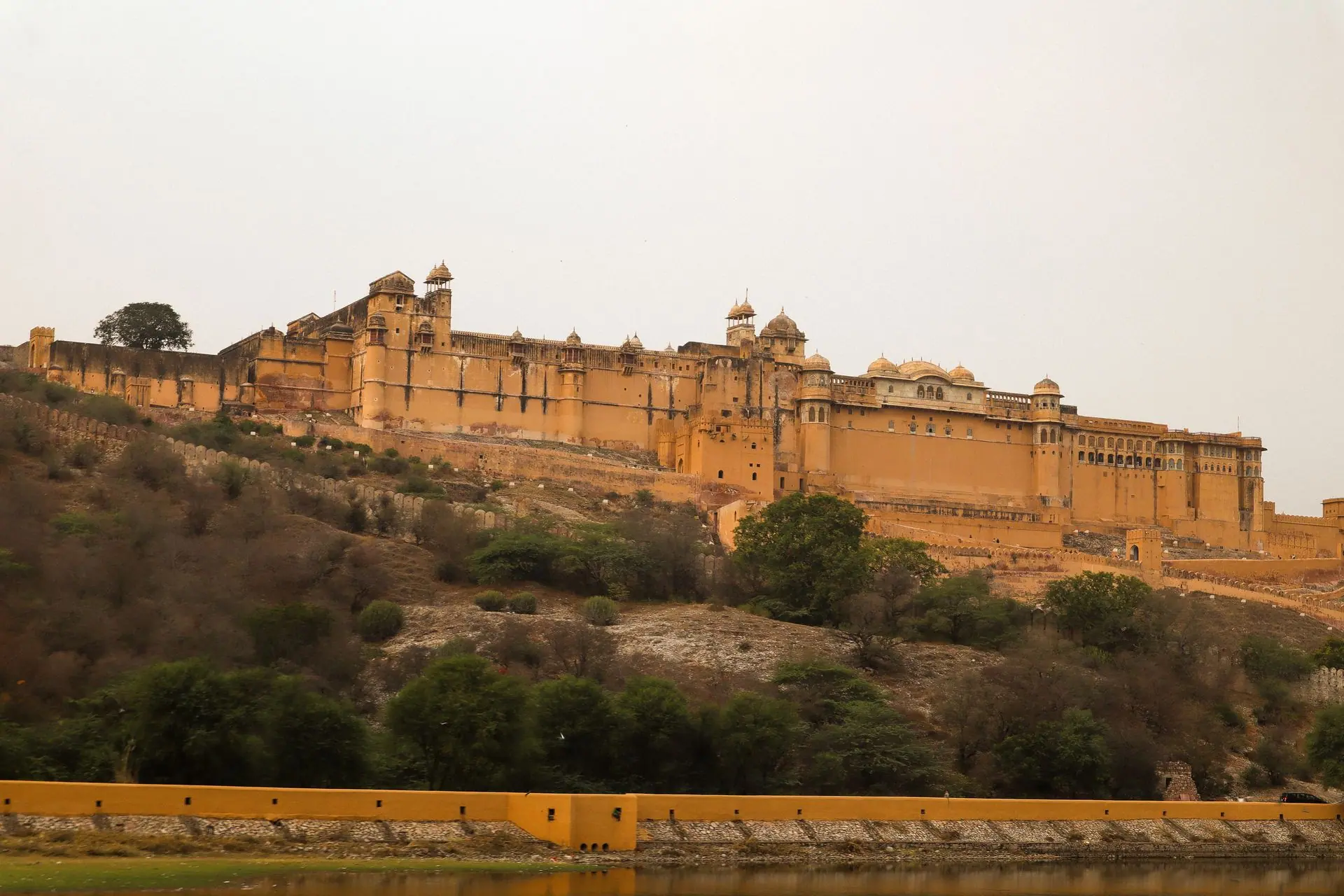
Heritage & Architecture
2 experiences

Beaches & Islands
5 experiences
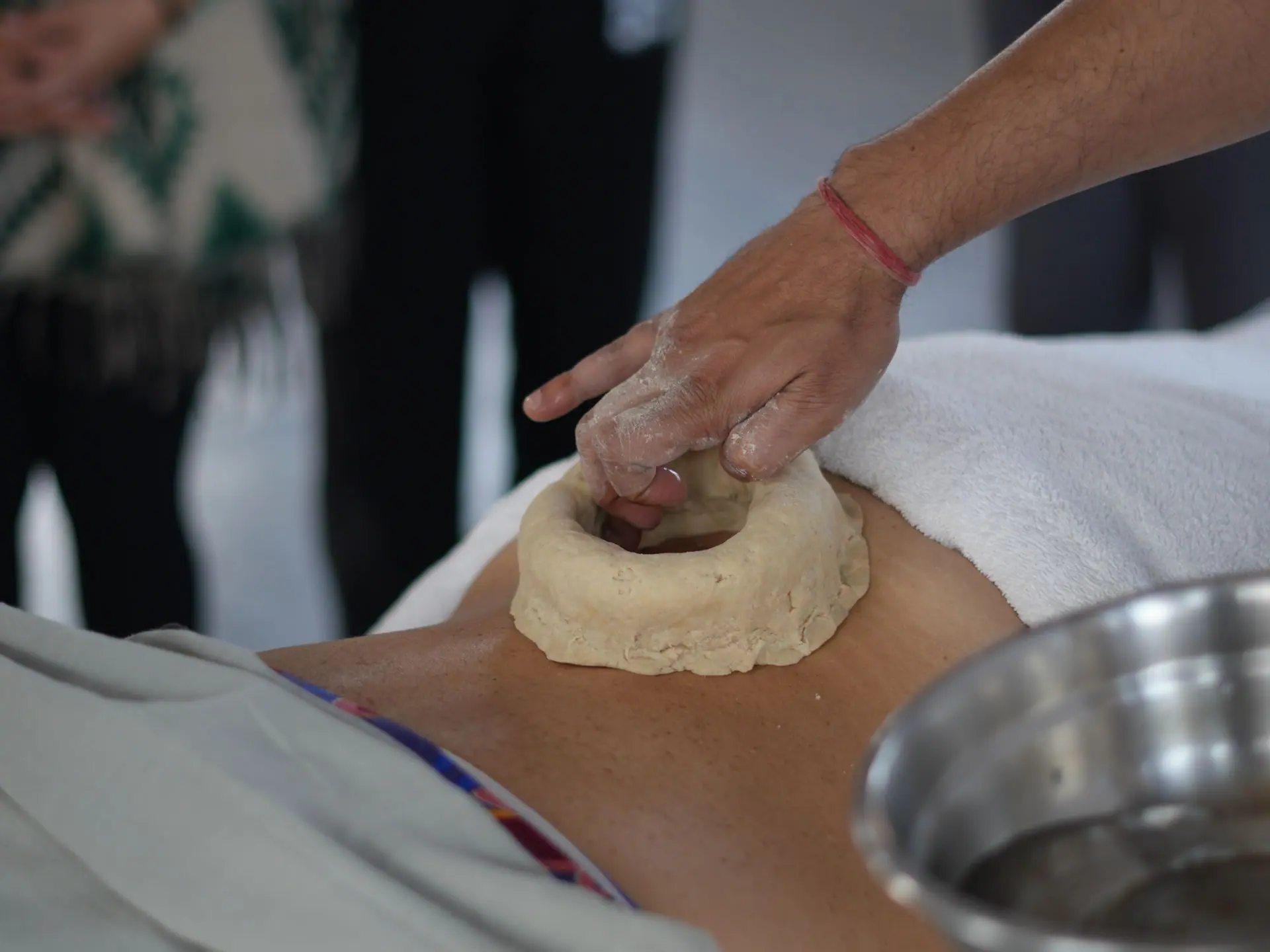
Wellness & Ayurveda
1 experience

Yoga & Meditation
4 experiences
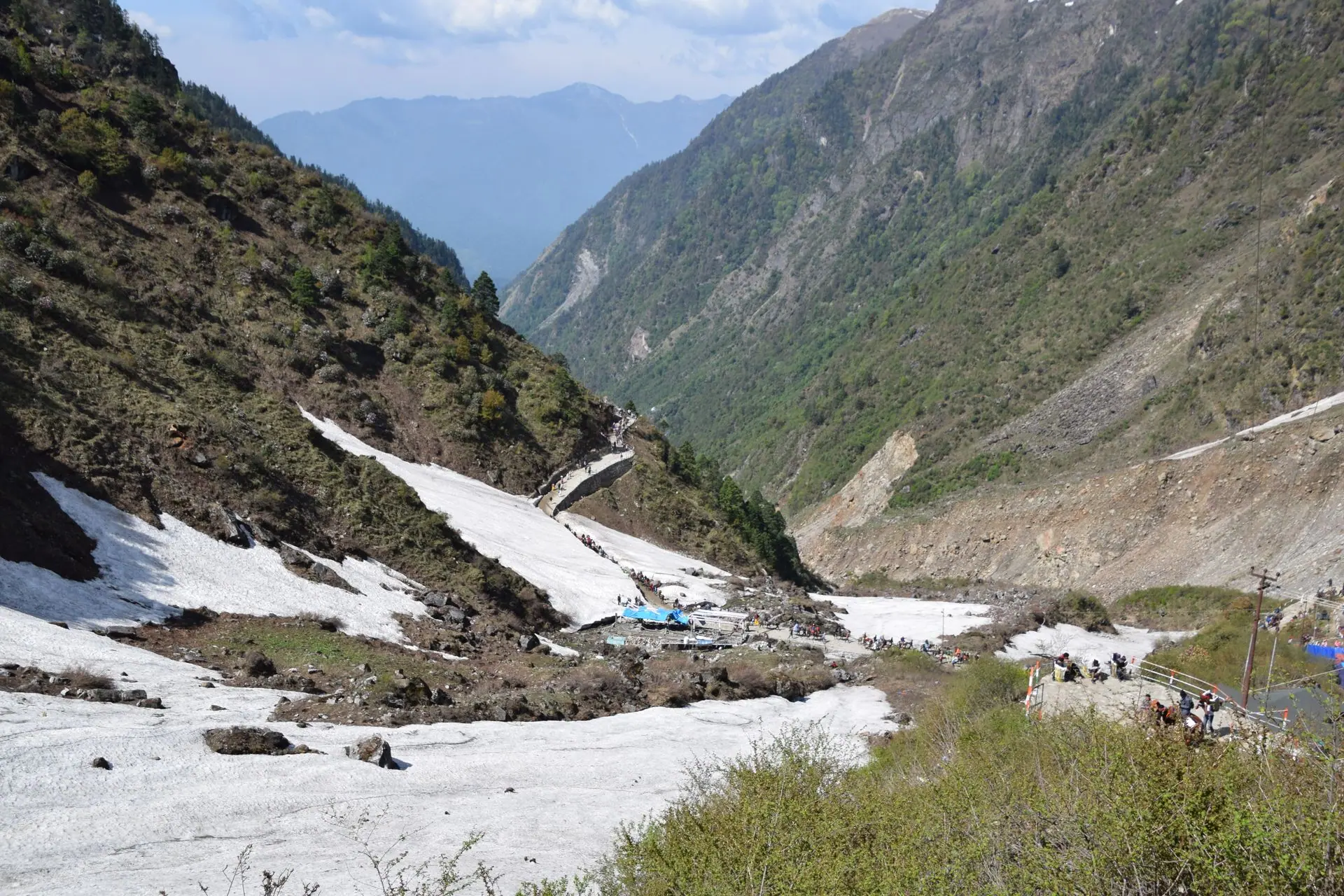
Trekking
2 experiences

Adventure
6 experiences
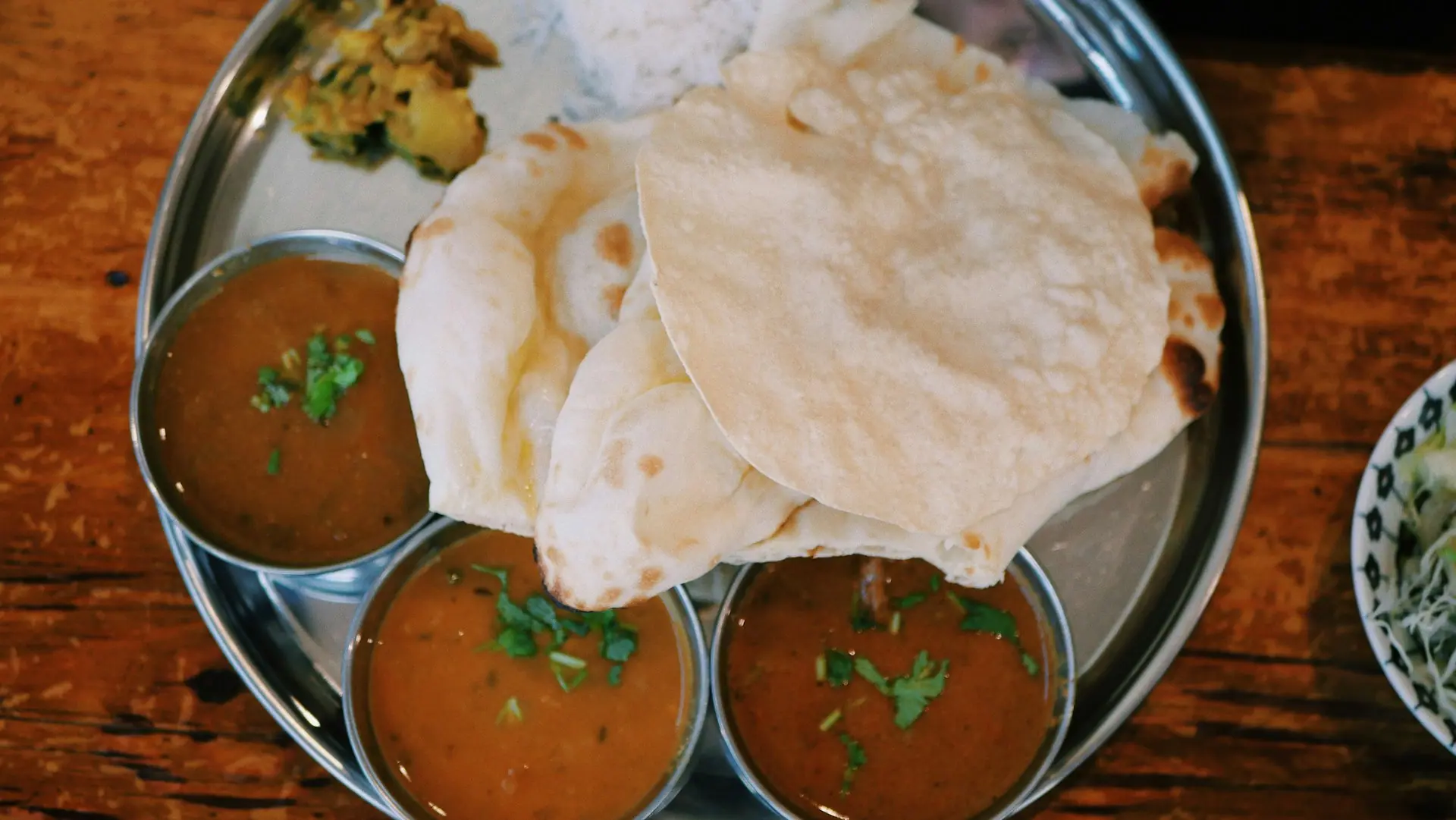
Culinary
5 experiences

Festivals
8 experiences
Performing Arts
5 experiences

Luxury Trains
4 experiences

Houseboats
3 experiences
Toy Trains & Railways
1 experience
Village & Tribal Tourism
2 experiences
Glamping & Desert
1 experience
Honeymoon & Romance
3 experiences
VIP & Luxury
2 experiences
Plan a trip
Tailor-made quote from a specialist