
Last updated:
Hidden Festivals of India That Tourists Rarely Experience
By Experience My India Editorial Team
Destination specialists and licensed local guides
The first time I realised how many festivals India keeps to itself, I wasn’t travelling for one. I was just passing through a small town, waiting for a bus that never came on time. Somewhere nearby, drums started. Not loud. Not inviting. Just steady. People didn’t rush toward the sound. They already knew where it was coming from.
That’s when it hit me. Some festivals aren’t meant to be announced. They aren’t created for outsiders. They exist because the community needs them to exist.
This piece is for travellers curious about hidden festivals of India. Not the ones that appear on glossy calendars, but the ones that unfold quietly, where participation matters more than performance, and where being present counts more than understanding everything.
History – Why These Festivals Stay Unseen
Many of these festivals predate modern travel. They were created for harvest cycles, seasonal shifts, ancestral remembrance, or community balance. Long before roads improved and itineraries existed.
Why They Remain Offbeat
These offbeat Indian festivals to experience survive because they remain useful to the people who host them. Tourism was never part of the plan.
- No commercial incentive
- Limited infrastructure
- Deeply personal meaning for locals
- Little interest in adapting for visitors
Theyam – Kerala’s Living Ritual
The first thing you notice isn’t the costume. It’s the silence right before the ritual begins.
Theyam is not performed on stages. It happens in temple courtyards and village clearings, often before sunrise.
About the Ritual
- Performers embody local deities
- Rituals last through the night
- Community participation is quiet and respectful
What It Feels Like
- Intense, not dramatic
- Emotional without explanation
- Observational, not interactive
Best Time to Visit
- December to April
- Early mornings or late nights
Safety Tip
Theyam isn’t something you “watch”. It’s something you stand near and slowly understand.
- Maintain distance
- Follow local cues
- Photography only if permitted
Hornbill Festival’s Lesser-Known Villages – Nagaland Beyond the Main Event
Most people stop at the main Hornbill Festival grounds. A few continue further.
In smaller villages around Kohima, parallel celebrations happen quietly. No stalls. No stages. Just community gatherings.
What Makes These Unique
- Traditional food cooked for locals
- Storytelling instead of performances
- Music without amplification
Best Time to Visit
- Early December
- Stay beyond festival opening days
Nearest Places to Explore
These are unique cultural festivals in India that don’t feel curated. They feel lived.
- Dzükou Valley
- Local Angami villages
Bhagoria – Madhya Pradesh’s Quiet Corners
Bhagoria is known, but only partially. The deeper versions happen away from major towns.
Here, colour isn’t celebration. It’s signal.
About Bhagoria
- Tribal festival marking youth courtship
- Held before Holi
- Rooted in Bhil and Bhilala communities
Ritual Reality
- Music sets rhythm
- No fixed program
- Locals lead everything
Best Time to Visit
- February to early March
Safety Tip
Bhagoria isn’t playful Holi. It’s social language.
- Visit with local guidance
- Avoid intrusive photography
Puli Kali Beyond Thrissur – Kerala’s Village Streets
Puli Kali is famous in Thrissur, but in smaller villages it feels different. More relaxed. Less watched.
What Changes Outside Cities
- Slower movement
- Children participate freely
- No performance pressure
Best Time to Visit
- Post-Onam season
Nearest Places
Here, hidden festivals of India feel like community gatherings rather than events.
- Rural Thrissur outskirts
- Backwater villages
Karam Festival – Jharkhand and Chhattisgarh
Karam is about trees. Literally.
About the Festival
- Celebrates nature and fertility
- Worship of Karam tree branch
- Observed by tribal communities
Rituals
- Songs passed orally
- Group fasting
- Night-long storytelling
Best Time to Visit
- August to September
Safety Tip
This is one of those lesser known festivals of India where meaning sits quietly beneath song.
- Respect ritual spaces
- Avoid interrupting ceremonies
Nearest Places to See Along the Way
Hidden festivals often sit near beautiful, overlooked landscapes.
Examples
Let the journey stretch beyond the festival itself.
- Forest trails near tribal belts
- Small rivers and ghats
- Local markets after festival days
Car
- Best for flexibility
- Roads may be slow but scenic
Train
- Reliable for reaching district towns
- Final stretches often require local transport
Air
Planning isn’t about speed here. It’s about readiness.
- Nearest major city, then road travel
Planning Support Partner
Experiencing lesser-known festivals often requires local sensitivity more than logistics. Timing, respectful access, and understanding where not to go matter as much as reaching the place. Experience My India has helped travellers approach hidden festivals of India in a way that feels mindful, allowing space for observation rather than intrusion.
Conclusion
Some festivals invite you loudly. Others don’t invite you at all.
The hidden festivals of India sit in that quiet space. They don’t ask for attention. They continue, whether anyone notices or not. And when you happen to be there, standing quietly at the edge, you realise something important.
Contact Experience My India: call or WhatsApp +91 73022 65809, or plan your trip with a specialist.
Not every journey needs applause. Some only need presence.
Frequently asked questions
Are hidden festivals open to outsiders?
Yes, but observation is usually preferred over participation.
Do these festivals have fixed dates?
Many follow lunar or seasonal cycles.
Is photography allowed?
Sometimes. Always ask.
Are these festivals safe for solo travellers?
Yes, with awareness and local guidance.
Can families attend?
Yes, but choose festivals with calmer settings.
Do I need permits?
Some regions may require them.
How long do these festivals last?
Anywhere from a few hours to several days.
Are accommodations available nearby?
Basic options usually exist in nearby towns.
Is food part of the experience?
Often, but sharing depends on community norms.
What is the biggest mistake travellers make?
Treating these festivals like tourist attractions.
Related guides
Customer reviews
Experience My India is rated 4.3 on Tripadvisor. We publish guest reviews after each trip.
Why book with Experience My India
Government-approved operator
Approved by the Ministry of Tourism, Government of India
500+ vetted local guides
35+ destination specialists plan every trip by hand.
Human help, every day
Mon–Sun, 9:00 AM – 9:00 PM IST · +91 73022 65809
No payment until you approve
You receive a written quote first; nothing is charged to start planning.
Browse experiences by theme
See all
Wildlife Safaris
8 experiences
Heritage & Architecture
2 experiences
Beaches & Islands
5 experiences
Wellness & Ayurveda
1 experience
Yoga & Meditation
4 experiences
Trekking
2 experiences
Adventure
6 experiences
Culinary
5 experiences
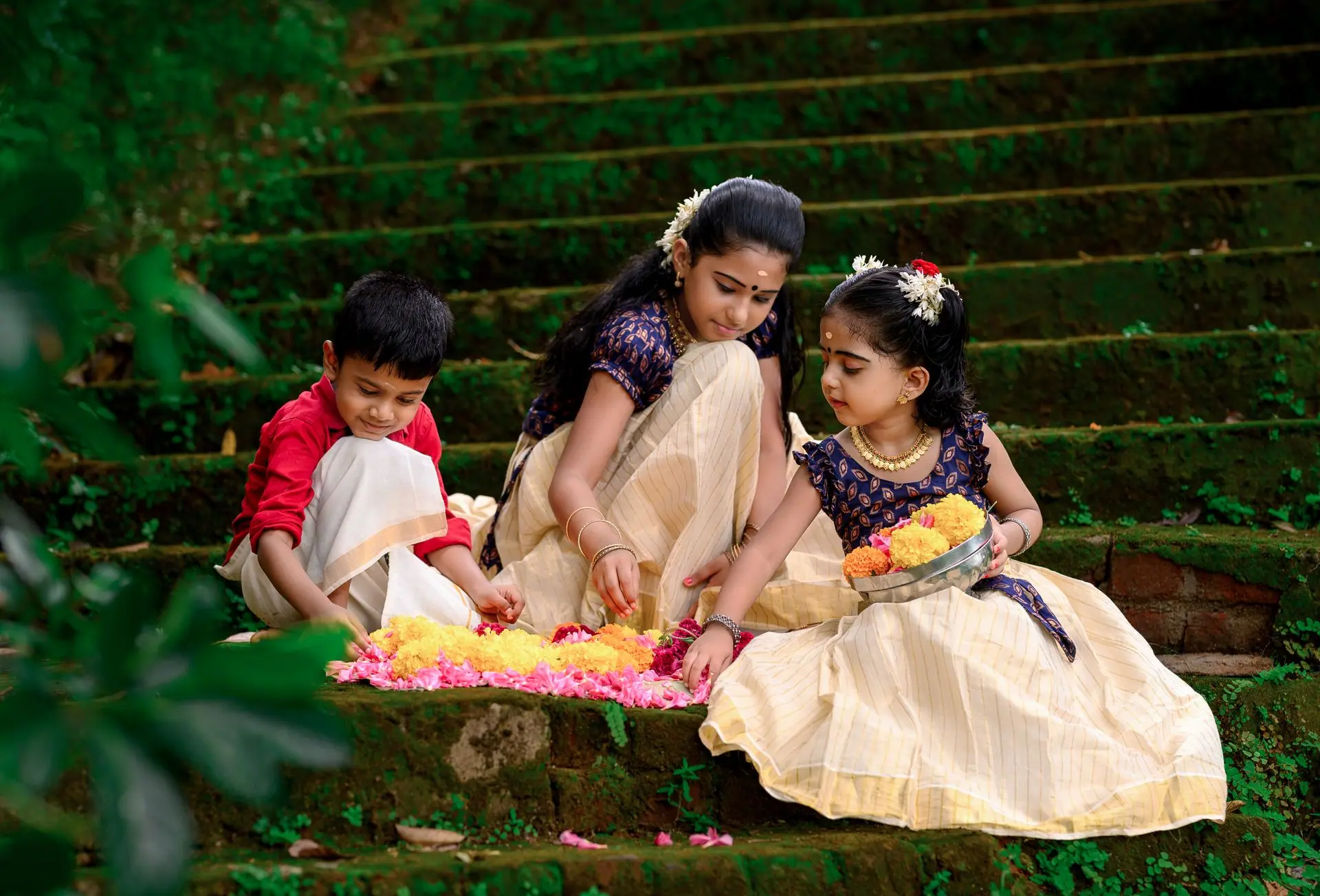
Festivals
8 experiences
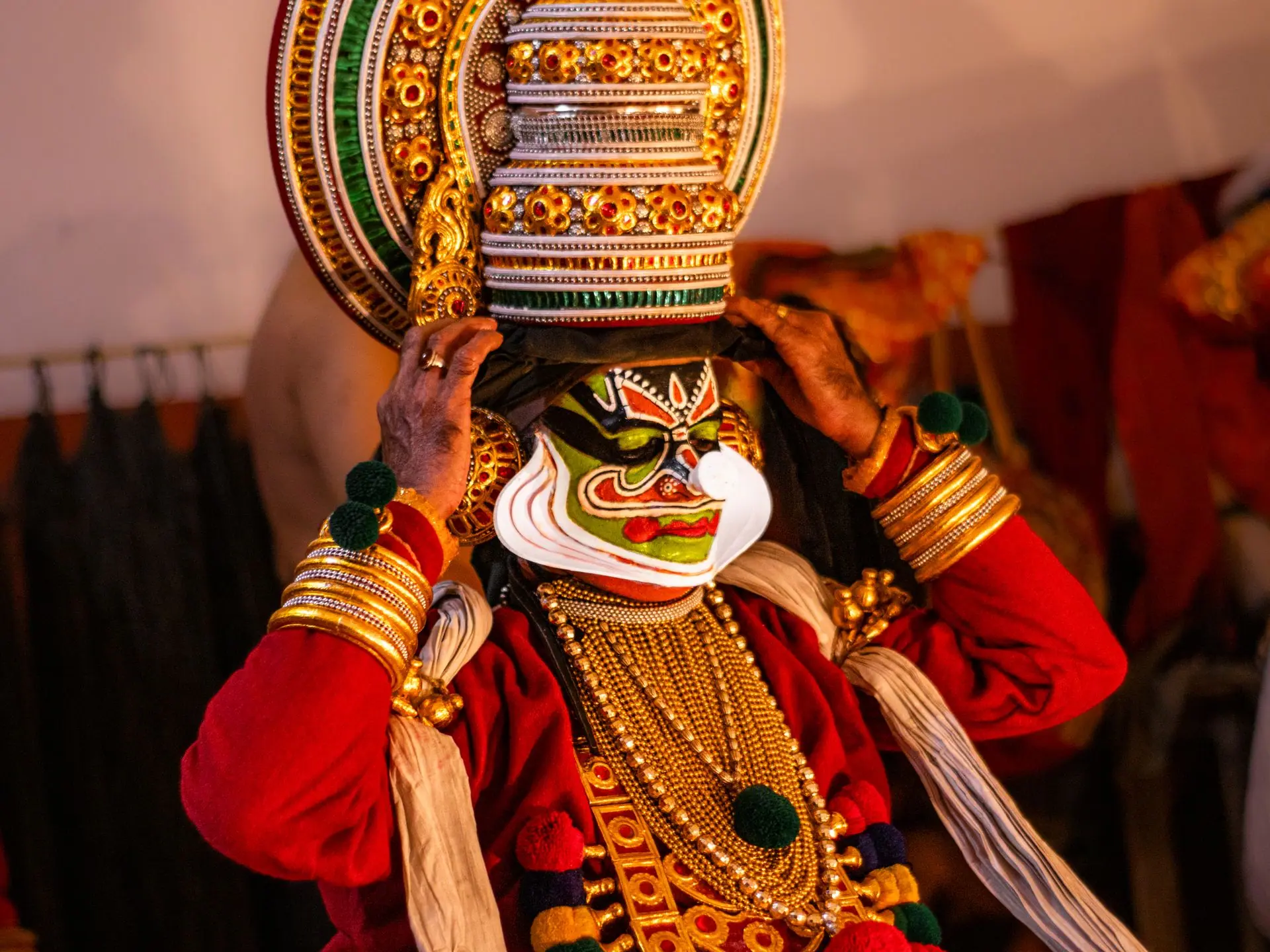
Performing Arts
5 experiences
Luxury Trains
4 experiences
Houseboats
3 experiences
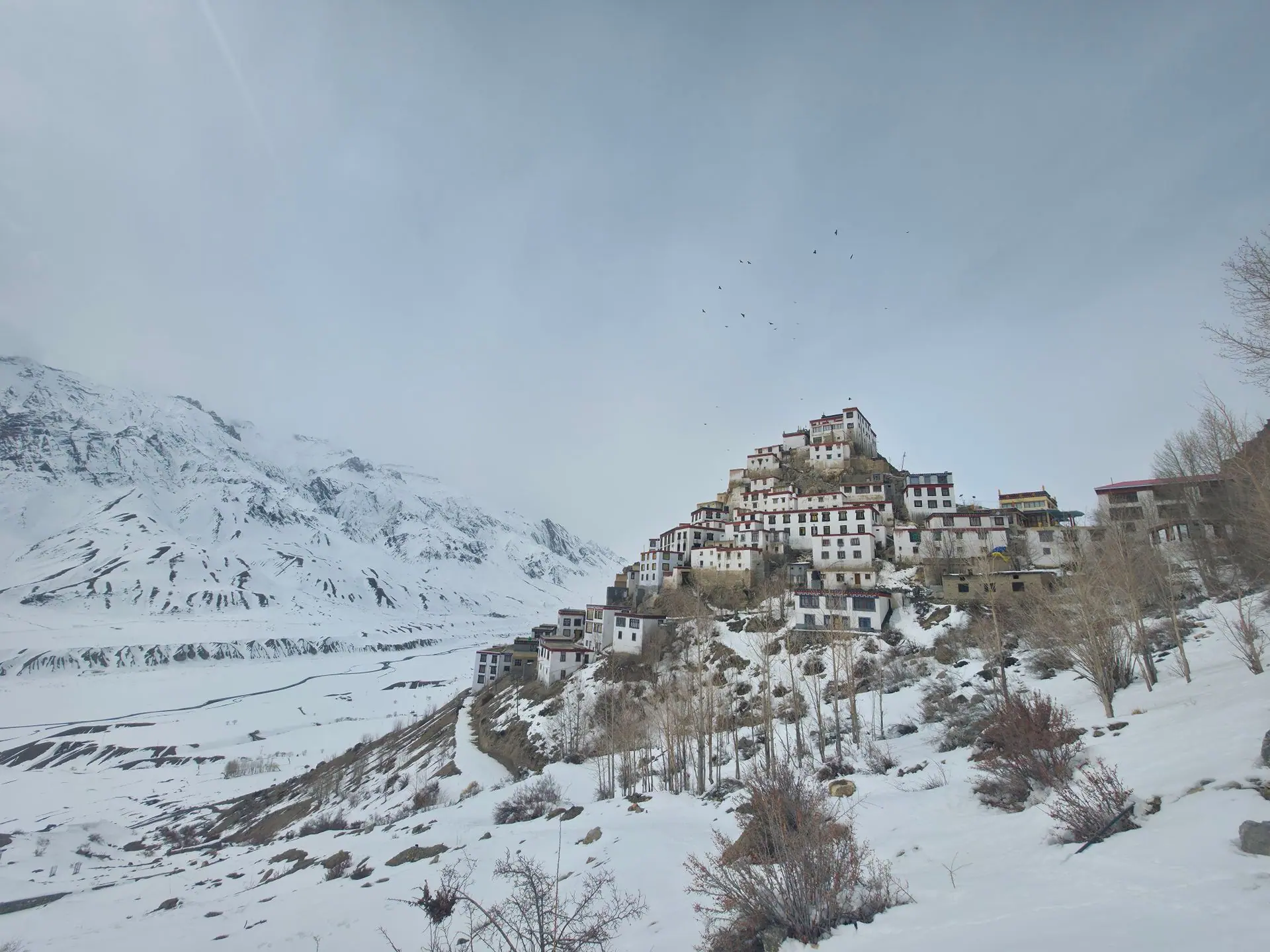
Toy Trains & Railways
1 experience
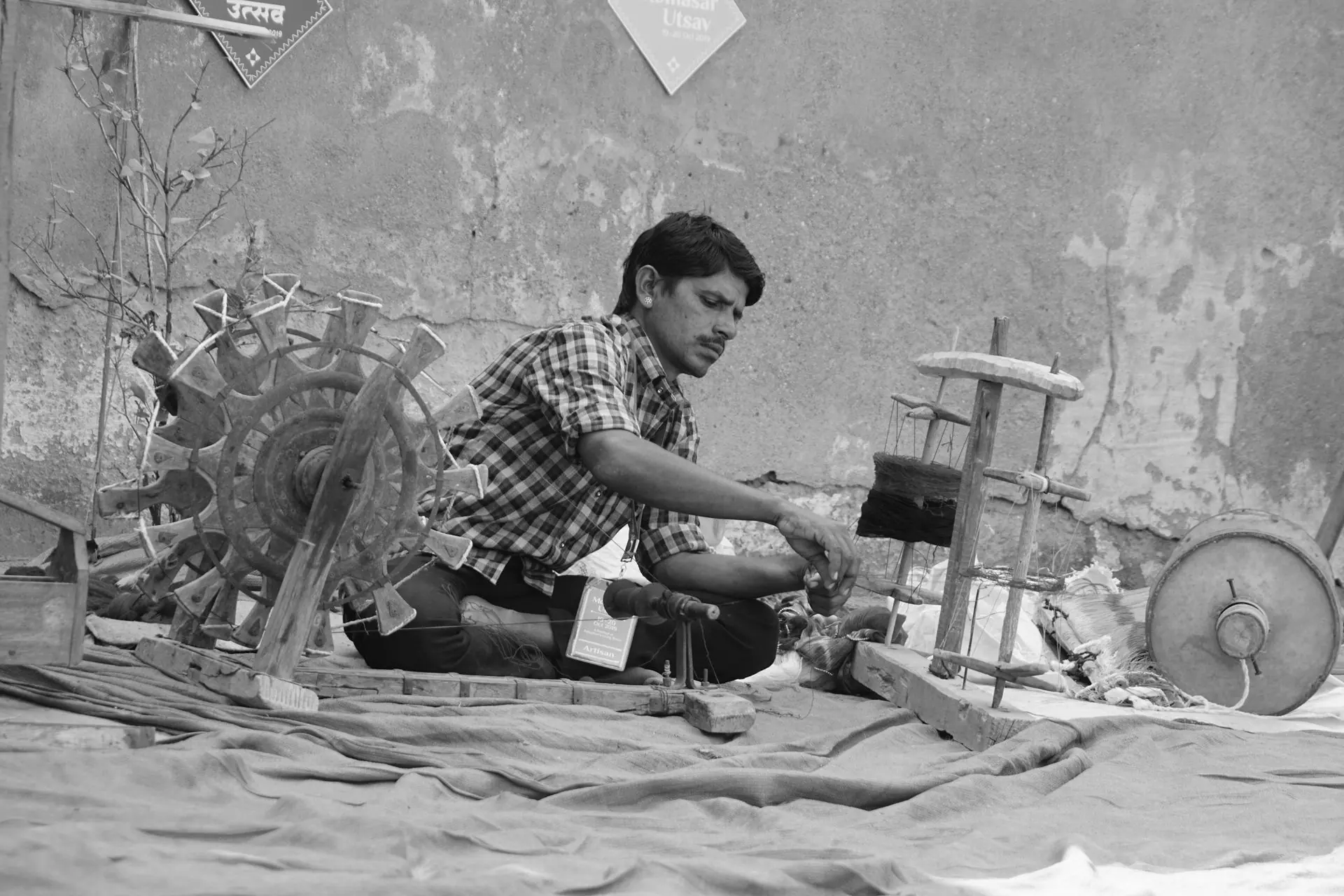
Village & Tribal Tourism
2 experiences
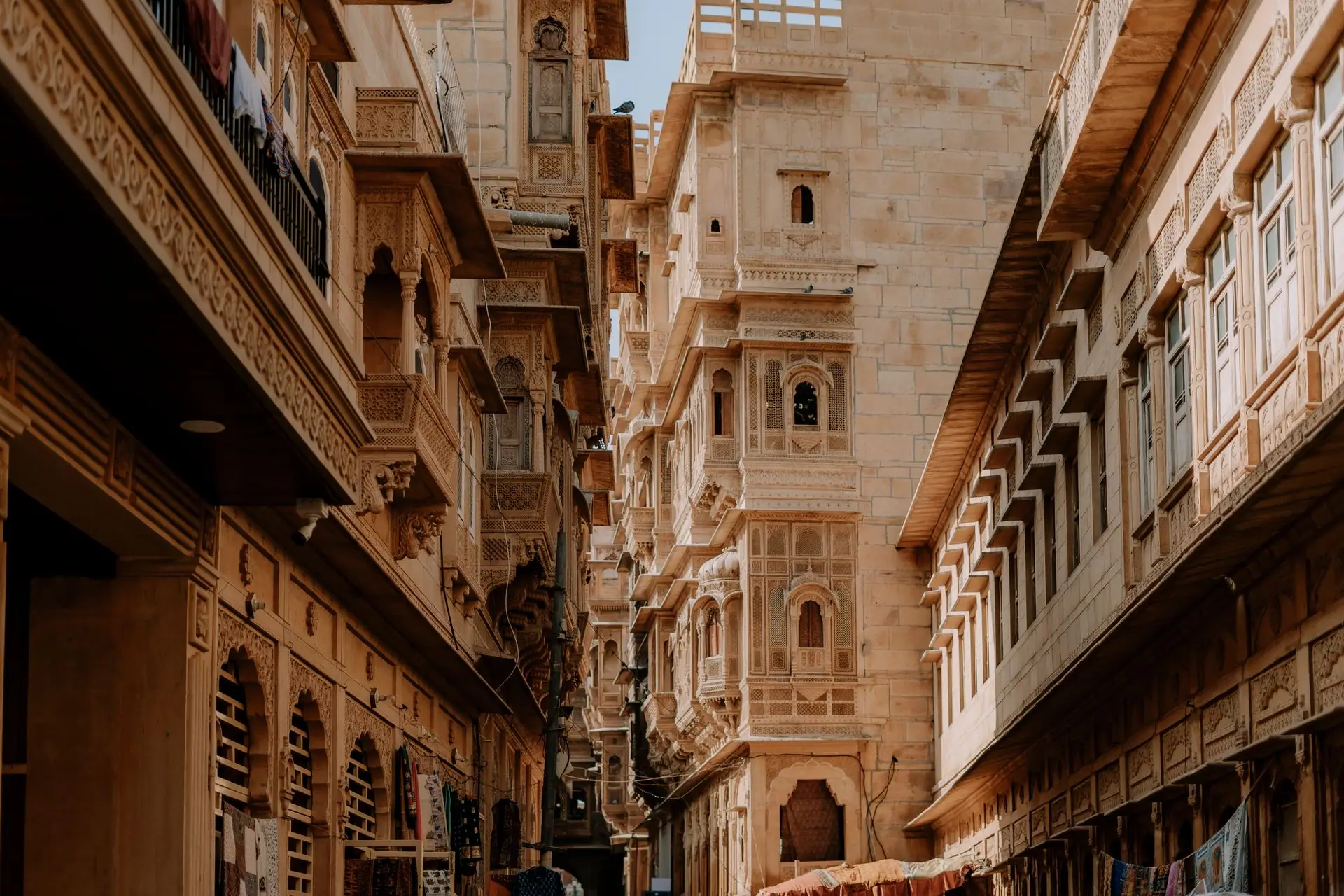
Glamping & Desert
1 experience
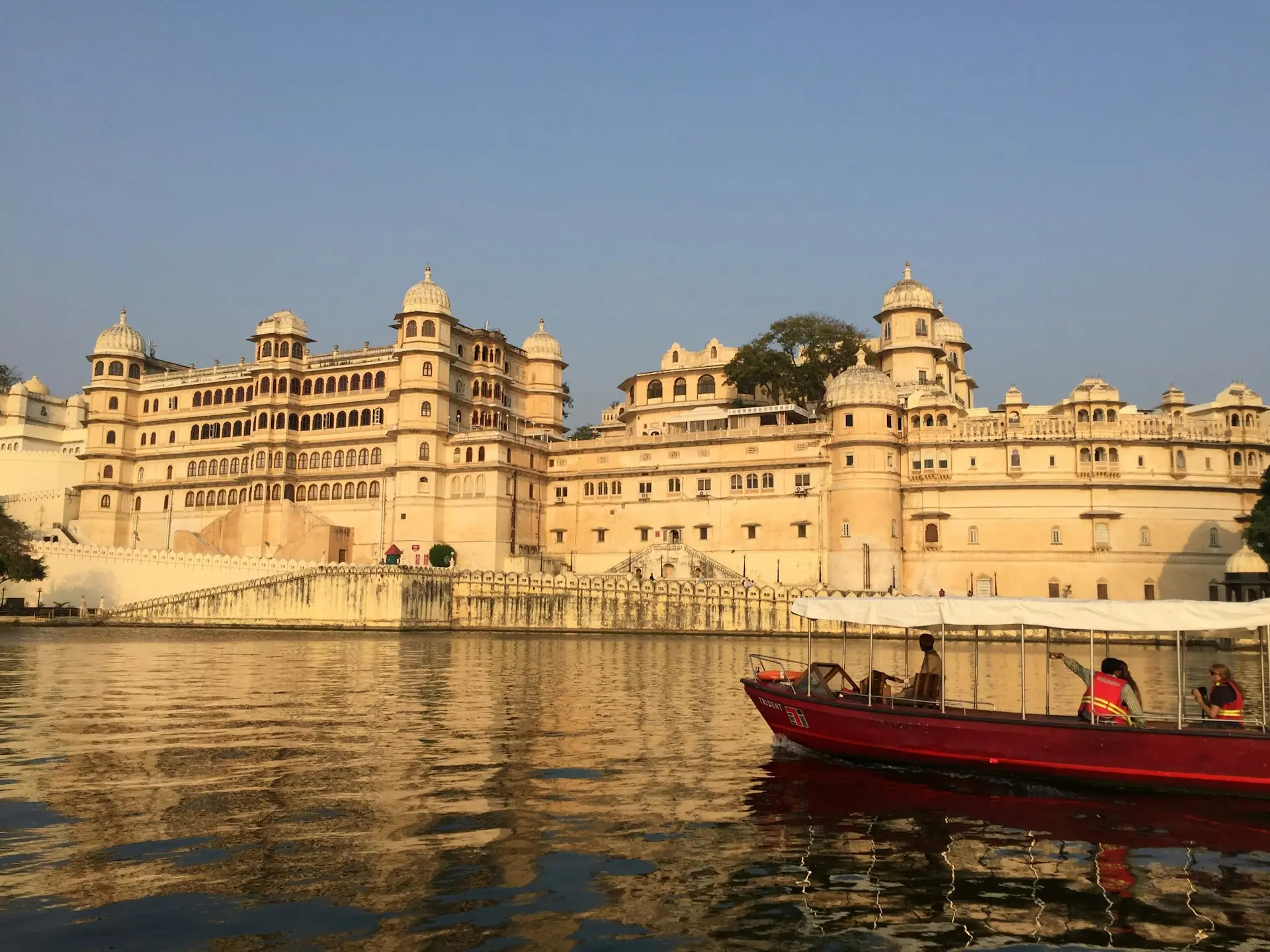
Honeymoon & Romance
3 experiences
VIP & Luxury
2 experiences
Plan a trip
Tailor-made quote from a specialist