
Last updated:
India's UNESCO World Heritage Sites: a traveller's guide
India has dozens of UNESCO World Heritage Sites, and the ones that matter most for a first or second trip cluster around a handful of regions: the Taj Mahal, Agra Fort and Fatehpur Sikri near Agra, Hampi and the Western Ghats in the south, Khajuraho and the Ajanta and Ellora Caves in central India, and Delhi's Red Fort, Qutub Minar and Humayun's Tomb.
By Experience My India Editorial Team
Destination specialists and licensed local guides
India has dozens of UNESCO World Heritage Sites, spanning Mughal mausoleums, Hindu and Jain cave temples, working mountain railways and entire ecosystems. Rather than list every entry on the register, this guide groups the ones most worth building a trip around by region, so you can see which cluster together and which need a dedicated detour.
How the list works
UNESCO sites in India fall into two broad kinds: cultural sites, recognised for built heritage such as a monument, temple or historic city, and natural sites, recognised for ecology and biodiversity rather than any single structure. A handful worldwide are listed as mixed, holding both kinds of value. The list itself is not fixed — new sites are added periodically — so we don't quote a total figure here that would date quickly; check UNESCO's own list if you want the current count.
Taj Mahal
The white marble mausoleum Shah Jahan built for his wife Mumtaz Mahal in Agra, and the single most recognisable monument in India.
Agra Fort
The red sandstone Mughal fortress-palace two kilometres from the Taj, where Shah Jahan spent his final years under house arrest with a view of the monument he built.
Fatehpur Sikri
Akbar's abandoned Mughal capital outside Agra, left remarkably intact since it was given up within decades of being built.
Hampi
The ruined capital of the Vijayanagara Empire on the Tungabhadra River in Karnataka, spread across a boulder-strewn landscape of temples and royal ruins.
Khajuraho
A group of temples in Madhya Pradesh known for extraordinarily detailed stone carving, built by the Chandela dynasty.
Ajanta and Ellora Caves
Two separate cave complexes in Maharashtra cut directly into rock, Ajanta's Buddhist caves famous for their paintings and Ellora's for multi-faith temples carved from a single hillside, including the enormous Kailasa temple.
Red Fort, Delhi
Shah Jahan's walled citadel at the heart of Old Delhi, and the site of India's Independence Day flag-hoisting each year.
Qutub Minar
A soaring 12th-century minaret in Delhi, commonly described as the tallest brick minaret in the world, surrounded by an older complex of ruins and inscriptions.
Humayun's Tomb
The Mughal garden-tomb in Delhi that set the template later followed by the Taj Mahal, built for Emperor Humayun by his widow.
Jaipur (Jantar Mantar and the Walled City)
An 18th-century astronomical observatory of giant stone instruments, inside Jaipur's pink Walled City, itself recognised for its planned city design.
Sun Temple, Konark
A 13th-century temple in Odisha built in the form of a colossal stone chariot drawn by carved horses, dedicated to the sun god Surya.
Natural and mixed sites
Not every site on the list is a monument. The Western Ghats, a mountain range running down India's west coast, are recognised for exceptional biodiversity rather than any single structure — Kerala's hill stations and tea country sit inside it. Kaziranga National Park in Assam is known for its population of the greater one-horned rhinoceros, best visited on a jeep safari through the grasslands. The Sundarbans, the Indian portion of the world's largest mangrove forest spanning the Ganges delta, is home to a population of Bengal tigers adapted to the tidal creeks.
The Mountain Railways of India
India's mountain railways are grouped together as a single UNESCO listing: the Darjeeling Himalayan Railway's narrow-gauge toy train climbing into the Bengal hills, the Nilgiri Mountain Railway looping up to Ooty in Tamil Nadu, and the Kalka-Shimla Railway into Himachal Pradesh. All three are still working passenger lines, not museum pieces, which is a large part of the appeal — you ride the same track the railway was built on.
| Criteria | Agra and around | Delhi | Rajasthan | Karnataka and the Deccan | Central India | Northeast and the Himalaya |
|---|---|---|---|---|---|---|
| Sites in this cluster | Taj Mahal, Agra Fort, Fatehpur Sikri | Red Fort, Qutub Minar, Humayun's Tomb | Jaipur's Jantar Mantar and Walled City | Hampi, the Western Ghats | Khajuraho, Ajanta and Ellora Caves | Kaziranga, Sundarbans, the Darjeeling toy train |
| Nearest base | Agra | Delhi | Jaipur | Hampi or Bengaluru | Khajuraho or Aurangabad | Guwahati, Kolkata or Darjeeling |
| Good trip length | A day trip, or better, an overnight | Half a day to a full day | 1 to 2 days, as part of a wider Rajasthan loop | A dedicated 2 to 3 day detour | A dedicated stop, not usually combined with Agra or Rajasthan | A separate wildlife- or hill-station-focused trip |
Frequently asked questions
How many UNESCO World Heritage Sites does India have?
Dozens, and the number changes as new sites are added, so we won't quote a figure that will be out of date by the time you read this — check UNESCO's own list for the current count. This guide covers the ones most relevant to a typical trip rather than every entry.
Which UNESCO sites can you combine with the Golden Triangle?
The Taj Mahal, Agra Fort and Fatehpur Sikri sit right on the Delhi-Agra-Jaipur route, along with Delhi's Red Fort, Qutub Minar and Humayun's Tomb and Jaipur's Jantar Mantar. It's the single most UNESCO-dense stretch of the country.
Are Hampi and Khajuraho worth a dedicated trip?
Yes, though neither combines easily with the Golden Triangle by distance. Hampi suits a Karnataka-focused trip, often paired with Bengaluru or Goa; Khajuraho works as a dedicated stop or an add-on to a Madhya Pradesh or Varanasi itinerary.
What is the difference between a cultural and a natural UNESCO site?
Cultural sites, such as the Taj Mahal or Hampi, are recognised for built heritage. Natural sites, such as the Western Ghats or Kaziranga, are recognised for ecology and biodiversity rather than any monument. A handful of sites worldwide are listed as mixed, holding both kinds of value.
Which UNESCO sites involve wildlife rather than monuments?
Kaziranga National Park in Assam and the Sundarbans in West Bengal are both UNESCO-listed for their wildlife and habitat rather than any built structure, and both are usually visited as dedicated wildlife trips rather than combined with a monument-focused itinerary.
Can you visit the Darjeeling toy train as a day trip?
Short sections are ridden as a half-day or day excursion from Darjeeling itself, rather than the full historic route being covered in one go. It's normally combined with a wider Darjeeling or Sikkim hill-station trip.
Experiences to book
Heritage & Architecture
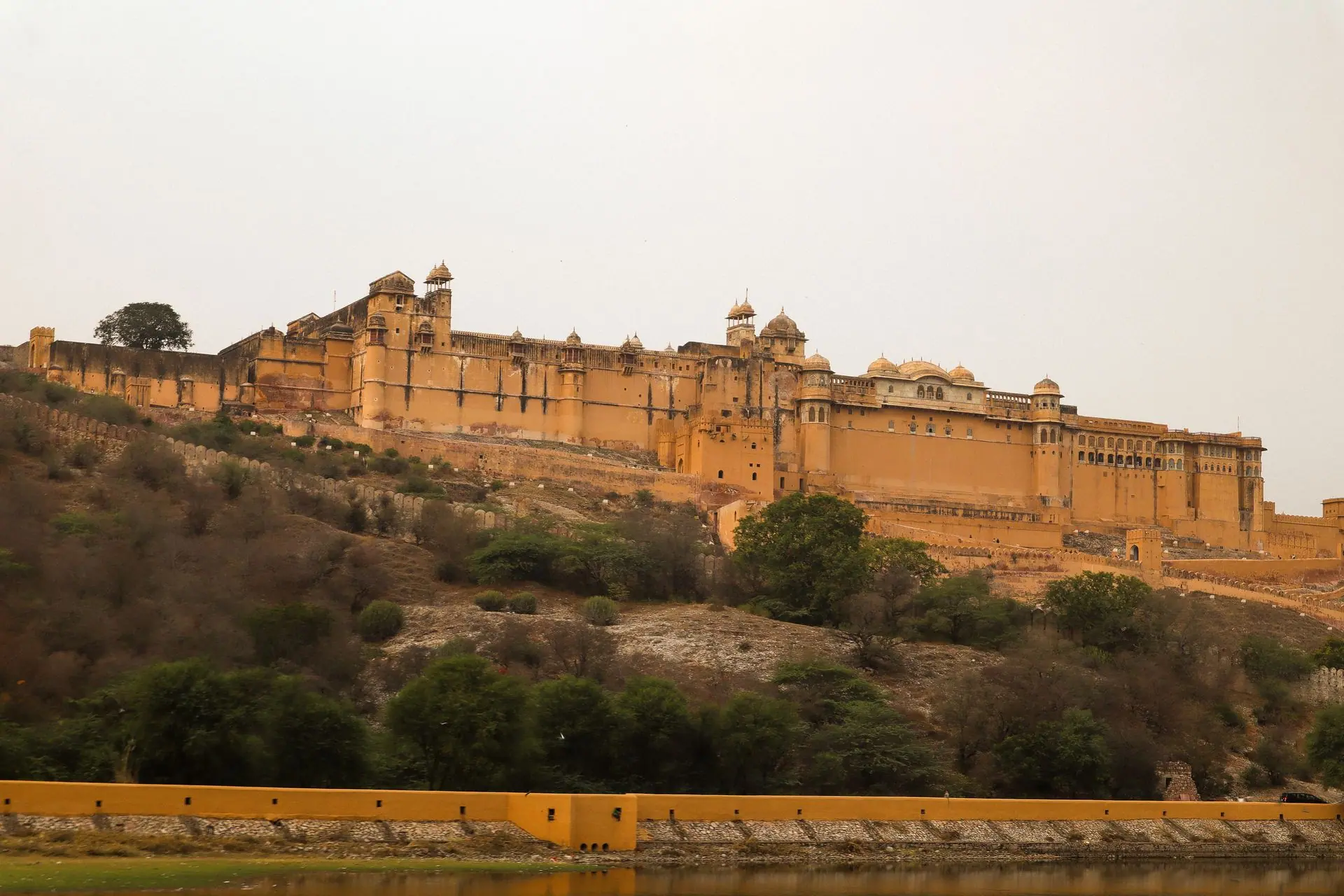
Amber Fort experience
Free cancellation
Price on request
View details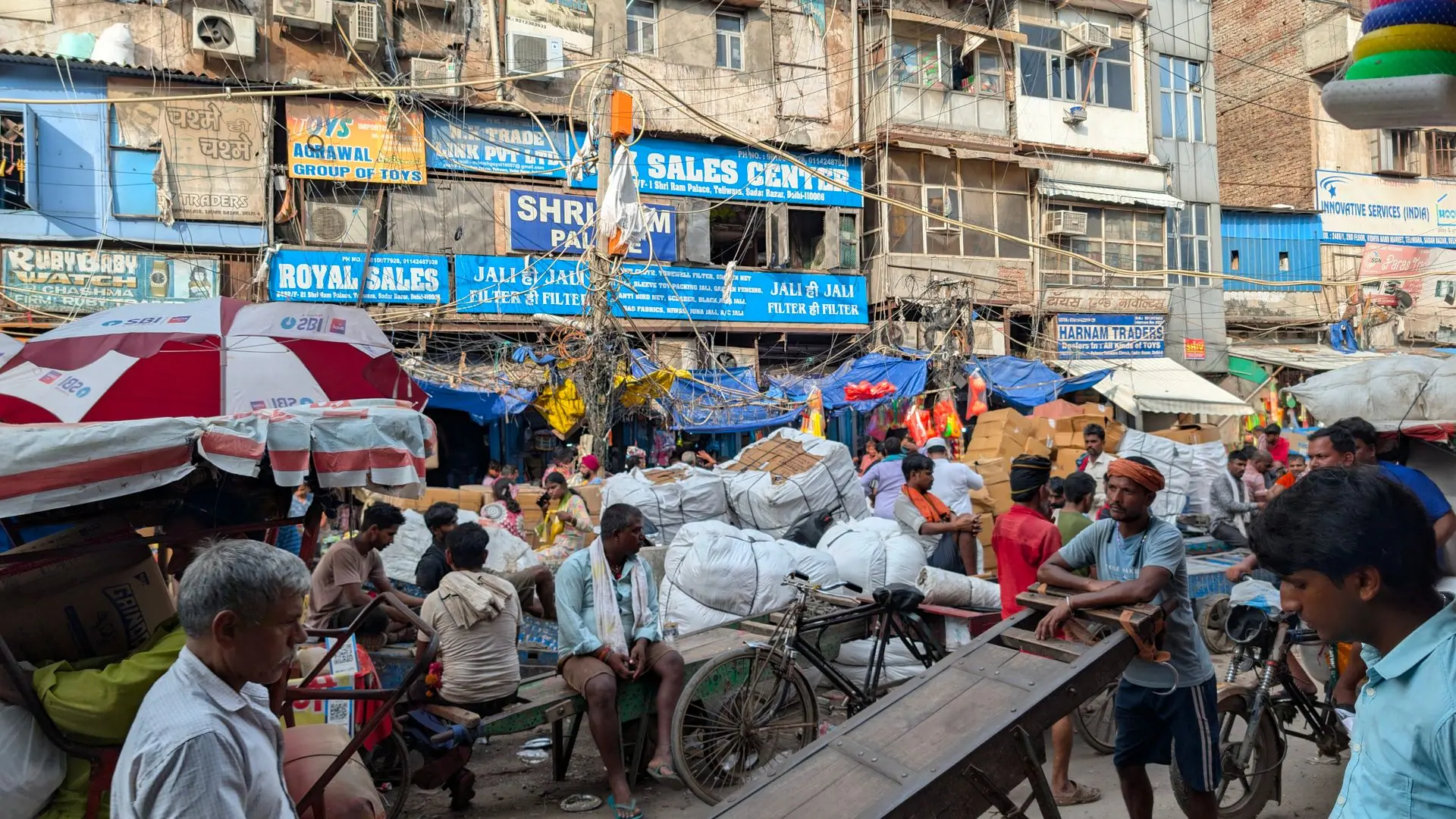
Heritage & Architecture
Old Delhi heritage walk
Free cancellation
Price on request
View detailsRelated guides
Customer reviews
Experience My India is rated 4.3 on Tripadvisor. We publish guest reviews after each trip.
Why book with Experience My India
Government-approved operator
Approved by the Ministry of Tourism, Government of India
500+ vetted local guides
35+ destination specialists plan every trip by hand.
Human help, every day
Mon–Sun, 9:00 AM – 9:00 PM IST · +91 73022 65809
No payment until you approve
You receive a written quote first; nothing is charged to start planning.
Browse experiences by theme
See all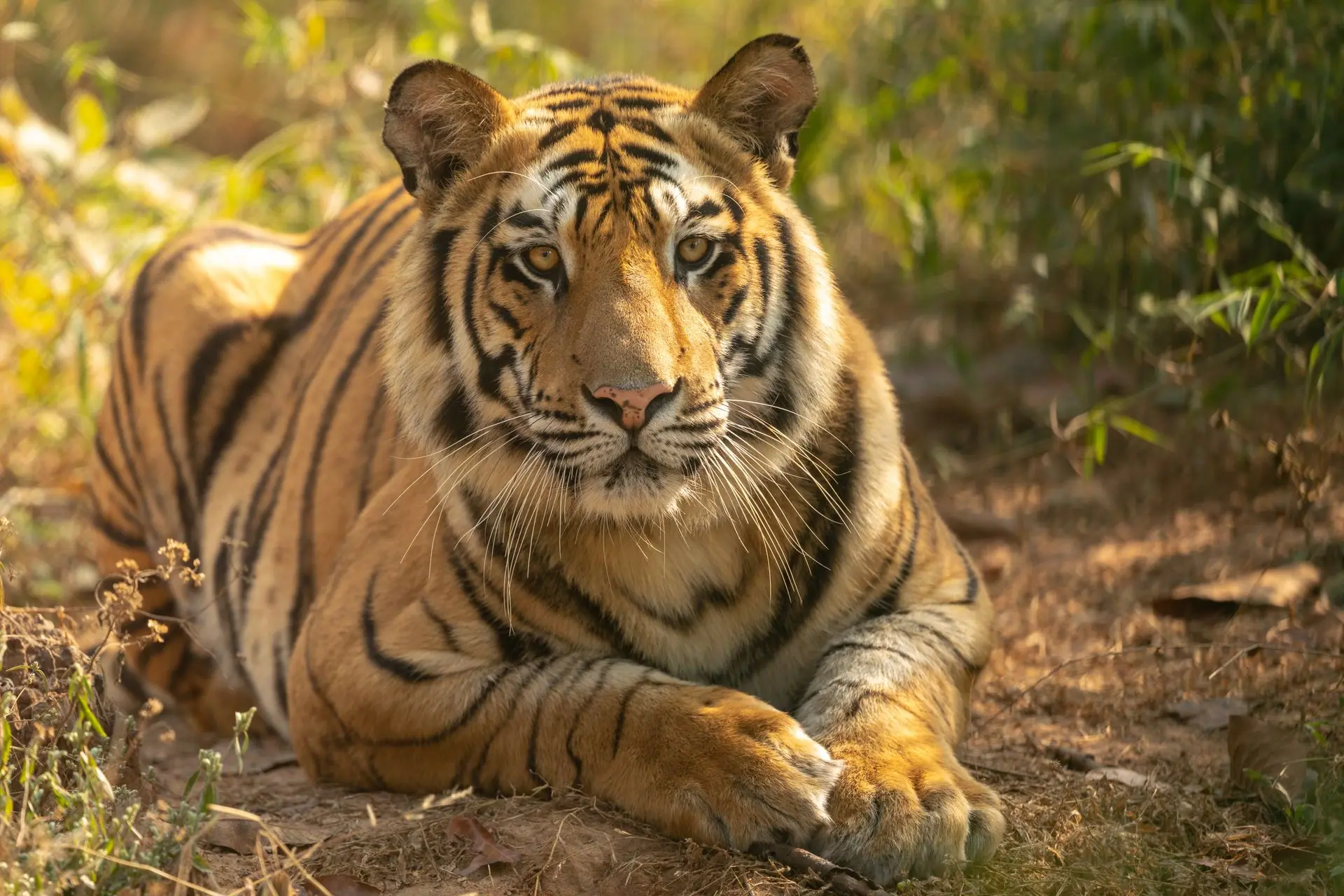
Wildlife Safaris
8 experiences
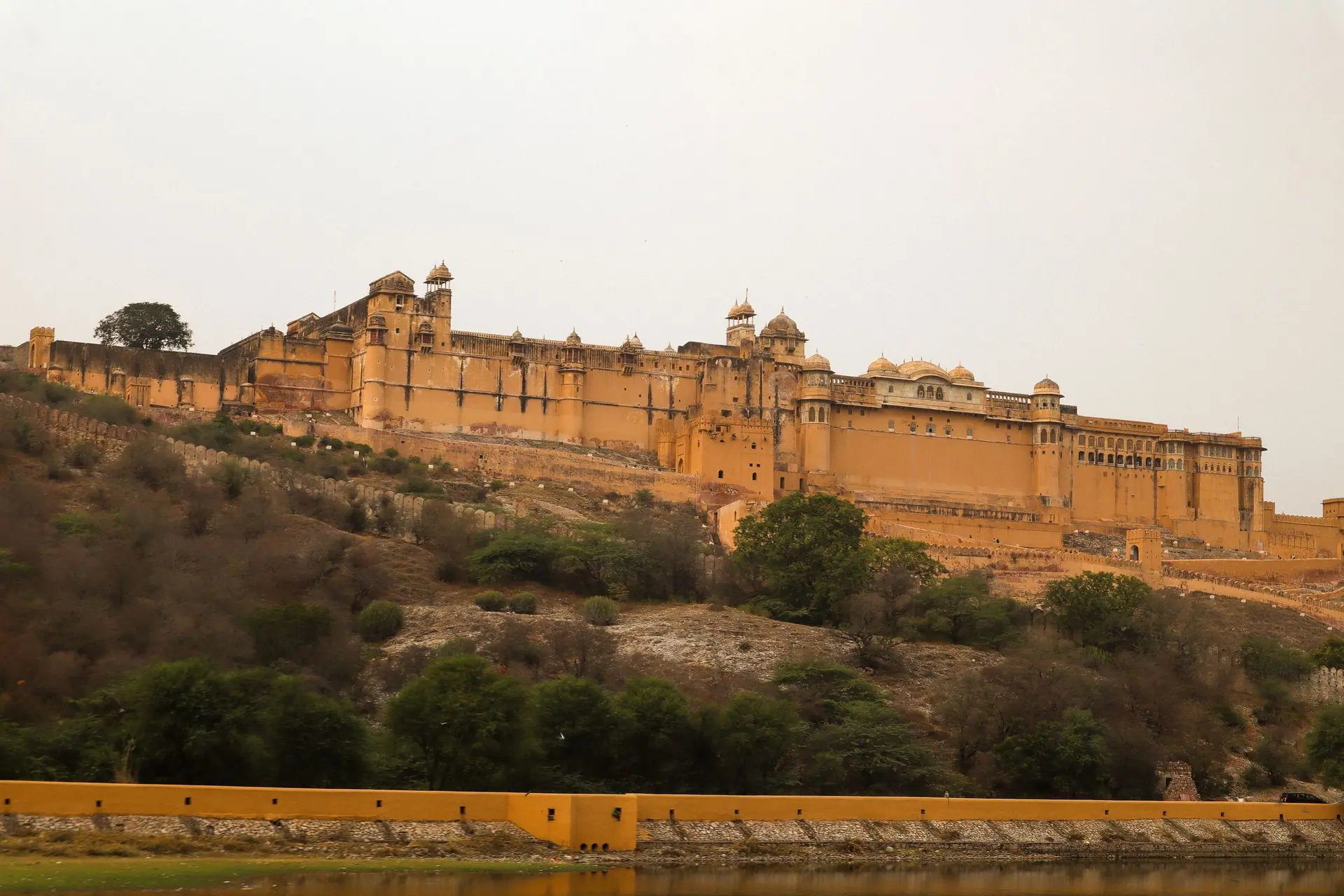
Heritage & Architecture
2 experiences
Beaches & Islands
5 experiences
Wellness & Ayurveda
1 experience
Yoga & Meditation
4 experiences
Trekking
2 experiences
Adventure
6 experiences
Culinary
5 experiences
Festivals
8 experiences
Performing Arts
5 experiences
Luxury Trains
4 experiences
Houseboats
3 experiences
Toy Trains & Railways
1 experience
Village & Tribal Tourism
2 experiences
Glamping & Desert
1 experience
Honeymoon & Romance
3 experiences
VIP & Luxury
2 experiences
Plan a trip
Tailor-made quote from a specialist