Skip to content

Lonavala Travel Guide: Caves, Forts, Viewpoints and the Monsoon

Travel guideMaharashtra

Lonavala and Khandala are twin hill stations in the Sahyadri range, about two hours by road from both Mumbai and Pune. Good places to visit in Lonavala include the Karla and Bhaja Buddhist caves, cut in the 2nd century BCE, the Lohagad and Rajmachi forts, Tiger's Leap, Bhushi Dam and Pawna Lake. June to September, the monsoon, is the busiest season.

By Experience My India Editorial Team · Reviewed by Experience My India Editorial Team

Government-approved operatorApproved by the Ministry of Tourism, Government of India

Places to visit in Lonavala

Lonavala sits on the railway and the road between Mumbai and Pune, with Khandala beside it. The viewpoints, dam and parks are around the two towns; the caves and forts are a short drive or train ride out, the Bhaja caves and Lohagad near Malavli station.

Karla Caves

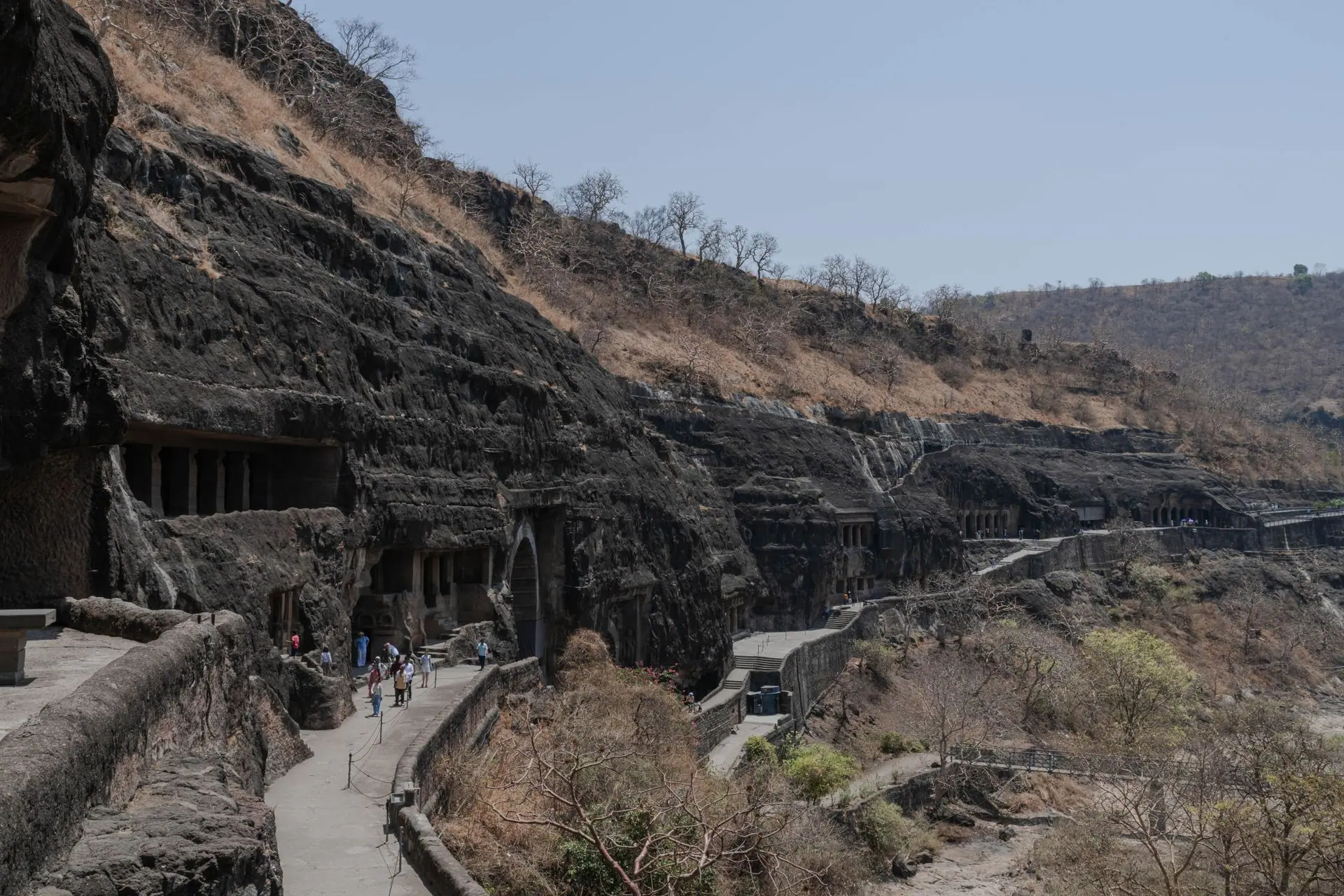
The Karla caves are Buddhist rock-cut caves from about the 2nd century BCE, and Maharashtra Tourism describes their prayer hall, or chaitya, as the largest rock-cut chaitya in India, with carved pillars and sculptures of elephants. The Ekvira Devi temple stands at the top of the same hill and draws devotees all year, above all from the Koli community, so expect pilgrims as well as sightseers on the path up. Go early, before the heat and the crowds.

Bhaja Caves

Bhaja is a group of 22 Buddhist caves from the 2nd century BCE, which Maharashtra Tourism counts among the earliest rock-cut monuments of their kind in India. The main cave is a chaitya around a stupa, its stone ribs carved to imitate a wooden roof; the rest are viharas, the cells where monks lived. Look for the relief of Surya, the sun god, with his chariot and horses, and the carved dancers and musicians. The caves are a short climb from the road, about 2 km from Malavli station. Further out, the Bedse caves are a quieter group with stupas and meditation cells.

Lohagad Fort

Lohagad, the "iron fort", rises to 1,033 m and is one of the twelve forts inscribed in 2025 as the Maratha Military Landscapes of India World Heritage Site. Shivaji Maharaj took it in 1648, gave it up under the Treaty of Purandar in 1665 and won it back in 1670, then kept treasure from his Surat campaign here. Its four gates still stand, and the Vinchukada, a long fortified spur shaped like a scorpion's tail, gives views over the Sahyadri; from the walls you also look over Pawna Lake.

Visapur Fort

Visapur stands next to Lohagad on higher ground, and Maharashtra Tourism describes it as the more demanding and quieter of the two climbs, with ruins of its own and wide views over the Western Ghats. Choose it if you want a stiffer walk and fewer people than on Lohagad's main path. As on every fort here, the trails are slippery in the monsoon, so wear shoes with grip and carry enough water.

Rajmachi Fort

Rajmachi is a Maratha-era hill fort in the Sahyadri, known for its massive ramparts and its views over the hills and valleys around it. Getting there is a trek through forest, and Maharashtra Tourism notes it is most popular in the monsoon, when mist covers the hills and waterfalls run. That is also when the trail is at its most slippery, so go with good shoes, plenty of water and, in the wet months, someone who knows the route.

Tiger's Leap and Duke's Nose

Tiger's Leap, which many visitors call Tiger Point, is a cliff-edge viewpoint named for a rock that looks like a tiger leaping into the valley. It looks out over deep valleys and forest, and Maharashtra Tourism suggests it for sunrise and sunset. Duke's Nose is another of the area's viewpoints over the Western Ghats. In the monsoon, mist can hide the view, so go early or wait for a clear spell, and keep well back from the edge on wet rock.

Bhushi Dam

Bhushi Dam is Lonavala's best-known monsoon stop: when the reservoir overflows, water runs down the steps of the dam, and visitors gather to sit in the cascading streams, which turns it into a busy picnic spot in the rainy season. The water can rise and run fast after heavy rain, so stay out of strong currents, keep children close and follow any warning or closure from the police or local officials.

Pawna Lake

Pawna Lake is an artificial reservoir among rolling hills, the lake you see from Lohagad's walls. Maharashtra Tourism lists camping, boating and stargazing there, and it is a popular weekend retreat from Pune and Mumbai. If you camp or go out on the water, check that life jackets are provided, and avoid the water after dark.

Ryewood Park and Shivaji Udyan

In the middle of Lonavala, Ryewood Park and Shivaji Udyan are gardens with tall old trees, flower beds and walking paths, good for a slow walk or a picnic, with children or on a day when the hills are lost in cloud. The town's market, where chikki is sold, is close at hand for an easy last stop before the train.

Things to do in Lonavala

Trek to a fort, walk the caves, look for waterfalls in the monsoon and buy chikki, the town's sweet of jaggery and nuts. For guided trips elsewhere in the state, see our Maharashtra tours and experiences.

Best time to visit Lonavala

Maharashtra Tourism calls Lonavala a year-round destination with three distinct seasons:

  • Monsoon, June to September: the most popular time, with waterfalls and mist; the Pune district administration also notes that tourism peaks in the monsoon. Bring rain gear, because roads and trails get slippery.
  • Winter, October to February: cool and pleasant, the season for trekking and sightseeing.
  • Summer, March to May: warmer days, with pleasant mornings and evenings.

For the rains across the country, see our guide to travelling in India during the monsoon.

How to reach Lonavala

  • By road: about 83 km from Mumbai and 65 km from Pune, roughly two hours' drive from either by Maharashtra Tourism's figures. State transport and private buses run from both cities.
  • By train: Lonavala has its own station on the Mumbai–Pune line with frequent trains, and local trains run from Pune. For Bhaja and Lohagad, get off at Malavli.
  • By air: Pune International Airport is the nearer, about 65 km away; Mumbai's Chhatrapati Shivaji Maharaj International Airport is about 90 km.

Lonavala fits easily into a stay in Mumbai: see our Mumbai travel guide.

How many days in Lonavala

One or two nights is enough for most people; a day trip from Pune or Mumbai covers one cave site and one viewpoint, or one fort.

  • Day 1: Karla in the morning, then Bhaja and the climb to Lohagad from Malavli.
  • Day 2: Tiger's Leap early, Bhushi Dam in the monsoon or Pawna Lake at other times, and Ryewood Park before you leave.

Add a day for Rajmachi, which is a trek in its own right. For a longer trip, our Maharashtra travel guide sets out the rest of the state, and the Maharashtra tour packages page lists the private trips we run there.

Monsoon safety and tips

  • Rain gear and grip: roads, steps and trails get slippery in the monsoon. Maharashtra Tourism advises comfortable shoes and plenty of water for the forts and caves.
  • Water: stay out of fast-flowing water at dams and waterfalls, and obey any warning or closure from the police or the district administration.
  • Book ahead: rooms fill up in the peak season, so book early.
  • Keep it clean: carry your litter back, especially near waterfalls and trekking trails.

Why book with Experience My India

  • Government-approved operator

    Approved by the Ministry of Tourism, Government of India

  • 500+ vetted local guides

    35+ destination specialists plan every trip by hand.

  • Human help, every day

    Mon–Sun, 9:00 AM – 9:00 PM IST · +91 73022 65809

  • No payment until you approve

    You receive a written quote first; nothing is charged to start planning.

Frequently asked questions

Is Lonavala worth a visit after the monsoon ends?

Yes. Maharashtra Tourism calls winter, October to February, the season for trekking and sightseeing, when the weather is cool and the forts and caves are easier going than in the rain. You miss the waterfalls, but Karla, Bhaja, Lohagad and the viewpoints are all there, and the paths are drier. Summer, March to May, brings warmer days with pleasant mornings and evenings.

How far is Lonavala from Mumbai?

About 83 km by road, roughly a two-hour drive, by Maharashtra Tourism's figure; Pune is about 65 km the other way. Lonavala has its own railway station on the Mumbai–Pune line with frequent trains, and state transport and private buses run from Mumbai as well.

What is the difference between Lonavala and Khandala?

They are twin hill stations side by side, about 622 m above sea level, in the Sahyadri hills that divide the Deccan Plateau from the Konkan coast, and together they cover about 38 sq km, according to the Pune district administration. Most visitors treat them as a single trip: Tiger's Leap and Duke's Nose are among their viewpoints, and the caves and forts are reached from both.

What is Lonavala famous for?

Its monsoon, above all: from June to September the hills turn green, the waterfalls run and visitors come from Mumbai and Pune. It is also known for chikki, a sweet of jaggery and nuts, for the 2nd-century BCE Buddhist caves at Karla and Bhaja, and for fort treks to Rajmachi and to Lohagad, now part of a World Heritage Site.

Can you visit Lonavala in one day?

Yes, as a day trip from Pune or Mumbai, about 65 km and 83 km away, but choose: one cave site and a viewpoint, or one fort. Karla and Bhaja with Tiger's Leap make a full day by car, while Lohagad from Malavli takes most of a day on its own. Trains make it easy without a car, and a night in town lets you see far more.

How do you get to Lohagad Fort?

Most walkers take a train to Malavli station and walk up past the Bhaja caves, two to three hours by Maharashtra Tourism's estimate. A motorable road also runs from Lohagadwadi village to the base of the fort, which shortens the climb. From Lonavala, auto-rickshaws and taxis go to Malavli or Bhaja village.

Can you see the Karla and Bhaja caves on the same day?

Yes. Maharashtra Tourism places the Karla caves a short distance from Bhaja, and both are 2nd-century BCE Buddhist sites, so they pair naturally. See Karla first, ideally early, then Bhaja, a short climb from the road near Malavli. Add Lohagad only if you start at dawn and are comfortable with a long day on foot.

Customer reviews

Experience My India is rated 4.3 on Tripadvisor. We publish guest reviews after each trip.

Read our reviews

Plan a trip

Tailor-made quote from a specialist