
Last updated:
Updates on India Tourism in 2026: New Policies, Trends and Growth
By Experience My India Editorial Team
Destination specialists and licensed local guides
India travel in 2026 feels different. Not louder or flashier, but more organised, more intentional. Travellers are asking better questions now. Is it easy to move between places? Will crowds be manageable? Are rules clearer than before? This guide looks at how tourism in India is actually changing in 2026 — policies, trends, and ground-level shifts — without hype, just what a traveller or planner should realistically know.
Updates on India Tourism in 2026: What’s Actually Changing
For years, Indian tourism grew despite confusion. Rules varied by state. Entry systems changed mid-season. Infrastructure struggled to keep pace. In 2026, that pattern is slowly adjusting. Not perfectly. But noticeably.
I’ve found that the biggest difference isn’t one big policy announcement. It’s a collection of smaller, practical changes that together make travel smoother. Things like clearer state-level tourism rules, better digital coordination, and a stronger focus on domestic travellers instead of only chasing international numbers.
Surprisingly, this shift is helping both first-time visitors and repeat travellers. The system feels less reactive now. More planned.
New Tourism Policies Introduced Across India in 2026
Policy updates in 2026 focus less on promotion and more on control, safety, and sustainability. That alone tells you where the government’s head is at.
Some of the key policy directions include:
Honestly, not every state is implementing this at the same pace. But the direction is clear. Control before chaos.
- Unified tourism data systems States are now expected to share real-time tourist footfall and accommodation data. This helps manage crowd pressure during festivals and peak months.
- Revised licensing for tour operators Stricter verification for operators handling pilgrimages, wildlife zones, and high-traffic circuits. It’s meant to reduce last-minute cancellations and mismanagement.
- Carrying capacity rules for sensitive destinations Hill stations, temple towns, and eco-zones are seeing limits on daily visitors. It won’t stop crowds completely, but it sets boundaries.
- Simplified permits for domestic travellers Inner-line permits and restricted area passes are being streamlined digitally in several regions.
India Tourism Trends 2026: How People Are Actually Traveling
Trends in 2026 aren’t driven by Instagram anymore. They’re driven by fatigue. Travel fatigue.
Here’s what’s standing out on the ground:
In my experience, travellers who slow down enjoy India more. And 2026 travel planning finally reflects that.
- Shorter trips, better pacing Travellers prefer 3–5 day routes instead of rushed multi-state plans. Less ticking boxes. More breathing room.
- Rise of regional circuits Instead of “all-India tours,” people are choosing focused circuits like Braj, Konkan, Saurashtra, or Central Kerala.
- Strong growth in spiritual and slow travel Pilgrimage towns are seeing longer stays, not just day visits. People are coming to settle into the rhythm.
- Preference for road travel Despite rising fuel costs, road trips are still growing because they offer flexibility and control over timing.
India Travel Updates 2026: Infrastructure and Connectivity
Infrastructure doesn’t change overnight, but 2026 shows steady movement.
Some visible improvements include:
Are there gaps? Of course. Train delays still happen. Roads still clog during festivals. But the system feels more predictable than before.
That predictability matters more than speed.
- Better last-mile roads to temples, ghats, and hill towns
- Expanded regional airports handling domestic routes more efficiently
- Dedicated tourist police units in major destinations
- Improved signage and multilingual boards at heritage sites
Future of Tourism in India: Growth Without Overload
Growth in 2026 isn’t about record-breaking numbers. It’s about distribution.
Instead of pushing everyone to the same five destinations, tourism planning is encouraging dispersion. Lesser-known towns. Seasonal alternatives. Mid-week travel incentives.
This matters because overcrowding was killing experiences. Both for locals and travellers.
The future, if handled well, looks like this:
Not perfect. But healthier.
- Fewer “must-do” lists
- More regional identity-focused travel
- Clearer rules for visitors and operators
- Better balance between devotion, leisure, and rest
Things to Do While Planning Travel in 2026
Travel in 2026 rewards preparation more than impulse. A few things that genuinely help:
Pro Guide Tip: If a destination is trending heavily online, consider visiting it mid-week or pairing it with a quieter nearby town. The experience changes completely.
- Check state tourism advisories, not just blogs
- Plan arrivals early in the day, especially for religious towns
- Keep buffer days instead of tight connections
- Choose routes based on crowd flow, not distance alone
How to Reach Destinations Across India in 2026
Connectivity has improved, but choosing the right mode still depends on region and timing.
By Car
- Best for regional circuits and spiritual routes
- Allows flexible timing and crowd avoidance
- Ideal for families and senior travellers
By Train
- Reliable for long distances if booked early
- Improved station facilities in tourist cities
- Night trains save accommodation time
And By Air
I’ve found that mixing modes works best. Fly long distances. Drive locally. Train when time allows.
- Growing regional airport network
- Useful for covering large distances quickly
- Last-mile road travel still required
Why Experience My India Fits Well for 2026 Travel
Travel in 2026 doesn’t fail because of distance. It fails because of overplanning and underestimating reality.
Experience My India focuses on pacing, realistic movement, and on-ground flow. Instead of squeezing everything into fixed timelines, the planning approach allows space for weather, crowds, and personal comfort.
As a Planning Support Partner, the focus stays on what travellers can actually experience, not just what looks good on paper. That balance fits the direction Indian tourism is moving toward now.
Contact Experience My India: call or WhatsApp +91 73022 65809, or plan your trip with a specialist. Read our reviews on Tripadvisor.
Conclusion
India tourism in 2026 isn’t louder or flashier. It’s calmer. More thoughtful. Policies are tightening, travel styles are slowing, and expectations are becoming more realistic. That’s a good thing.
If travellers meet the system halfway — planning better, moving slower, staying flexible — India remains one of the most rewarding places to travel. Not because it’s easy. But because it’s layered, alive, and finally learning how to manage itself better.
Frequently asked questions
1. What are the biggest updates in India tourism in 2026?
In 2026, Indian tourism is seeing more structured planning rather than sudden rule changes. States are focusing on crowd management, digital permits, and regulated entry at sensitive destinations. The aim is smoother travel instead of just higher tourist numbers.
2. Are there any new tourism policies travellers should know about in 2026?
Yes, several states have introduced clearer rules around carrying capacity, local transport timing, and licensed tour operations. These policies help avoid overcrowding, especially at temples, hill stations, and heritage zones. Travellers are encouraged to check state advisories before finalising plans.
3. How is travel in India different in 2026 compared to earlier years?
Travel in 2026 feels more paced and predictable. Instead of rushed itineraries, travellers are choosing fewer destinations with better time planning. Infrastructure improvements and clearer guidelines are making journeys less stressful overall.
4. Is domestic tourism growing faster than international tourism in 2026?
Yes, domestic tourism continues to grow strongly in 2026. More Indians are travelling within the country for spiritual, cultural, and short-break trips. This has pushed states to improve facilities for Indian travellers first.
5. What travel trends are most popular in India in 2026?
Spiritual tourism, regional circuits, and road trips are leading trends. Travellers prefer slow travel, meaningful stays, and local experiences instead of packed sightseeing lists. Shorter but well-paced trips are becoming more common.
6. Is it easier to plan travel in India in 2026?
Planning is easier than before, especially with digital bookings and clearer entry rules. However, popular destinations still require early planning during peak seasons. Flexibility remains important because festivals and weather can affect movement.
7. Are tourist safety measures better in 2026?
Tourist safety has improved with dedicated tourist police units in many destinations. Better signage, helpline access, and local coordination have helped travellers feel more secure. Still, basic precautions are always necessary in crowded areas.
8. How is infrastructure supporting tourism growth in 2026?
Road connectivity, regional airports, and last-mile access have improved in many regions. While not perfect everywhere, infrastructure upgrades are noticeable in major tourist circuits. These changes are helping reduce travel fatigue.
9. What should travellers avoid while travelling in India in 2026?
Overpacking itineraries is still the biggest mistake. Travellers should avoid unrealistic day plans and last-minute festival visits without preparation. Allowing buffer time makes travel far more enjoyable.
10. Is 2026 a good year to explore lesser-known destinations in India?
Absolutely. In fact, 2026 is ideal for exploring offbeat and lesser-known places. With overcrowding at famous sites, quieter towns and regional routes offer better experiences, calmer stays, and more authentic local interaction.
Related guides
Customer reviews
Experience My India is rated 4.3 on Tripadvisor. We publish guest reviews after each trip.
Why book with Experience My India
Government-approved operator
Approved by the Ministry of Tourism, Government of India
500+ vetted local guides
35+ destination specialists plan every trip by hand.
Human help, every day
Mon–Sun, 9:00 AM – 9:00 PM IST · +91 73022 65809
No payment until you approve
You receive a written quote first; nothing is charged to start planning.
Browse experiences by theme
See all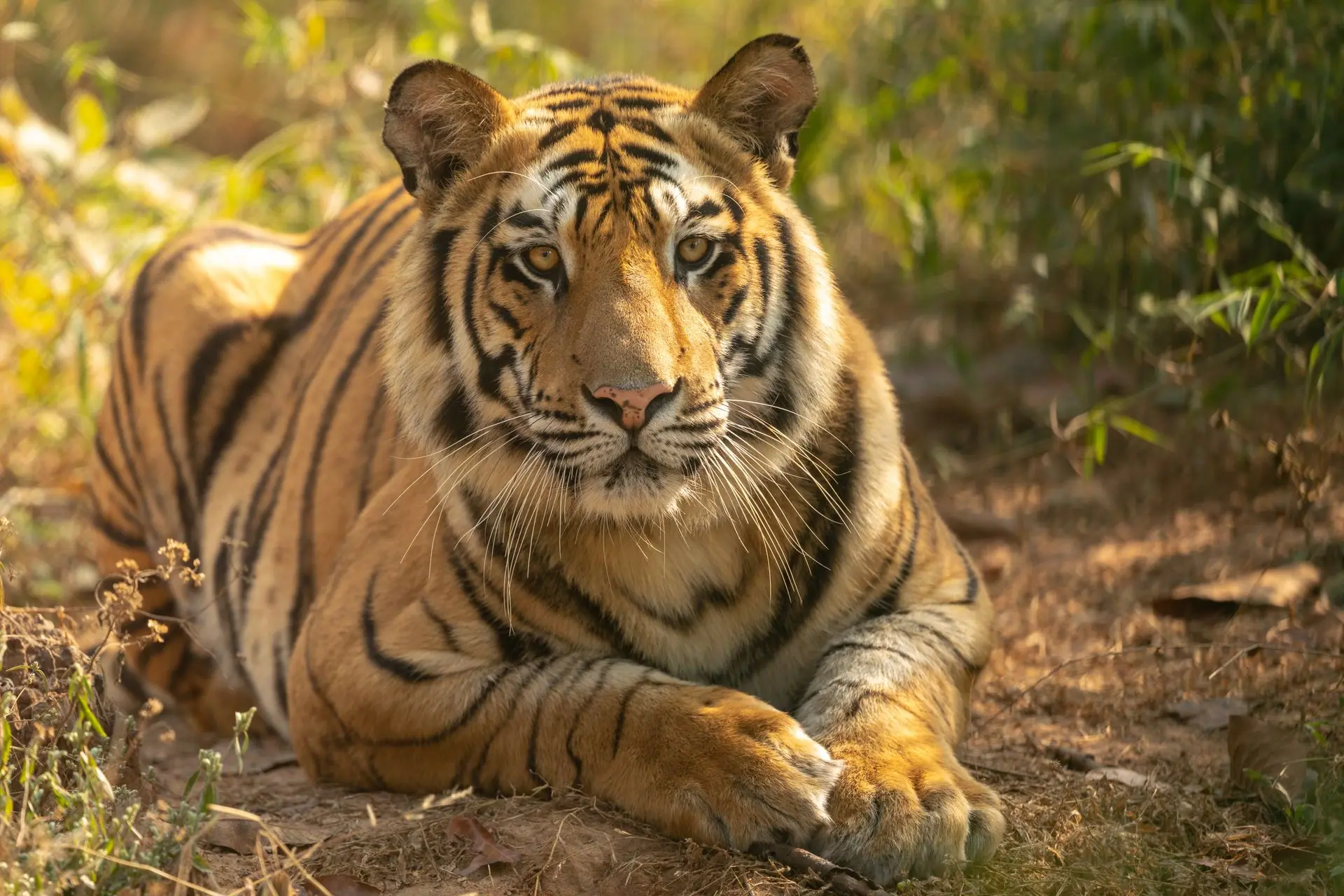
Wildlife Safaris
8 experiences
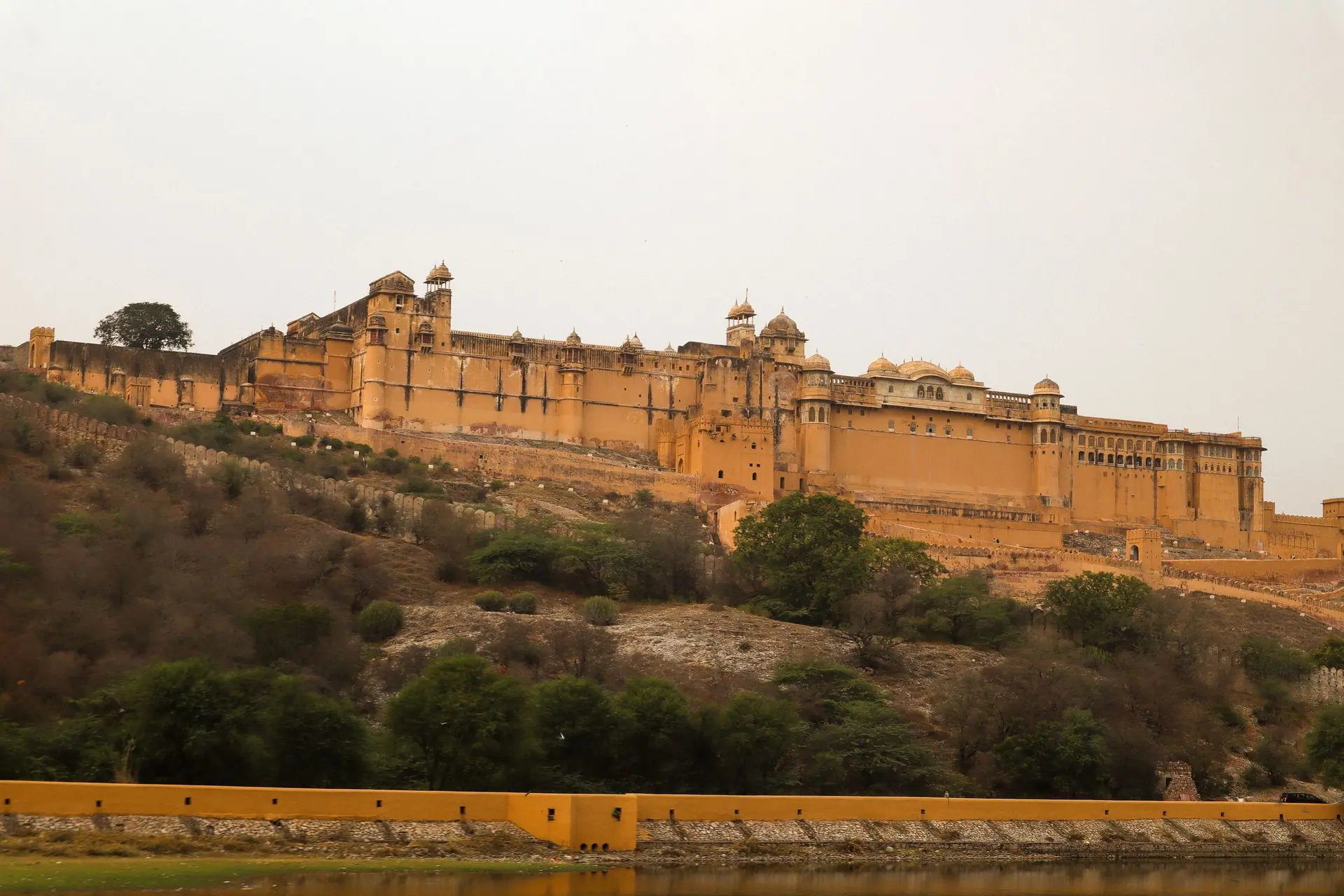
Heritage & Architecture
2 experiences
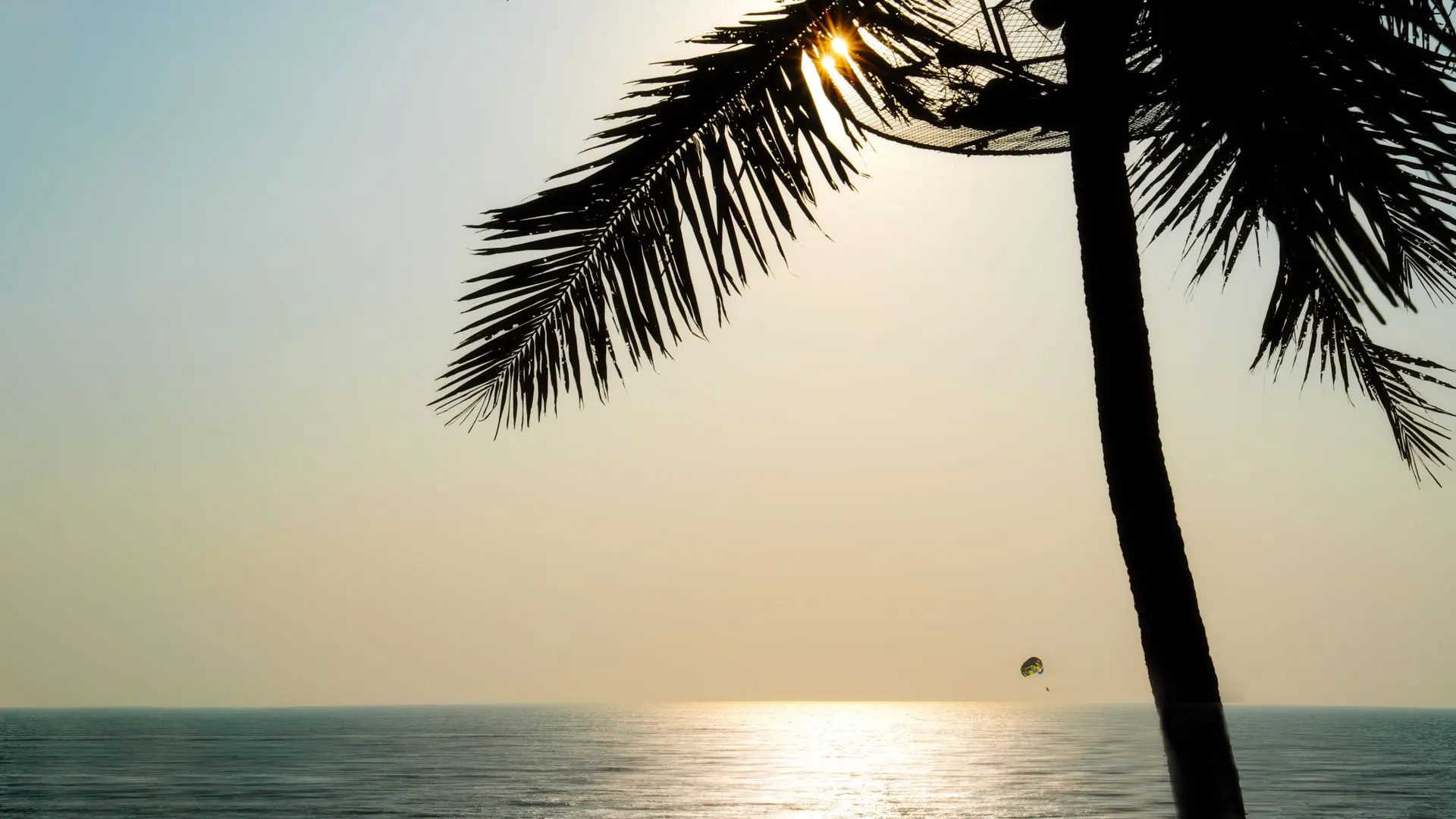
Beaches & Islands
5 experiences
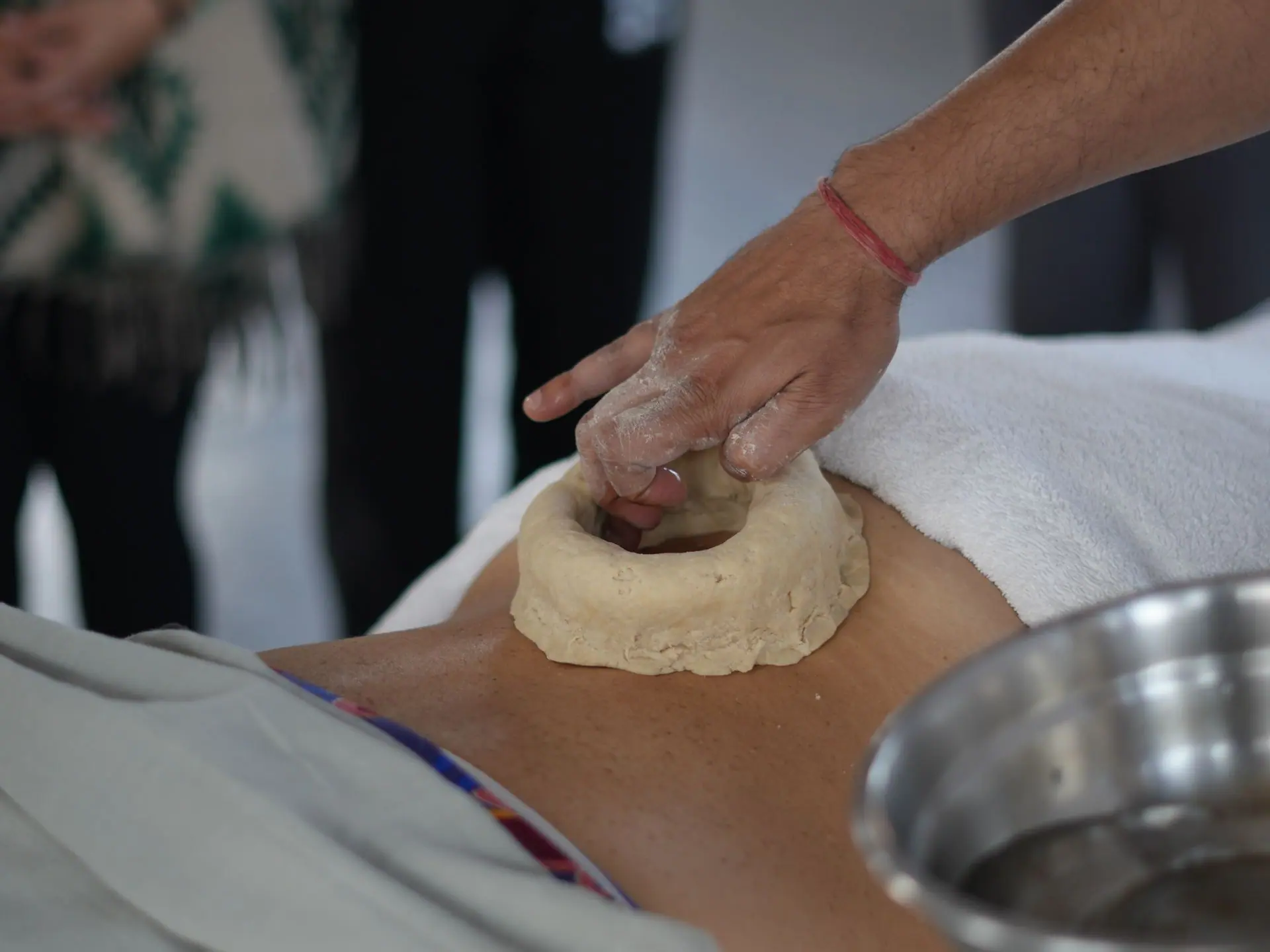
Wellness & Ayurveda
1 experience
Yoga & Meditation
4 experiences
Trekking
2 experiences
Adventure
6 experiences
Culinary
5 experiences

Festivals
8 experiences
Performing Arts
5 experiences
Luxury Trains
4 experiences
Houseboats
3 experiences
Toy Trains & Railways
1 experience
Village & Tribal Tourism
2 experiences
Glamping & Desert
1 experience
Honeymoon & Romance
3 experiences
VIP & Luxury
2 experiences
Plan a trip
Tailor-made quote from a specialist