
Tour packages
Char Dham Yatra tour 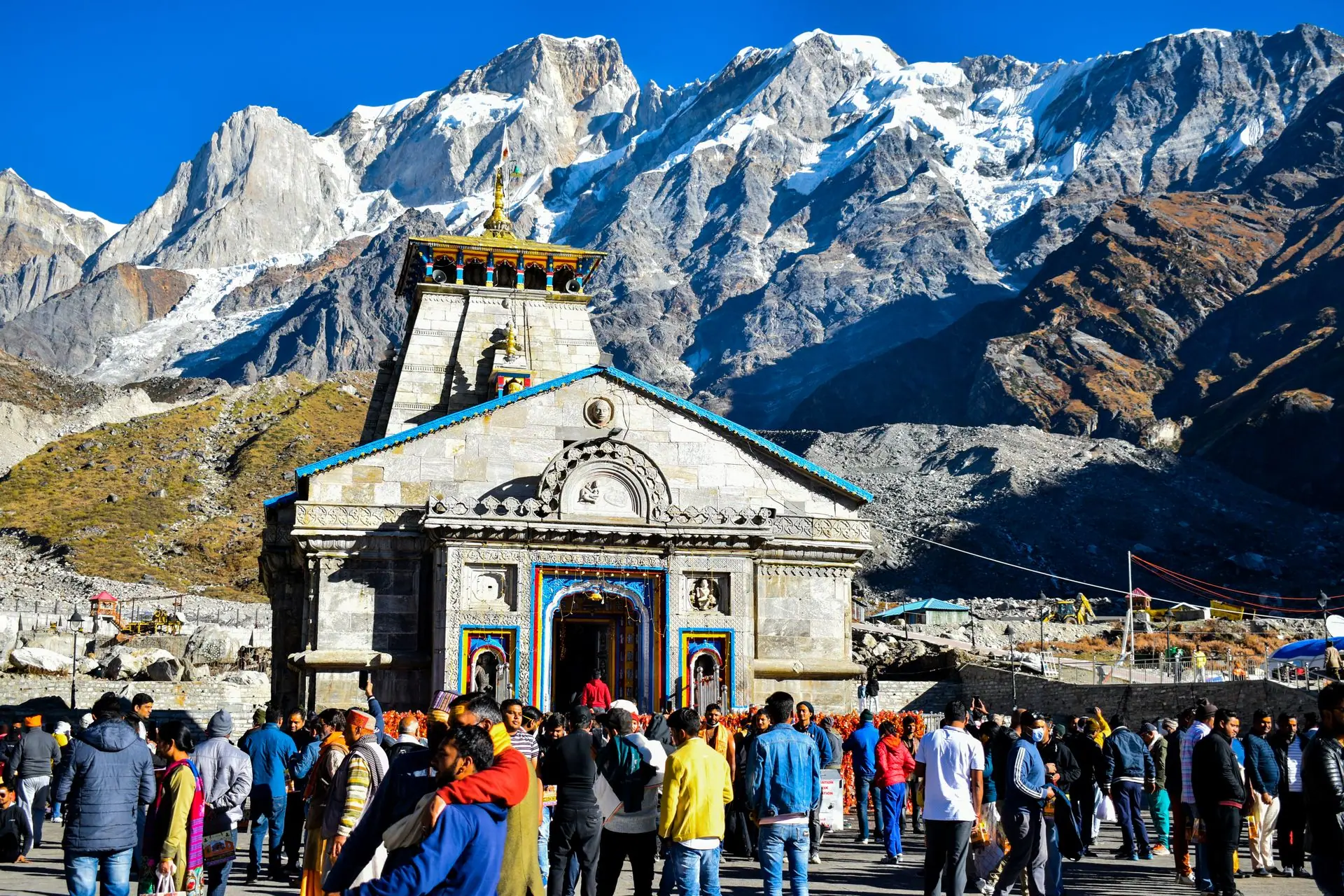
Tour package
Char Dham Yatra tour
Free cancellation
Price on request
View detailsMathura and Vrindavan tour 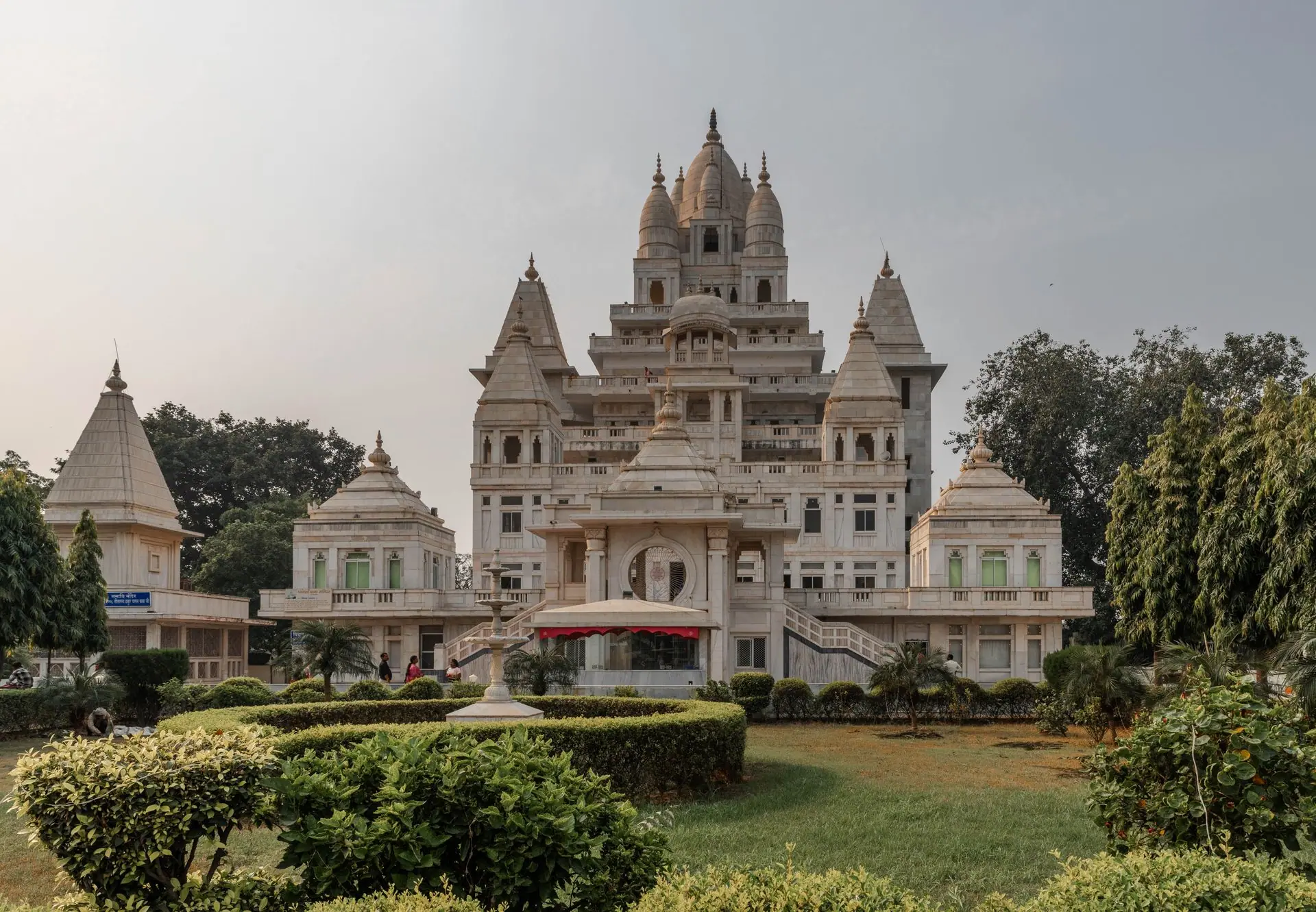
Tour package
Mathura and Vrindavan tour
Free cancellation
Price on request
View detailsVaranasi Ganga Aarti tour 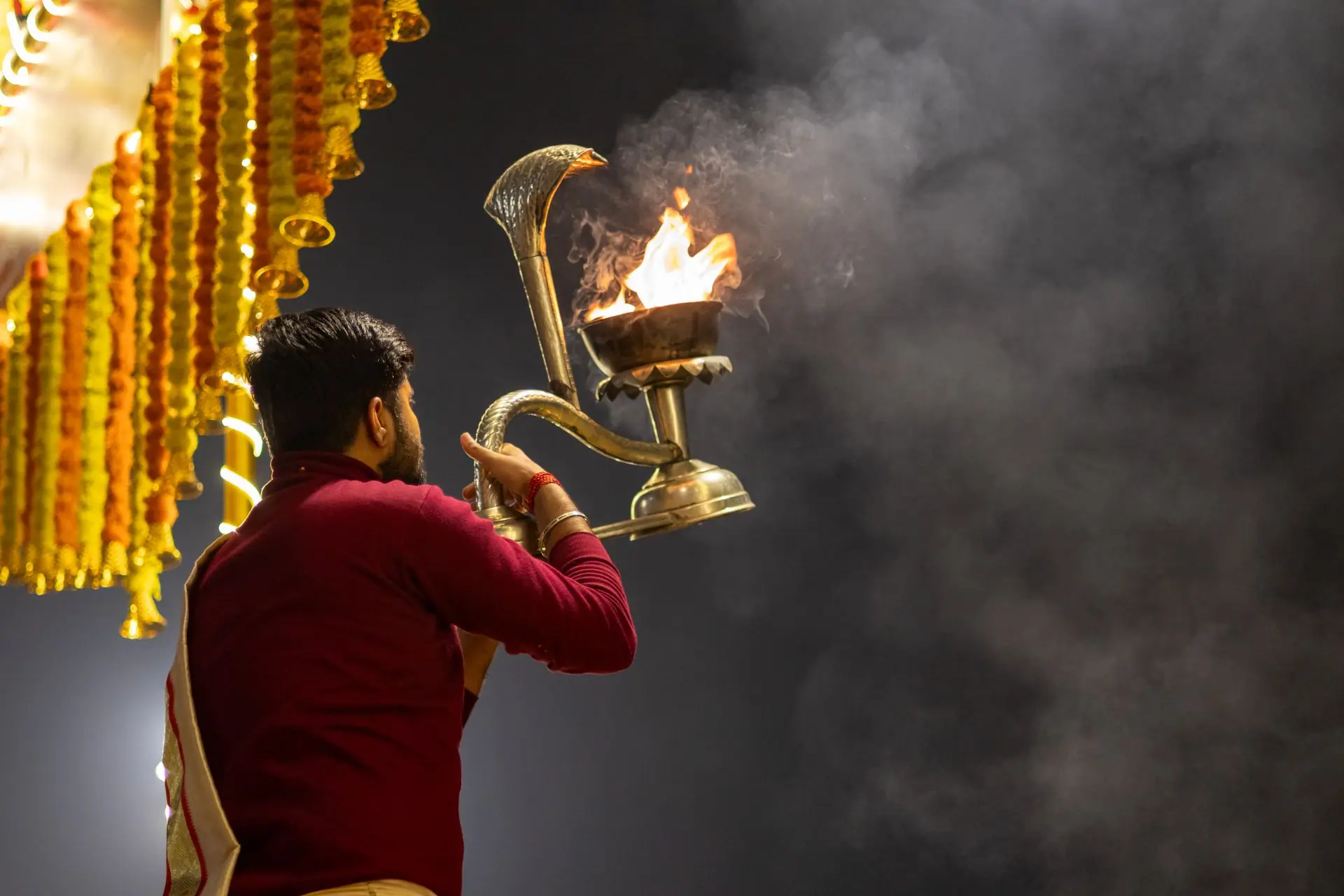
Tour package
Varanasi Ganga Aarti tour
Free cancellation
Price on request
View detailsKhatu Shyam Ji temple tour 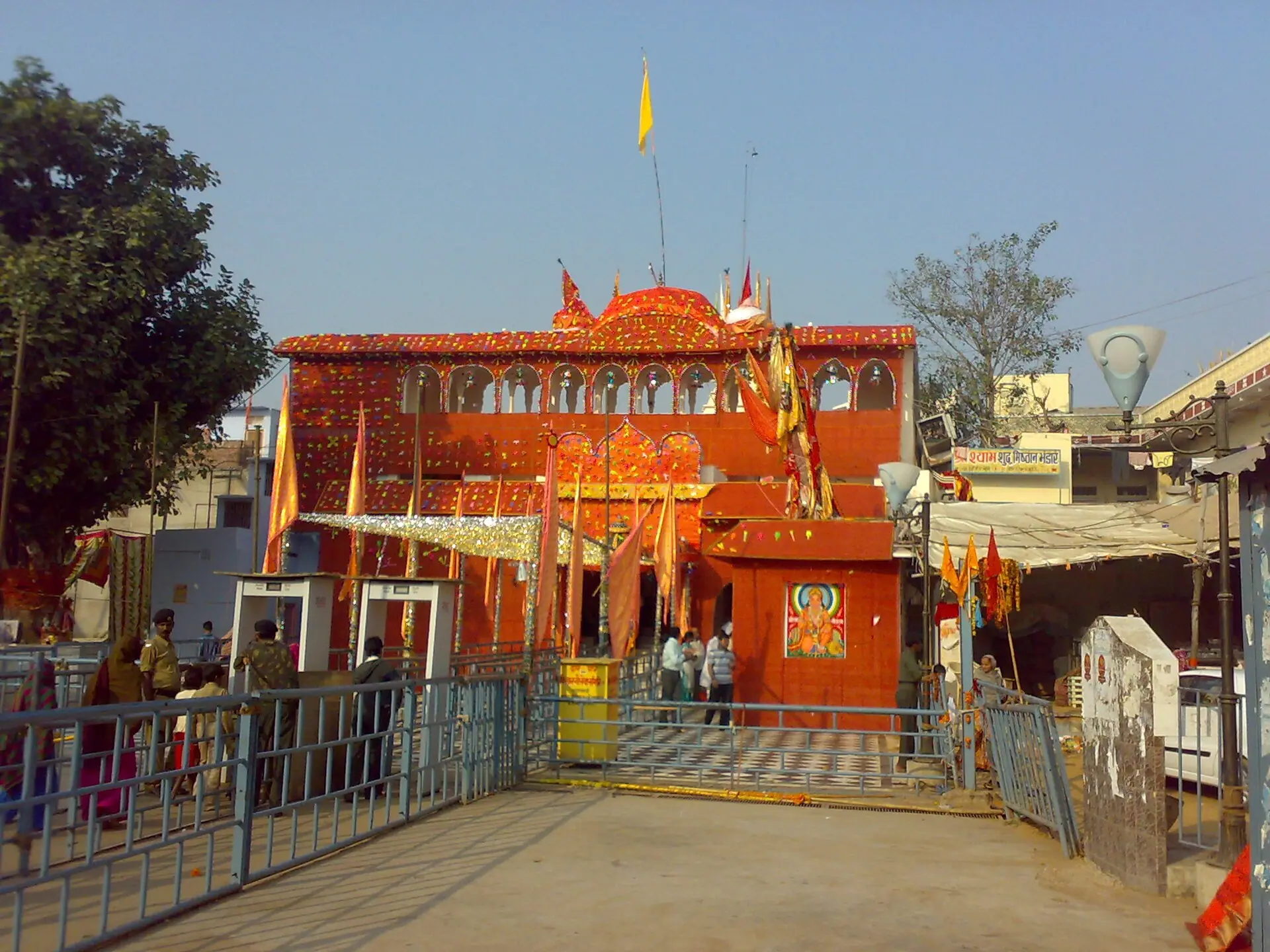 Photo: Indrapal Jangid · CC BY-SA 3.0 · Wikimedia Commons
Tour package
Khatu Shyam Ji temple tour
Free cancellation
Price on request
View detailsAyodhya Ram Mandir tour 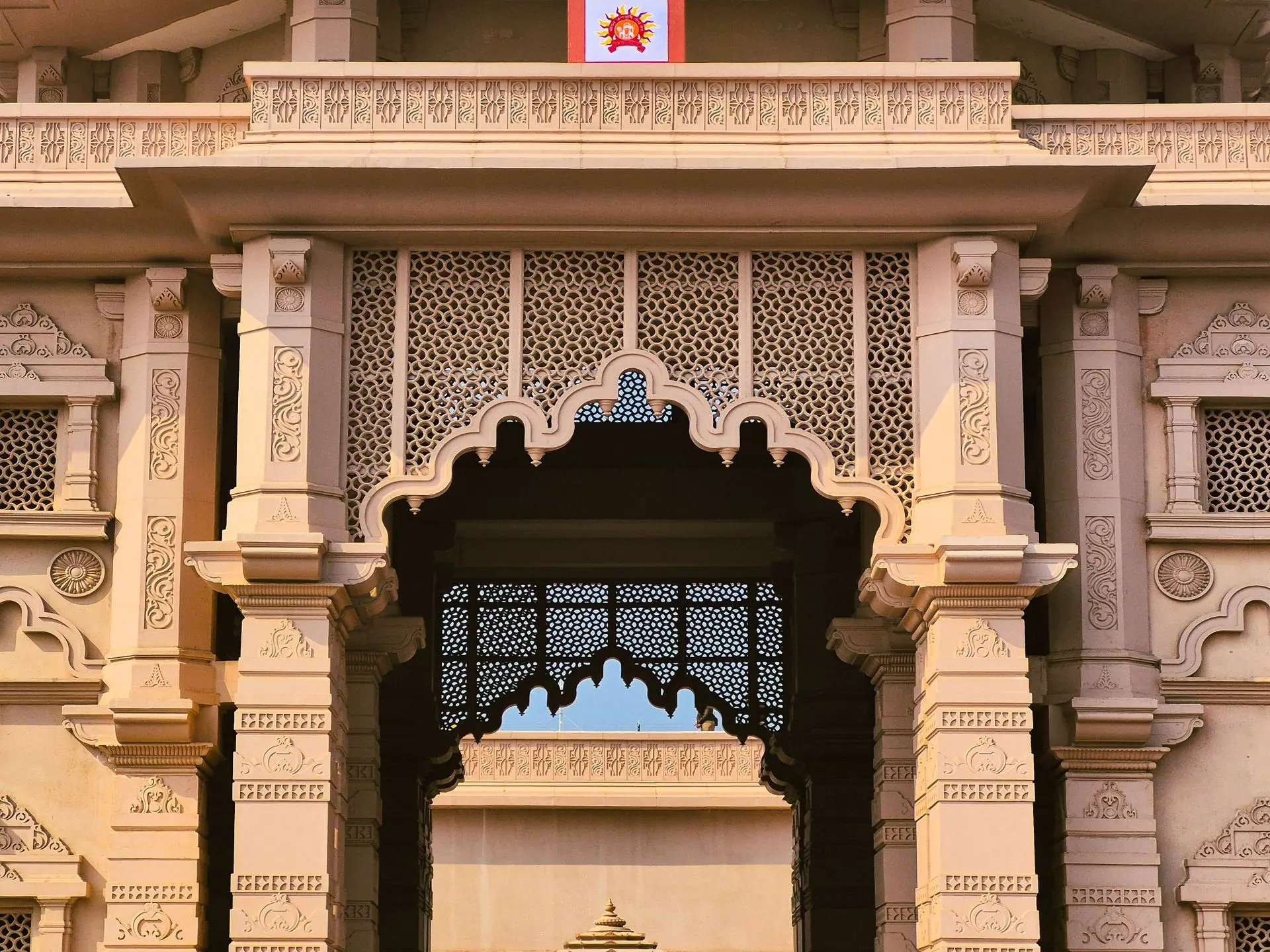
Tour package
Ayodhya Ram Mandir tour
Free cancellation
Price on request
View detailsGolden Temple, Amritsar tour 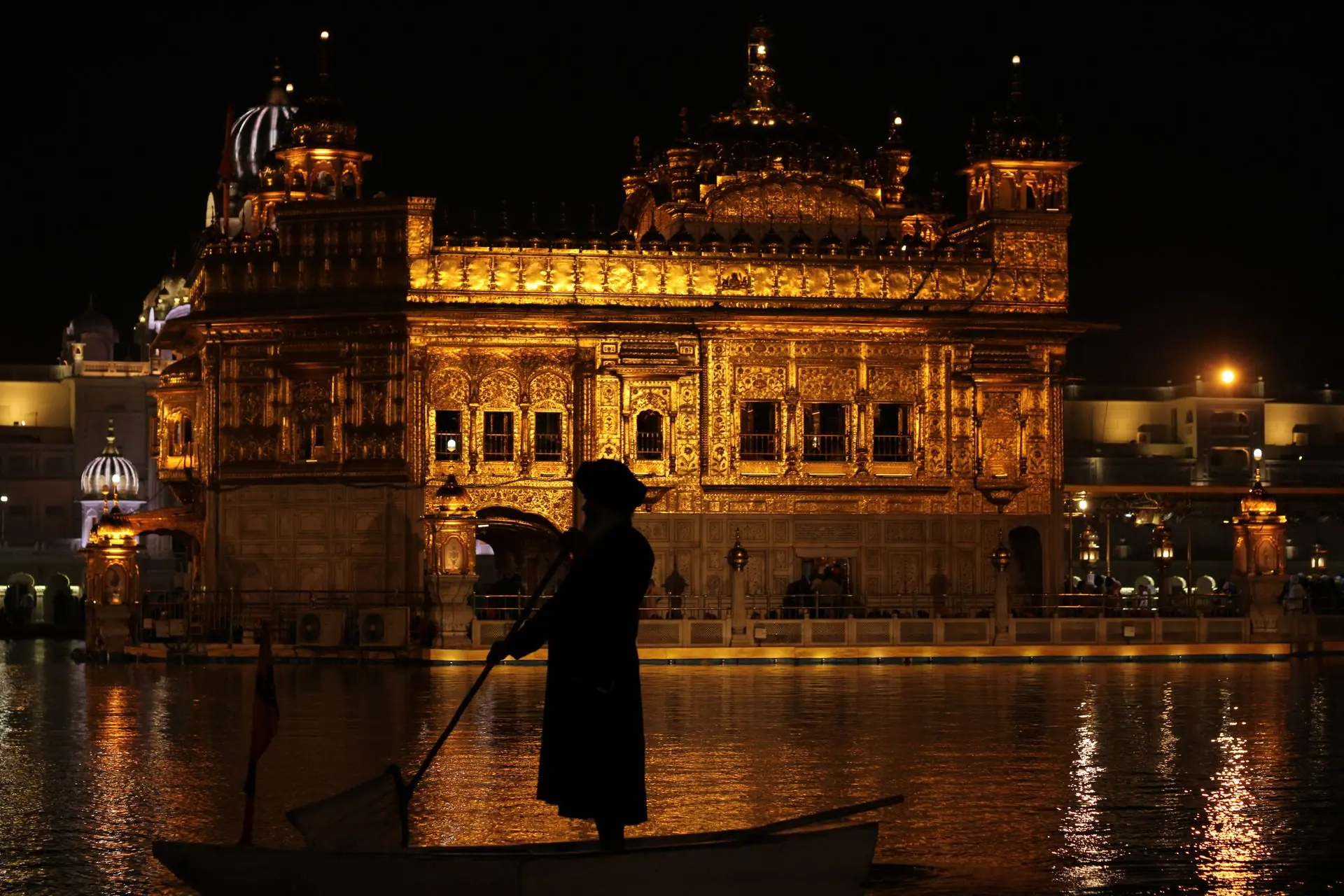
Tour package
Golden Temple, Amritsar tour
Free cancellation
Price on request
View detailsJagannath Puri temple tour and VIP darshan 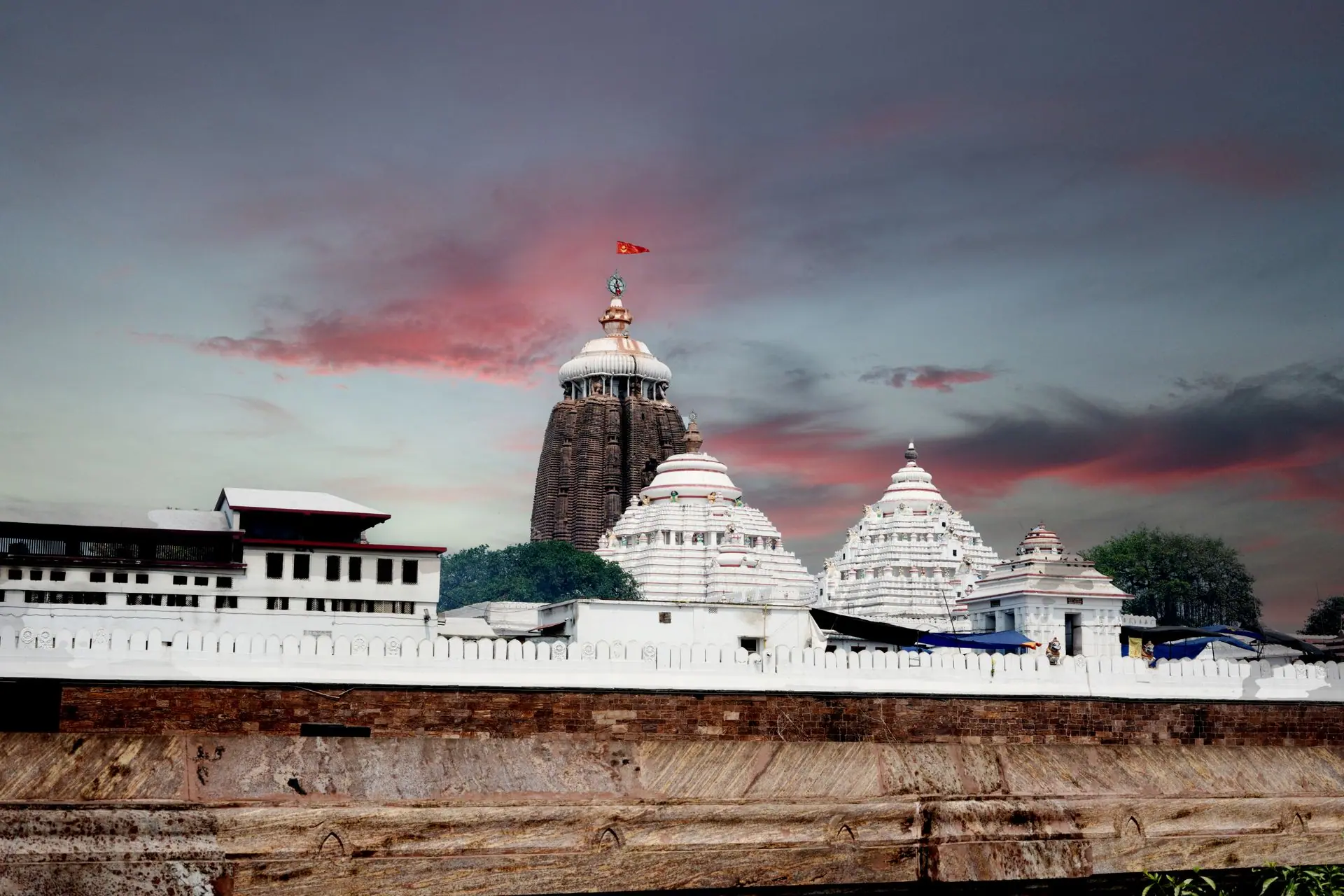
Tour package
Jagannath Puri temple tour and VIP darshan
Free cancellation
Price on request
View detailsTirupati darshan tour 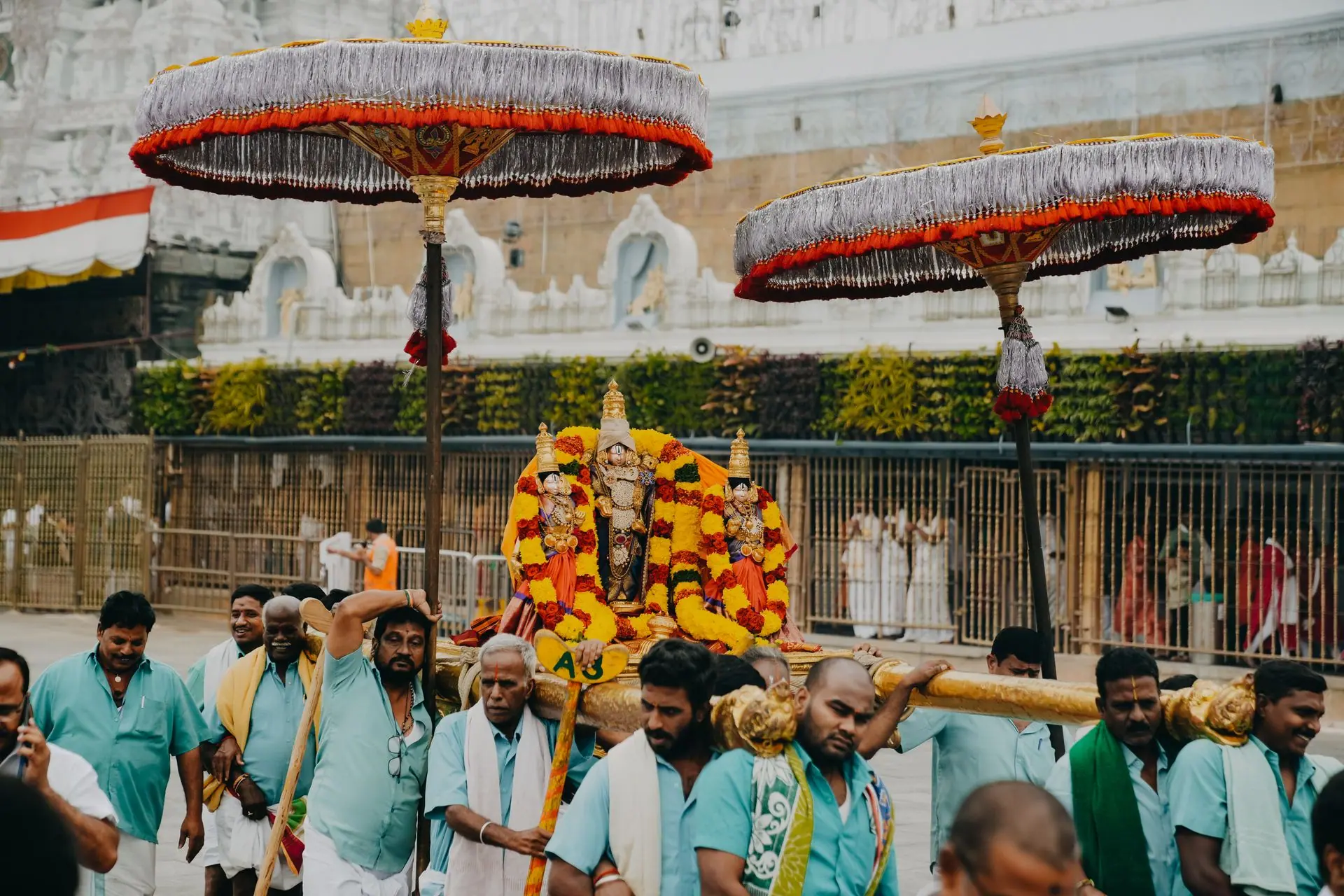
Tour package
Tirupati darshan tour
Free cancellation
Price on request
View detailsRameswaram and Madurai temple trail 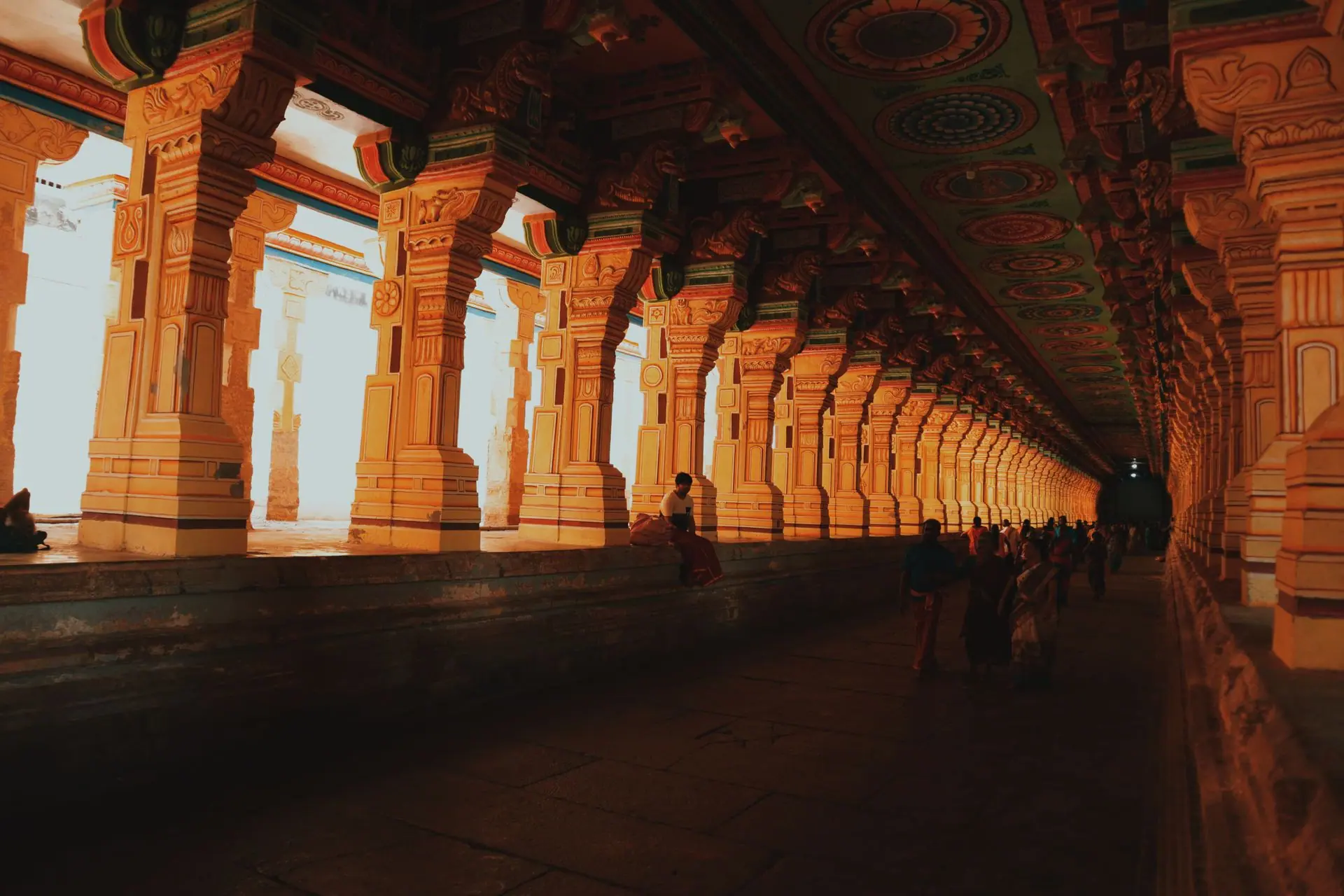
Tour package
Rameswaram and Madurai temple trail
Free cancellation
Price on request
View detailsHelicopter Char Dham Tour package
Helicopter Char Dham
Free cancellation
Price on request
View detailsSouth India Temple Trail — 10 days 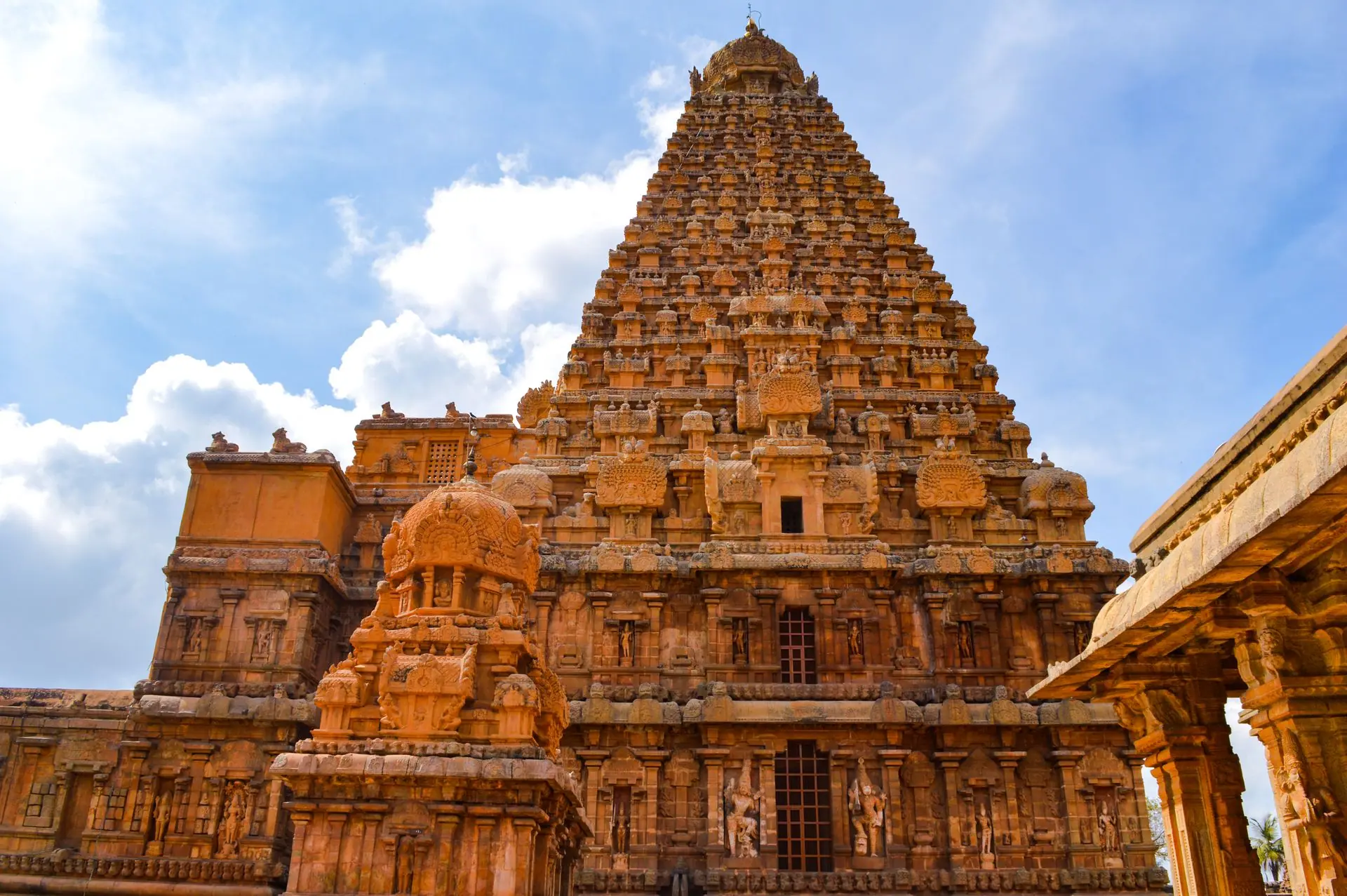
Tour package
South India Temple Trail — 10 days
10 days / 9 nightsFree cancellation
Price on request
View detailsChar Dham Yatra — 11 days Tour package
Char Dham Yatra — 11 days
11 days / 10 nightsFree cancellation
Price on request
View details2 Days Khatu Shyamji Tour Package 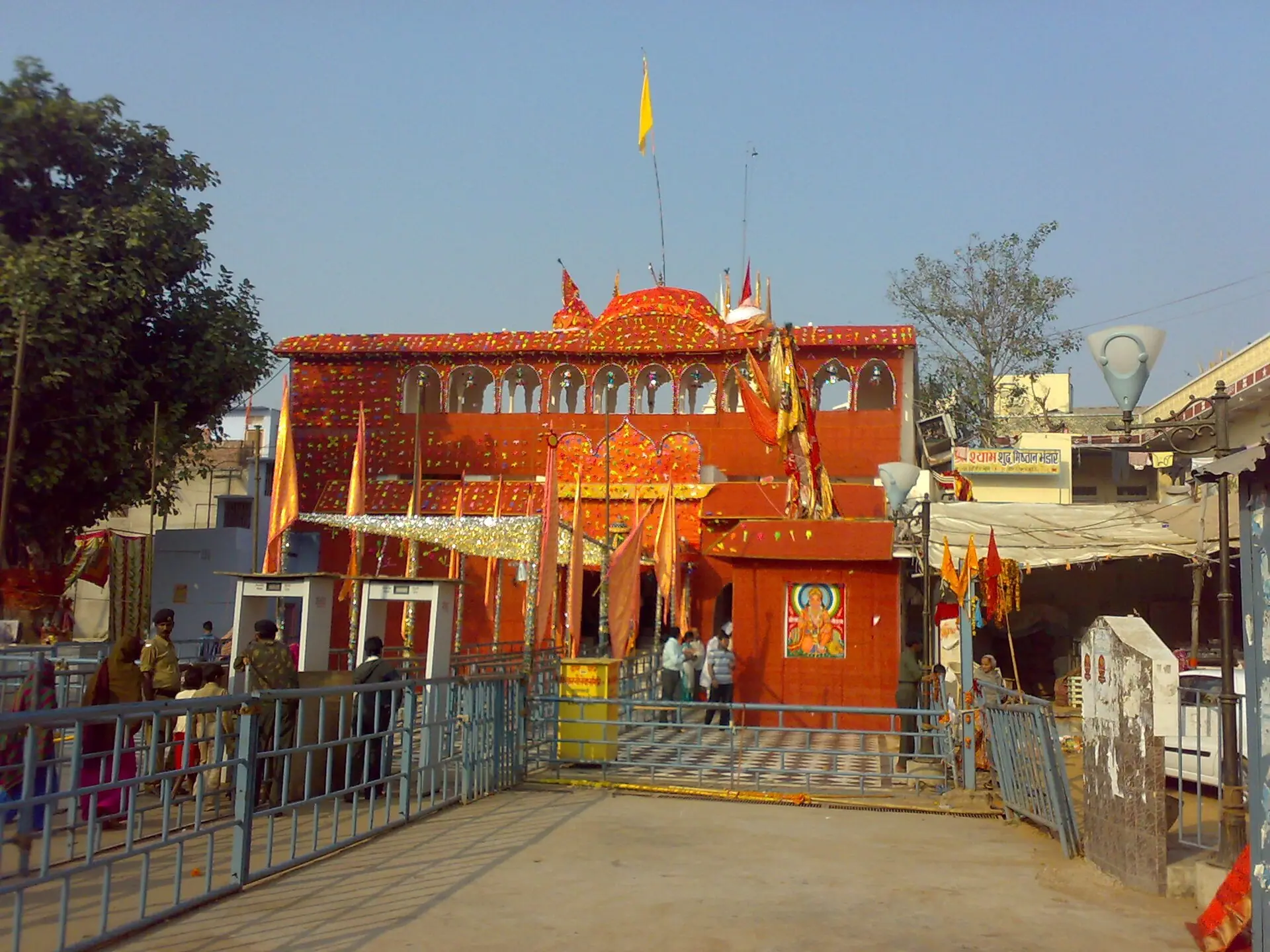 Photo: Indrapal Jangid · CC BY-SA 3.0 · Wikimedia Commons
Tour package
2 Days Khatu Shyamji Tour Package
2 days / 1 nightsFree cancellation
Price on request
View details6 Days Tirupati Madurai Rameshwaram Kanyakumari Tour 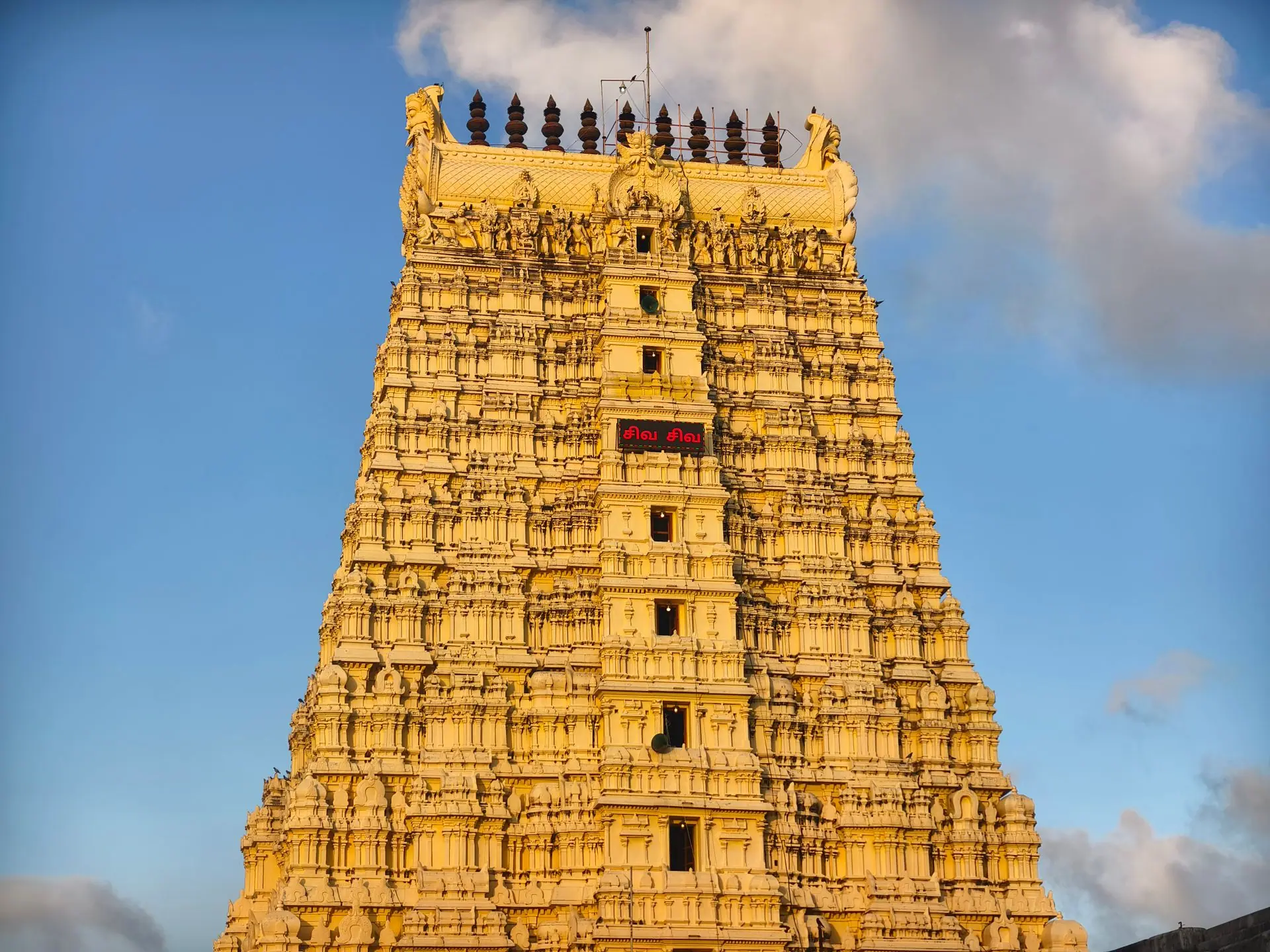
Tour package
6 Days Tirupati Madurai Rameshwaram Kanyakumari Tour
6 days / 5 nightsFree cancellation
Price on request
View details2 Days Mathura Vrindavan with Goverdhan Barsana 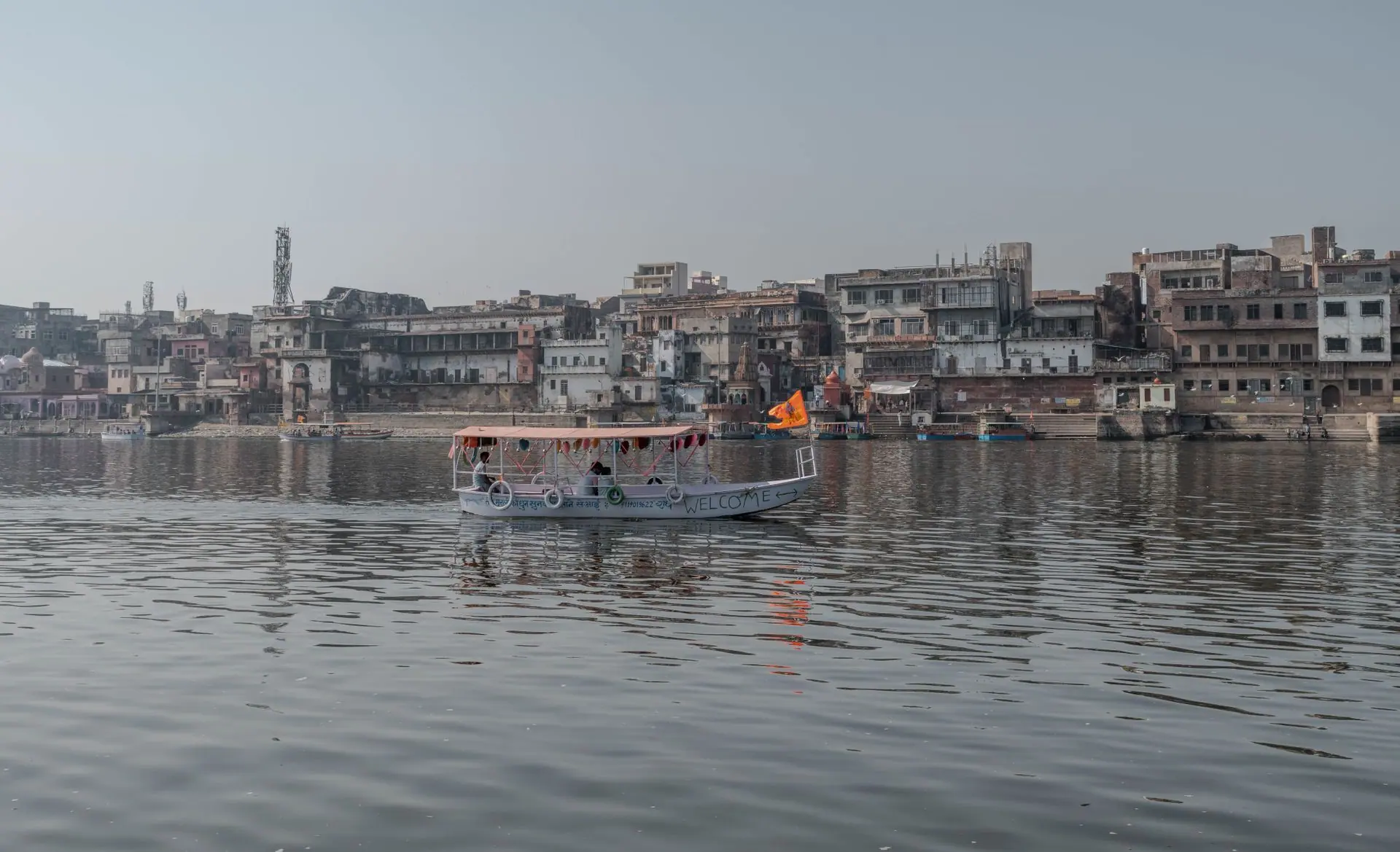
Tour package
2 Days Mathura Vrindavan with Goverdhan Barsana
2 days / 1 nightsFree cancellation
Price on request
View details3 Days Bodhgaya Rajgir and Nalanda Tour Package 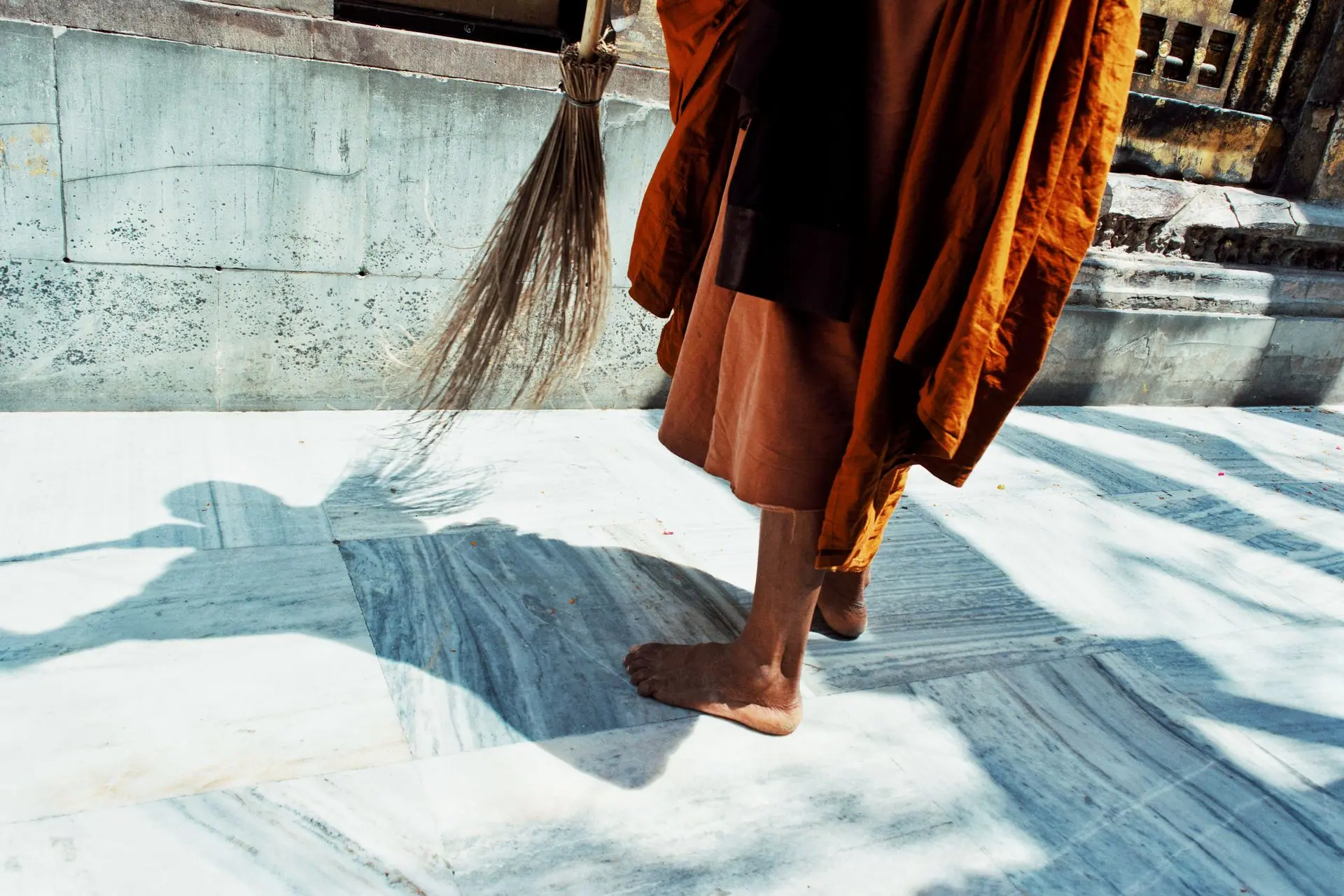
Tour package
3 Days Bodhgaya Rajgir and Nalanda Tour Package
3 days / 2 nightsFree cancellation
Price on request
View details4 Days Mathura Vrindavan Agra Tour 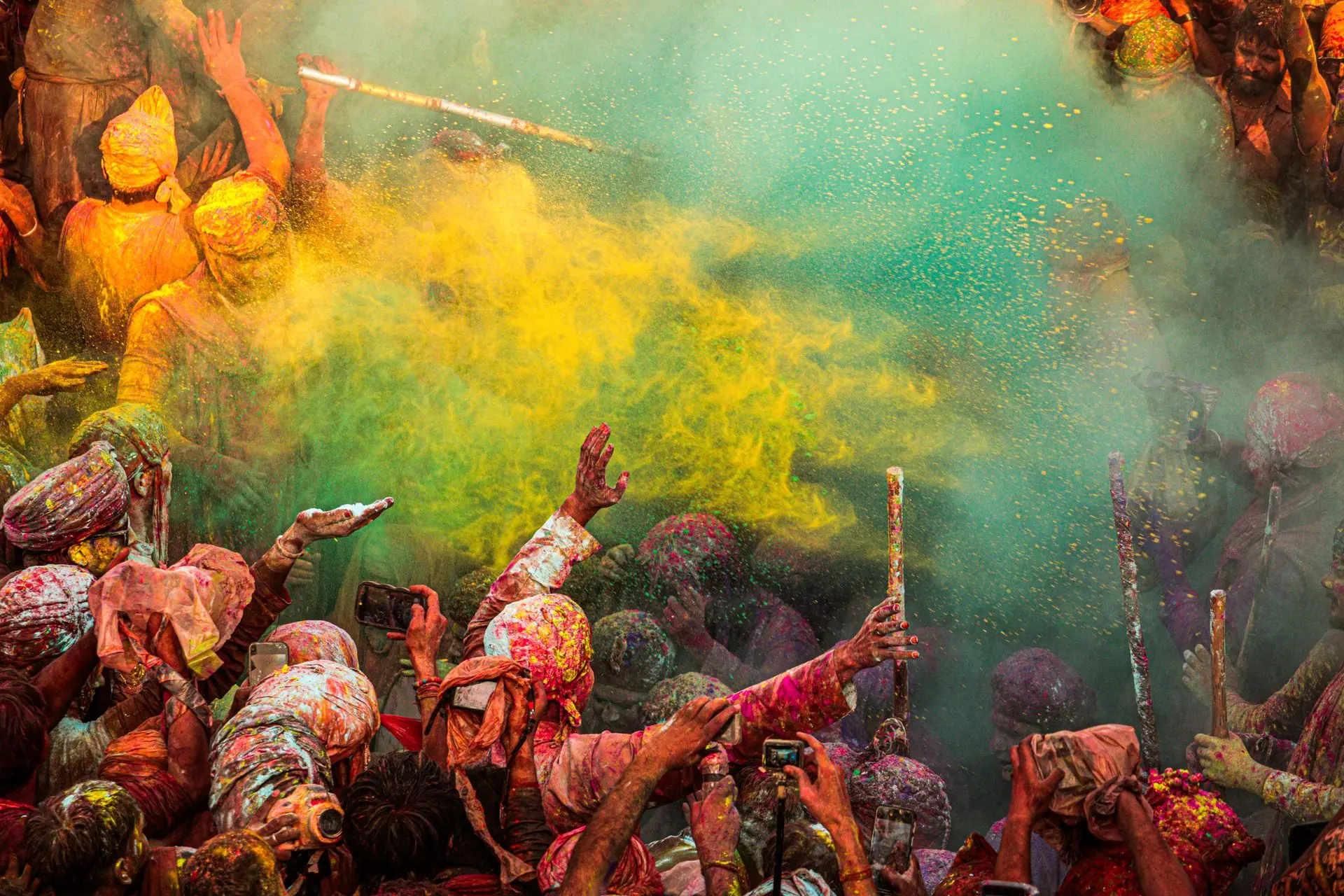
Tour package
4 Days Mathura Vrindavan Agra Tour
4 days / 3 nightsFree cancellation
Price on request
View details6 Days Varanasi Ayodhya Tour with Prayagraj Chitrakoot 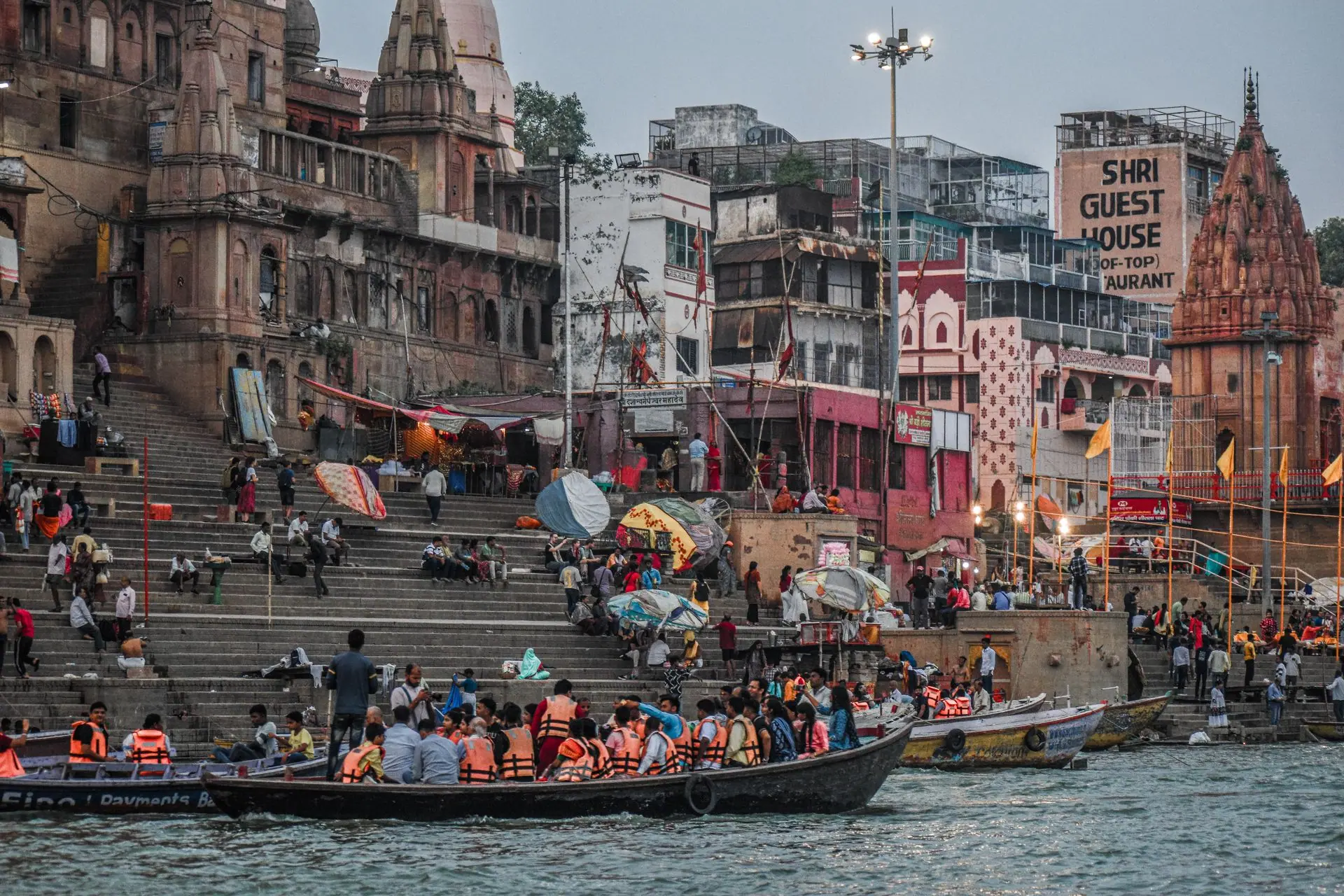
Tour package
6 Days Varanasi Ayodhya Tour with Prayagraj Chitrakoot
6 days / 5 nightsFree cancellation
Price on request
View details8 Days Mathura Vrindavan Kedarnath Haridwar Rishikesh Tour 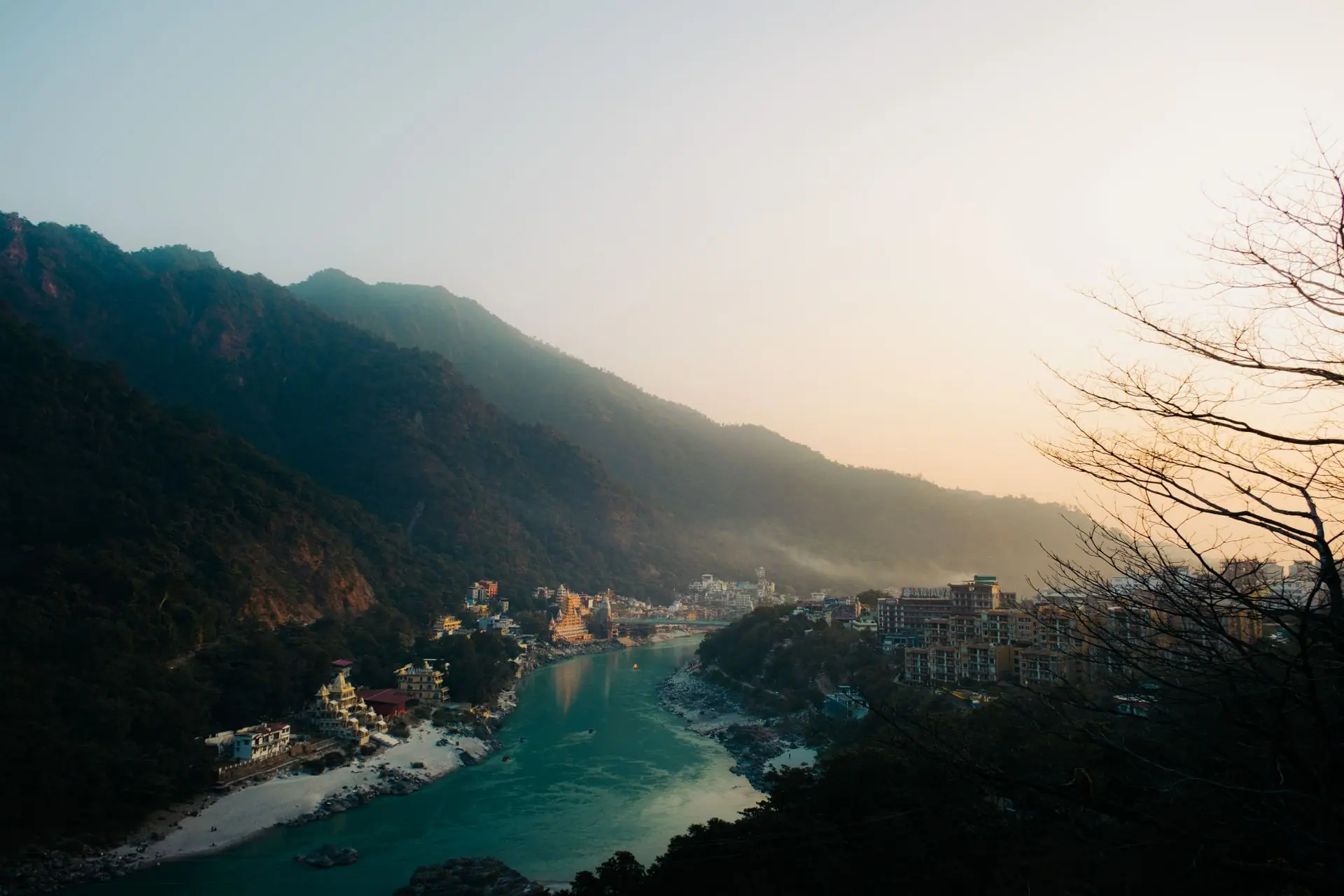
Tour package
8 Days Mathura Vrindavan Kedarnath Haridwar Rishikesh Tour
8 days / 7 nightsFree cancellation
Price on request
View details10 Days Delhi Agra Jaipur with Golden Temple Tour 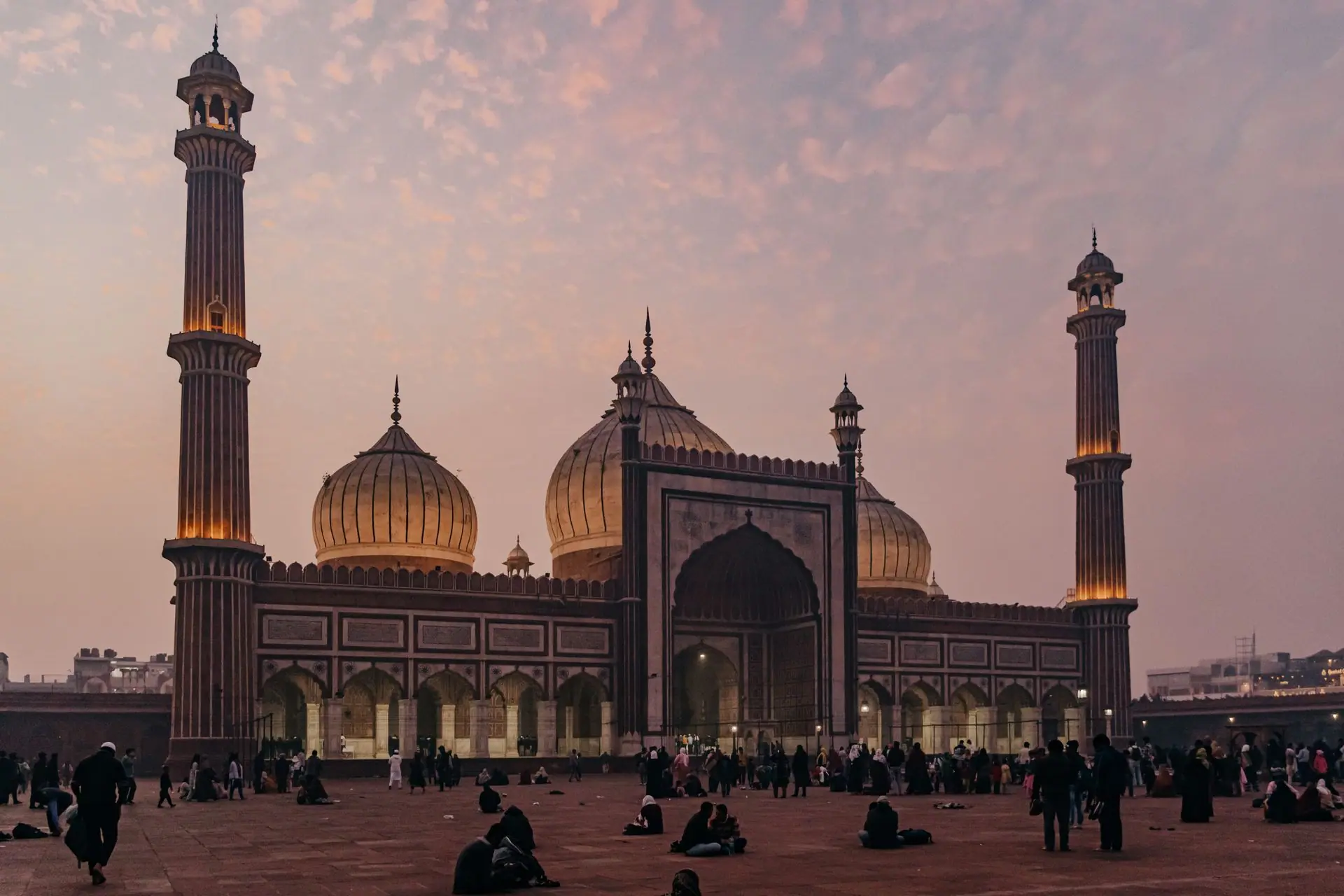
Tour package
10 Days Delhi Agra Jaipur with Golden Temple Tour
10 days / 9 nightsFree cancellation
Price on request
View details
Frequently asked questions
Do you assist with special darshan or VIP entry tickets?
We assist with the process and queue logistics at sites like Tirupati; the fees for special darshan tickets are set by the temple's own systems and are not included in package prices.
Are any of these pilgrimages physically demanding?
Yes — Kedarnath and Yamunotri specifically involve multi-kilometre treks at altitude. We say so plainly on the relevant tour pages so you can judge fitness needs before booking.
Can these pilgrimages be combined with sightseeing?
Yes — several of our itineraries already do this (Mathura-Vrindavan with Agra, for instance); ask and we can build a combined route.
What does this collection include?
Char Dham Yatra (11 days) and the Mathura-Vrindavan-Kedarnath-Haridwar-Rishikesh tour (8 days) — Himalayan shrines, season-dependent; 2 Days Khatu Shyamji and 2 Days Mathura Vrindavan with Goverdhan Barsana — short Braj-region pilgrimages; 6 Days Tirupati Madurai Rameshwaram Kanyakumari — the major South India temple circuit.
Which Indian pilgrimage is right for a first-time visitor?
The Golden Temple in Amritsar or the Varanasi Ganga Aarti are the most accessible starting points: both are physically undemanding, well set up for visitors, and deliver a genuinely moving experience without the altitude or logistics of a Himalayan yatra.
Do I need to be Hindu, Sikh or of any particular faith to visit these temples?
Most sites on this page welcome visitors of all backgrounds who observe the dress code and etiquette, and the Golden Temple in particular is open to everyone regardless of religion. Jagannath Temple in Puri is a well-known exception — non-Hindus are traditionally not permitted inside the main temple. We flag this clearly on the Puri page.
How far in advance should I book a pilgrimage trip?
For the Char Dham Yatra, several months ahead is sensible, since accommodation near the shrines and helicopter seats at Kedarnath fill early in the season. For city temples such as Amritsar or Varanasi, a few weeks' notice is usually enough, though festival dates need more lead time.
About Pilgrimage tour packages
Our pilgrimage collection covers Hindu and Sikh sacred sites across several regions — the Himalayan Char Dham circuit and Kedarnath, the Krishna pilgrimage towns of Mathura and Vrindavan, Tirupati and the South India temple trail, and Amritsar's Golden Temple — each written honestly about physical difficulty and seasonal access where relevant.
Reviewed by Experience My India Editorial Team · Updated 12 Oct 2026
What this collection covers
Sacred sites across several traditions and regions: the Himalayan Char Dham shrines and Kedarnath specifically, the Krishna pilgrimage towns of Mathura and Vrindavan, South India's great temple towns, Tirupati, Amritsar's Golden Temple, and Uttar Pradesh's Varanasi–Ayodhya–Prayagraj–Chitrakoot circuit.
Where this collection points you
- Char Dham Yatra (11 days) and the Mathura-Vrindavan-Kedarnath-Haridwar-Rishikesh tour (8 days) — Himalayan shrines, season-dependent.
- 2 Days Khatu Shyamji and 2 Days Mathura Vrindavan with Goverdhan Barsana — short Braj-region pilgrimages.
- 6 Days Tirupati Madurai Rameshwaram Kanyakumari — the major South India temple circuit.
- 6 Days Varanasi Ayodhya with Prayagraj Chitrakoot — the Uttar Pradesh pilgrimage circuit.
- 10 Days Delhi Agra Jaipur with Golden Temple — the Golden Triangle extended to Amritsar.
- 3 Days Bodhgaya Rajgir and Nalanda — the Buddhist heritage circuit in Bihar.
The criteria that matter
Before choosing a pilgrimage trip, it helps to think through five things that vary a great deal between sites.
- Darshan access — some temples (Tirupati, Jagannath Puri, the Golden Temple) offer a special or VIP entry line alongside the general queue, sold or allotted through the temple trust's own system, not through any tour operator. See our VIP darshan explainer for how this generally works.
- Crowd levels and timing — a weekday early-morning visit at most temples is calmer than a weekend or festival day; some sites (Kumbh Mela, major festival dates at Tirupati or Puri) draw genuinely large crowds and need different planning altogether.
- Physical demands — the Char Dham sites involve mountain roads, altitude and, at Kedarnath, a trek or pony/helicopter ride; city and temple-town pilgrimages are largely level walking, though often long hours on your feet and without footwear inside the temple.
- Dress code and etiquette — most temples expect modest dress (shoulders and knees covered), shoes off before the sanctum, and phones and cameras restricted or banned in the inner areas; Sikh gurdwaras additionally expect a head covering and no leather items inside.
- Accommodation near the site — ranges from simple pilgrim guesthouses and dharamshalas at high-altitude or very traditional sites to comfortable hotels a short drive from the temple in cities like Amritsar or Madurai.
How to choose
Start from how much physical effort you want to take on. If mountain travel, cold and a possible trek are not for you, the Char Dham Yatra is not the right fit and a temple-town circuit such as Varanasi, Amritsar or the South Indian temple trail will suit better.
Then think about how much of a queue or crowd you are prepared for. Some of India's most visited temples, Tirupati above all, can mean a long wait even with a special-entry ticket on a busy day; a quieter site such as Khatu Shyam Ji outside peak fair dates is far gentler.
Finally, decide whether you want one focused site or a trail linking several. Rameswaram and Madurai combine naturally into one South Indian temple trip; Mathura and Vrindavan sit a short drive apart; Varanasi is usually its own two-to-three-day stop. We build the route and the days around whichever shape fits your time and your interest.
| Criteria | Char Dham Yatra | Varanasi Ganga Aarti | Golden Temple, Amritsar | South India temple trail (Rameswaram/Madurai) |
|---|---|---|---|---|
| Best season | Roughly May-June and September-October (opening and closing dates are fixed by the temple boards each year) | October to March for cool, clear evenings | Year-round; October to March is more comfortable | November to March, avoiding the hottest months |
| Physical demand | High — mountain roads, altitude, and a trek, pony or helicopter option at Kedarnath | Low — mostly walking and sitting; ghat steps can be uneven | Low — level walking, barefoot inside the complex | Low to moderate — a lot of walking, barefoot, in large temple complexes |
| Typical trip length | Around 9-12 days for all four shrines from Rishikesh/Haridwar | 2-3 days | 1-2 days | 3-5 days for Rameswaram and Madurai together |
| Crowd level | High in peak weeks of the season, lighter at the edges of it | High every evening at Dashashwamedh Ghat, heaviest on weekends and festival nights | Moderate to high, with queues for the sanctum sanctorum at busy times | Moderate, with peaks around major temple festivals |
Region and season notes
North Indian Himalayan pilgrimages (Char Dham) are strictly seasonal and close for winter; anything planned outside the May-October window needs rethinking entirely, not just rescheduling by a week.
Gangetic plain cities — Varanasi, Ayodhya, Mathura and Vrindavan — are at their best October to March, when the heat and humidity of the plains ease off; summer visits are workable but demanding.
Punjab (Amritsar) follows a similar plains pattern to the Gangetic cities, with winter mornings cold enough for a jacket.
South Indian sites (Tirupati, Rameswaram, Madurai) are least comfortable in the hottest pre-monsoon months (roughly April-June) and manageable for the rest of the year, with the northeast monsoon bringing rain to the Tamil Nadu coast broadly October to December.
Odisha (Puri) sees its own festival calendar, including the Rath Yatra chariot procession, which draws very large crowds and changes both access and accommodation availability around the temple.
A note on altitude and physical demands
Kedarnath and the Char Dham shrines involve genuine trekking at altitude and are only accessible for part of the year, on dates set annually by the temple authorities. We flag this honestly on each relevant page rather than glossing over it — check the specific itinerary before booking if fitness or timing is a concern.
Plan a trip
Tailor-made quote from a specialist