
Solo Travel in India: How to Plan a Trip on Your Own
Solo travel in India works best with a little more structure than a group trip: start on a well-connected route such as Delhi, Agra and Jaipur, book your first nights and airport transfer before you land, avoid hailing taxis on the street after dark, keep copies of your passport apart from the original, and save 112, India's emergency number. Women travelling alone should also read our women's safety guide.
By Experience My India Editorial Team
Destination specialists and licensed local guides
Solo travel India: choosing a first route
For solo travel, India's easiest first routes are the ones best set up for visitors. Delhi, Agra and Jaipur, which the Ministry of Tourism calls the Golden Triangle, lie close together and are full of hotels, trains and guides; our Golden Triangle tour covers all three. Kerala, Rishikesh and Varanasi make good next steps once you know how the country works.
Travel slowly. Fewer bases and longer stays mean fewer arrivals in a new town, and arriving is when a lone traveller is most exposed: tired, carrying everything and easy to spot. Plan to reach each new place in daylight. The UK Foreign Office advises avoiding road travel at night and in fog, when low visibility makes accidents common and the risk of crime is higher. Our page on the first two days after landing covers the arrival itself.
Some regions need a permit before you go. The Ministry of Tourism notes that areas designated "protected" or "restricted" require specific permits, and the UK Foreign Office advises applying three months before you arrive.
Getting around on your own
- Book taxis rather than hail them. The UK Foreign Office advises against travelling alone and hailing taxis on the street, especially at night, and notes that app-based taxis are available in every airport terminal building, alongside pre-paid taxi counters and hotel transfers.
- Share the ride. When you book a taxi through an app, send the journey details to someone who can follow your location; if a hotel driver meets you, check that they identify themselves before you set off.
- Choose cars with seatbelts. The Foreign Office points out that seatbelts are uncommon in auto-rickshaws and in the back seats of taxis.
- Trains are a sociable way to cover long distances; our guide to booking Indian trains as a foreigner explains how. At stations, ignore people offering tickets and tours, a scam the Foreign Office warns about.
- On our private trips the car and driver are part of the itinerary, as our page on getting around India explains, which takes the night-time taxi question away.
Where you sleep, and who knows where you are
Every hotel, hostel and homestay must register foreign guests with the Foreigners Regional Registration Office using an online form called the C-form, the UK Foreign Office explains, and you need your passport with a valid visa to check in anywhere. That registration is useful: it means your accommodation knows where you are.
Add your own safety net. Send your itinerary to someone at home, agree a daily check-in, and tell your hotel when you go out on a long day trip. In the mountains, the Foreign Office advises trekkers to travel in groups, use reputable local guides, stay on established routes and leave details of where they are going and when they expect to return, because a phone signal is unlikely up there. Satellite phones and GPS devices are illegal in India without a licence, so they are not the answer.
Insurance matters more when nobody is with you. The Foreign Office asks travellers to have insurance that covers local treatment and medical evacuation, and for treks, altitudes over 2,400 metres and mountain rescue.
Money, phone and papers
- Keep a copy of your passport, visa and flight ticket apart from the originals, leave copies at home and store them online, as the Foreign Office suggests.
- Carry two ways to pay. The Ministry of Tourism says foreign credit and debit cards are widely accepted and that UPI, India's instant payment system, is popular; our money guide covers cash, cards and tipping.
- Stay connected with a local SIM card, a portable Wi-Fi device or hotel and cafe Wi-Fi, the three options the Ministry of Tourism lists; our page on money and SIM cards for visitors has the practical steps.
- Watch for scams that target people on their own. The Foreign Office reports that card skimming and confidence scams are common, and that the National Cybercrime Helpline is 1930.
- Drink with care. The Foreign Office warns of alcoholic drinks contaminated with methanol in popular destinations around the world; it cannot be identified by taste or smell.
Numbers to save before you go
- 112: the national emergency number for ambulance, fire and police, which answers in English, Hindi and other languages; the 112 India app can share your location.
- 100: police helpline. 1091: women's helpline.
- 1800 11 1363: the Ministry of Tourism's helpline, for advice on reputable sites and services and for complaints.
- 1930: National Cybercrime Helpline.
- Your embassy or high commission, your insurer's emergency line and your hotel.
Women travelling alone will find more on our women's safety page, and our wider safety guide covers the scams worth knowing.
Company when you want it
Travelling alone does not mean eating alone every night. Book things that come with company: a cooking class in Jaipur, a food walk, or river rafting in Rishikesh. Every trip we sell carries a full refund if you cancel up to 24 hours before it starts, which helps when solo plans change.
Frequently asked questions
Will my hotel need my passport in India?
Yes. The UK Foreign Office explains that hotels, hostels and homestays must register foreign guests with the Foreigners Regional Registration Office on an online form, the C-form, and that you need your passport with a valid visa to get accommodation. Have both ready at check-in; the registration is routine for every foreign guest.
What numbers should I save before travelling alone in India?
Save 112, the national emergency number for ambulance, fire and police, which answers in English, Hindi and other languages. The UK Foreign Office also lists 100 for the police and 1091 for the women's helpline. Add the Ministry of Tourism's helpline, 1800 11 1363, the cybercrime helpline, 1930, your embassy, your insurer's emergency line and your hotel.
Is it safe to take a taxi alone at night in India?
Book one rather than hail one. The UK Foreign Office advises against travelling alone and hailing taxis on the street, especially at night, and points to app-based taxis, which serve every airport terminal, pre-paid taxi counters and hotel transfers. Share the journey from the app with someone, and check that a driver sent by your hotel identifies themselves.
How do I stay in touch with home while travelling alone in India?
Buy a local SIM card or rent a portable Wi-Fi device when you land, and use hotel and cafe Wi-Fi as a back-up; the Ministry of Tourism lists all three. Send your itinerary home and agree a daily check-in time. In the mountains a signal is unlikely, and a satellite phone is no fallback: it is illegal in India without a licence.
How do I meet other travellers in India?
Book activities that come with company: a cooking class, a guided food walk, a rafting trip or a day tour with a small group. Hostels and homestays have shared spaces where people swap plans, and long train journeys are sociable by nature. A guide for a day in each new city also gives you someone local to ask.
What should I do if I lose my passport in India?
Report it to the police at once and get a written police report: the UK Foreign Office says you need it for the exit permit, which replaces a missing entry stamp and must be applied for from within India. Then contact your embassy or high commission. Allow time: the Foreign Office says straightforward exit permit applications take between 5 and 15 working days.
Related guides
Customer reviews
Experience My India is rated 4.3 on Tripadvisor. We publish guest reviews after each trip.
Why book with Experience My India
Government-approved operator
Approved by the Ministry of Tourism, Government of India
500+ vetted local guides
35+ destination specialists plan every trip by hand.
Human help, every day
Mon–Sun, 9:00 AM – 9:00 PM IST · +91 73022 65809
No payment until you approve
You receive a written quote first; nothing is charged to start planning.
Browse experiences by theme
See all
Wildlife Safaris
8 experiences
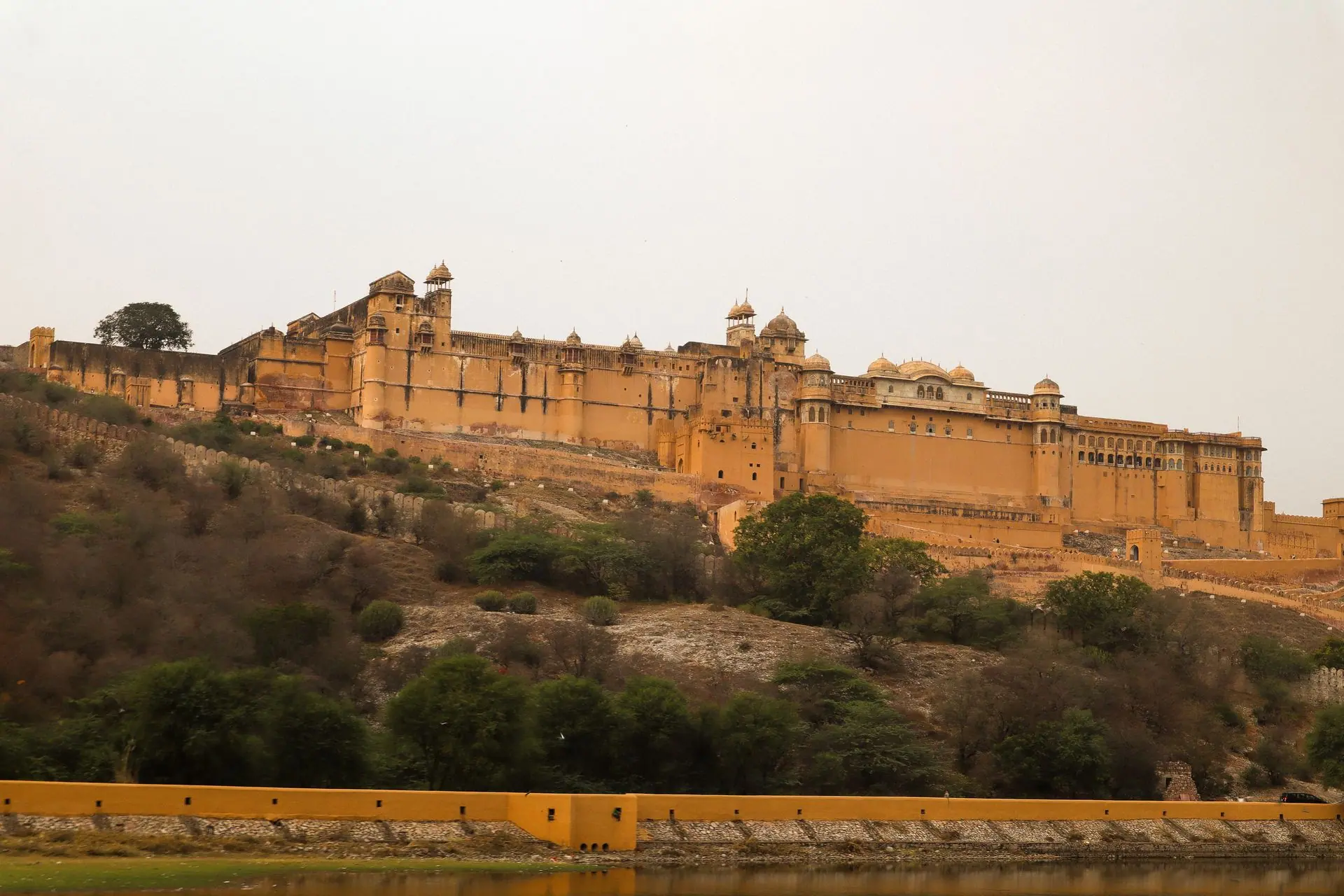
Heritage & Architecture
2 experiences

Beaches & Islands
5 experiences
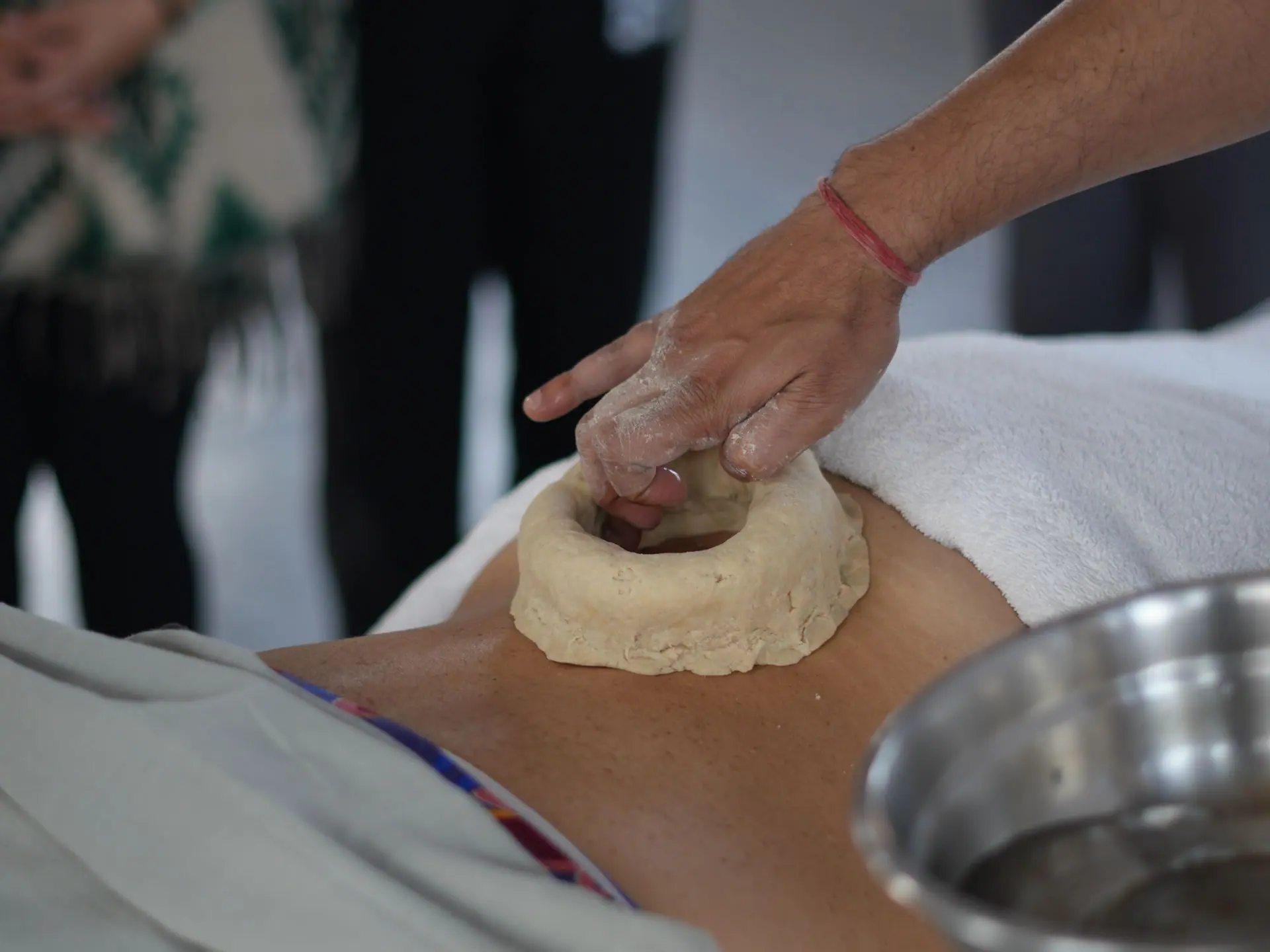
Wellness & Ayurveda
1 experience
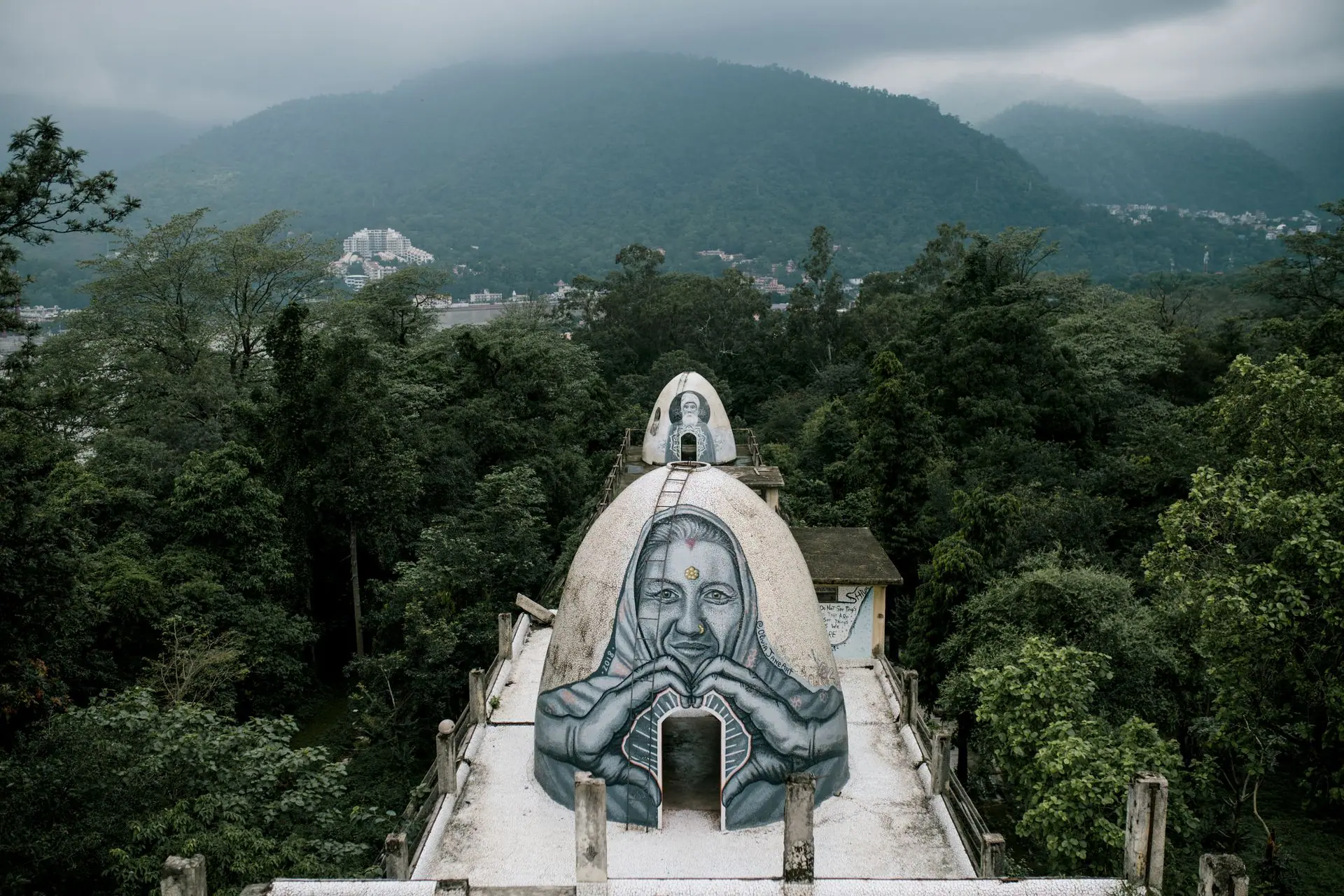
Yoga & Meditation
4 experiences
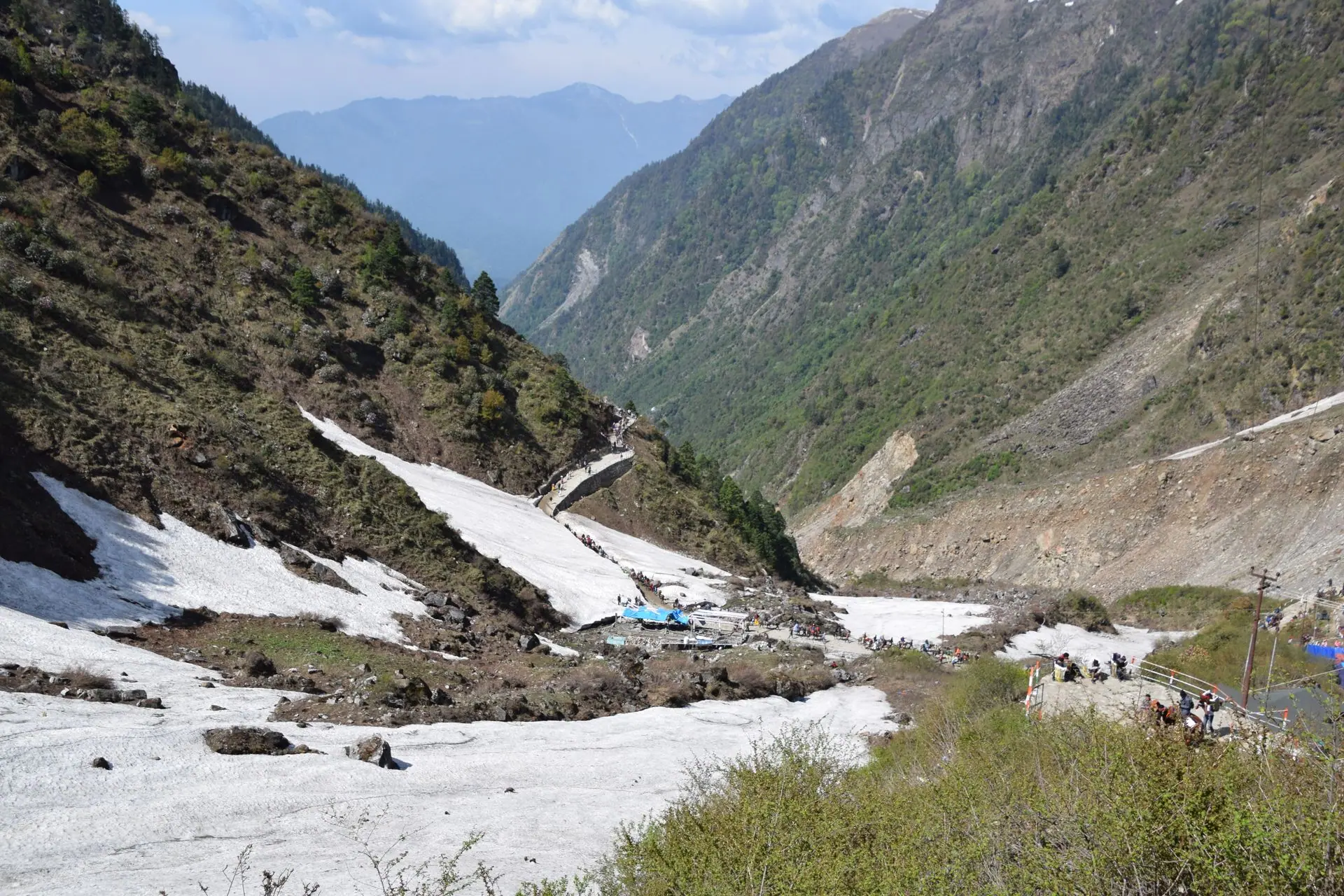
Trekking
2 experiences

Adventure
6 experiences
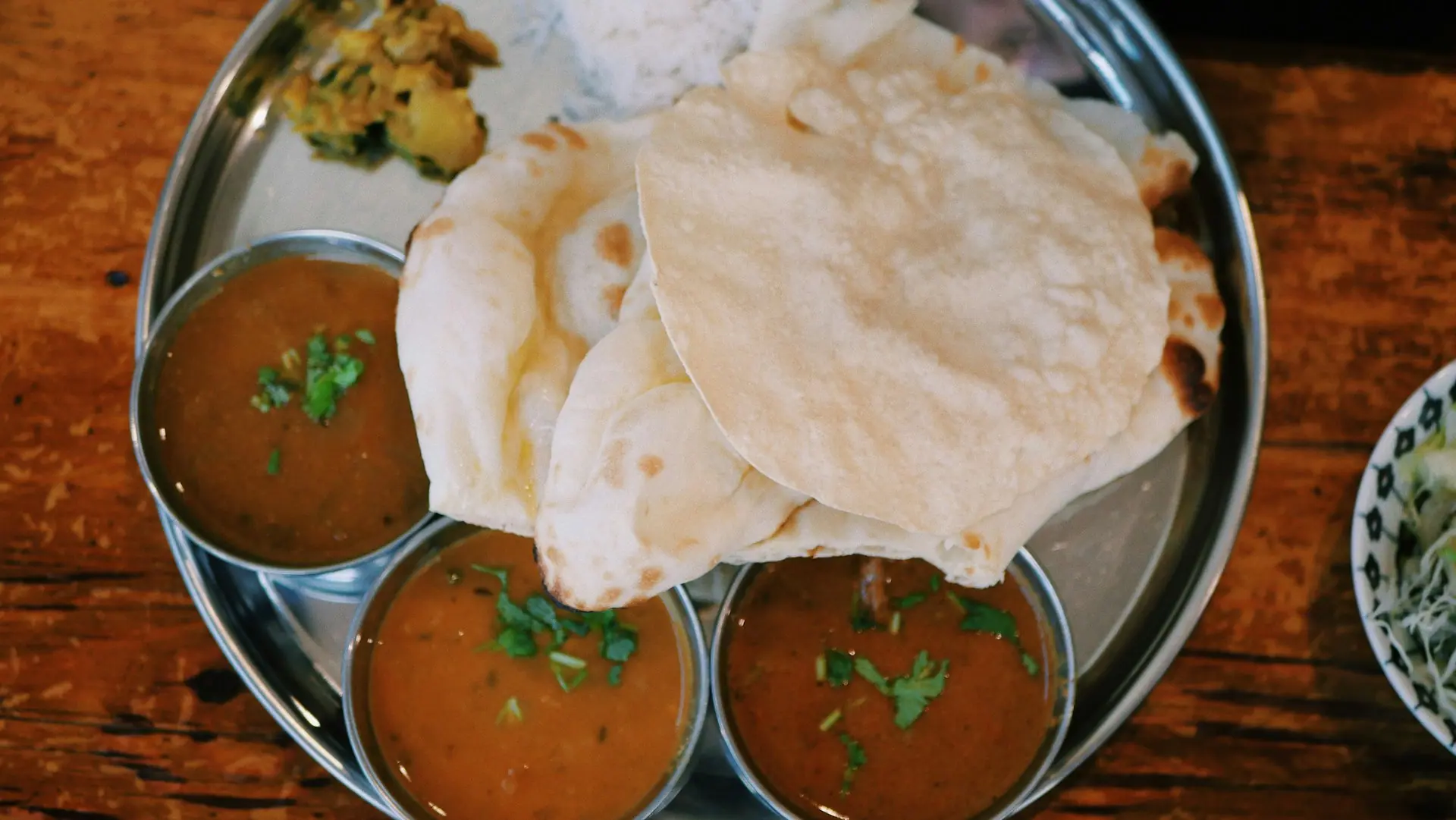
Culinary
5 experiences

Festivals
8 experiences
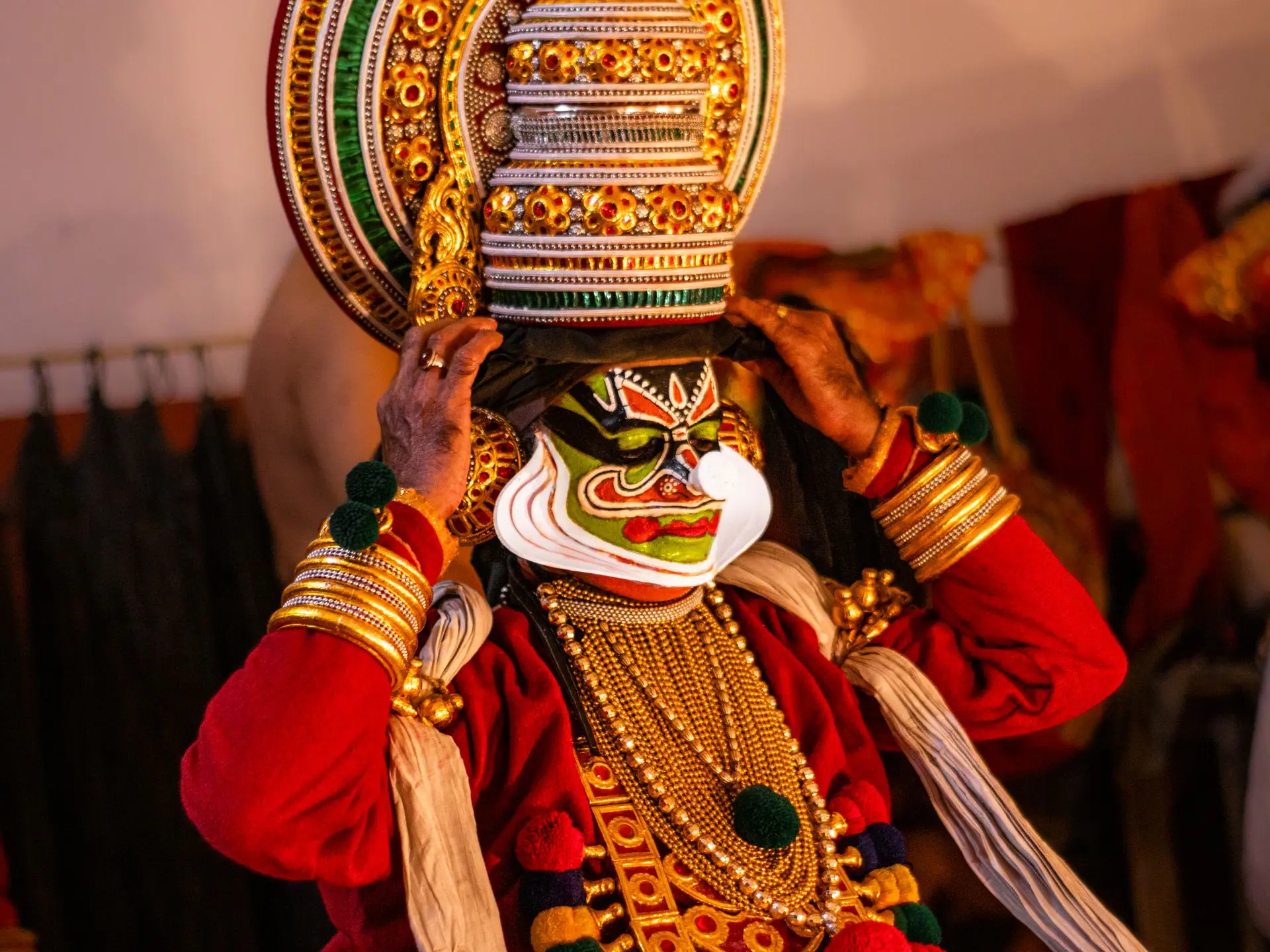
Performing Arts
5 experiences

Luxury Trains
4 experiences

Houseboats
3 experiences
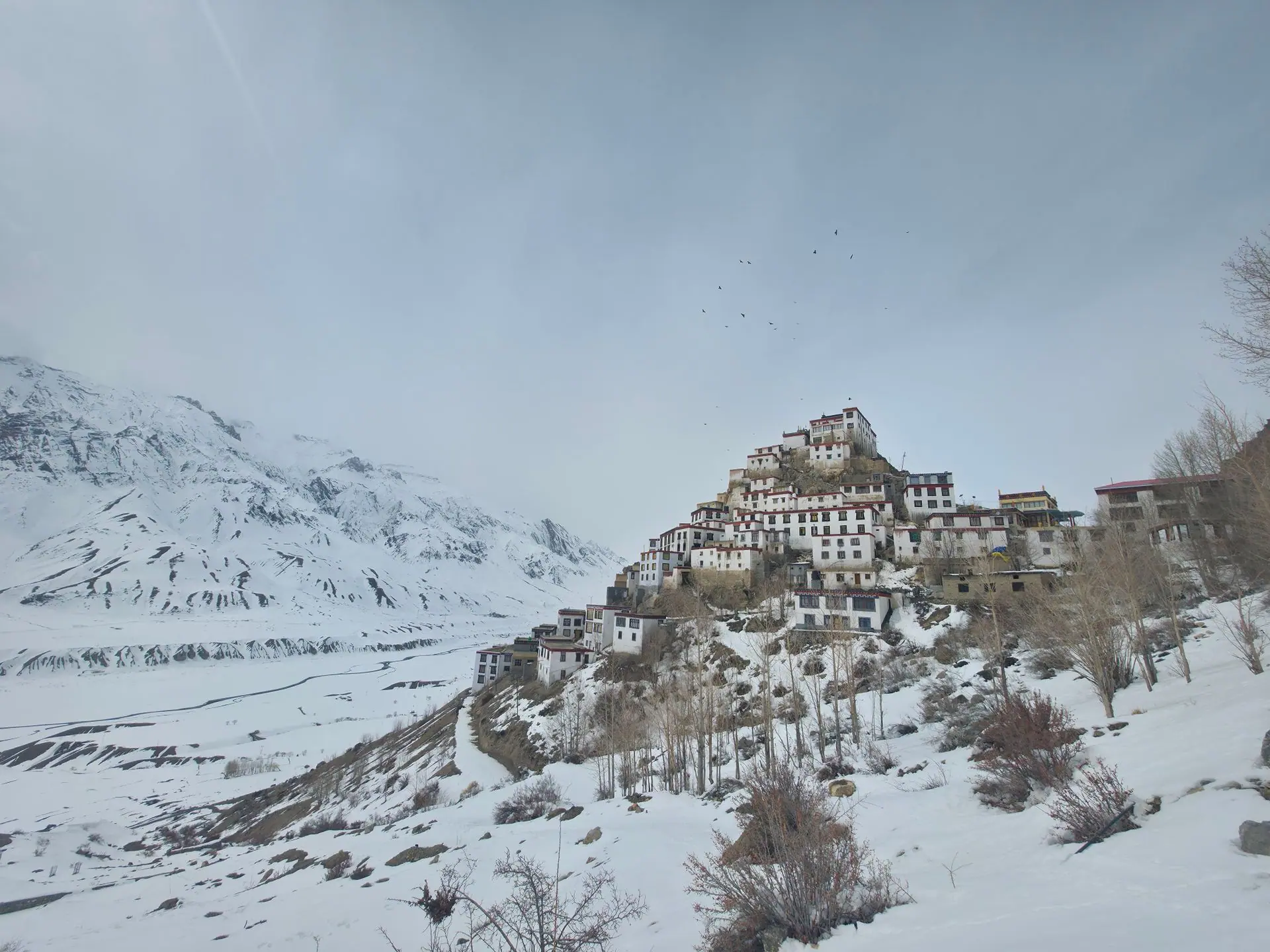
Toy Trains & Railways
1 experience
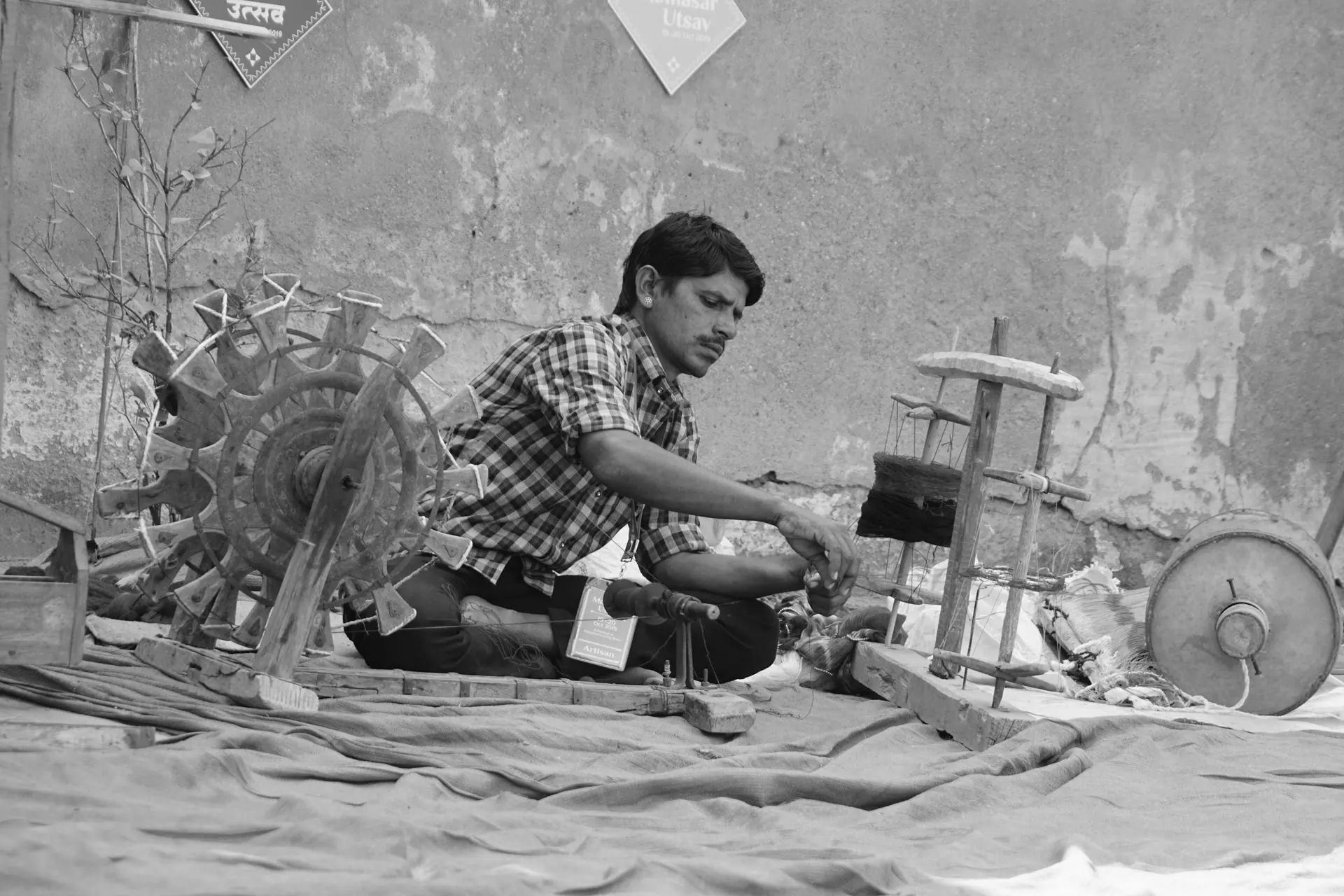
Village & Tribal Tourism
2 experiences
Glamping & Desert
1 experience
Honeymoon & Romance
3 experiences

VIP & Luxury
2 experiences
Plan a trip
Tailor-made quote from a specialist