
Places in Madhya Pradesh
More things to do in Madhya Pradesh
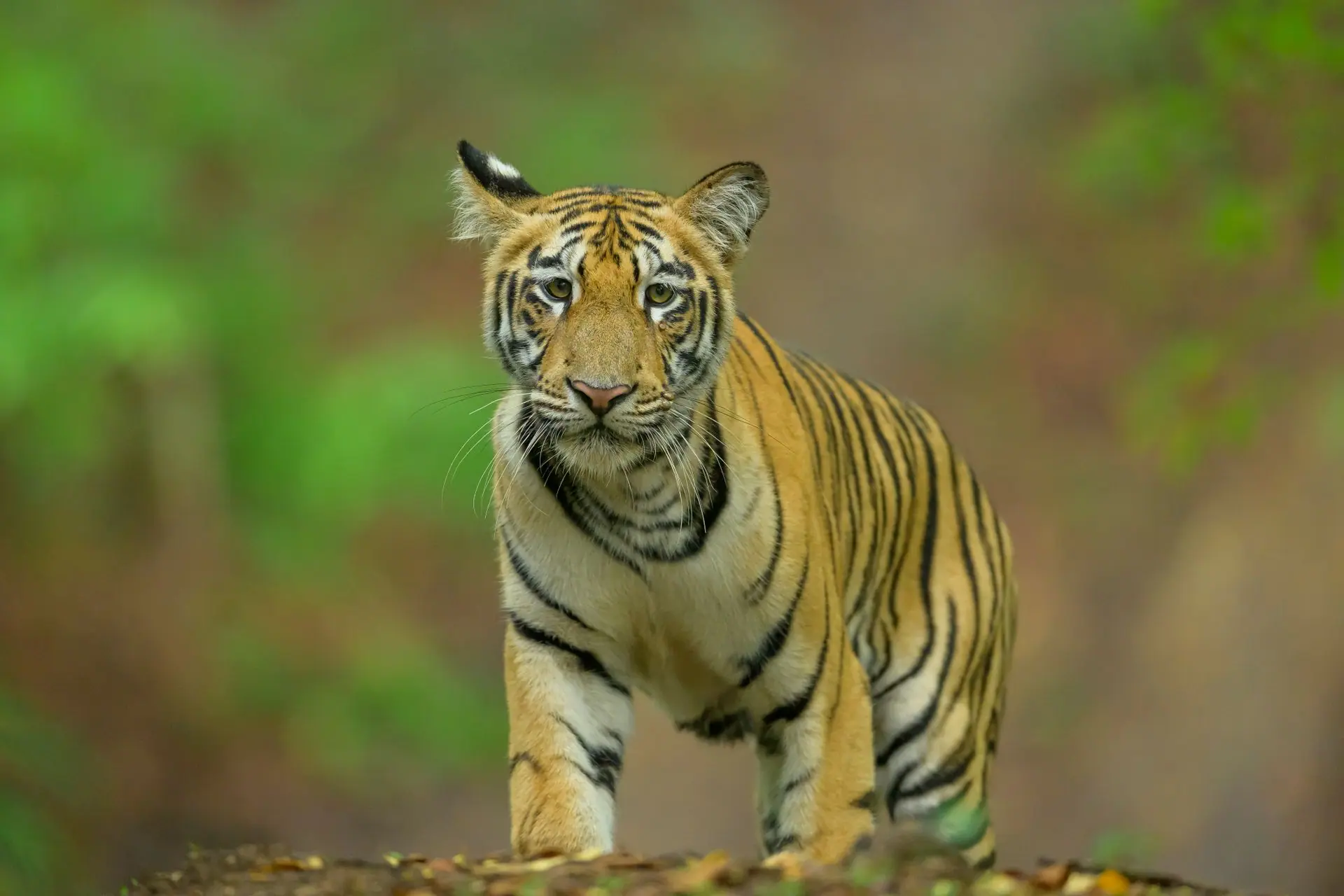
Bandhavgarh National Park
Bandhavgarh tiger safari
Price on request
View details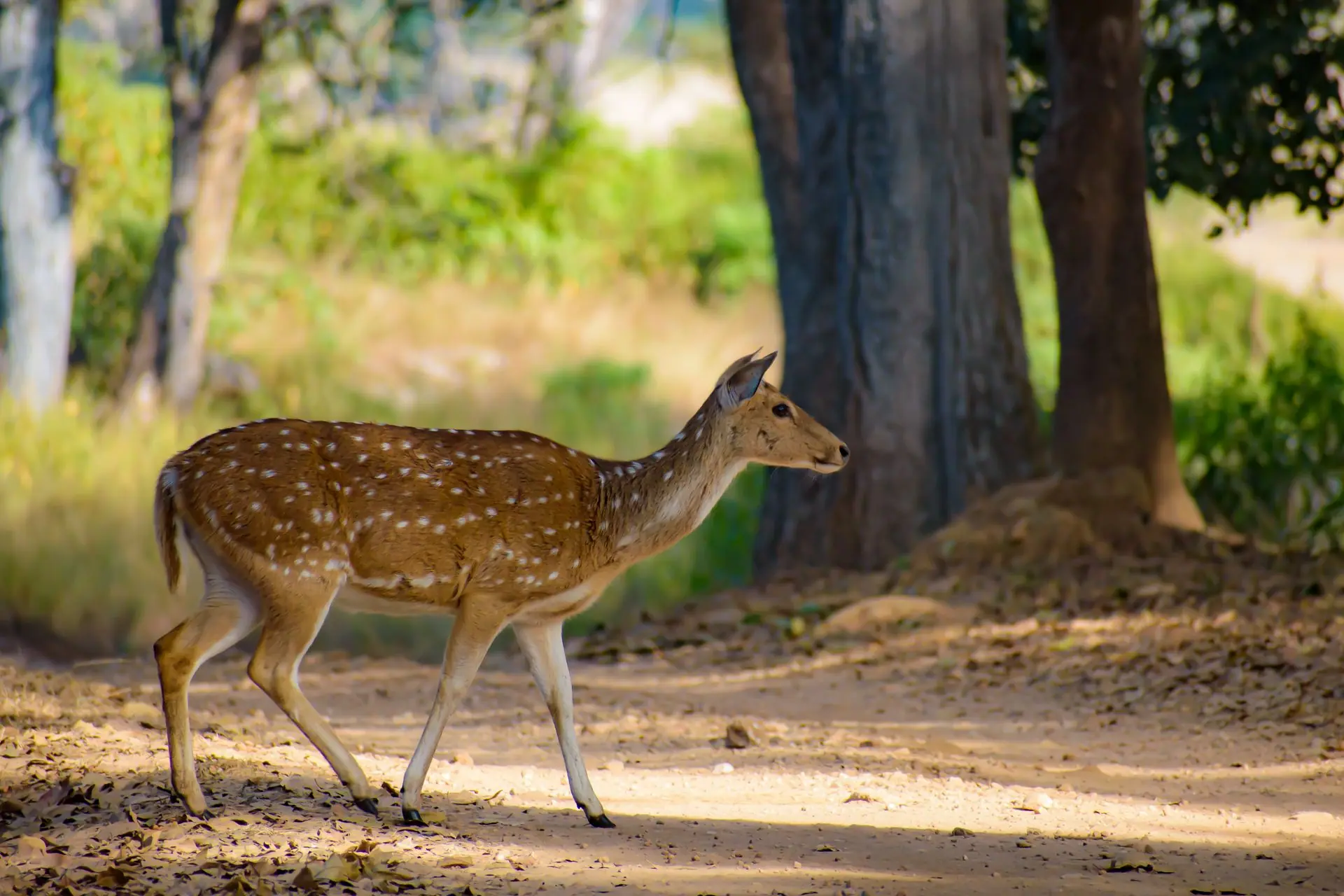
Kanha National Park
Kanha tiger safari
Price on request
View detailsWildlife Safaris in other states
See all
Frequently asked questions
What is the difference between core and buffer zones?
Each reserve has core zones and, around them, buffer zones, each with its own permits. At Bandhavgarh the core zones are Tala, Magadhi and Khitauli and the buffer zones Dhamokhar, Johila and Panpatha; at Kanha the core zones are Kanha, Kisli, Mukki and Sarhi and the buffer zones Khatia, Khapa and Sijhora. Under the state's rules, the core zones close from 1 July to 30 September, while the buffer zones stay open all year.
Are the parks ever closed during the season?
Yes, on two festivals at least. Madhya Pradesh's wildlife rules close every protected area to tourism on the government holidays of Holi and Diwali, and leave the state government to set any other closed days. Both festivals move with the calendar each year, so tell us your dates early and we will check them against the closures before booking your permits.
What ID do I need at the safari gate?
A photo ID for every visitor named on the permit. Indian visitors may show an Aadhaar card, passport, driving licence, PAN card, voter ID or another government-issued ID; foreign visitors must carry their passport. The gate checks the permit and the IDs before the drive, and a permit becomes invalid if the identities on it cannot be confirmed, so keep your ID with you on every drive.
How many people can ride in one safari jeep?
Up to six visitors on a full-vehicle permit, which the state's rules issue only for light vehicles such as the open gypsy. The driver and the park guide are not counted in the six, and children under five share a parent's seat. A larger family or group needs a second vehicle with its own permit, for the same zone and drive if one is still available.
Does a park guide come on every drive?
Yes. Bandhavgarh and Kanha both make an official guide compulsory in every vehicle, and Madhya Pradesh's rules require every visitor to be accompanied by a guide licensed by the park. A registered naturalist may ride along as well when a seat is free. Follow the guide's instructions: both reserves' rules say plainly that they are there for your safety.
Why do safari times change through the season?
Because the drives follow daylight. Madhya Pradesh's rules time entry and exit by sunrise and sunset, post the times on a notice board at each gate and print them on every permit, so a winter morning drive starts later than one in May. Your naturalist plans the pick-up from your lodge around the time on your permit.
Does my safari permit help the villages around the park?
Yes, in part. Madhya Pradesh's wildlife rules require each protected area to share one third of the tourism receipts paid into its development fund every year with its eco-development committees. The rules give the reason: local communities bear the cost of conservation, through lost income, cattle killed by carnivores and crops damaged by wild herbivores.
About Wildlife Safaris in Madhya Pradesh
For a jungle safari in Madhya Pradesh, choose between two parks: Bandhavgarh, known for tiger sightings in its compact core and for the old fort above its forest, and Kanha, a larger reserve of sal forest, bamboo and meadow and the home of the hard-ground barasingha. Both run morning and afternoon gypsy drives by zone, on permits we book ahead, for travellers who put wildlife first.
Reviewed by Experience My India Editorial Team
How to choose between Bandhavgarh and Kanha
Which tiger safari in Madhya Pradesh suits you depends on what else you want from the forest. The Bandhavgarh tiger safari suits travellers for whom a tiger is the main reason to come. Its core is compact, which gives each drive more chances, and the reserve's own site names three core zones, Tala, Magadhi and Khitauli; Tala carries the strongest reputation and is the most requested, so we advise on zones once we know your dates. An old fort stands on the plateau above the forest: local belief, as the reserve tells it, holds that Lord Rama built it and gave it to his brother Lakshman, hence the name, from bandhav, brother, and garh, fort. The reserve lies in Umaria and Katni districts, about 170 km from Jabalpur's airport. More in our Bandhavgarh travel guide.
The Kanha tiger safari suits travellers who want tigers but also a varied, spacious reserve of sal woodland, bamboo and open meadows, called maidans, where you have a real chance of seeing barasingha. Kanha's own site calls it the homeland of the hard-ground barasingha and a pioneer in its conservation. Its core has four zones, Kanha, Kisli, Mukki and Sarhi, entered through gates at Khatia, Mukki and Sarhi, in Mandla and Balaghat districts; the Khatia gate is about 160 km by road from Jabalpur, and the reserve also lists Raipur and Nagpur as nearest airports. Expect longer drives between sightings than in a compact park. More in our Kanha travel guide.
Neither reserve can promise a sighting. Many travellers do both, with two to three nights in each, which gives four to six drives per park. If you want a quick add-on to a Rajasthan or Delhi trip instead, compare India's tiger parks first.
What to expect on a drive
Each day has two drives, one leaving before dawn and one in the late afternoon. Your naturalist collects you from your lodge in time for the gate, where your permit and photo ID are checked. Inside, you ride in an open gypsy registered with the park, with a licensed park guide on board, as the state's rules require. Each permit is for one zone and one drive.
The gypsy moves slowly along forest tracks, stopping at waterholes and crossing points while the naturalist reads pugmarks, calls and other signs; nothing is scripted. Gate times follow sunrise and sunset, so they shift through the season, and the park prints them on your permit. For places to stay near the gates, see our wildlife lodges.
When to go
Madhya Pradesh's wildlife rules close its national parks and sanctuaries to tourism from 1 July to 30 September; the buffer zones of tiger reserves are the exception and stay open all year. Between 1 and 15 October each park opens some or all of its zones as conditions allow, and both reserves' own sites give the usual season as 15 October to 30 June. The parks also close on the government holidays of Holi and Diwali, and the state may set other closed days.
December to March is the busiest time, when permits for popular zones sell out. Winter mornings are cold, and Kanha's site warns of frost and sub-zero temperatures in January. April to June are hot, though some visitors prefer those months, expecting tigers to keep close to water.
Park rules and practical points
- Carry photo ID for everyone named on the permit: the gate checks it against the names.
- Stay in the vehicle unless the guide tells you otherwise, and do not ask the driver to go faster than the recommended 20 km/h. No horns, music or loud talk, no smoking, and no feeding or teasing animals.
- Wear light, natural colours that blend with the forest, skip strong perfume and carry drinking water. Bring a warm layer for the pre-dawn drives in December and January.
- A Madhya Pradesh safari permit is sold on the state forest department's own booking site; we book yours as part of planning the trip. For the rest of the state, read our Madhya Pradesh travel guide.
Plan a trip
Tailor-made quote from a specialist