
Kerala Travel Guide: Backwaters, Tea Hills, Ayurveda and the Coast
The best of Kerala tourism is its palm-lined backwaters, the Munnar tea hills, its Ayurveda tradition, Kochi's colonial old town and the beaches at Varkala and Kovalam.
Reviewed by Gurudutt Kaushal · Updated 1 Sept 2026
- 9
- destination guides
- Private, tailor-made
- Ministry of Tourism approved
Showing 9 destination guides
Travel guideDestinations
Alleppey: Kerala's Backwaters and Houseboat Capital
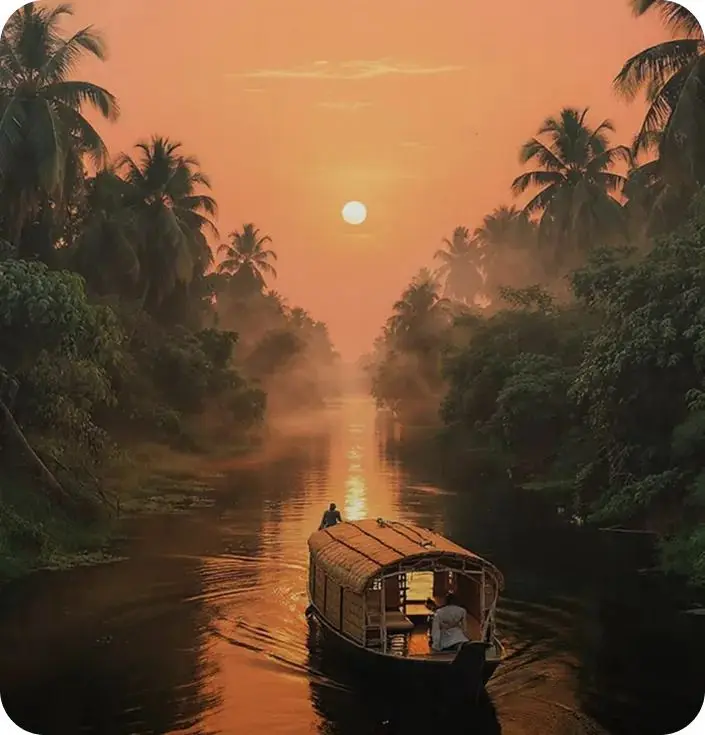
Alleppey, officially Alappuzha, is Kerala's backwater capital: a network of canals, paddy flats and Vembanad Lake where the classic way to stay is a night or two aboard a traditional kettuvallam houseboat. Experience My India suggests one to two nights here, treated as a place to slow down rather than a box to tick, usually as the backwater leg of a longer Kochi-to-Varkala route.
Travel guideDestinations
Munnar: Kerala's Tea Hills
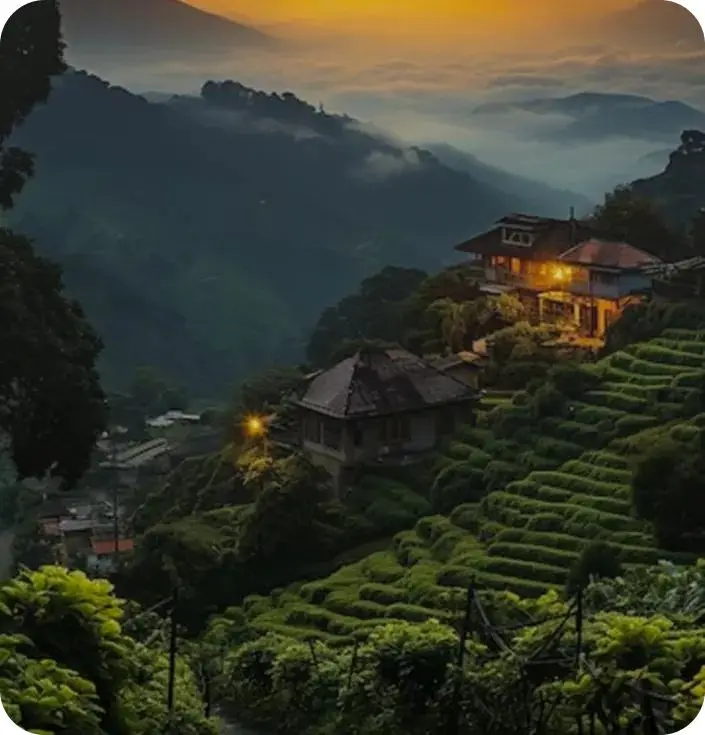
Munnar is Kerala's hill-country tea region, a hub of rolling plantations, cool air and viewpoints in the Western Ghats. Experience My India suggests two to three nights here, and its own planning notes stress sleeping among the tea estates rather than in Munnar town itself, and treating the drive up from the coast as its own half-day rather than a transfer to endure.
Travel guideDestinations
Kochi: Kerala's Heritage Gateway
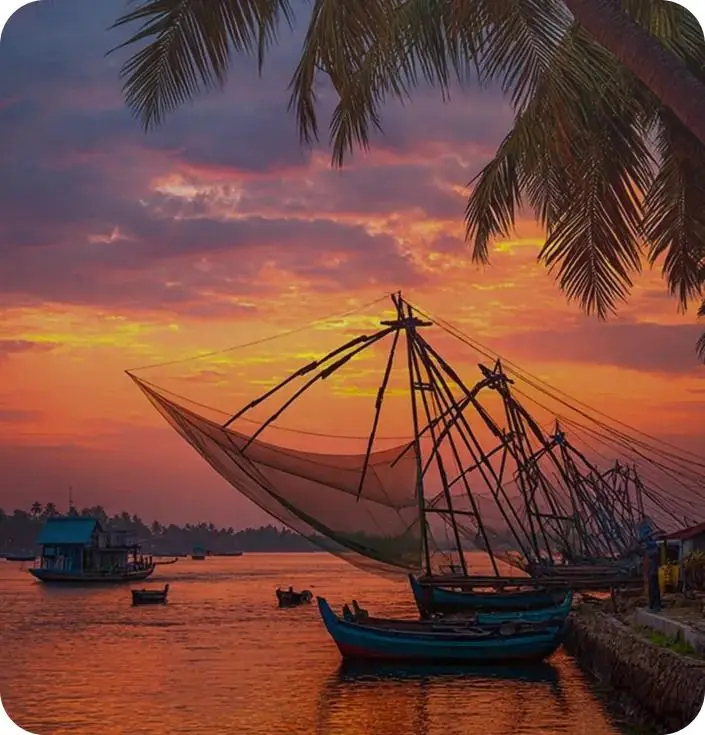
Kochi is Kerala's main gateway city and its heritage stop: the old quarter at Fort Kochi and Mattancherry mixes Chinese fishing nets, colonial-era streets and cafes with the state's cultural life. Experience My India's region guide suggests one to two nights here as an easy first stop by the airport, usually opening or closing a wider Kerala route.
Travel guideDestinations
Wayanad: Kerala's Forested Highlands
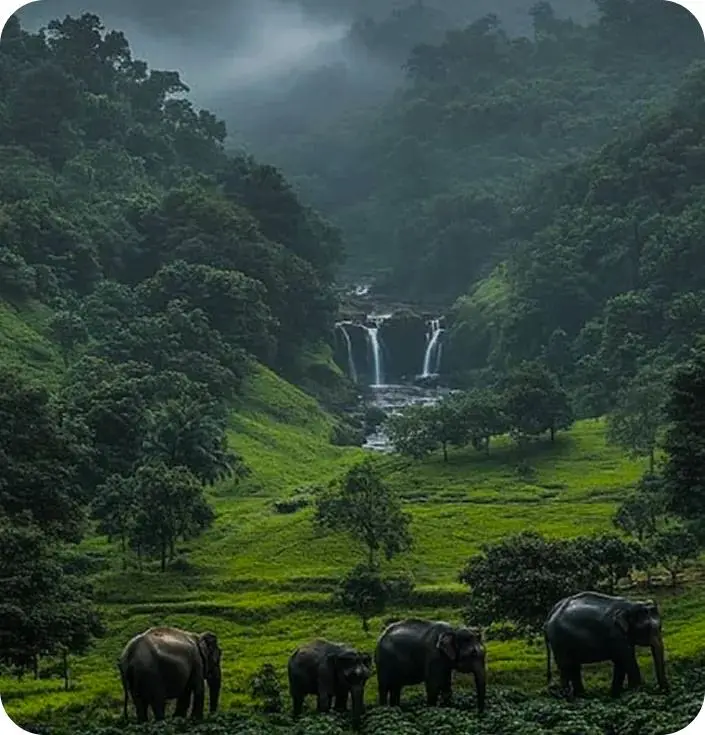
Wayanad is Kerala's forested highland district, known for wildlife, waterfalls and quieter trails away from the state's busier circuit. Experience My India's region guide suggests around two nights here, and its own planning note flags Wayanad as the place to add if you have two full weeks rather than the standard eight to twelve days.
Travel guideDestinations
Varkala: Kerala's Cliff-Top Beach Town
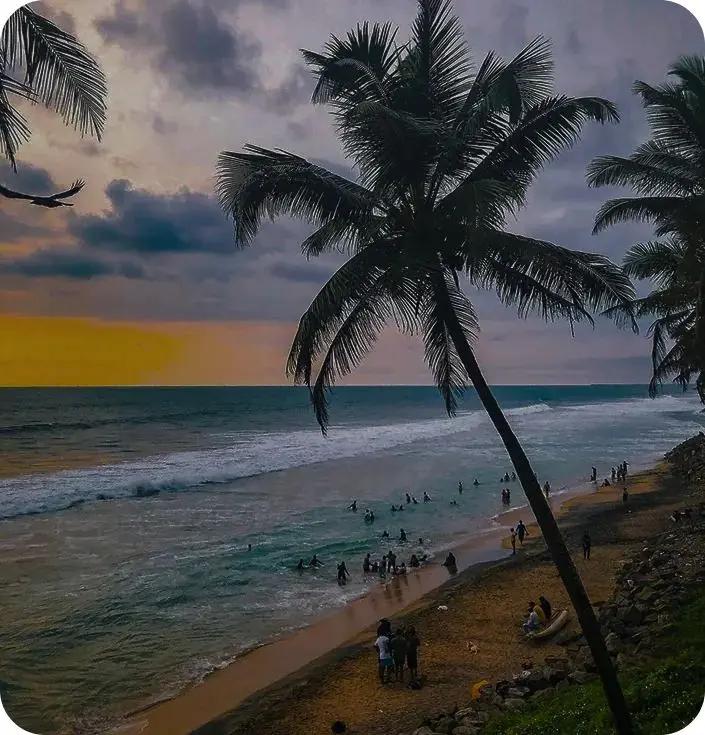
Varkala is Kerala's cliff-top beach town, known for its red laterite cliff running straight down to the beach, along with surf and yoga. Experience My India's route puts it, together with Kovalam, as a coastal finish worth two to four nights, most often closing out a north-to-south Kerala trip.
Travel guideDestinations
Thekkady: Gateway to Periyar Tiger Reserve
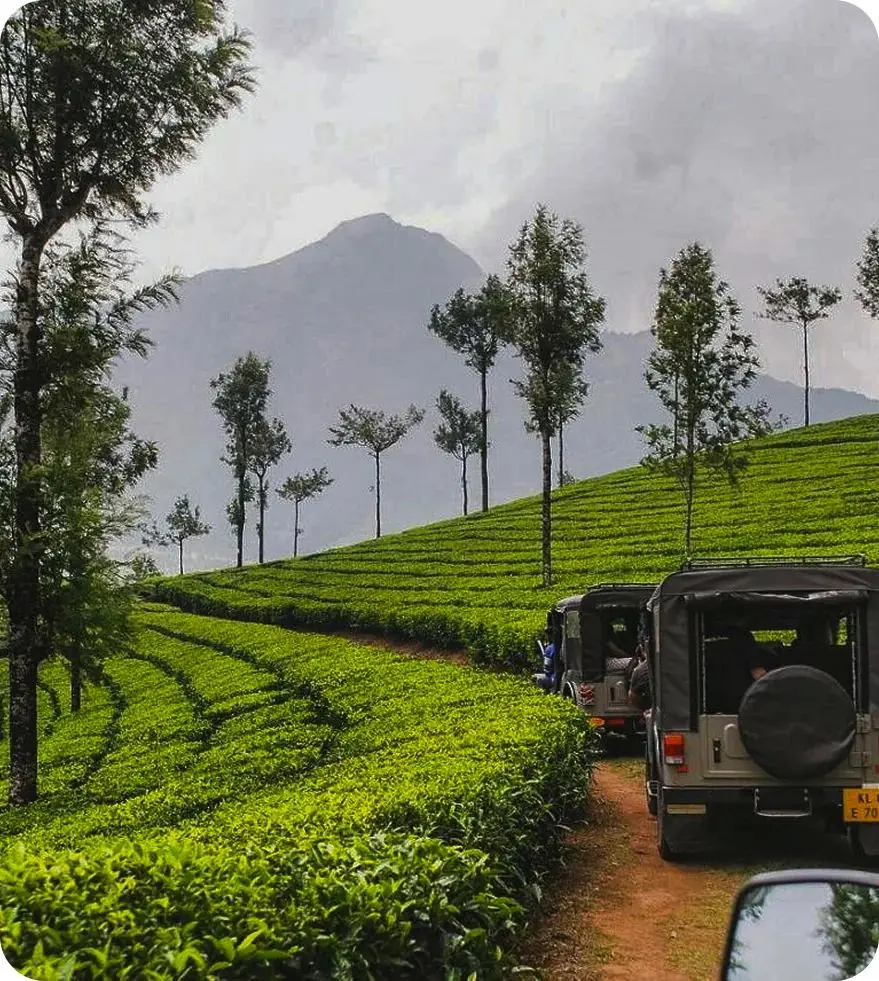
Thekkady is Kerala's spice-hills and wildlife stop, built around Kumily town and the adjoining Periyar Tiger Reserve. The main draw is a boat safari on Periyar Lake, paired with walks through spice plantations on the hillsides around the town. Experience My India's route allows one to two nights here, typically between Munnar and the backwaters.
Travel guideDestinations
Kovalam: Kerala's Classic Lighthouse Beach Town
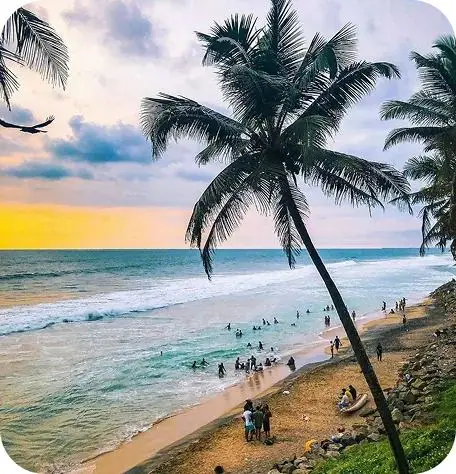
Kovalam is one of India's earliest beach resort towns, built around a headland at Vizhinjam and a run of coves — Lighthouse Beach and Hawah Beach among them — just south of Thiruvananthapuram. Experience My India groups it with Varkala as a coastal finish to a Kerala trip, worth two to four nights between the two.
Travel guideDestinations
Best Time to Visit Kerala
October to March is Kerala's most reliable window: dry, warm weather and clear hill air. June to September is the southwest monsoon — Kerala at its greenest, and traditionally the best time for a proper Ayurveda course, but with daily downpours. April and May are hot and humid on the coast. Experience My India suggests October to March for a first trip.
Travel guideDestinations
Kumarakom
Not sure which to pick? Plan it with a specialist.
Tell us your dates and pace. You receive a written itinerary and quote first; nothing is charged to start planning.
Other destinations
Frequently asked questions
Is Kerala safe for tourists?
Kerala is regarded as one of India's safest states for travellers. English is widely understood and the tourism trade is well established. Take normal precautions, and swim or surf with a school where there are riptides on the coast.
How many days do you need in Kerala?
Eight to twelve days suits a first trip across Kochi, the tea hills, the backwaters and the coast. Six to seven days works for two regions and a beach; two weeks lets you add Wayanad or Thekkady at Kerala's slower pace.
What is the best time to visit Kerala?
October to March is the dry, reliable window. June to September is the green but wet monsoon, which suits Ayurveda and monsoon tourism. April and May are hot and humid on the coast.
Why is Kerala called God's Own Country?
It is Kerala Tourism's official tagline, reflecting a compact geography that packs tea hills, backwaters and beaches into one small coastal state.
Is Kerala good for a first trip to India?
Yes. Its gentler pace, wide English use and established tourism make it a common soft landing for first-time visitors to India.
About Kerala Travel Guide: Backwaters, Tea Hills, Ayurveda and the Coast
The best of Kerala tourism is its palm-lined backwaters, the Munnar tea hills, its Ayurveda tradition, Kochi's colonial old town and the beaches at Varkala and Kovalam. Experience My India suggests eight to twelve days linking these on a north-to-south route, ideally between October and March, arranged with local guides and private transport.
About Kerala
Kerala is a long, narrow coastal state on India's southwest tip, wedged between the Western Ghats and the Arabian Sea. Its capital is Thiruvananthapuram, the official language is Malayalam, and it is widely regarded as one of India's most literate and cleanest states. For travellers, that adds up to a green, gentle and easy-to-navigate introduction to India, which is why Kerala is so often chosen for a first trip. This guide covers the whole state: where to go, when, how long you need, and how to travel it well.
- 580 km of Arabian Sea coastline runs the length of Kerala
- 44 rivers cross the state, feeding its network of backwaters
- 14 districts make up Kerala
Backwaters and houseboats.
Tea gardens and hills.
Heritage and culture.
Wildlife and nature.
Beaches and cliffs.
Why Kerala is called God's Own Country
God's Own Country is Kerala's official tourism tagline, and once you are on the ground the phrase stops sounding like marketing. Kerala is a narrow strip on India's southwest coast where the Western Ghats fall away through spice and tea country into a lattice of backwaters and out to the Arabian Sea. That compressed geography means a single short trip can hold cool tea hills, still green waterways and warm beaches, which is rare anywhere in the world.
- The official language is Malayalam, and English is widely understood across the tourism trade, so first-time visitors navigate easily.
- Kerala's main international gateway is Cochin International Airport (COK); the state also has international airports at Thiruvananthapuram (TRV), Kozhikode/Calicut (CCJ) and Kannur (CNN), which makes open-jaw routes easy.
- God's Own Country is an official Kerala Tourism tagline, not a local nickname, which is why you see it on signage statewide.
What Kerala is famous for
Kerala is famous for its backwaters and traditional houseboats, its tea and spice plantations around Munnar, its long-established Ayurveda tradition, its vegetarian-friendly coconut-and-spice cuisine, and beaches such as Varkala and Kovalam. It is also known as one of India's cleanest and most literate states, which is part of why first-time visitors to India so often start here.
- Kathakalia classical dance drama performed in elaborate green face paint and headdress, traditionally lit by oil lamps.
- OnamKerala's harvest festival, marked with boat races, floral rangoli (pookalam) and a grand sadya feast.
- Theyyama ritual performance tradition from north Kerala, with towering red headdresses and painted faces, performed before village crowds.
- Kalaripayattuan ancient martial art still taught and demonstrated in traditional lamp-lit training pits (kalari).
Colonial old town, Chinese fishing nets, cafes and galleries. Best for an easy first stop by the airport. Suggested stay: 1 to 2 nights.
Rolling tea plantations, cool hill air, viewpoints. Best for slowing down and tea-country walks. Suggested stay: 2 to 3 nights.
Waterway villages, houseboats and canoes on Vembanad Lake. Best for stillness on the water. Suggested stay: 1 to 2 nights.
Spice hills and a wildlife reserve. Best for nature and plantations. Suggested stay: 1 to 2 nights.
Forested highlands, waterfalls, quieter trails. Best for travellers who want off the busier circuit. Suggested stay: 2 nights.
Cliff-top beach and yoga town; the source groups it with Kovalam as the coastal finish of a Kerala trip. Suggested stay (Varkala/Kovalam combined): 2 to 4 nights.
Kerala's classic lighthouse beach town near Thiruvananthapuram, grouped with Varkala as the coastal finish. Suggested stay (Varkala/Kovalam combined): 2 to 4 nights.
What a Kerala trip costs, and what you eat
Kerala is good value by international standards, but the total depends on a few clear levers rather than a single figure: the season you travel (peak December to February rates run higher than the shoulder months), whether you sleep in homestays or in heritage and resort properties, and whether you add a private car with a driver and local guides. For what is included at each level, see Experience My India's Kerala tour packages, and share your dates and travel style for an exact price.
Kerala food is coconut, curry leaf, spice and seafood, and it is famously good for vegetarians. A traditional sadya, a feast served on a banana leaf, is worth planning a meal around, and a cooking class in the backwaters is one of the trip's easy highlights.
Day 1
Days 1-2: KochiLand at Cochin International Airport (COK) and settle into Fort Kochi's old town. · +1 more- Land at Cochin International Airport (COK) and settle into Fort Kochi's old town.
- Walk the Chinese fishing nets, Mattancherry and Jew Town at an easy, jet-lag-friendly pace.
Stay: 1 to 2 nights in Kochi
Day 3
Days 3-5: MunnarDrive up into the Western Ghats to the tea hills — worth treating as its own half-day rather than a transfer to endure. · +1 more- Drive up into the Western Ghats to the tea hills — worth treating as its own half-day rather than a transfer to endure.
- Walk the tea estates and viewpoints around Munnar.
Stay: 2 to 3 nights in Munnar
Day 6
Days 6-7: ThekkadyContinue to the spice hills around Thekkady. · +1 more- Continue to the spice hills around Thekkady.
- Take a boat safari on Periyar Lake and visit a spice plantation.
Stay: 1 to 2 nights in Thekkady
Day 8
Days 8-9: AlleppeyBoard a houseboat and drift the backwaters and Vembanad Lake. · +1 more- Board a houseboat and drift the backwaters and Vembanad Lake.
- Treat this stay as a place to slow down rather than a box to tick.
Stay: 1 to 2 nights on the backwaters at Alleppey
Day 10
Days 10-12: VarkalaFinish on the coast at Varkala's cliff-top beach. · +1 more- Finish on the coast at Varkala's cliff-top beach.
- With two full weeks, add Thekkady or Wayanad instead for spice hills and wildlife, without rushing the rest.
Stay: 2 to 3 nights in Varkala
Planning essentials
- When is the best time to visit Kerala? October to March is the most reliable window, when the weather is dry and warm and the hills are clear. June to September is the southwest monsoon, when Kerala is at its greenest and Ayurveda comes into its own, but daily downpours make it a trade-off. April and May are hot and humid on the coast.
- How many days do you need in Kerala? Eight to twelve days is the comfortable range for a first trip: enough for Kochi, the tea hills, a backwater stay and a few days on the coast without rushing the slow roads. Six to seven days works if you pick two regions and a beach; two weeks lets you add Wayanad or Thekkady and travel at Kerala's real pace.
- How do you get to and around Kerala? Fly into Cochin (COK) for the classic north-to-south run, or into Thiruvananthapuram (TRV) to travel south-to-north and finish in the hills. Flying into one airport and out of another avoids backtracking. Distances are short but journeys are slow on winding roads, so most visitors travel by private car with a driver.
- Should you try Ayurveda in Kerala? Ayurveda is a genuine way of life in Kerala, not just a spa add-on, and the monsoon months are traditionally considered the best time for a proper course. A single relaxing massage is easy to arrange almost anywhere; a multi-day therapeutic programme is worth choosing a reputable, accredited centre for.
How we plan Kerala trips
In the trips Experience My India has run across Kerala, the same lessons come up again and again: split Munnar so you sleep in the hills and not the town, treat the backwaters as a place to slow down rather than a box to tick, and build the drive to Munnar as its own half-day rather than a transfer to endure. An on-ground network across the state — local guides who grew up in these places and drivers who know which roads turn slow when — is what lets trips be planned around those realities instead of discovering them mid-trip.
Experience My India was founded in 2018 and has hosted more than 50,000 guests from over 35 countries, with in-house specialists, a private transport fleet and a network of local guides across India. Founder Gurudutt Kaushal (IIT Jodhpur; Outlook India 40 Rising Leaders Below 40) began as a local guide before building the company.
What guests say
No reviews for this experience yet — we publish guest reviews after each trip. Read our reviews
Why book with Experience My India
Government-approved operator
Approved by the Ministry of Tourism, Government of India
500+ vetted local guides
35+ destination specialists plan every trip by hand.
Human help, every day
Mon–Sun, 9:00 AM – 9:00 PM IST · +91 73022 65809
No payment until you approve
You receive a written quote first; nothing is charged to start planning.
Plan a trip
Tailor-made quote from a specialist