
Last updated:
Altitude sickness: a traveller's guide to Ladakh and the high Himalaya
By Experience My India Editorial Team
Destination specialists and licensed local guides
Acute mountain sickness (AMS) is a real risk anywhere above about 2,500m, and Ladakh in particular carries higher risk because Leh itself sits at about 3,500m, so a flight into Leh takes you from near sea level to high altitude in a couple of hours. The rule that matters most is a full rest day on arrival before ascending further, whichever way you get there, along with hydration, caution with alcohol, and knowing the warning signs that mean you should descend.
What is altitude sickness?
Acute mountain sickness (AMS) is the body's reaction to gaining altitude faster than it can adjust, and it is a genuine risk anywhere in the higher reaches of Ladakh, Kashmir's highlands or a Himalayan trek, not just on technical climbs. Mild AMS is common and usually manageable — a headache, nausea, dizziness, poor appetite or disturbed sleep — but it can, if ignored, progress to more serious and occasionally life-threatening conditions affecting the lungs or brain. The good news is that AMS is largely preventable with a sensible ascent plan, and the itinerary itself is the main safety measure.
Why Ladakh in particular carries a higher risk
Leh, the base for almost every Ladakh trip, sits at about 3,500 metres, and the region's famous sights — Khardung La, Pangong Tso, the high passes — go higher still. Flying directly into Leh takes you from near sea level to that altitude in a couple of hours, which is exactly the kind of rapid ascent that raises AMS risk, so a full rest day on arrival is non-negotiable regardless of how you got there.
A road approach, via the Srinagar-Kargil-Leh or Manali-Leh highways, gains height more gradually over several days, which can help acclimatisation — but only if the drive itself is not rushed. Racing over the high passes in a day or two removes that advantage and can be just as risky as flying in without a rest day, since you still reach altitude quickly relative to how long your body needs to adjust. Either way, the plan matters more than the method of arrival.
General guidance for acclimatising
- Build in a full rest day on arrival at altitude before ascending any further, and ascend gradually after that rather than in large jumps.
- Drink far more water than feels natural, since dehydration makes altitude symptoms worse.
- Avoid alcohol for the first 24 to 48 hours at a new altitude, and go easy on it after that.
- Know the warning signs of worsening AMS, including a headache that will not resolve, persistent vomiting, breathlessness at rest, confusion or difficulty walking in a straight line — these mean you should descend rather than push on.
- Medication exists that some travellers use to help prevent or ease AMS, but this is a decision to make with your own doctor before you travel, not something to decide on the road.
Dos and don'ts for avoiding altitude sickness
- Do build a rest day into your itinerary immediately on arrival at altitude, wherever you fly or drive in.
- Do ascend gradually after that, sleeping at progressively higher altitudes rather than jumping straight to the highest point on your route.
- Do drink substantially more water than you would at sea level.
- Do tell your guide or driver immediately if you feel unwell — altitude symptoms are far easier to manage early.
- Don't drink alcohol in your first 24 to 48 hours at a new altitude.
- Don't exert yourself heavily — a long trek, a fast climb, strenuous exercise — on your first day or two at altitude.
- Don't ignore a worsening headache, breathlessness at rest or confusion; these are signs to descend, not push through.
- Don't decide on altitude medication yourself; discuss it with your doctor before you travel.
Frequently asked questions
What are the early signs of altitude sickness?
A headache, nausea, dizziness, poor appetite and disturbed sleep are the common early signs, usually appearing within the first day or so at a new altitude. Mild symptoms are common and usually settle with rest, hydration and no further ascent.
Is Leh's altitude dangerous?
Leh, at about 3,500m, is high enough that AMS is a genuine risk, particularly if you fly straight in and try to sightsee immediately. A full rest day on arrival, followed by gradual ascent to anywhere higher, manages that risk effectively for most healthy travellers.
Should I fly into Leh or drive to reduce altitude sickness risk?
Both can work if planned properly. Flying is quick but means an instant altitude jump, so the rest day on arrival matters most. Driving gains height more gradually, which can help, but only if the drive itself is not rushed over the high passes.
Should I take medication to prevent altitude sickness?
That is a decision for you and your doctor, not something to arrange on the road. Discuss your medical history and travel plans with your doctor before you travel, well ahead of departure.
What should I do if symptoms get worse?
Stop ascending, rest, and if symptoms persist or worsen — especially breathlessness at rest, confusion or difficulty walking straight — descend to a lower altitude and seek medical attention. Do not continue climbing hoping symptoms will pass on their own.
Does everyone get altitude sickness in Ladakh?
No. Fitness is not a reliable predictor — AMS can affect very fit travellers and spare unfit ones — but a sensible ascent plan with a proper rest day reduces the risk substantially for most people.
Experiences to book
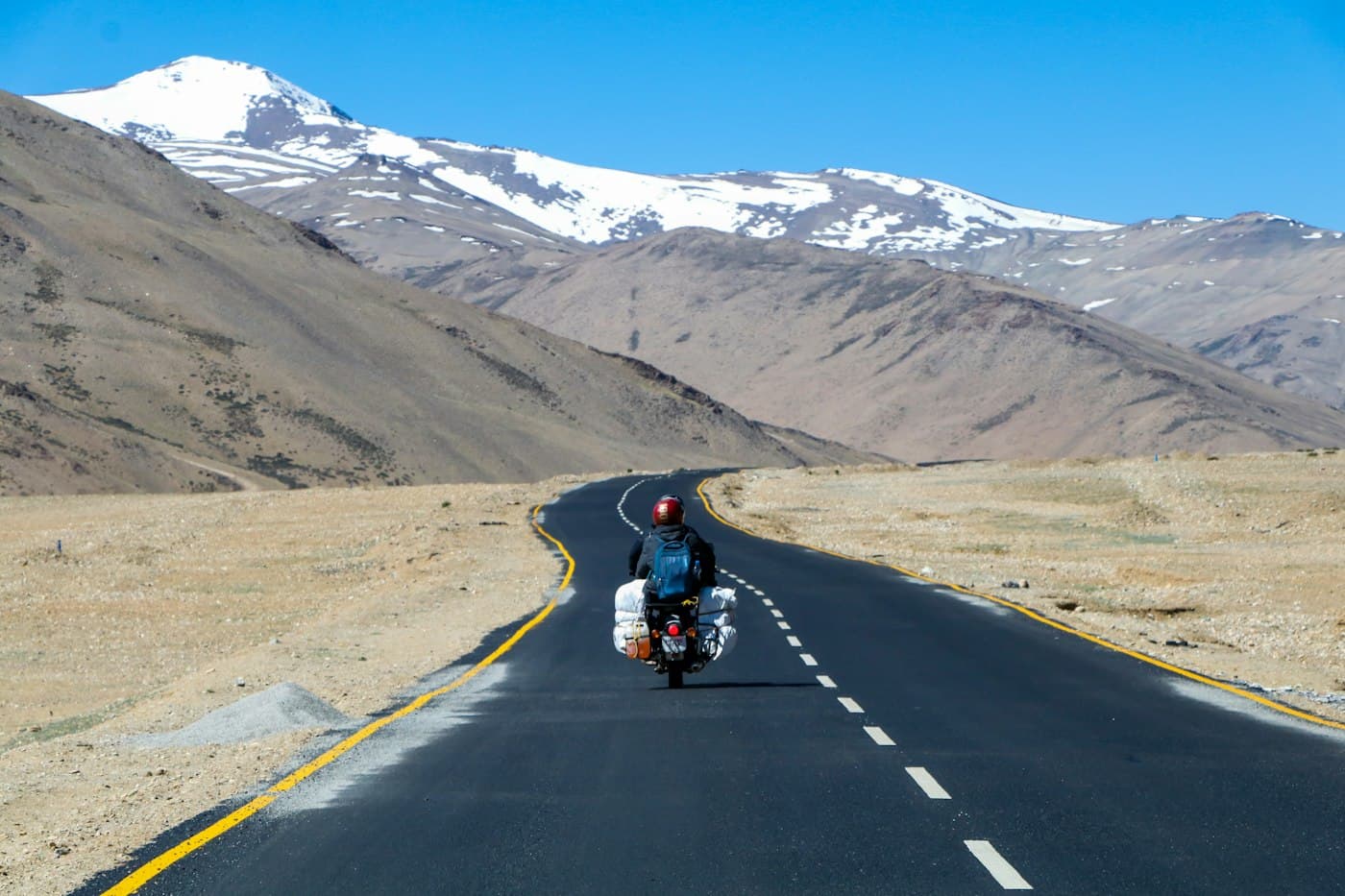
Himalaya & Mountains
Ladakh road trip: Leh and the high passes
Private tour
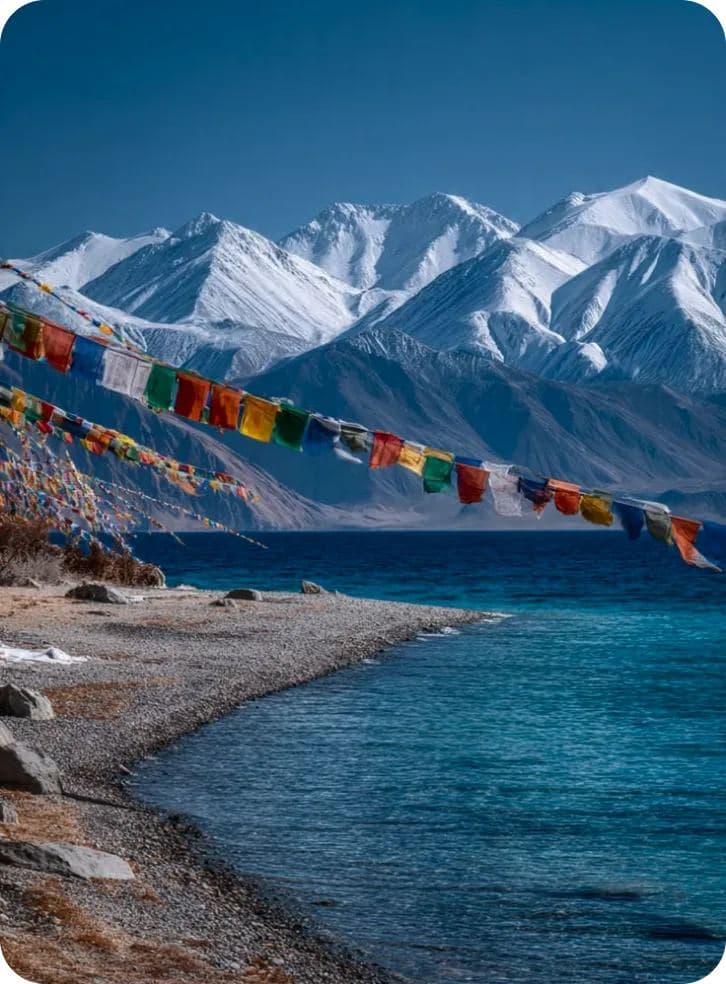
Himalaya & Mountains
Leh, Nubra Valley and Pangong Lake circuit
Private tour
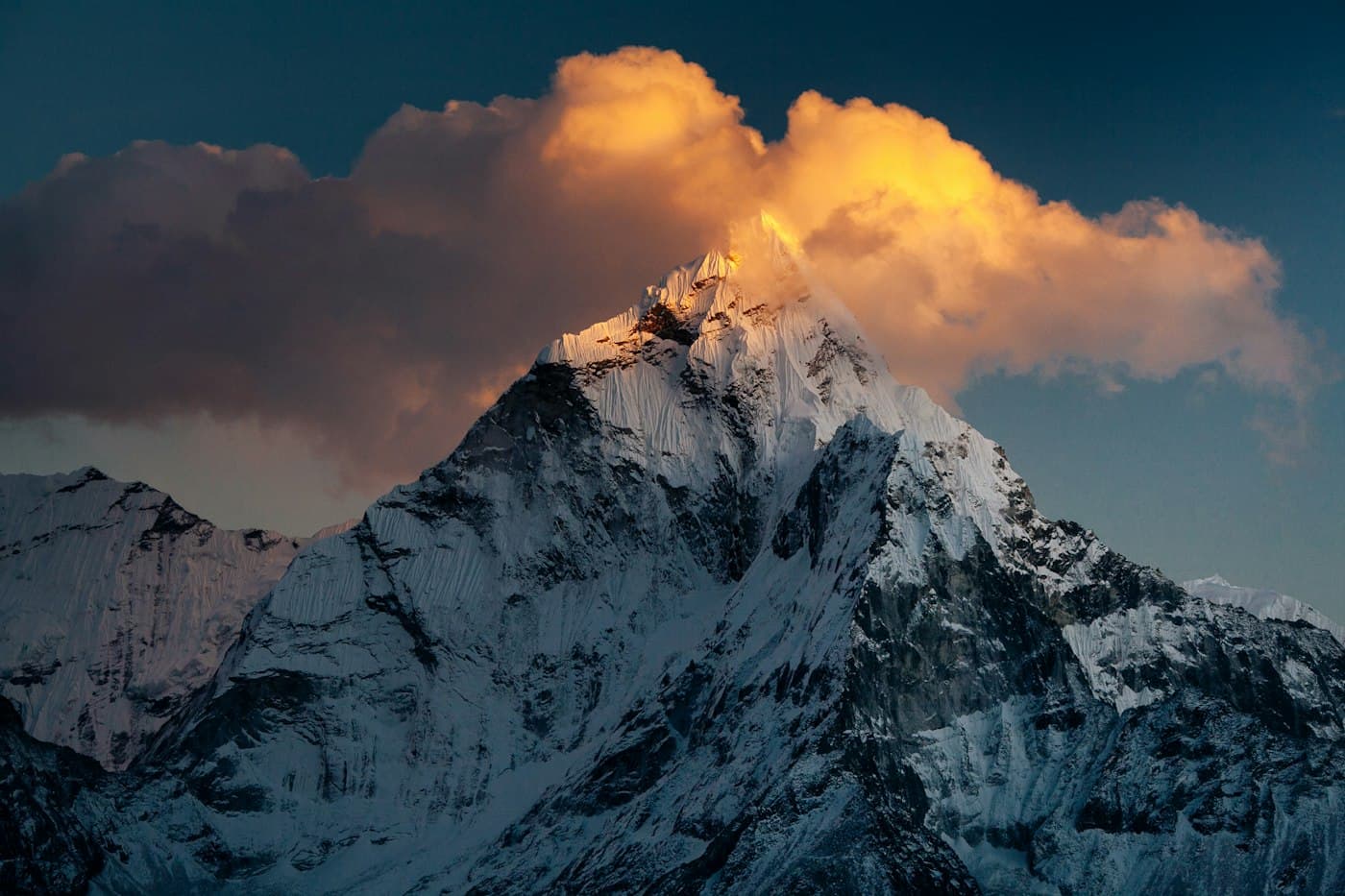
Himalaya & Mountains
Manali–Leh highway: the classic high-altitude drive
Private tour
Why book with Experience My India
Government-approved operator
Approved by the Ministry of Tourism, Government of India
500+ vetted local guides
35+ destination specialists plan every trip by hand.
Human help, every day
Mon–Sun, 9:00 AM – 9:00 PM IST · +91 73022 65809
No payment until you approve
You receive a written quote first; nothing is charged to start planning.
Browse by theme






Plan a trip
Tailor-made quote from a specialist