
Himalaya and mountain experiences in India
India's Himalaya covers three quite different trips: Ladakh's high-altitude desert of passes, monasteries and lakes; Kashmir's greener, lower-altitude valleys around Dal Lake and Gulmarg; and the more accessible Uttarakhand and Darjeeling hills further east.
- 8
- experiences
- Private, tailor-made
- Ministry of Tourism approved
Showing 9 results
Ladakh
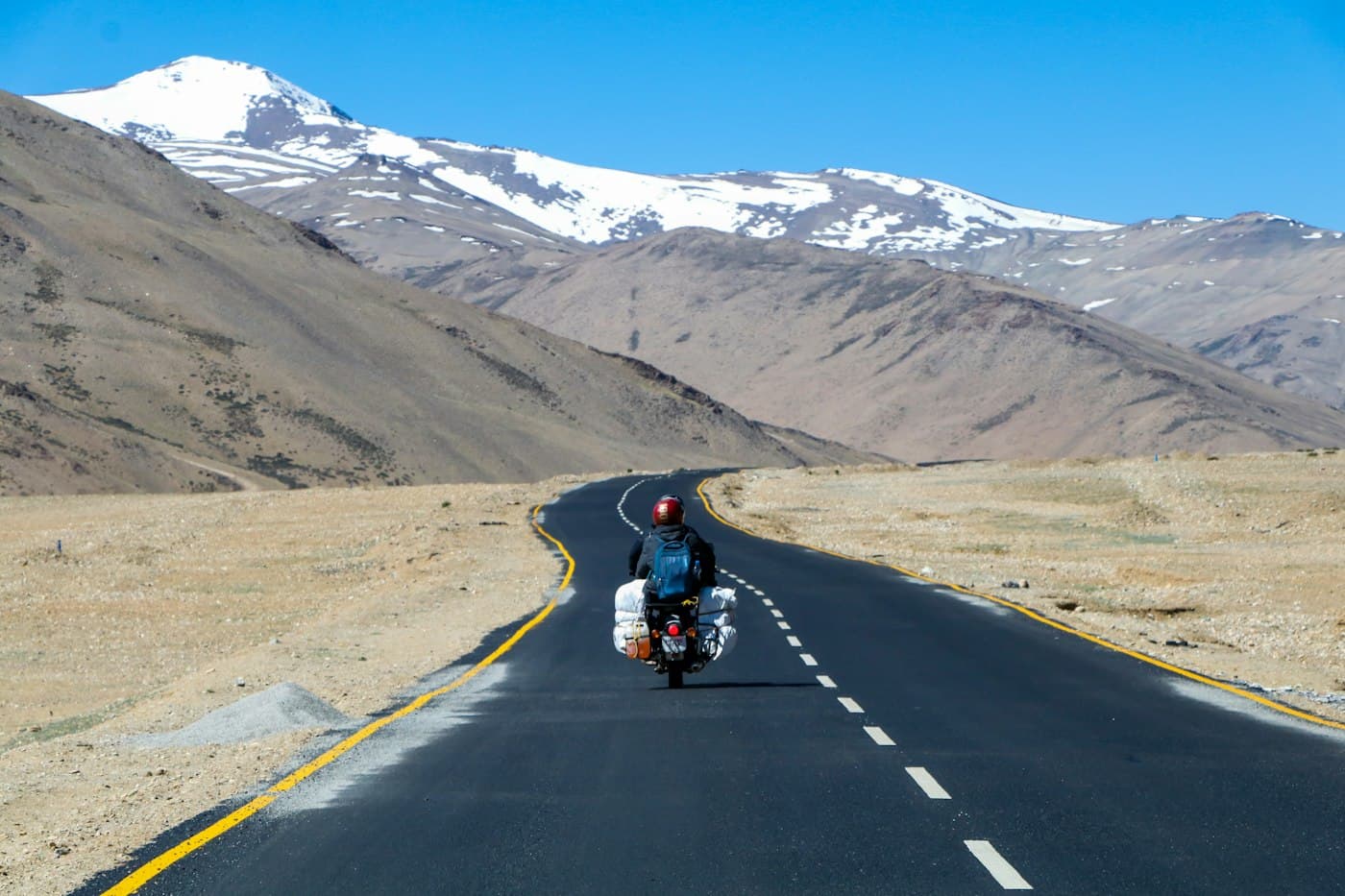
Ladakh road trip: Leh and the high passes
cancellation
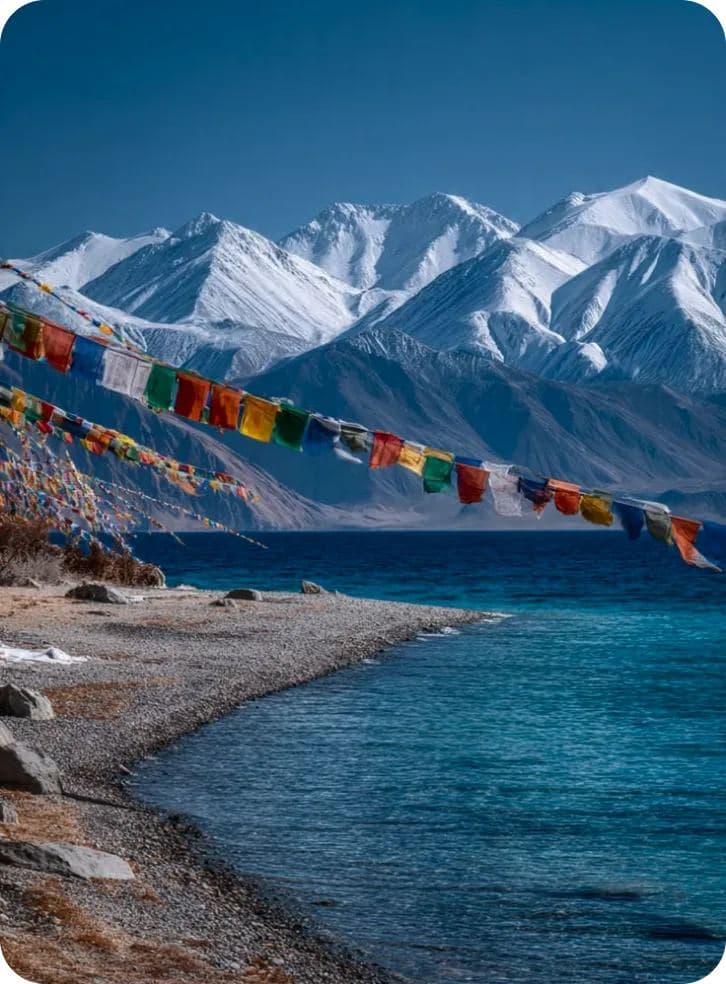
Leh, Nubra Valley and Pangong Lake circuit
cancellation
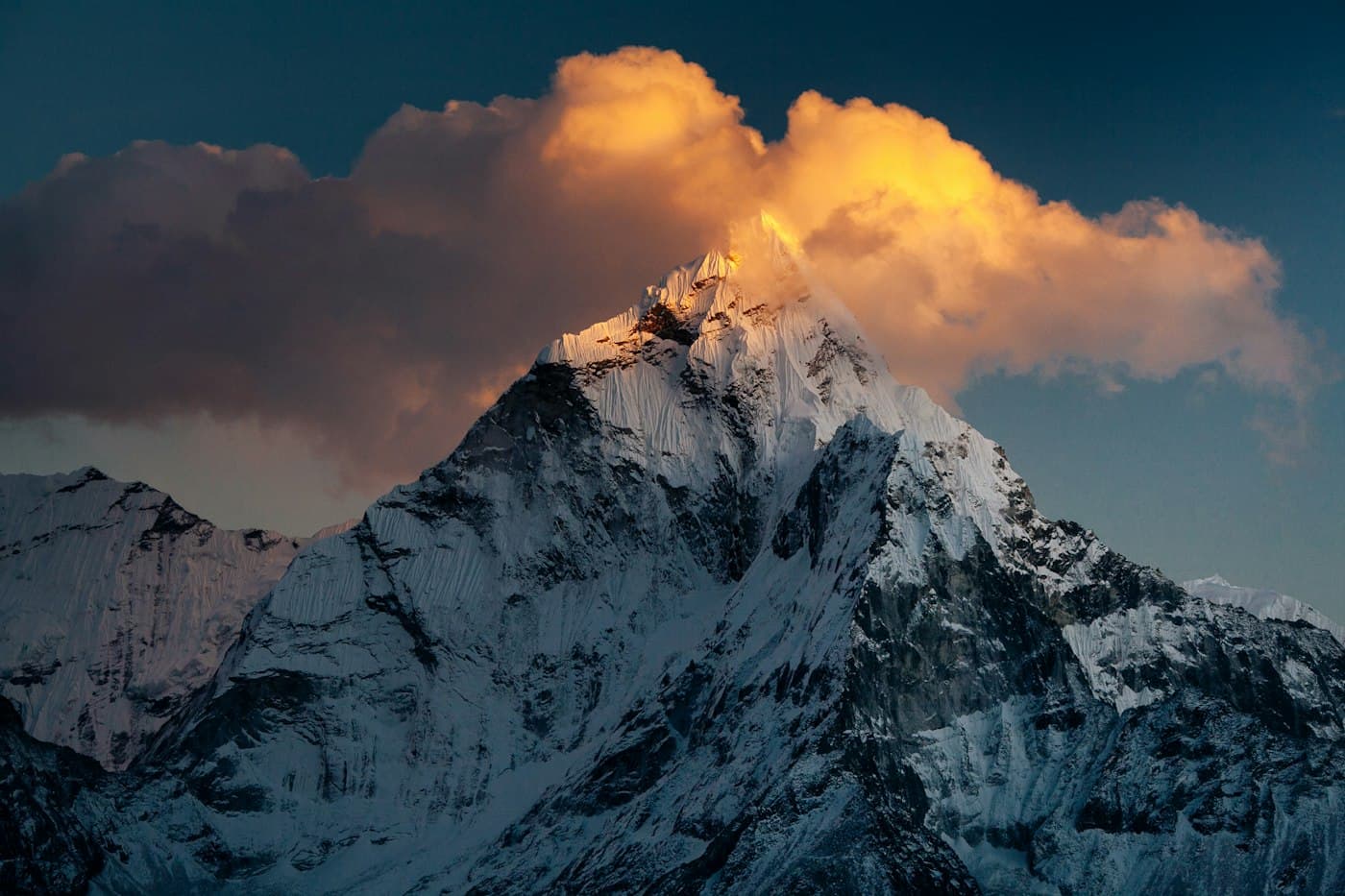
Manali–Leh highway: the classic high-altitude drive
cancellation
Treks & Expeditions
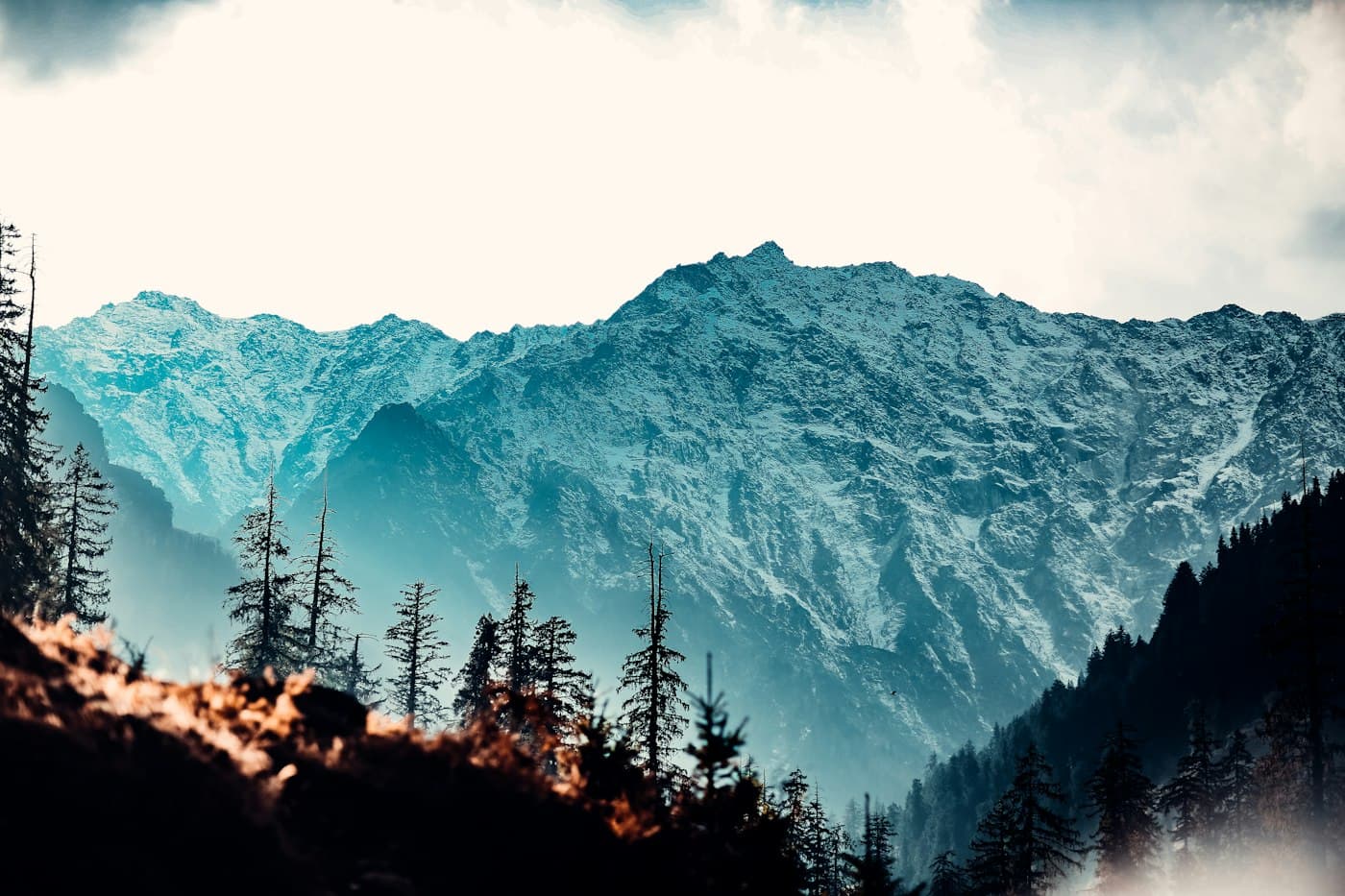
Spiti Valley: the cold-desert Himalaya of Himachal Pradesh
cancellation
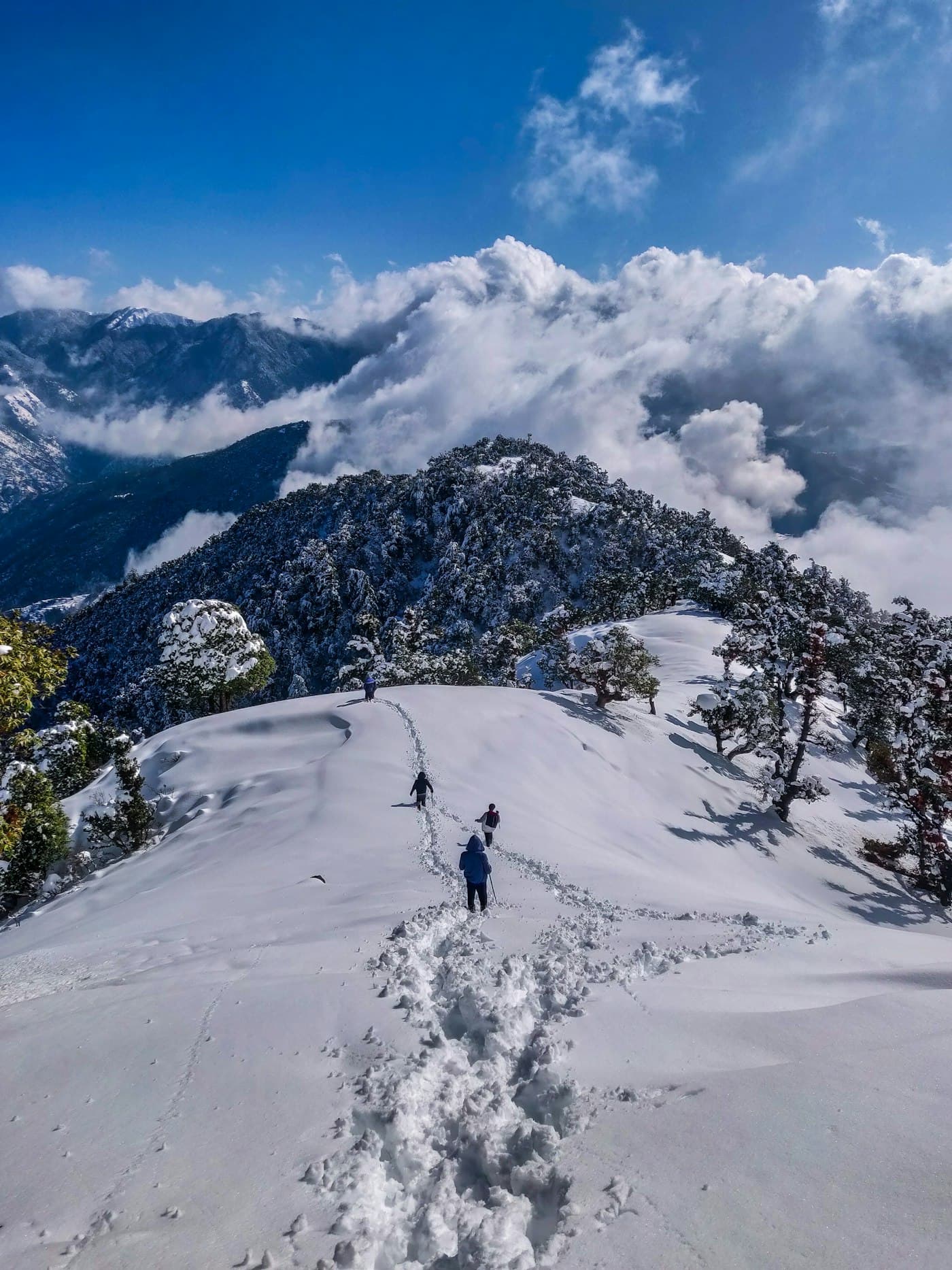
Valley of Flowers trek, Uttarakhand
cancellation
Kashmir
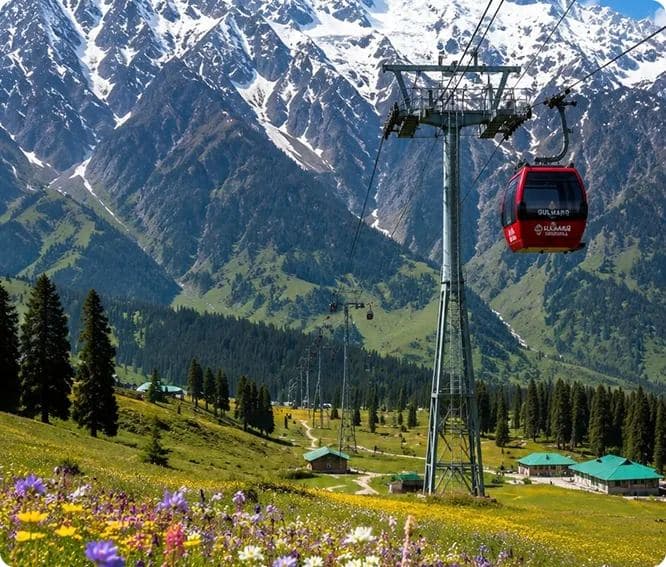
Gulmarg gondola and skiing
cancellation
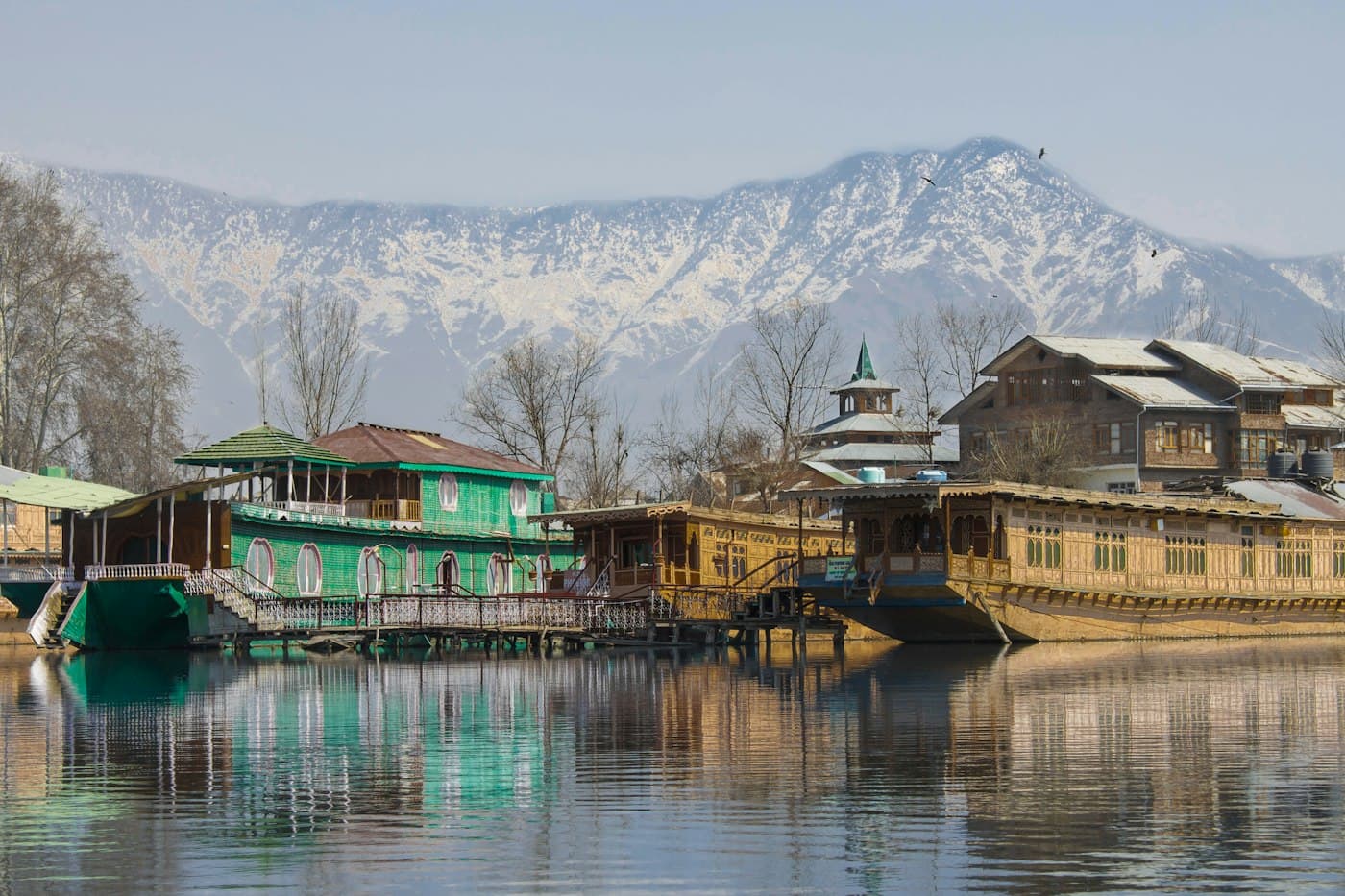
Kashmir shikara ride and houseboat stay
cancellation
Toy Trains & Guides
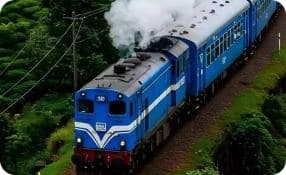
Darjeeling toy train: the Darjeeling Himalayan Railway
cancellation
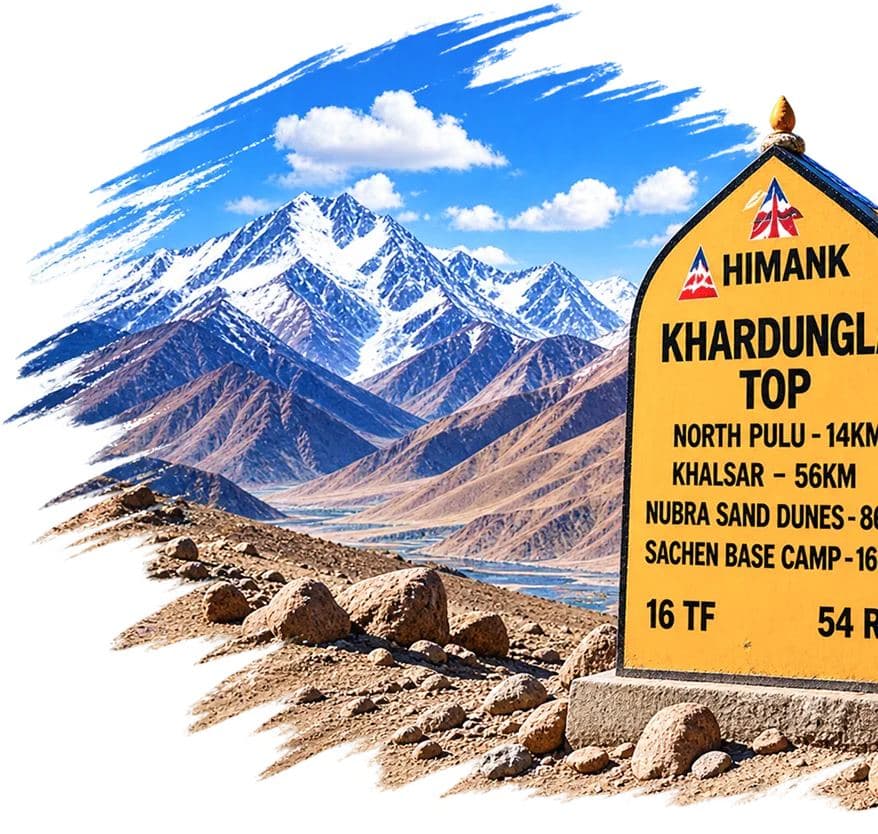
Travel guideHimalaya & Mountains
Altitude sickness: a traveller's guide to Ladakh and the high Himalaya
Acute mountain sickness (AMS) is a real risk anywhere above about 2,500m, and Ladakh in particular carries higher risk because Leh itself sits at about 3,500m, so a flight into Leh takes you from near sea level to high altitude in a couple of hours. The rule that matters most is a full rest day on arrival before ascending further, whichever way you get there, along with hydration, caution with alcohol, and knowing the warning signs that mean you should descend.
Not sure which to pick? Plan it with a specialist.
Tell us your dates and pace. You receive a written itinerary and quote first; nothing is charged to start planning.
Other categories
Frequently asked questions
Which Himalayan trip needs the least acclimatisation?
Kashmir's Gulmarg gondola-and-skiing trip and the Dal Lake shikara-and-houseboat stay both sit at a gentle altitude and need no acclimatisation days. Anything based in or around Leh, including the Ladakh road trip, the Leh-Nubra-Pangong circuit, the Manali-Leh highway drive and Spiti Valley, involves genuine altitude and a mandatory rest day.
Do I need permits for any of these trips?
Yes, for Ladakh's restricted areas — Nubra Valley, Pangong Tso, Tso Moriri and Hanle need a permit, arranged through a registered operator. Kashmir, Spiti's more accessible villages, the Valley of Flowers (which requires a standard park entry permit) and Darjeeling do not carry the same restricted-area permit system, though we confirm current requirements for every trip.
When are the high mountain passes open?
Broadly May to September for Ladakh's passes and the Manali-Leh and Srinagar-Leh highways, and roughly the same window for Spiti's Kunzum La route. Outside these months, snow closes the roads; always confirm current status before travelling, since mountain weather can close a pass even in season.
Which of these is the most physically demanding?
The Valley of Flowers trek is the one genuine walking trip here, covering several kilometres on foot each day over a number of days. The rest — the Ladakh and Manali-Leh road trips, Spiti, Gulmarg and the Kashmir houseboat stay — are demanding on altitude or on a long day's drive rather than on fitness.
Can I combine Ladakh and Kashmir in one trip?
Yes. The Srinagar-Kargil-Leh drive is one of India's great overland routes, open roughly June to early October, and pairs the Kashmir valley with the Ladakh high desert. It needs extra days for the road itself and for acclimatisation once you reach Ladakh's altitude.
What is the single most important thing to plan around?
Altitude, for anything touching Ladakh or Spiti. The itinerary itself is the safety measure: build in the rest days, ascend gradually, and do not compress the schedule to save a day. For Kashmir, the equivalent is checking current government travel advice; for the Valley of Flowers, it is the narrow seasonal window.
About Himalaya and mountain experiences in India
India's Himalaya covers three quite different trips: Ladakh's high-altitude desert of passes, monasteries and lakes; Kashmir's greener, lower-altitude valleys around Dal Lake and Gulmarg; and the more accessible Uttarakhand and Darjeeling hills further east. Which one suits you turns on how much altitude and acclimatisation time you can give the trip, which months the high passes are open, and whether permits apply. Experience My India builds each of these as an altitude-first itinerary, with permits handled where they matter.
How India's mountain experiences differ
Ladakh is a Union Territory in its own right, a high-altitude Buddhist desert on the far side of the Himalaya where Leh, the base for every trip, sits at about 3,500m and the famous sights — Khardung La, Pangong Tso, the passes — are higher still. Kashmir, by contrast, is a lower, greener Himalayan valley: Srinagar's Dal Lake sits at a gentle altitude, and the region has genuine year-round appeal, from spring tulips to winter skiing at Gulmarg. Further east, Uttarakhand's Valley of Flowers and West Bengal's Darjeeling hills are lower-altitude, shorter-season-in-a-different-way trips built around a monsoon trekking window and a hill-station railway respectively, rather than the acclimatisation demands of Ladakh or the seasonal road-opening calendar of the high passes.
Because the demands are so different, the right first question is not 'which is the most beautiful' — most of them are — but 'what can this trip ask of me, and when can it actually run'.
The criteria that matter
- Altitude and acclimatisation daysLeh sits at about 3,500m and Ladakh's classic sights go higher; a mandatory rest day on arrival is non-negotiable, whichever trip you build. Kashmir's main circuits sit much lower and need no acclimatisation.
- Road-opening season for high passesLadakh's overland routes and the Srinagar-Ladakh and Manali-Ladakh highways are summer-only, closed by snow for the rest of the year; Kashmir's Sonmarg-Ladakh road follows the same window. Confirm current road status before you travel.
- Permits for restricted areasLadakh's Nubra Valley, Pangong Tso, Tso Moriri and Hanle require a permit (a Protected Area Permit for foreign visitors, an Inner Line Permit or fee for Indian travellers), arranged through a registered operator. Kashmir and the eastern Himalaya trips here do not carry the same permit requirement.
- Physical demanda road trip through Ladakh or a shikara-and-houseboat stay in Kashmir asks little beyond coping with altitude or a long day's drive; the Valley of Flowers is a genuine trek on foot, and needs a reasonable level of fitness.
How to choose
If you want the classic high-altitude Ladakh experience with the fewest moving parts, the Ladakh road trip out of Leh is the place to start. If dunes, Bactrian camels and the iconic blue of Pangong Tso matter more than efficiency, build in the extra days for the Leh-Nubra-Pangong circuit. Travellers who want the drive itself as the destination should look at the Manali-Leh highway, one of the great high-altitude road journeys, or Spiti Valley's cold-desert monasteries reached via Shimla-Kinnaur or the Manali-Kunzum La route depending on season.
For a gentler, non-technical trip, Kashmir's Gulmarg gondola and skiing, or a shikara and houseboat stay on Dal Lake, need no acclimatisation and run across most of the year. Keen walkers with a window in the monsoon-to-early-autumn months should look at Uttarakhand's Valley of Flowers trek, and anyone building a wider East India or hill-station trip can add the Darjeeling toy train for the Himalayan views without any of the altitude planning the western trips need.
| Compare | Ladakh Road Trip | Leh–Nubra–Pangong Circuit | Gulmarg | Kashmir Shikara & Houseboat Stay |
|---|---|---|---|---|
| Best season | May to September | June to September (sweet spot) | Dec–Feb for skiing; Apr–Oct for gondola and meadows | April to October (green season); winter possible |
| Altitude demand | High — Leh at about 3,500m, passes higher | High — crosses Khardung La to reach both | Moderate — the gondola gains height for you | Low — Dal Lake sits at a gentle altitude |
| Ideal trip length | 5–7 days | 6–8 days | 1–2 days, as part of a wider Kashmir trip | 2–3 nights |
| Who it suits | First-time Ladakh visitors who want the classic Leh-based trip | Travellers who want the dunes, camels and lake beyond Leh itself | Skiers, families, and non-trekkers who want high views without exertion | First-time Kashmir visitors, honeymooners, and non-trekkers |
Ladakh's short season, Kashmir's year-round appeal, and the eastern Himalaya
Ladakh's travel season is genuinely short: the high passes and overland routes open from around May and start closing again from October, with November to March bitterly cold and largely cut off, the preserve of hardy travellers and the frozen-river Chadar trek. Kashmir, by contrast, works across most of the year — a green season from April to October (tulips in early April, meadows in June and July, autumn colour by mid-October) and a snow season from December to February when Gulmarg becomes one of India's few ski destinations. Kashmir is also a sensitive region and government travel advice varies and changes, so check your own government's current guidance and your travel insurance policy before booking.
Further east, Uttarakhand's Valley of Flowers opens only in a monsoon-to-early-autumn window each year (the exact opening and closing dates are set by the forest department annually), and Darjeeling's toy train railway runs across most of the year but is subject to monsoon disruption on the hill roads and tracks. Neither carries Ladakh's altitude risk or its permit requirements.
Why book with Experience My India
Government-approved operator
Approved by the Ministry of Tourism, Government of India
500+ vetted local guides
35+ destination specialists plan every trip by hand.
Human help, every day
Mon–Sun, 9:00 AM – 9:00 PM IST · +91 73022 65809
No payment until you approve
You receive a written quote first; nothing is charged to start planning.
Plan a trip
Tailor-made quote from a specialist