
Fatehpur Sikri day trip
- Private tour
- Private guide and vehicle
- Reply within four hours, 9am-9pm IST
- No payment to start planning
- The site has very little shade, so October to March is far more comfortable than the summer months.
- Fatehpur Sikri was built as Akbar's capital in the late 16th century and abandoned within years, reportedly over water shortage, though historians still debate the exact reason.
What’s included
- Private, government-approved guide for the site
- Private vehicle, easily combined with Agra or your onward drive to Jaipur
- Help booking entry tickets in advance
- Context on the palace buildings, which have little on-site signage
What’s not included
- The entry ticket
- Confirmed on your quote
- Combined Taj Mahal or Agra Fort tickets if added the same day
- Personal expenses
Cancellation terms are confirmed with your written quote
- No payment is taken until you approve the itinerary.
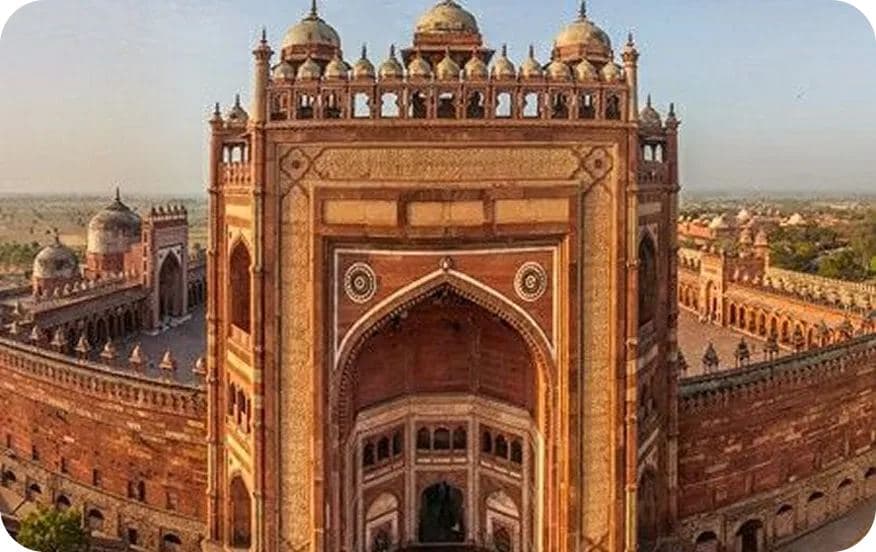
The Buland Darwaza
Reached up a flight of stairs from the courtyard, this monumental gateway was built to mark a military victory and is the site's grandest single structure.
The Jama Masjid
Inside the same courtyard, this large mosque holds the actual reason many people come: the tomb described next.
Salim Chishti's tomb
A pure white marble tomb with intricately carved lattice screens. Visitors still tie coloured threads to the lattice as a wish, a tradition that has long outgrown any one faith.
The palace complex
Beyond the mosque, the abandoned palace buildings, courtyards and the five-storey Panch Mahal are worth an hour with a guide who can explain what each space was actually for, since little signage survives on site.
Fatehpur Sikri was built as Akbar's capital in the late 16th century and abandoned within years, reportedly over water shortage, though historians still debate the exact reason. It has stood largely undisturbed since, about 40 kilometres from Agra on the road towards Jaipur, which is why it combines so easily with a Taj Mahal or Agra Fort day, or as a stop on the way to Rajasthan.
What you see
The Buland Darwaza, reached up a flight of stairs, is a monumental gateway built to mark a military victory and is the site's grandest single structure. Inside the same courtyard, the Jama Masjid holds the actual reason many people come: the tomb of Salim Chishti, a pure white marble structure with intricately carved lattice screens, built for the Sufi saint whose blessing Akbar credited with the birth of his son. Visitors still tie coloured threads to the lattice as a wish, a tradition that has long outgrown any one faith. Beyond the mosque, the abandoned palace buildings, courtyards and the five-storey Panch Mahal round out the site.
- Modest dress matters here more than at most Mughal monuments, since the Jama Masjid and Salim Chishti's tomb are active places of worship, not only historic sites; cover shoulders and knees and be ready to remove your shoes at the mosque courtyard. Touts and unofficial guides operate here as they do at the Taj and Agra Fort, so book a guide in advance rather than at the gate.
- The site has very little shade, so October to March is far more comfortable than the summer months.
How far is Fatehpur Sikri from Agra?
About 40 kilometres, roughly on the road towards Jaipur, which is why it combines so easily with a Taj Mahal or Agra Fort day, or as a stop on the way to Rajasthan.
Why was Fatehpur Sikri abandoned?
It was built as Akbar's capital in the late 16th century and abandoned within years, reportedly over water shortage, though historians still debate the exact reason. It has stood largely undisturbed since, which is why it survives so intact.
What is the significance of Salim Chishti's tomb?
It's the white marble tomb of the Sufi saint Salim Chishti, inside the Jama Masjid courtyard, built after Akbar credited the saint's blessing with the birth of his son. Visitors of all backgrounds still tie coloured threads to its carved marble lattice as a wish.
Do I need to dress modestly at Fatehpur Sikri?
Yes, more so than at most Mughal sites, since the Jama Masjid and the tomb are active places of worship. Cover shoulders and knees and be ready to remove your shoes at the mosque courtyard.
How long does Fatehpur Sikri take to visit?
Two to three hours with a guide covers the Buland Darwaza, the mosque and tomb, and the palace complex properly. It works well as half a day added to an Agra or Jaipur-bound itinerary.
Reviews
- 5 stars3
- 4 stars2
- 3 stars1
- 2 stars0
- 1 stars0
What our guests say
Elena F
Friends · Verified trip
4/51 week agoExcellent guide and a well-paced day. My only note is that lunch was at a fairly touristy restaurant; food was fine but we would have preferred somewhere more local. Otherwise faultless.
via Google
Fatima Z
Solo · Verified trip
4/51 month agoVery good overall. The itinerary was tight but never felt rushed, and the driver was superb. The hotel on night two was a step down from the others — clean, but the Wi-Fi barely worked. Would still recommend.
via Google
Rohan V
Friends · Verified trip
5/52 months agoLoved every minute. The guide was warm and well informed, the sunrise was unforgettable, and the tea afterwards at a little roadside stall was as good as any hotel breakfast.
via Google
Tom R
Group · Verified trip
3/53 months agovia Tripadvisor
Request a quote
Why book with Experience My India
Government-approved operator
Approved by the Ministry of Tourism, Government of India
500+ vetted local guides
35+ destination specialists plan every trip by hand.
Human help, every day
Mon–Sun, 9:00 AM – 9:00 PM IST · +91 73022 65809
No payment until you approve
You receive a written quote first; nothing is charged to start planning.
Similar experiences
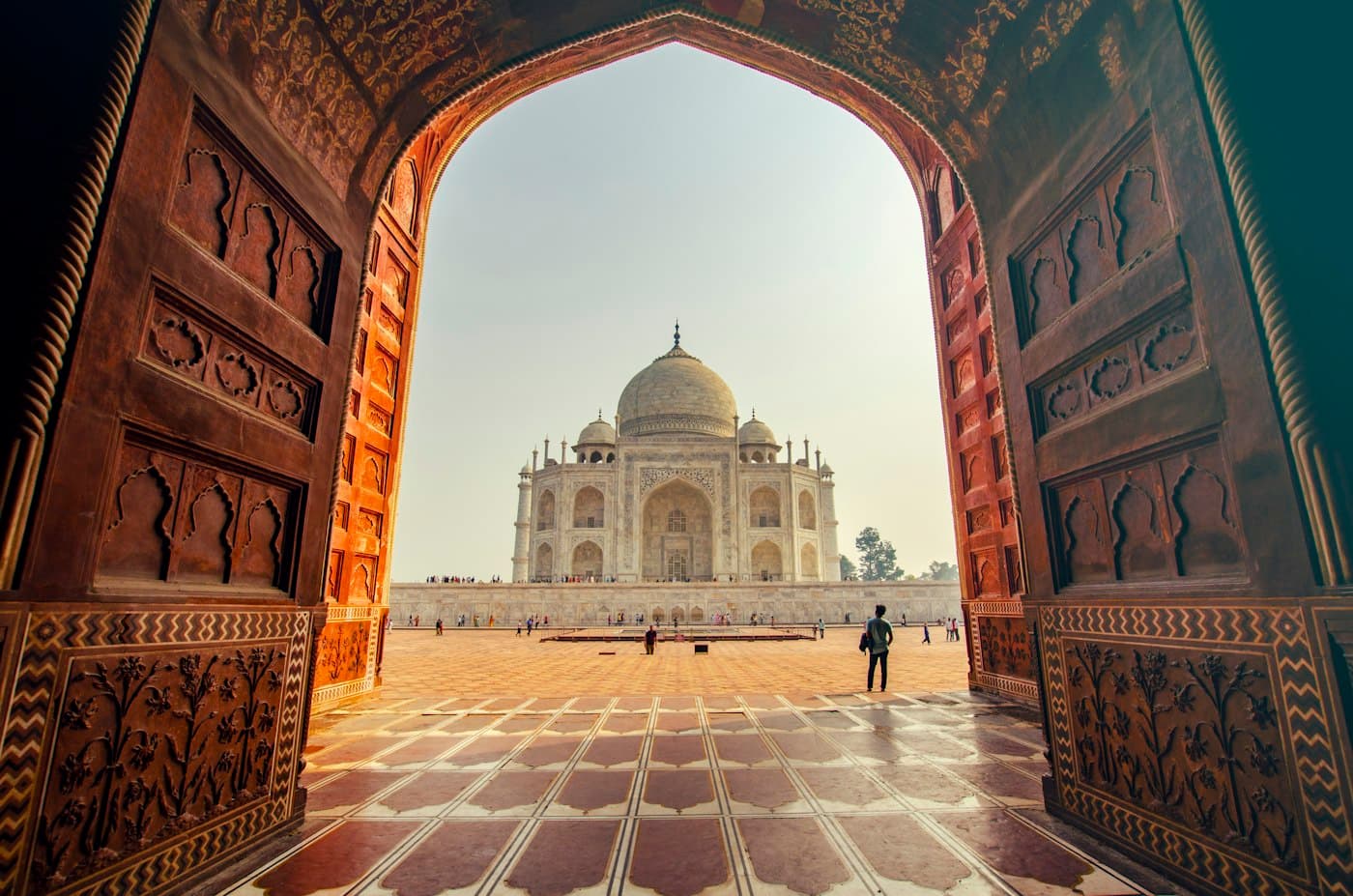
Heritage & Forts
Taj Mahal sunrise tour
Private tour
Heritage & Forts
Golden Triangle tour: Delhi, Agra and Jaipur
Private tour
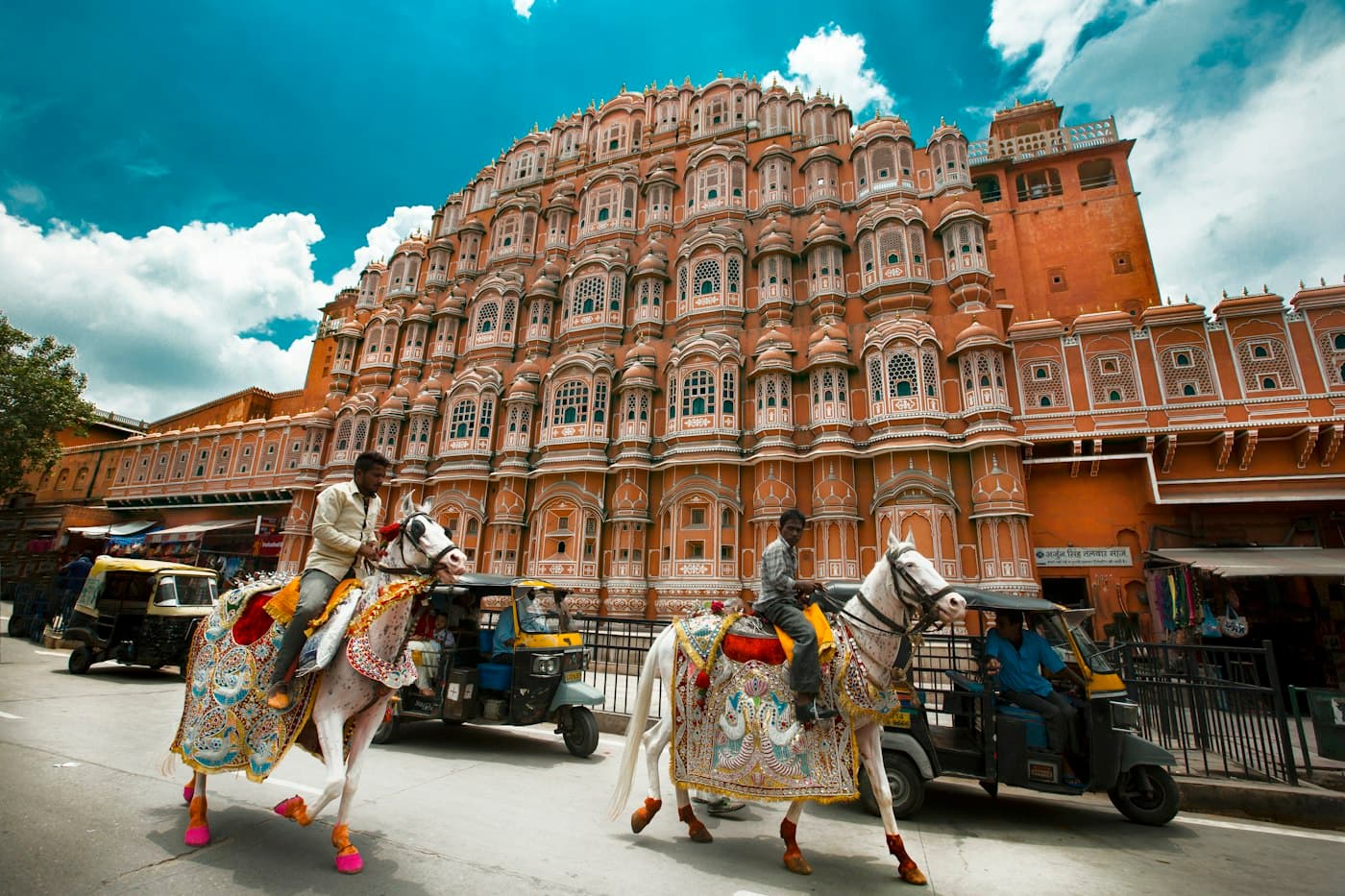
Heritage & Forts
Jaipur city tour
Private tour
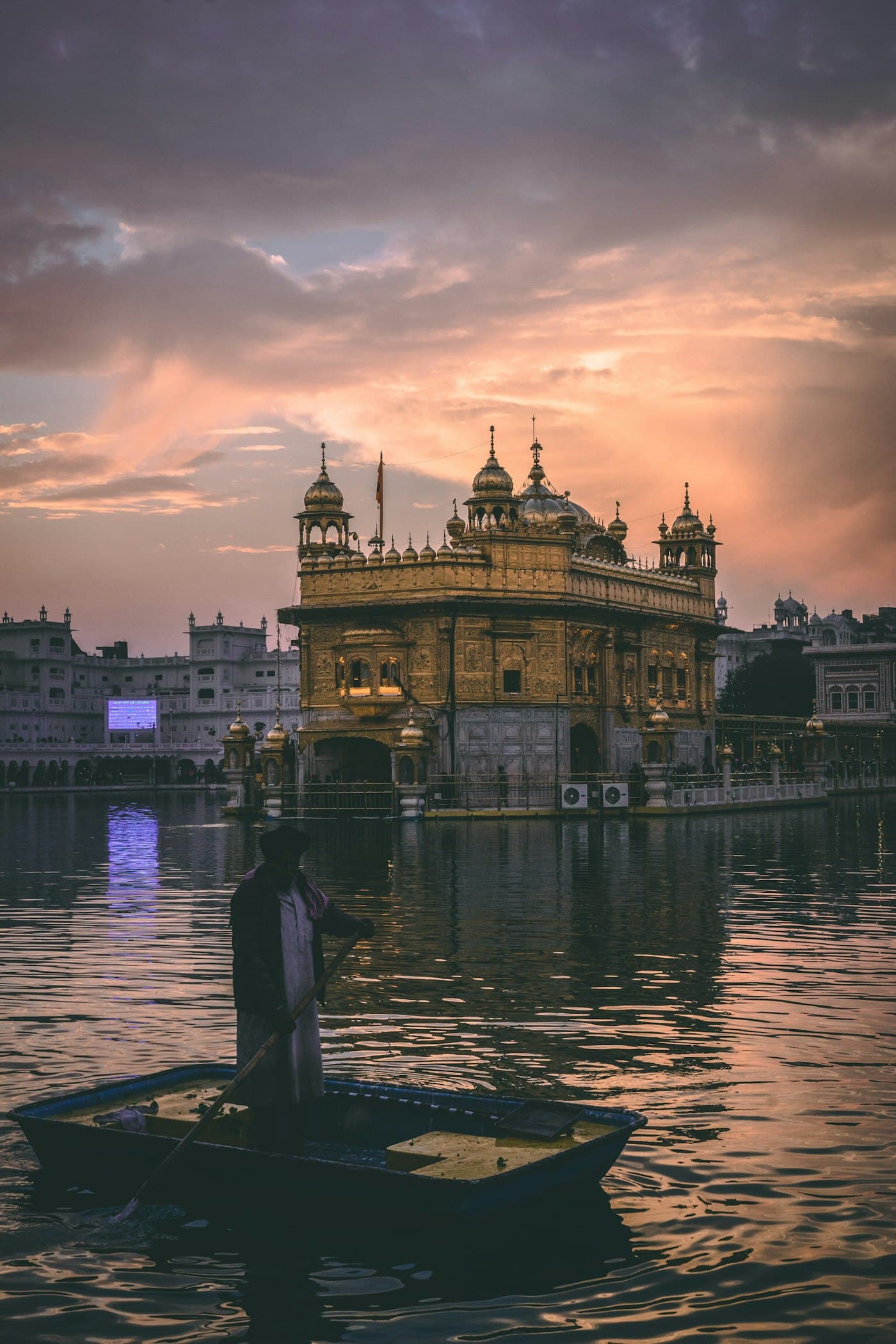








Price on request
Tailor-made quote from a specialist