
There is a moment that many wildlife travelers remember long after the trip ends. It usually happens very quietly. The jeep engine stops, the forest becomes still, and everyone in the vehicle suddenly whispers. Somewhere ahead, something moves in the grass.
India has a strange way of creating those moments.
But here’s the thing many first-time visitors don’t realize: the best time to visit India for wildlife safari is not the same for every traveler, every park, or every animal. Timing changes everything. A forest in January feels completely different from the same forest in May.
So if you are wondering about the best season for wildlife safari in India, the answer is not just a single month. It depends on weather, animal movement, and even the way forests behave during different seasons.
Let’s talk about it in a simple, practical way.
Understanding Wildlife Safari Seasons in India
India’s wildlife calendar mostly revolves around three main seasons. Each one offers a slightly different experience in national parks.
At first glance, people often assume winter is always the best. However, experienced safari travelers know that India wildlife safari best months actually depend on what kind of wildlife experience you want.
Some visitors want comfortable weather. Others want the highest chance of spotting a tiger.
And those two things don’t always happen at the same time.
Winter Safari Season (October to February)
For many travelers, winter feels like the most comfortable time to explore forests.
During this period, temperatures stay pleasant across most safari destinations. Morning safaris are cool, sometimes even foggy, and afternoons feel comfortable rather than exhausting.
Because of this, winter is often considered a popular national park safari season in India.
Still, there’s something interesting about winter that people rarely talk about.
Animals can actually become harder to spot.
That’s because forests are greener after the monsoon. Grass grows taller. Water sources remain scattered across the forest, so animals don’t always need to come to visible areas.
Yet winter safaris offer something else instead — a richer forest atmosphere.
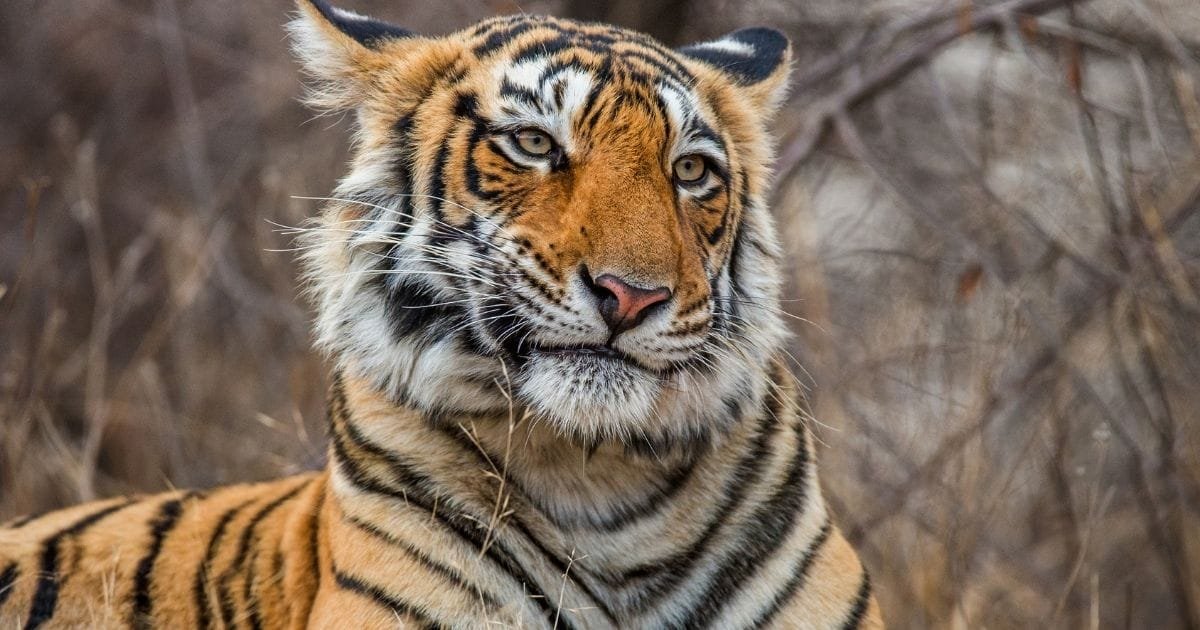
You might hear more bird calls. You may notice deer grazing quietly in open meadows. And sometimes, if luck is on your side, you’ll see a tiger walking slowly through misty grass.
Why Winter Safaris Are Popular
- Comfortable weather for long safaris
- Pleasant mornings and evenings
- Good time for bird watching
- Ideal for family travelers
However, patience matters. Wildlife sightings can still be unpredictable.
Summer Safari Season (March to June)
Now this is where things start getting interesting.
Many experienced wildlife photographers quietly agree that summer can actually be the best time to visit India for wildlife safari, even though temperatures rise sharply.
It sounds strange at first.
Why would someone choose to explore forests when temperatures climb above 35°C?
But the reason becomes clear once you enter the jungle.
Water sources begin shrinking.
Animals gradually start gathering around rivers, ponds, and waterholes. Because of this, sightings become much more frequent.
This is exactly why India wildlife safari best months for tiger sightings are often April and May.
It’s not comfortable. Dust rises behind safari vehicles. The air feels dry. But wildlife activity becomes incredibly visible.
And suddenly, that uncomfortable heat starts feeling worth it.
Why Summer Is Excellent for Wildlife Sightings
- Animals gather near water sources
- Higher chances of spotting big cats
- Clear forest visibility as vegetation dries
- Fewer tourists compared to winter
Many regular safari travelers quietly plan their trips during this period.
Monsoon Season (July to September)
The monsoon months change the forest completely.
Rain begins falling across most wildlife regions in India. Rivers swell, grass grows rapidly, and forests become thick again.
Because of safety and conservation reasons, many national parks close during this period.
So technically, monsoon is not considered the best season for wildlife safari in India.
Still, something magical happens to the forests during these months.
If you visit areas that remain open, you’ll see landscapes transformed by rain. The jungle becomes deeply green. Waterfalls appear suddenly. The air feels fresh and alive.
Wildlife sightings become rare, but the forest itself feels breathtaking.
What Monsoon Safaris Offer
- Beautiful green landscapes
- Fresh jungle atmosphere
- Fewer tourists
- Peaceful nature experience
For wildlife photography though, this season is usually avoided.
National Park Safari Season in India: Park Opening Months
One practical detail many travelers overlook is that national park safari season in India is controlled by official opening and closing dates.
Most major parks follow a similar pattern.
Typical Safari Season Calendar
- October – National parks reopen after monsoon
- November to February – Peak tourist season
- March to June – Best wildlife visibility period
- July to September – Most parks closed due to rain
However, some parks keep certain zones open year-round.
Because of this, travelers often research carefully before planning the best time to visit India for wildlife safari.
What Animals You May See in Different Months
Interestingly, wildlife sightings often follow seasonal behavior.
Animals adapt to weather and water availability. Because of that, sightings change depending on the time of year.
Winter Wildlife Sightings
- Deer herds in open meadows
- Leopard sightings in rocky areas
- Migratory birds in wetland parks
- Occasional tiger movement near water bodies
Summer Wildlife Sightings
- Tigers visiting waterholes
- Leopards resting in shade
- Sloth bears searching for food
- Wild dogs hunting in packs
Summer truly reveals the hidden rhythm of the jungle.
Best National Parks for Wildlife Safari in India
India has more than 100 national parks, but a few are particularly famous among safari travelers.
Each one offers a slightly different wildlife experience.
Ranthambore National Park
- Famous for tiger sightings
- Rocky landscape with ancient ruins
- Best safari months: October to June
Jim Corbett National Park
- India’s oldest national park
- Known for dense forests and river landscapes
- Excellent for birdwatching and elephants
Bandhavgarh National Park
- High tiger density
- Smaller forest area but very active wildlife
- One of the top places for tiger photography
Kanha National Park
- Wide grasslands and sal forests
- Known for barasingha deer
- Beautiful landscape safaris
These parks often appear in discussions about the India wildlife safari best months because they offer consistent sightings.
Quiet Details Most First-Time Safari Travelers Miss
People often focus on animals alone.
But the real charm of wildlife safaris hides in smaller details.
- The early morning forest smell.
- The way langurs suddenly start warning calls.
- The moment when deer stop grazing and stare into the bushes.
Even experienced guides sometimes pause quietly, listening before moving the jeep again.
Those are the moments that slowly teach you how forests communicate.
Wildlife safaris are not only about spotting animals.
They are about learning how the jungle breathes.
Planning Support Partner
Planning a wildlife safari across multiple national parks can sometimes feel confusing, especially when travelers try to match park opening months, weather patterns, and safari bookings together.
This is where Experience My India often helps travelers plan smoother wildlife journeys. Their local travel understanding, safari booking assistance, and park timing guidance make it easier for visitors to choose the right safari season without rushing the experience.
How to Reach Wildlife Safari Destinations in India
Reaching wildlife national parks in India is usually quite convenient because most major parks are connected to nearby cities.
Car
- Many national parks are reachable by road from major cities.
- Private vehicles and taxis operate regularly between cities and wildlife reserves.
- Roads to parks like Ranthambore, Kanha, and Bandhavgarh are well maintained.
Train
- Several safari destinations have railway stations nearby.
- For example, Sawai Madhopur station connects travelers to Ranthambore National Park.
- Train travel is often comfortable and affordable for long-distance travel across India.
Air
- The fastest option is flying to the nearest airport of the national park.
- Airports like Jabalpur, Nagpur, Jaipur, and Dehradun serve major safari regions.
- From the airport, travelers usually continue the journey by car.
Choosing the right travel route often depends on which park you plan to explore.
FAQs – About the Best Time to Visit India for Wildlife Safari
The best time to visit India for wildlife safari usually falls between October and June when most national parks remain open. However, wildlife sightings are often better during the summer months of April and May because animals frequently gather around water sources.
The best season for wildlife safari in India is generally from November to April. During this time, the weather stays comfortable, forests are accessible, and many national parks offer regular jeep and canter safari tours.
For travelers hoping to see a tiger, April and May are often considered the India wildlife safari best months. As temperatures rise, water sources become limited, and animals tend to visit the same watering areas more frequently.
Most national parks follow a seasonal schedule. The typical national park safari season in India runs from October to June. During the monsoon months from July to September, many parks close to protect wildlife habitats and forest roads.
Yes, winter from November to February is a pleasant time for safaris. The weather remains cool and comfortable, making early morning and afternoon safaris enjoyable. However, dense vegetation after monsoon can sometimes make wildlife sightings slightly more difficult.
Summer safaris often provide better wildlife visibility. As natural water sources start drying, animals visit remaining ponds and rivers regularly. This increases the chances of spotting animals, especially big cats like tigers and leopards.
Some of the most popular parks include Ranthambore National Park, Jim Corbett National Park, Bandhavgarh National Park, and Kanha National Park. These parks are known for rich biodiversity and consistent wildlife sightings.
A stay of 3 to 4 days is usually ideal for a wildlife safari experience. Multiple safari drives increase the chances of sightings because wildlife movement changes throughout the day and across different zones of the park.
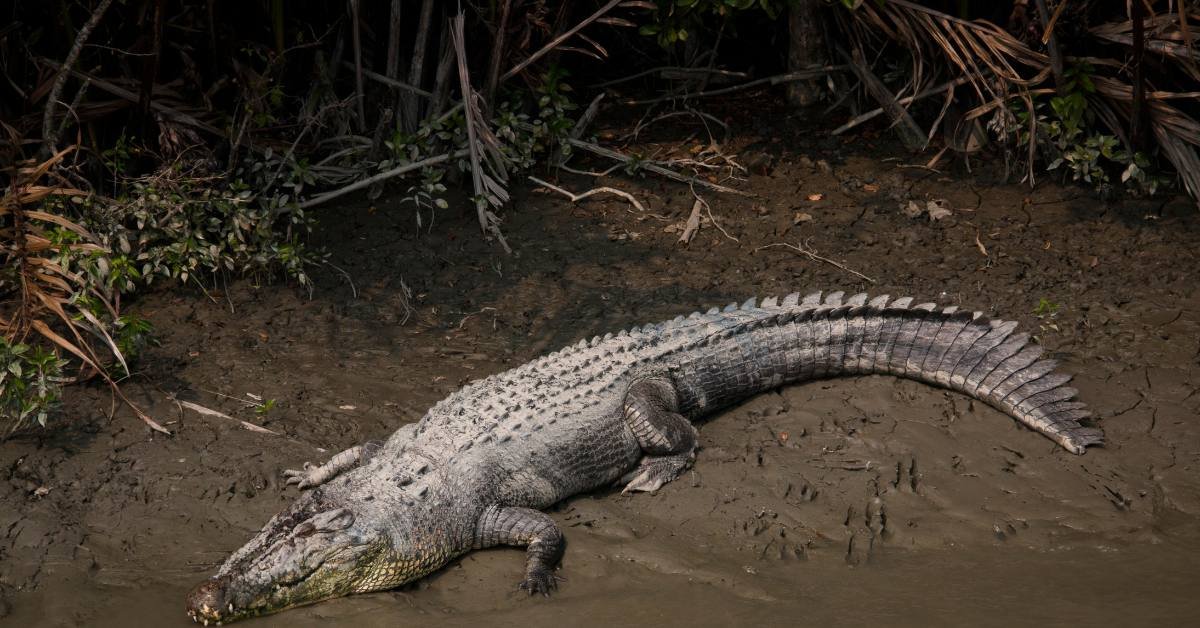
Depending on the national park and season, travelers may see Bengal tigers, leopards, elephants, sloth bears, deer species, wild dogs, crocodiles, and many bird species during safari drives.
Planning a safari involves choosing the right park, selecting the appropriate season, and booking safari permits in advance. Many travelers prefer taking assistance from experienced planners like Experience My India to organize safari permits, travel routes, and park stays smoothly.
Conclusion
Some people visit forests hoping to tick wildlife sightings off a list.
But slowly, something else begins to happen.
You start noticing things that weren’t obvious before — the quiet alertness of deer, the sudden silence of birds, the distant alarm calls echoing through the forest.
And then one day you realize the jungle isn’t just about spotting animals.
It’s about learning how to slow down enough to notice life moving around you.
Contact Experience My India Today:
Call Us:+91 7037550028
WhatsApp Us:+91 7037550028
Visit Our Website: Experience My India
Experience My India trip advisor review