
The first time someone sits inside a safari jeep, something quietly changes. At first, people talk a lot. Cameras come out, questions begin, and everyone keeps scanning the trees hoping to see something dramatic.
But after a while, the forest does something unexpected. It slows people down.
The engine moves gently through dusty jungle roads. A langur jumps across branches somewhere above. A distant bird call echoes through tall sal trees. And suddenly you realize… the forest doesn’t rush to show itself. It reveals things slowly.
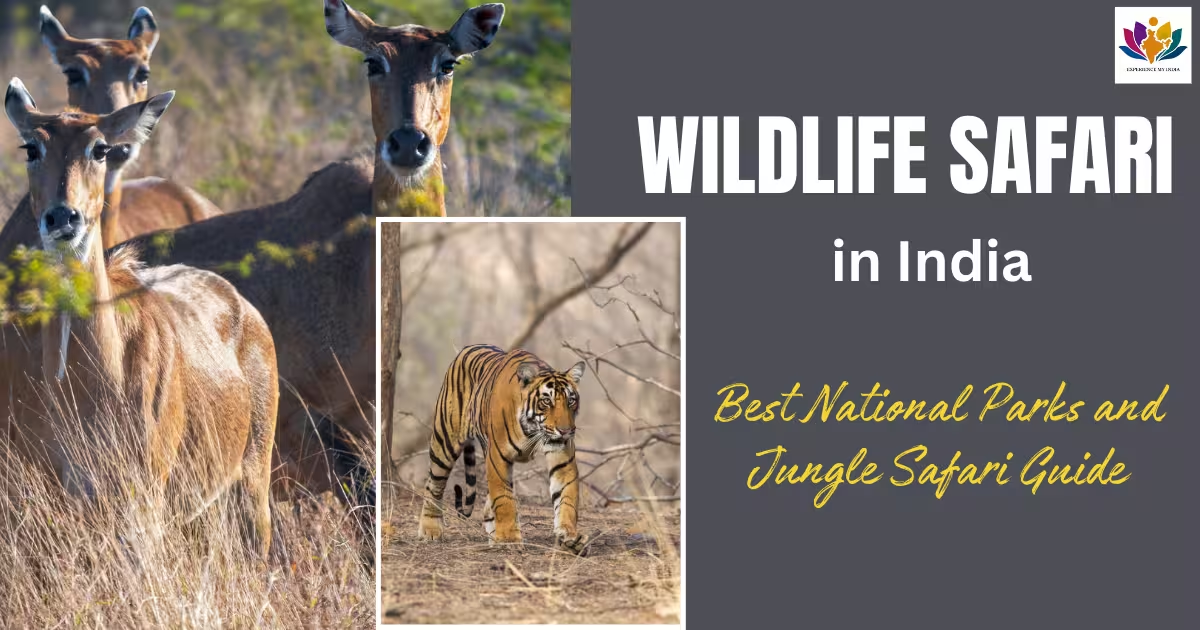
That is exactly what a Wildlife Safari in India feels like. It isn’t only about spotting a tiger or taking photos. It is about stepping into a landscape where nature decides the pace.
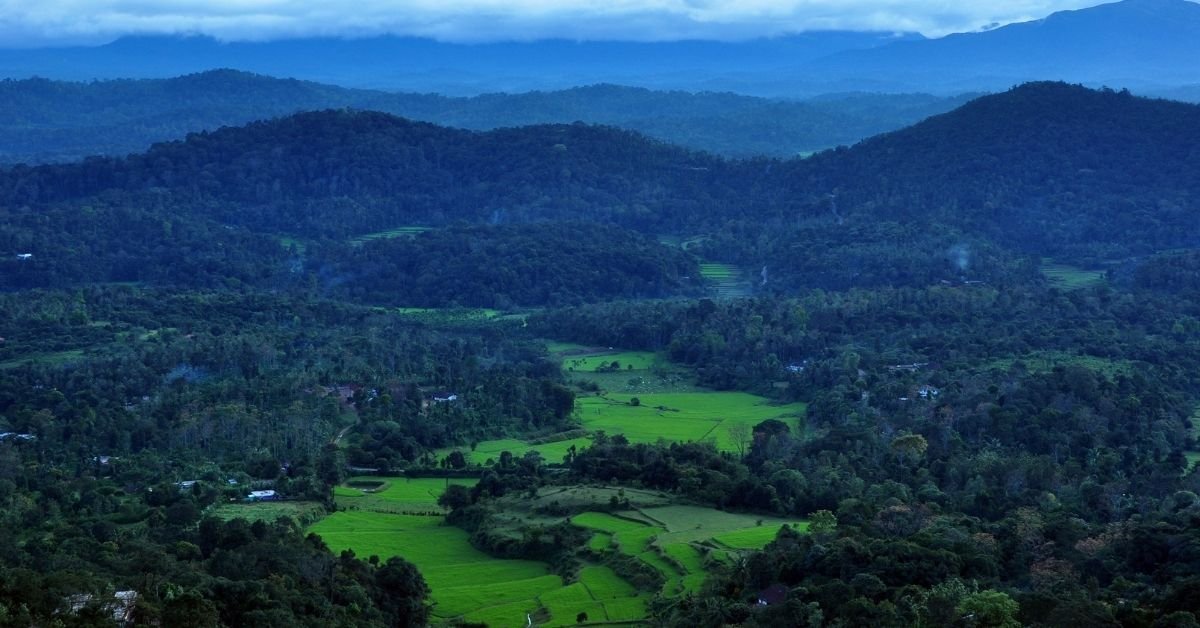
India has some of the richest wildlife habitats in the world. From dense central forests to dry grasslands and river valleys, each region offers a different kind of safari experience. If someone is planning a jungle trip for the first time, understanding where to go and what to expect makes the journey far more meaningful.
Why Wildlife Safaris in India Feel Different from Other Countries
Many countries offer safaris, but the experience in India carries its own character.
For one thing, forests here feel ancient. When a jeep enters a national park, you are moving through landscapes that have existed for centuries. Tribal communities, sacred groves, and hidden temples often exist quietly within these forests.
Another thing worth knowing is that India’s safaris are deeply connected with conservation. Many tiger safari national parks in India were once hunting grounds during royal times. Over the years, they transformed into protected reserves where wildlife could recover.
Because of this protection, India today has one of the largest wild tiger populations in the world.
But here’s the interesting part. Even if you never see a tiger during your safari, the experience still feels complete. The forest itself becomes the attraction.
Best Wildlife Safari Parks in India
India has more than 100 national parks and hundreds of wildlife sanctuaries. However, a few places have become especially famous for jungle safaris.
Below are some of the best wildlife safari parks in India where travellers often begin their journey.
Ranthambore National Park – Rajasthan
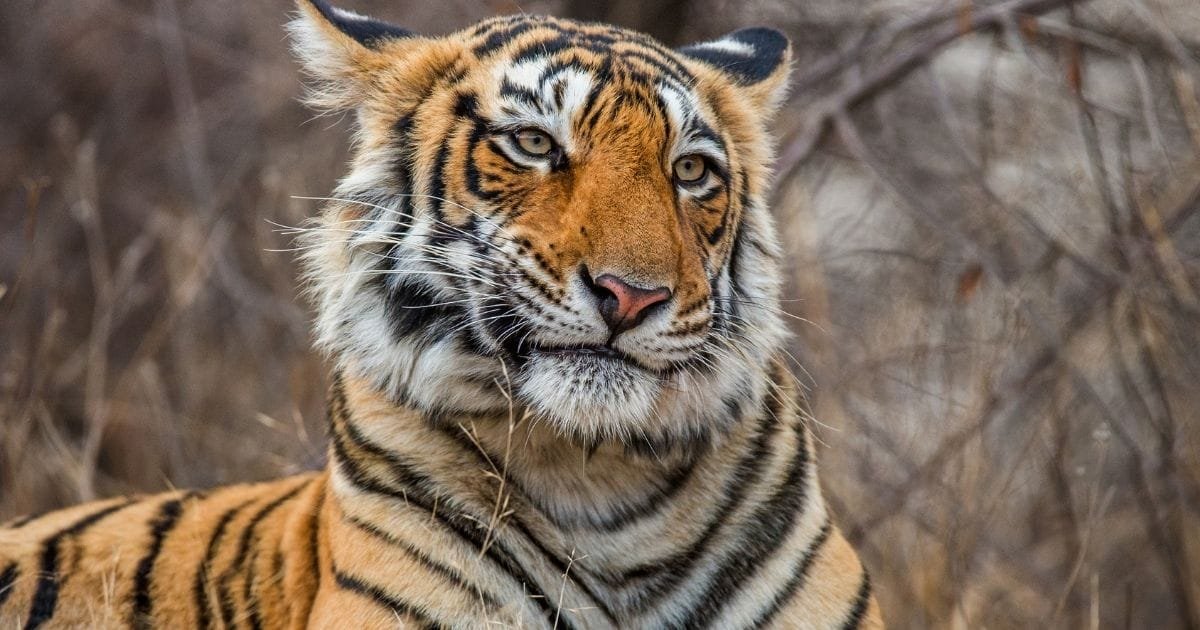
Ranthambore is often the first place people think about when planning a Wildlife Safari in India.
The park is famous for its dramatic landscape. Ancient ruins stand inside the forest. A centuries-old fort overlooks the jungle. And water lakes attract animals throughout the day.
Because of this combination of history and wildlife, Ranthambore safaris feel cinematic.
Visitors often see:
- Bengal tigers
- Leopards
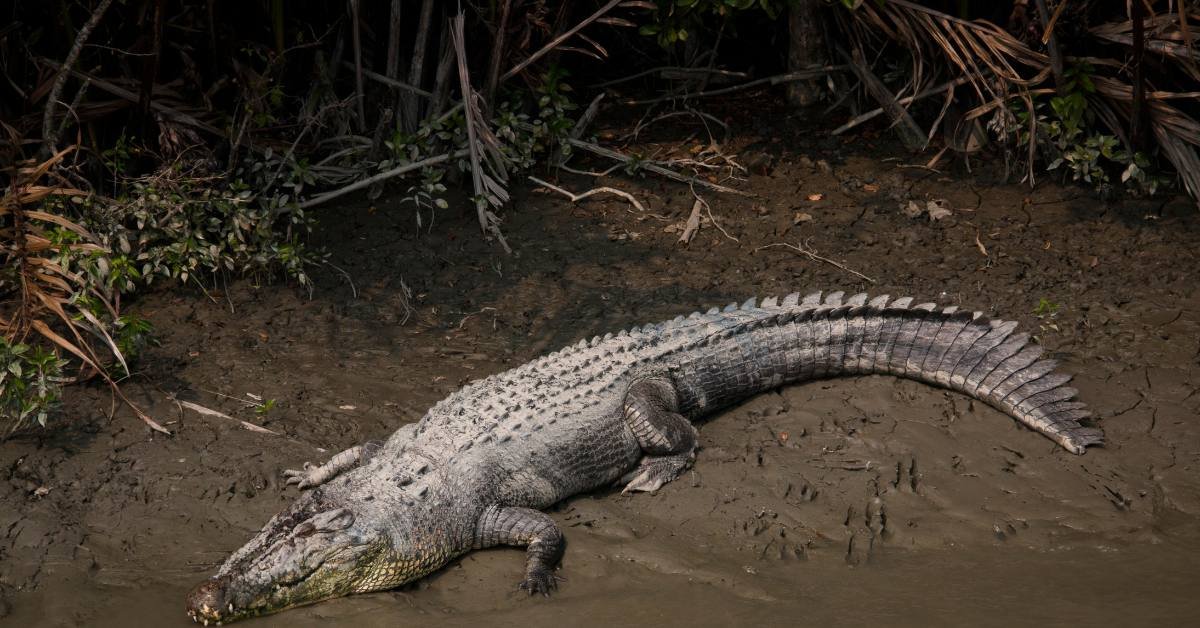
- Marsh crocodiles
- Spotted deer and sambar
- Numerous bird species
Another reason Ranthambore is popular is accessibility. The park lies close to major cities like Jaipur and Delhi, which makes planning easier for first-time safari travellers.
Jim Corbett National Park – Uttarakhand
Jim Corbett holds a special place in the story of Wildlife Safari in India. It was established in 1936 and is the country’s oldest national park.
The landscape here is very different from Rajasthan’s forests. Instead of dry terrain, Corbett features:
- River valleys
- Tall grasslands
- Dense sal forests
- Open floodplains
This diversity allows many animals to thrive here.
Visitors often spot:
- Tigers
- Asian elephants
- Wild boars
- Otters
- Hundreds of bird species
But here’s something many travellers don’t realize. The Dhikala zone of Corbett offers one of the most immersive safari experiences in India. Staying inside the forest guesthouse allows visitors to hear wildlife sounds throughout the night.
Bandhavgarh National Park – Madhya Pradesh
When people talk about tiger safari national parks in India, Bandhavgarh often enters the conversation.
This park has historically recorded one of the highest tiger densities in India. That means tiger sightings here are more frequent compared to many other reserves.
The terrain of Bandhavgarh includes:
- Rocky hills
- Dense bamboo forests
- Grass meadows
- Ancient caves
There is also a historical fort inside the park that adds a mysterious feeling to the safari landscape.
However, what truly defines Bandhavgarh is silence. Early morning safaris often begin in mist-covered forests where the jungle slowly wakes up.
Kanha National Park – Madhya Pradesh
Kanha is often described as one of the most beautiful forests in India.
Interestingly, the park inspired Rudyard Kipling’s famous story The Jungle Book. When you drive through Kanha’s wide grasslands surrounded by sal forests, it becomes easy to understand why.
Wildlife sightings here include:
- Tigers
- Barasingha (hard-ground swamp deer)
- Wild dogs
- Sloth bears
- Leopards
Kanha also plays an important role in conservation. The park helped revive the nearly extinct Barasingha population, making it an important wildlife success story.
Kaziranga National Park – Assam
Now here is where the India jungle safari travel guide becomes more diverse.
Kaziranga, located in the northeastern state of Assam, offers a safari environment completely different from central India.
Instead of forests, Kaziranga features:
- Floodplains
- Elephant grasslands
- Wetlands and river islands
The park is famous for protecting the world’s largest population of one-horned rhinoceroses.
Wildlife sightings often include:
- One-horned rhinoceros
- Wild water buffalo
- Tigers
- Elephants
- Migratory birds
Because of its unique ecosystem, Kaziranga safaris often feel like entering a vast wild grassland kingdom.
What a Typical Wildlife Safari in India Feels Like
People sometimes imagine safaris as fast wildlife chases. But the reality is quieter.
A typical Wildlife Safari in India usually happens twice a day.
- Early morning safari
- Afternoon safari
During the morning drive, forests feel fresh and cool. Animal movement is usually higher because temperatures remain comfortable.
However, afternoon safaris bring a different mood. Light filters through trees in golden shades, and animals often come out near water sources.
Another thing worth knowing is that patience plays a huge role during safaris. Sometimes you may drive for an hour without seeing anything big.
Then suddenly a guide whispers something.
Everyone stops talking.
A tiger quietly walks across the forest path.
Moments like that stay with people for years.
Best Time for a Wildlife Safari in India
Planning the right season can make a huge difference.
October to February
Weather stays pleasant and comfortable.
- Forests appear lush and green
- Bird watching becomes excellent
- Safaris remain comfortable during daytime
However, dense foliage sometimes makes animal sightings slightly harder.
March to June
This period is often considered ideal for tiger sightings.
- Water sources shrink
- Animals gather near lakes and ponds
- Vegetation becomes thinner
Because of this, visibility improves significantly.
But temperatures can rise, especially in central India.
Monsoon Season
Most national parks remain closed between July and September due to heavy rainfall and conservation reasons.
Local Guide Tip
Morning safaris often increase the chances of animal sightings, but experienced guides quietly say something else too. Sometimes the forest reveals its best moments during the final hour of an afternoon safari, when the jungle becomes calm and animals begin moving toward water.
Planning Support Partner
Many travellers planning a Wildlife Safari in India realize that choosing the right park, safari zone, and permit timing can become confusing. Experience My India often helps visitors plan safari routes, park bookings, and travel timing so the journey feels smoother and less rushed.
Contact Experience My India Today:
Call Us:+91 7037550028
WhatsApp Us:+91 7037550028
Visit Our Website: Experience My India
Experience My India trip advisor review
How to Reach Major Wildlife Safari Destinations in India
🚗 By Car
- Delhi to Ranthambore: around 380 km
- Delhi to Jim Corbett: around 250 km
- Jabalpur to Bandhavgarh: around 165 km
- Nagpur to Kanha: around 260 km
Private vehicles or hired taxis remain the most flexible way to reach national parks.
🚆 By Train
- Ranthambore: Sawai Madhopur Railway Station
- Jim Corbett: Ramnagar Railway Station
- Bandhavgarh: Umaria Railway Station
- Kanha: Gondia or Jabalpur Railway Station
- Kaziranga: Furkating Railway Station
From railway stations, travellers usually hire taxis or safari vehicles to reach park entrances.
✈️ By Air
- Ranthambore: Jaipur International Airport
- Jim Corbett: Pantnagar Airport
- Bandhavgarh: Jabalpur Airport
- Kanha: Nagpur Airport
- Kaziranga: Guwahati International Airport
After arriving at these airports, road travel remains necessary to reach forest reserves.
FAQs – About Wildlife Safari in India
The best time for a Wildlife Safari in India is usually between October and June. Winter months from October to February offer pleasant weather, while March to June often provides better chances of spotting animals near water sources.
Some of the most famous tiger safari national parks in India include Ranthambore National Park, Bandhavgarh National Park, Kanha National Park, and Jim Corbett National Park. These parks are well known for their healthy tiger populations.
Most jungle safaris in India last around 3 to 4 hours. Safaris usually operate twice a day, once in the early morning and once in the afternoon.
Yes, wildlife safaris in India are generally safe when conducted with authorized guides and trained drivers. Visitors are required to follow park rules such as staying inside the vehicle and avoiding loud noises.
Yes, booking permits in advance is highly recommended, especially in popular parks. Many tiger safari national parks in India have limited daily entries, so early reservations help secure preferred safari zones and timings.
Apart from tigers, visitors may see elephants, leopards, deer, wild boars, crocodiles, sloth bears, and a wide variety of birds depending on the national park.
It is best to wear comfortable clothes in neutral colors like beige, green, or brown. Avoid bright colors as they may disturb wildlife. Light jackets can be useful during early morning safaris.
Yes, children are generally allowed on safaris. However, parents should ensure that children remain quiet and follow park safety instructions throughout the safari.
Most parks use open jeep vehicles or larger canter vehicles for safari drives. Jeeps are smaller and offer a more personal safari experience.
Yes, international travelers can easily plan a Wildlife Safari in India through authorized travel operators or national park booking systems. Many travel planners and safari guides help arrange permits, accommodation, and transportation.
Conclusion
A Wildlife Safari in India is not just a travel activity. It slowly becomes a way of seeing nature differently. When someone spends a few hours inside a forest, listening instead of talking, watching instead of rushing, something quietly shifts. The jungle doesn’t perform for visitors. It simply exists, patient and ancient. And perhaps that is the real gift of these safaris… they remind us how much of the world still moves at its own calm pace, waiting for us to notice.