
Rajasthan is not a place you “cover”.
You step into it. You stay a little. And you leave. And somehow it keeps walking beside you long after the trip ends.
When people talk about Places to Visit in Rajasthan 2026, they usually picture forts, palaces, deserts, colours, turbans. All of that is true. But it is not the whole truth. Rajasthan is also about waiting. Standing quietly in a courtyard. Watching light change on old stone. Feeling history not as information, but as presence.
This is not a checklist. These are places that stay with you in different ways. Some loudly. Some very quietly.
1. Jaipur – Where Planning Met Emotion
Jaipur looks organised at first glance. Straight roads. Pink walls. Clean symmetry. It almost feels modern compared to the rest of Rajasthan.
But spend a few hours walking instead of driving, and something shifts.
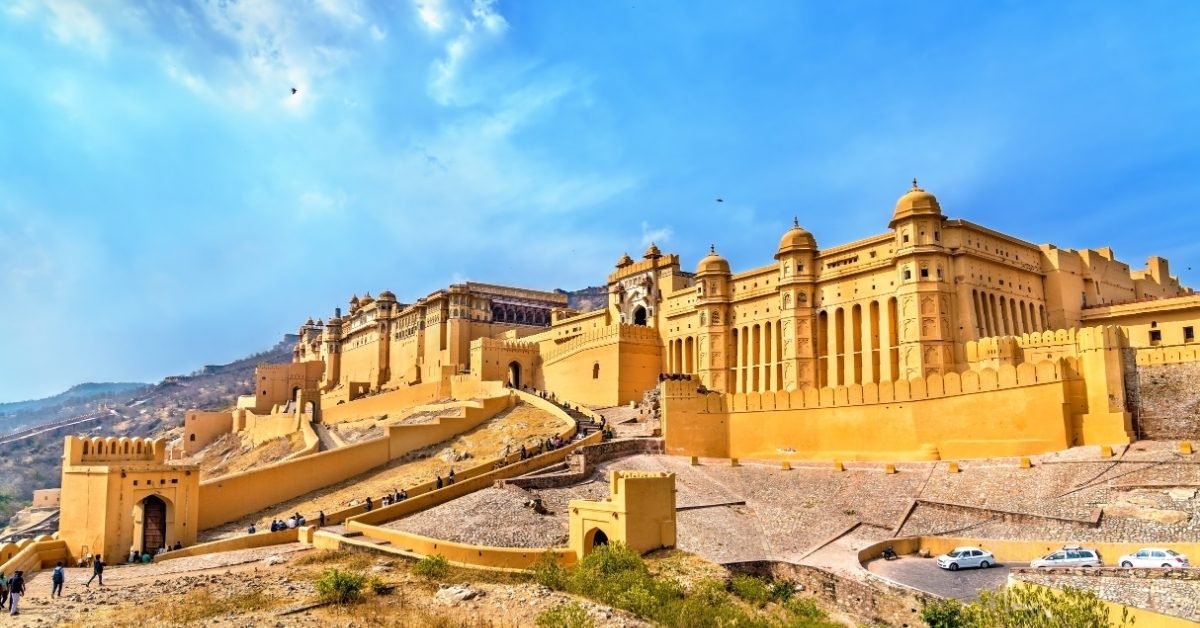
Amber Fort still feels watchful, like it is keeping an eye on the city below. City Palace does not feel frozen in time. It feels lived in. Hawa Mahal stands there silently while the city rushes past it every day.
Most monuments here open around 9 AM and close by 5 PM. Amber Fort opens earlier, and mornings are always better. Less heat. Fewer voices. More space to think.
Jaipur matters because it shows how Rajasthan adapted. It planned. It adjusted. And it didn’t lose itself doing that.
Best time to visit is October to March. Summers can drain you quickly. Jaipur is easy to reach by car, train, or flight. Nearby places like Amer, Nahargarh, and Galta Ji fit naturally into the journey.
2. Udaipur – A City That Softens You
Udaipur does not rush you. It almost refuses to.
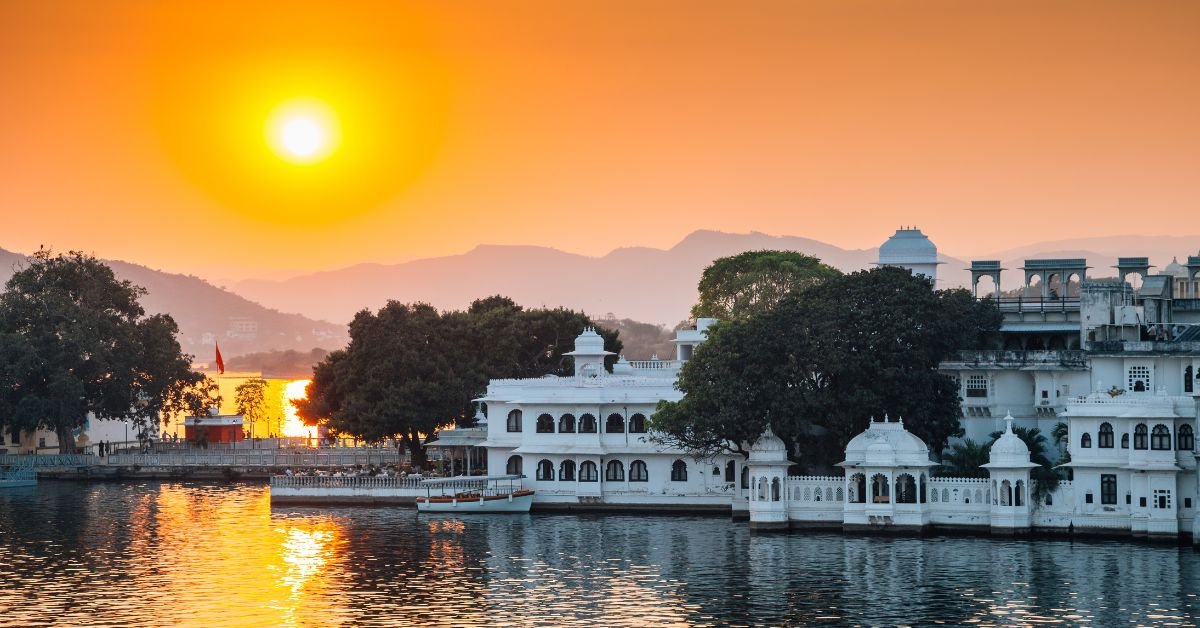
Lakes slow everything down. Palaces rise gently instead of aggressively. Even the crowds feel quieter here. City Palace usually opens around 9:30 AM and stretches into the evening, but you don’t need to see everything at once.
A boat ride on Lake Pichola at sunset doesn’t feel like sightseeing. It feels like pausing.
Udaipur’s history is full of resistance, battles, and survival. Yet the city feels calm. That contrast stays with you.
Winters are ideal. Summers feel dry and heavy. Monsoon brings romance but limits movement. Udaipur is well connected by road, train, and air. If you have extra time, Kumbhalgarh and Ranakpur deepen the experience.
3. Jaisalmer – Where Time Learns to Slow Down
Jaisalmer does not rise from land. It rises from sand.
The fort is alive. People live inside it. Temples, homes, shops, everyday routines. Fort timings usually stretch from morning to evening, but early hours feel kinder.
Desert safaris get attention, but the real lesson of Jaisalmer is patience. Heat slows everything. Conversations stretch. Even walking feels deliberate.
Winter is the only comfortable season. Summers are unforgiving and not romantic in real life. Jaisalmer is accessible by train and road. Flights are limited. Nearby dunes and villages complete the picture.
4. Jodhpur – Strength Without Apology
Jodhpur feels bold. It doesn’t try to charm you.
Mehrangarh Fort stands high, not decorative but commanding. Inside, stories of rulers, battles, and choices feel close. The fort usually opens around 9 AM and closes by 5 PM.
The blue houses below soften the view but not the spirit. Jodhpur feels direct. Honest. Sometimes harsh.
Best visited between October and February. Summers are intense. Jodhpur connects well by road, rail, and air. Osian and Mandore nearby offer quieter spaces.
5. Pushkar – Confusion That Teaches Stillness
Pushkar confuses people. Is it spiritual or touristy. Sacred or commercial. The answer is both.
Early mornings around the lake feel sincere. Bells ring softly. People pray without performance. By afternoon, crowds arrive and the mood shifts.
Brahma Temple follows strict timings, usually early morning to evening with breaks. Pushkar Fair season changes everything, but outside that time, the town feels gentle.
Pushkar works best when you don’t expect clarity from it. October to March is the best period. Ajmer is nearby, and road and train access is easy.
6. Bikaner – Quiet, Grounded, Unpolished
Bikaner doesn’t demand attention. That is its strength.
Junagarh Fort stands solid and detailed, without hilltop drama. Museums inside generally open from 10 AM to 5 PM. Crowds are smaller. The city feels lived-in.
It doesn’t feel curated for visitors. It feels honest.
Winters are ideal. Bikaner connects well by road and train, with limited flights. Nearby villages and camel breeding farms add a different perspective.
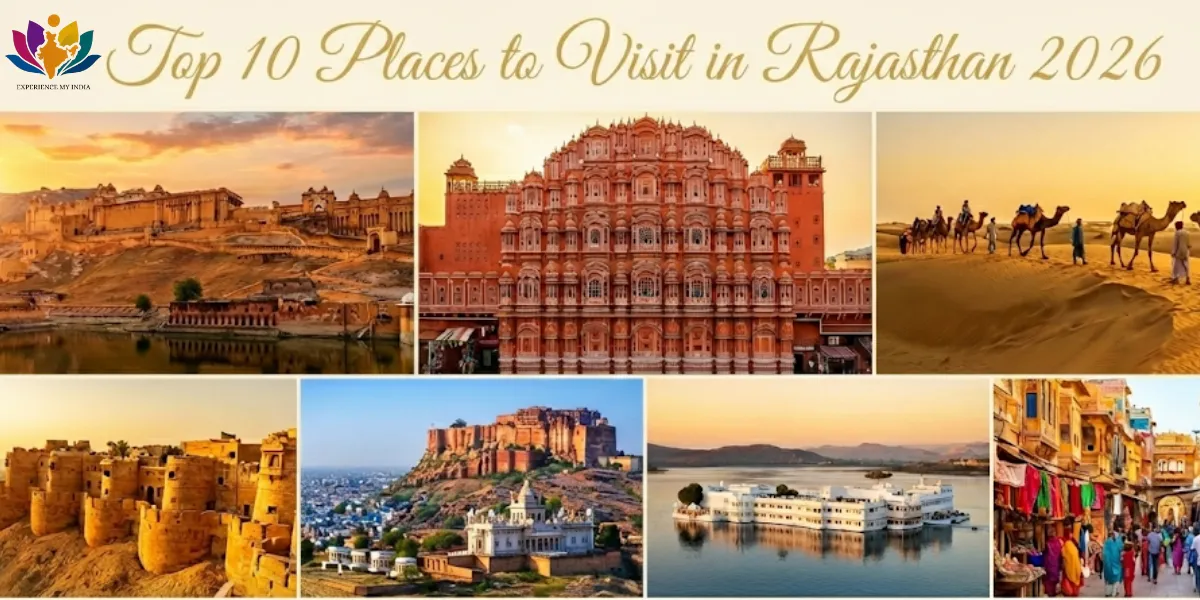
7. Mount Abu – A Pause You Didn’t Expect
Mount Abu feels misplaced in Rajasthan. And that is exactly why it works.
Cooler air. Green surroundings. A different rhythm. Dilwara Temples feel precise, quiet, and restrained. Timings are limited and strictly followed.
Mount Abu matters because it shows Rajasthan’s contrast. Not everything here is desert and heat.
October to March is best. Reachable by road. Abu Road is the nearest railhead.
8. Chittorgarh – Heavy With Memory
Chittorgarh Fort is not decorative. It is heavy.
The fort opens early and closes by evening, but it takes hours to walk through. Stories of sacrifice, resistance, and silence echo through the ruins.
This place asks for emotional readiness. Not everyone connects instantly. And that is okay.
Winter is ideal. Chittorgarh is well connected by road and rail. Udaipur lies close by.
9. Bundi – Gentle and Almost Forgotten
Bundi surprises people who arrive without expectations.
Stepwells feel intimate. Lanes stay quiet. Taragarh Fort watches from above. Timings vary, but mornings feel right.
Bundi doesn’t try to impress. It observes. That makes it memorable.
Best visited in winter. Kota nearby works as a transport hub.
10. Alwar – Where Rajasthan Turns Green
Alwar often gets skipped. It shouldn’t.
Bala Quila overlooks the city. Sariska adds wildlife and forest energy. Timings depend on the site, but mornings are best.
Alwar shows a different Rajasthan. Less sand. More trees. More silence.
It is close to Delhi and easy to reach by road and rail.
Best Time to Visit Rajasthan in 2026
October to March remains ideal. Summers are harsh and exhausting. Monsoons add beauty but slow movement.
Festivals like Diwali, Teej, Gangaur, and the Desert Festival add colour and crowds. Choose based on what you want more.
How to Travel Across Rajasthan
Taxis give flexibility.
Cars suit families.
Trains connect major cities well.
Flights save time but miss the land between places.
Pace matters more than distance.
Many travellers plan Rajasthan journeys through Experience My India, not for luxury, but for balance. Rajasthan rewards people who don’t rush it.
Contact Experience My India Today:
Call Us:+91 7037550028
WhatsApp Us:+91 7037550028
Visit Our Website: Experience My India
FAQs – Places to Visit in Rajasthan 2026
Is Rajasthan safe for solo travellers
Yes, with basic awareness.
How many days are enough
At least ten to twelve days.
Are monuments crowded
Popular ones are. Early mornings help.
Is food always spicy
You can ask for mild.
Can elderly travellers manage
Yes, with slow planning.
Is public transport reliable
Between cities, yes. Inside cities, taxis help.
Are summers really that bad
Mostly, yes.
Is Rajasthan expensive
It depends on choices.
Can everything be covered in one trip
No, and that’s fine.
What stays with you the most
The silence between stories.
Rajasthan does not try to impress you.
It waits.
And if you let it, it changes the way you travel.