
There are festivals you watch from a distance. And then there are festivals that pull you right into the middle of something powerful. Rath Yatra 2026 is not a quiet temple ritual. It’s movement, emotion, devotion, sweat, chants, drums — all unfolding on one long road in Puri.
If you have ever seen even a short video of the chariots rolling forward, you already know the scale feels unreal. However, being physically present during Rath Yatra 2026 is completely different. The air vibrates. The crowd moves like waves. And somewhere in the middle of that, Lord Jagannath begins his journey.
Let’s break it down properly — the date, short history, rituals, ground reality, and what you should realistically expect if you plan to attend.
Rath Yatra 2026 Date and Tithi Details
Understanding the exact timing helps avoid confusion, especially because many pilgrims travel long distances.
- Festival Date: July 16, 2026
- Observed on: Dwitiya (second day) of Shukla Paksha in Ashadha month
- Dwitiya Tithi Begins: 11:50 AM on July 15, 2026
- Dwitiya Tithi Ends: 08:52 AM on July 16, 2026
Although the tithi begins a day earlier, the grand chariot procession of Rath Yatra 2026 will take place on July 16. Therefore, arriving at least one day before is practical. Accommodation fills up quickly, and local movement becomes restricted as the main day approaches.
Short History Behind Rath Yatra
The history of Rath Yatra goes back centuries and is deeply rooted in the Jagannath tradition of Odisha.
- Lord Jagannath, along with Balabhadra and Subhadra, travels from the main temple to Gundicha Temple
- The journey symbolizes visiting their aunt’s house
- Massive wooden chariots are constructed freshly each year
- Devotees pull the chariots by ropes
Historically, this ritual represents divine accessibility. Unlike most temple ceremonies where the deity remains inside, here the Lord comes out among people. That openness is part of the Rath Yatra significance and rituals that continue even today.
Jagannath Rath Yatra Date and Schedule
The Jagannath Rath Yatra date and schedule follow a structured ritual flow. However, timings can shift slightly depending on crowd and ritual pace.
- Pahandi Ritual: Deities are ceremoniously brought out from the sanctum
- Chhera Pahanra: The Gajapati King sweeps the chariot platforms
- Chariot Pulling: Devotees begin pulling the three raths toward Gundicha Temple
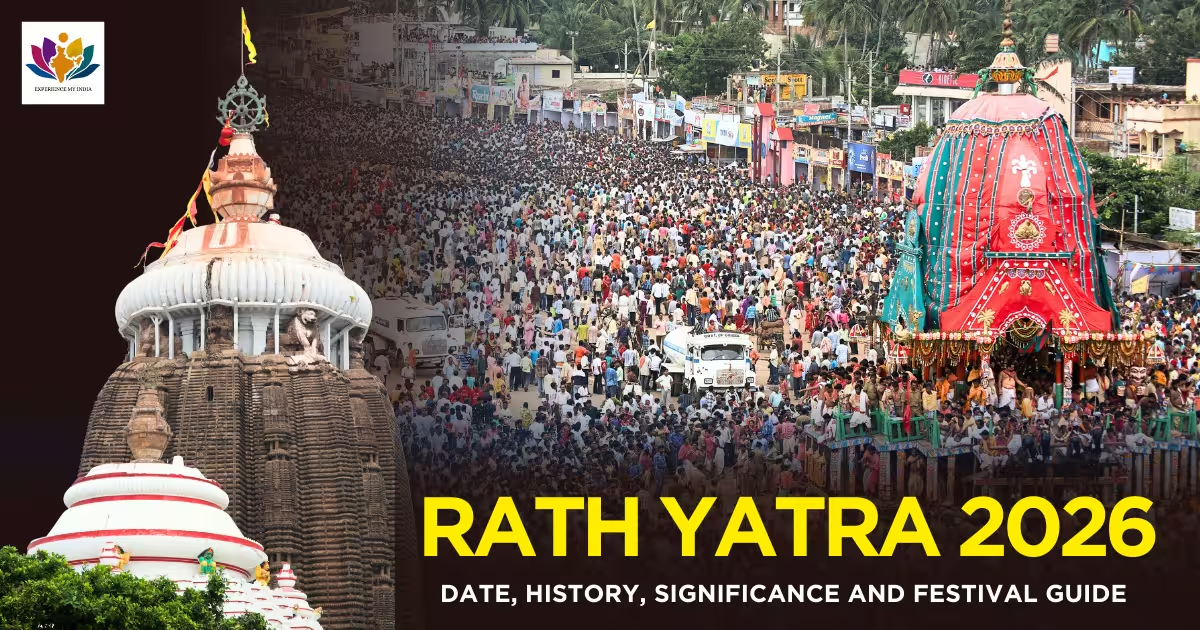
The Grand Road in Puri stretches nearly 3 kilometers. During Rath Yatra 2026, every inch of that road will fill with devotees. Crowds often exceed 500,000 to over a million people in a single day. That is not an exaggeration.
Because of this, movement becomes slow and controlled. Sometimes the chariots halt midway. Patience becomes part of devotion.
Rath Yatra Significance and Rituals Explained Simply
The Rath Yatra significance and rituals are deeply symbolic.
- It represents divine compassion and outreach
- Pulling the chariot is considered spiritually purifying
- It breaks barriers of caste and status
- It reflects inclusiveness of Jagannath tradition
Even people who are not regular temple visitors feel drawn to this event. And that’s why Rath Yatra 2026 will again witness participation from across India and abroad.
What You Will Actually Experience on Ground
Let’s speak honestly.
- Extreme crowd density near the chariots
- Strong humidity in July
- Restricted mobile networks due to overload
- Police barricades controlling movement
- Limited visibility if you arrive late
Many first-time visitors assume they can easily walk alongside the chariot. That’s rarely realistic. Positioning matters. Timing matters even more.
Still, when the chariot wheels begin moving and chants grow louder, you forget discomfort for a moment.
Traditional Foods During Rath Yatra
Food becomes part of celebration.
- Jalebis are especially popular during the festival
- Fried papad and pakodas are commonly sold
- Local sweets and temple Mahaprasad remain in high demand
However, because of the heat and crowd, choose food vendors carefully. Hydration should remain your priority.
Best Time Strategy for Rath Yatra 2026
Planning your timing wisely makes a big difference.
- Arrive in Puri at least 1–2 days before July 16
- Reach the Grand Road early morning for better positioning
- Avoid mid-afternoon sun exposure
- Keep exit routes in mind before the crowd peaks
During Rath Yatra 2026, afternoon humidity can feel intense. Light cotton clothes are essential. Comfortable footwear helps because standing for long hours becomes unavoidable.
Local Guide Tip
From my experience handling festival travelers in Puri, the biggest mistake people make during Rath Yatra 2026 is underestimating the crowd pressure. I have seen families get separated simply because they assumed they would “manage somehow.”
Reach your viewing point at least 3–4 hours before the procession starts. Avoid standing exactly at the center rope area if you’re with elderly parents or children. Choose a slightly side-angle location where movement is easier. Write emergency contact details on paper and keep it in your pocket in case network fails. Also, never argue with security personnel. They adjust barricades for safety reasons. If you follow these basics, your experience remains devotional rather than stressful.
Puri Rath Yatra Festival Guide – Practical Planning
If you are treating Rath Yatra 2026 like a normal sightseeing trip, it won’t work.
- Pre-book accommodation at least 2–3 months in advance
- Expect price surge during festival week
- Keep cash handy as digital payments may slow down
- Plan sightseeing either before or after main procession
The Puri Rath Yatra festival guide is incomplete without mentioning fatigue. You will stand for hours. Therefore, pace yourself. Take breaks away from the densest crowd zones.
Planning Support Partner
If you prefer structured arrangements for Rath Yatra 2026, including accommodation assistance, guided positioning advice, and coordinated travel planning, Experience My India works with reliable local networks in Puri. The focus remains practical — minimizing confusion, improving safety positioning, and ensuring smoother festival participation without unnecessary stress.
Contact Experience My India Today:
Call Us:+91 7037550028
WhatsApp Us:+91 7037550028
Visit Our Website: Experience My India
Experience My India trip advisor review
How to Reach
🚗 By Road
- Well connected through NH16
- Regular buses from Bhubaneswar and nearby cities
- Traffic diversions expected on main festival day
🚆 By Train
- Nearest Railway Station: Puri Railway Station
- Direct trains from Delhi, Kolkata, Chennai, and major cities
- Station experiences heavy rush during festival week
✈️ By Air
- Nearest Airport: Biju Patnaik International Airport, Bhubaneswar (approx. 60 km)
- Taxis and buses available from airport to Puri
- Travel early to avoid last-minute road restrictions
FAQs – Rath Yatra 2026
Rath Yatra 2026 will be celebrated on July 16, 2026. The festival falls on the Dwitiya (second day) of the Shukla Paksha in the Hindu month of Ashadha.
Dwitiya Tithi begins at 11:50 AM on July 15, 2026, and ends at 08:52 AM on July 16, 2026. The main chariot procession takes place on July 16.
The main celebration of Rath Yatra 2026 will take place in Puri, Odisha, along the Grand Road (Bada Danda) connecting Jagannath Temple to Gundicha Temple.
The Grand Road in Puri stretches nearly 3 kilometers. During Rath Yatra 2026, this entire stretch fills with devotees and chariots.
Lord Jagannath, Lord Balabhadra, and Goddess Subhadra are placed on three separate wooden chariots and pulled by devotees.
During major years, including Rath Yatra 2026, crowds can exceed 500,000 to over a million devotees in a single day.
It is advisable to reach Puri at least one or two days before July 16, 2026, because hotels fill quickly and traffic restrictions begin early.
While Puri hosts the grand and original Rath Yatra, the festival is also celebrated in other parts of India and abroad. However, Puri remains the main place of celebration.
The festival symbolizes Lord Jagannath’s journey to Gundicha Temple, representing divine outreach and inclusiveness. Devotees believe participating in the chariot pulling brings spiritual blessings.
During Rath Yatra 2026, people commonly enjoy jalebis, fried papad, pakodas, and various local sweets along with temple Mahaprasad.
Conclusion
Rath Yatra 2026 will not be a quiet pilgrimage. It will be crowded, emotional, overwhelming at times — and unforgettable. If you prepare early, respect the scale of the event, and follow ground-level advice, you will witness something rare: devotion moving through a city like a living river. That’s the magic of Rath Yatra in Puri, and once you see it once, it stays with you.