
If you’ve ever searched for the top 10 famous temple in India, you’ve probably noticed something odd. The same names keep coming up. Different lists. Different websites. Yet the core temples rarely change.
At first glance, it feels obvious. These places are ancient. They’re sacred. Millions visit them every year. But honestly, that explanation is too shallow. Plenty of old temples exist. Plenty of sacred sites draw crowds. Still, only a handful consistently earn a place in the top 10 famous temple in India lists.
So what actually puts them there?
In my experience, it’s not just belief. It’s not just architecture either. It’s a layered mix of history, ritual continuity, geographic pull, and something harder to measure. Presence. The kind that stays with you even after you’ve left the temple street behind.
Let’s talk through why these temples matter so much, and why they keep ranking among the most famous temples in India year after year.
What “Top 10 Famous Temple in India” Really Means
Here’s the thing. A “top 10” temple list isn’t about beauty alone. Or footfall alone. Or even religious importance alone.
Temples that consistently appear in the top Hindu temples to visit in India usually share a few quiet traits:
- Continuous worship for centuries, not broken by time or rulers
- Deep mythological roots that people grow up hearing
- Pilgrimage relevance across regions, not limited to one state
- Rituals that still follow old patterns, not modern recreations
- Emotional weight. People arrive expecting something, and often leave changed
Not every temple checks all boxes. But the ones below? They check most.
Kashi Vishwanath – Why It Never Leaves the List
Kashi Vishwanath Temple
Kashi Vishwanath isn’t famous because it’s grand. In fact, the temple structure itself is relatively modest compared to South Indian giants.
What keeps it firmly in the top 10 famous temple in India is continuity.
Worship here never stopped. Not during invasions. Not during reconstructions. Not during political change. Shiva is worshipped here as Vishwanath, the lord of time itself. That symbolism matters in Kashi, a city believed to sit outside ordinary cycles of birth and death.
Surprisingly, many first-time visitors expect visual drama. What they find instead is intensity. Tight lanes. Pressed crowds. And a raw devotional energy that feels unfiltered.
That’s why it stays on every list.
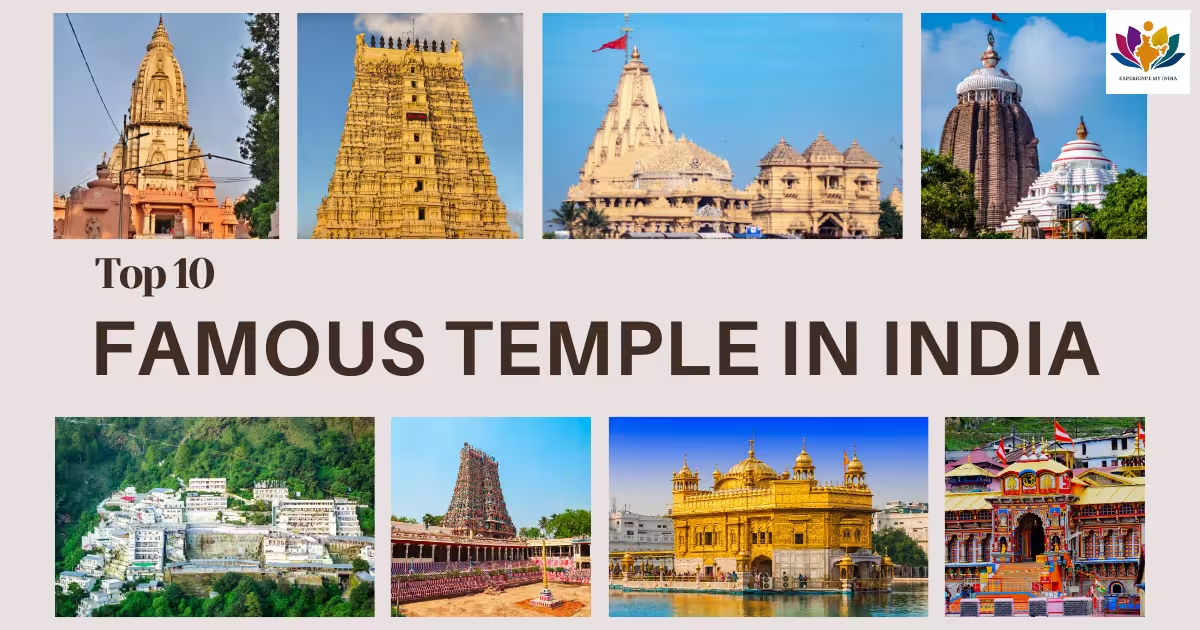
Tirupati Balaji – Devotion at a Scale That’s Hard to Grasp
Tirumala Venkateswara Temple
If popularity were the only measure, Tirupati would still dominate.
But its place among the popular pilgrimage temples in India isn’t just about numbers. It’s about structure. The temple runs like a city within a city. Darshan systems, queue management, rituals, donations. Everything functions at a scale most places can’t replicate.
Devotees don’t come casually. Many walk uphill. Some shave their heads. Others donate life savings. It’s not symbolic devotion. It’s physical commitment.
In my experience, Tirupati feels less like a visit and more like a surrender to process. That seriousness is exactly why it stays in the top 10.
Somnath – Why Destruction Didn’t Remove Its Importance
Somnath Temple
Somnath’s story is often simplified. Destroyed. Rebuilt. Reclaimed. Repeat.
But that’s not why it ranks among the most famous temples in India.
What makes Somnath powerful is its location and symbolism. The first Jyotirlinga. Standing by the Arabian Sea. Facing the open horizon.
Even today, standing near the temple during evening aarti, you sense resilience rather than triumph. The sound of waves mixes with chants. It’s grounding. Quietly firm.
Some temples impress you. Somnath steadies you.
Jagannath Puri – Inclusion Because the Deity Moves
Jagannath Temple
Jagannath Puri appears in every top Hindu temples to visit in India list for one simple reason. The deity doesn’t stay put.
The Rath Yatra isn’t a side event. It’s central to Jagannath worship. The gods come out. They meet the people. The city transforms.
Not all pilgrims are allowed inside the sanctum. Yet millions still travel here. That contradiction tells you something important.
Jagannath isn’t about access. It’s about presence in public life.
Rameswaram – Geography That Reinforces Faith
Ramanathaswamy Temple
Rameswaram’s inclusion in the top 10 famous temple in India is deeply tied to journey, not just destination.
Long corridors. Sacred wells. Ritual baths. Pilgrims don’t arrive and leave quickly. They prepare. They cleanse. They move slowly.
It’s also part of the Char Dham circuit. That alone brings national relevance. But more than that, Rameswaram forces reflection through physical effort.
You don’t rush this temple. It won’t allow it.
Vaishno Devi – Faith That Requires Ascent
Vaishno Devi Temple
Vaishno Devi stays in the popular pilgrimage temples in India list because belief here is earned step by step.
The trek matters. Even with helicopters and horses available, many choose to walk. Night journeys. Cold air. Chanting crowds.
Inside the cave, there’s no idol in the usual sense. Just rock formations. Yet devotion remains intense.
It reminds you that faith doesn’t always need form.
Meenakshi Temple – Architecture as Daily Worship
Meenakshi Amman Temple
Meenakshi Temple could rank on architecture alone. Towering gopurams. Thousands of sculptures. Colour everywhere.
But it earns its spot among the top 10 famous temple in India because it’s alive. Markets operate inside. Rituals happen all day. Locals use it as part of routine life.
It’s not preserved. It’s lived in.
That difference matters.
Golden Temple – Inclusion Beyond Hindu Lists
Golden Temple
Even though it’s a Sikh shrine, the Golden Temple often appears alongside Hindu temples in broader spiritual lists.
Why? Accessibility. Equality. Service.
Langar feeds everyone. No barriers. No hierarchy. The experience feels grounded, not ritual-heavy.
Surprisingly, many visitors describe peace rather than awe. That emotional clarity keeps it in every top list.
Dwarkadhish – Mythology Anchored to Place
Dwarkadhish Temple
Dwarka isn’t dramatic. That’s part of its strength.
As Krishna’s kingdom, the city carries mythological weight. The temple rituals are orderly. Calm. Predictable.
For devotees, Dwarka offers closure. A sense of completion within the Char Dham.
Not loud. Not overwhelming. Just steady.
Why These Temples Stay While Others Rotate
Plenty of temples rise in popularity. Social media helps. New corridors help. Festivals help.
But the top 10 famous temple in India list stays stable because these places aren’t trends. They’re anchors.
They combine:
- Myth that people still believe
- Rituals that never paused
- Geography that supports symbolism
- Emotional outcomes visitors remember
That combination is rare.
Best Time to Visit These Temples
- October to March works for most locations
- Avoid peak festival days unless you’re prepared for crowds
- Early mornings usually offer calmer darshan experiences
Timing won’t change importance. But it can change your experience.
Things to Do Beyond Darshan
- Attend morning or evening aarti
- Walk temple towns slowly, not just temples
- Observe devotees, not just rituals
- Eat local temple-area food
- Sit quietly, even if briefly
Sometimes, the quiet moments explain why these temples matter.
How to Reach Major Temples (Overview)
- By Air: Major cities like Varanasi, Madurai, Amritsar, and Tirupati have airports
- By Train: Most temple towns are well-connected by rail
- By Road: Pilgrimage circuits often work best by road for flexibility
Planning routes matters more than speed.
Why Experience My India Fits Well for Temple Travel
Temple journeys fail when rushed. Darshan timings shift. Crowds swell. Energy dips.
Experience My India focuses on realistic pacing. Fewer temples per day. Better timing awareness. And understanding when to wait and when to move on.
That approach suits India’s most sacred places better than checklist travel.
Contact Experience My India Today:
Call Us:+91 7037550028
WhatsApp Us:+91 7037550028
Visit Our Website: Experience My India
Experience My India trip advisor review - Click Here
FAQs – Top 10 Famous Temples in India
A temple usually earns this place due to a mix of ancient history, continuous worship, strong mythological importance, and nationwide pilgrimage relevance. Footfall alone isn’t enough; long-term spiritual significance matters more.
Not always. Some temples are more significant for Shaiva followers, others for Vaishnavas or Shaktas. Still, these temples attract devotees across traditions because of their broader spiritual standing.
No, and it’s not practical either. These temples are spread across India. Most pilgrims visit them over years, often following Char Dham or Jyotirlinga circuits rather than one journey.
October to March is generally the most comfortable. Summers can be exhausting, while monsoons may affect travel, especially in coastal or hill temple towns.
Yes, some do. Temples like Jagannath Puri restrict entry based on religious customs. Others may limit photography, mobile phones, or clothing, so checking rules beforehand helps.
Most temples are senior-friendly if planned well. Choosing early morning darshan, avoiding peak festival days, and using local assistance can make the visit smoother and less tiring.
Ideally half a day to one full day per temple. This allows time for darshan, rest, aarti, and walking around the temple area without rushing.
Crowds vary. Weekends, festivals, and auspicious dates are busy, while weekday mornings are usually calmer. Timing often matters more than the season.
Yes, but patience is key. Some temples involve long queues or walking. Planning shorter darshan windows and keeping children rested makes the experience manageable.
For first-time visitors, yes. Guides help with darshan timing, temple customs, and crowd navigation. Repeat visitors often prefer exploring independently at their own pace.
Conclusion
These temples aren’t ranked because someone decided they should be. They remain in the top 10 famous temple in India because people keep returning.
Not once. Not for photos. But for something harder to explain.
Faith. Memory. And the quiet certainty that some places don’t fade, no matter how many centuries pass.
That’s why these temples stay.