
Every year around February, I start getting the same messages from travellers.
“Where should we do Holi this time?”
“Is Mathura too crowded?”
“Is there a calmer option that still feels authentic?”
Honestly, planning Holi Tour Packages in India 2026 isn’t about picking a destination from a list. It’s about matching your energy with the right place. Some people want chaos, colour, and shouting strangers. Others want music, ritual, and space to breathe. India offers both. The problem is knowing what fits you before you book anything.
I’ve seen trips go wrong simply because expectations weren’t aligned. Too many places in too few days. Or choosing a destination because it looked good on Instagram, not because it felt right in real life. So let’s slow this down and talk through it properly.
Why Holi Travel Needs More Thought Than You Expect
Holi isn’t a single-day festival everywhere. That’s the first misunderstanding.
In India, especially in the north, Holi unfolds over several days. Different towns celebrate it differently. Some start early with temple rituals. Others peak only on the main colour day. So when people look for Holi festival tour packages India 2026, they often assume one plan fits all. It doesn’t.
In my experience, the best Holi trips are built around rhythm, not speed. You attend one major celebration per day. You rest in between. And you don’t chase every event. That’s when Holi feels joyful instead of exhausting.
Mathura and Vrindavan – Where Holi Feels Lived, Not Performed
If someone asks me about the best Holi tour in India 2026, Mathura and Vrindavan always come up first. And yes, they are crowded. But there’s a reason.
Here, Holi isn’t treated like a party. It’s part of daily life. Temples decide the pace. Locals don’t rush. Rituals matter more than photos.
In Vrindavan, Holi begins quietly with temple celebrations. Phoolon Ki Holi feels soft and emotional. By contrast, Mathura on Dhulandi is loud, colourful, and intense. Both sit close together, yet feel completely different.
Local Guide Tip:
Don’t do Mathura and Vrindavan on the same Holi day. Choose one. Your experience will be better, not smaller.
Barsana and Nandgaon – Holi That Demands Patience
Barsana and Nandgaon aren’t for everyone. And that’s okay.
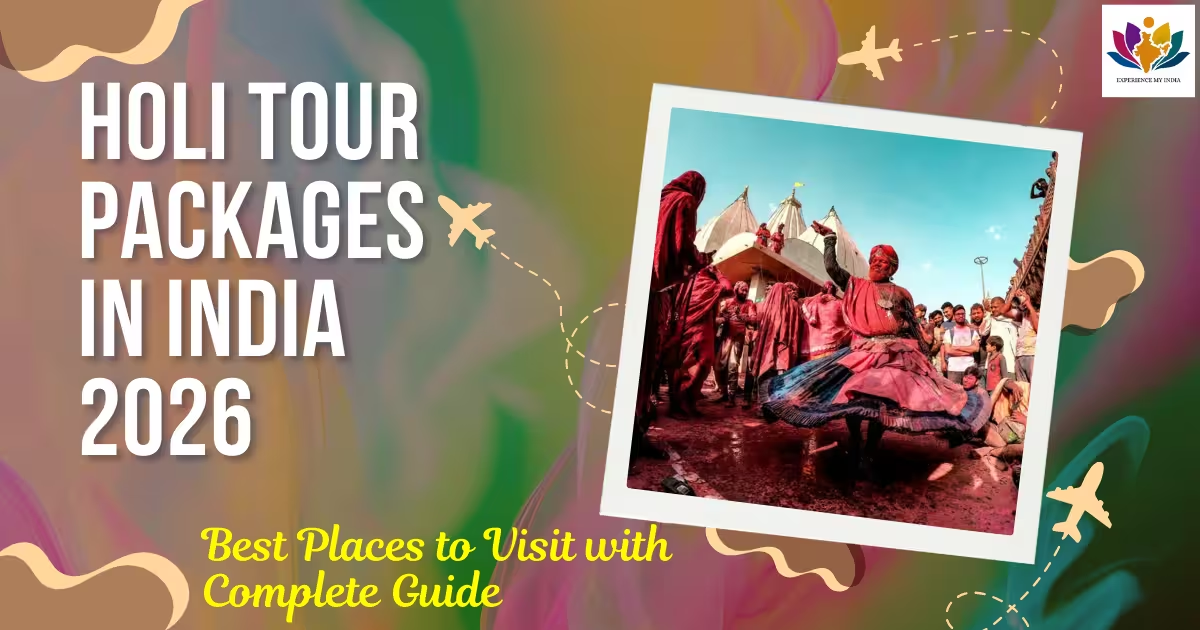
Lathmar Holi looks dramatic from the outside, but being there is a test of patience. Long waits. Controlled movement. Fixed timings. You can’t improvise here.
That said, for travellers who want tradition untouched by tourism polish, this is unforgettable. Women lead the celebration. Men participate knowingly. The entire ritual follows rules locals respect deeply.
Most India Holi travel packages include Barsana, but I’ve found it works best when paired with rest days, not stacked back-to-back with other destinations.
Jaipur and Pushkar – A Softer, Cultural Holi Experience
Now here’s where opinions differ.
Some travellers want Holi without unpredictability. Rajasthan offers that balance. Jaipur’s Holi mixes royal traditions with open celebrations. Pushkar feels calmer, almost meditative in the morning, lively by afternoon.
Surprisingly, many first-time travellers enjoy Pushkar more than expected. It’s less aggressive. Music flows instead of noise. Colour play stays friendly.
If you’re travelling with family or older parents, this side of Holi Tour Packages in India 2026 often feels more comfortable.
Shantiniketan and West Bengal – Holi with Art and Grace
Not everyone wants gulal thrown at their face. And that’s perfectly valid.
In West Bengal, Holi becomes Basanta Utsav. Music, poetry, dance. Colour exists, but gently. People dress thoughtfully. Celebrations feel curated, but not fake.
I’ve found that travellers who value culture over chaos often leave Shantiniketan deeply satisfied. It’s Holi, just spoken in a different language.
South India and Goa – When Holi Is Light and Local
Holi in South India doesn’t dominate life the way it does up north. And honestly, that’s its charm.
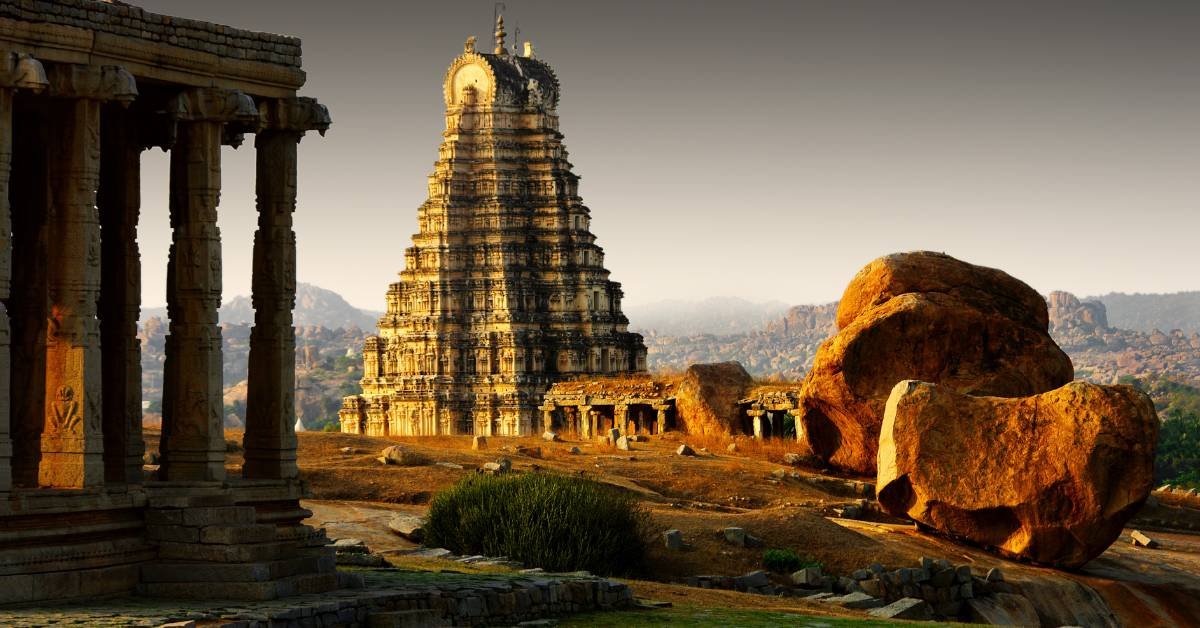
In cities like Hampi or Pondicherry, Holi remains low-key. Small gatherings. Cultural spaces. Respectful participation.
Goa adds its own twist. Colour meets music, but the vibe stays controlled. For international travellers or people new to Holi, this version feels approachable.
Not every Holi trip has to be overwhelming to be meaningful.
How Experience My India Approaches Holi Travel
Here’s the thing most people don’t realise.
Holi trips fail because of poor pacing, not poor destinations.
Experience My India focuses on realistic movement. Not squeezing every event into one itinerary. Not rushing travellers through rituals they don’t understand yet.
As a planning support partner, the approach is simple. Choose fewer places. Respect temple timings. Allow recovery time. Let the festival unfold instead of chasing it.
That philosophy works especially well for Holi Tour Packages in India 2026, where emotion matters more than checklists.
When Should You Book Holi Tour Packages in India 2026?
Earlier than you think.
Holi dates are fixed. Hotel inventory isn’t flexible. Trains and flights fill quickly, especially in Mathura, Vrindavan, and Jaipur.
Ideally, bookings should begin by October or November 2025. Last-minute plans usually mean explaining compromises rather than enjoying the festival fully.
Contact Experience My India Today:
Call Us:+91 7037550028
WhatsApp Us:+91 7037550028
Visit Our Website: Experience My India
Experience My India trip advisor review - Click Here
Who Should Choose Which Holi Destination?
This part matters.
If you enjoy structure and devotion, Braj region fits you.
If you want colour without chaos, Rajasthan works well.
And if culture excites you more than crowds, Bengal feels right.
If you’re travelling with kids or elders, calmer regions matter.
There’s no “best” Holi. There’s only the right one for you.
FAQs. Holi Tour Packages in India 2026
In most cases, booking at least four to five months in advance works best. Popular Holi destinations fill up quickly, especially in North India. Early booking also gives you better hotel options and smoother travel connections.
Yes, Holi is generally safe if you choose the right locations and timing. Problems usually happen when people enter unmanaged crowds or ignore local guidance. Staying with planned routes makes a big difference.
Places with temple-based or cultural Holi celebrations work better for families. These areas tend to be more structured and respectful. Loud street celebrations may not suit children or elderly travellers.
Light cotton clothes that you don’t mind staining are ideal. Full sleeves help protect your skin, especially in crowded areas. Comfortable footwear matters more than fashion during long walking hours.
Natural colours are usually safe, but synthetic powders can cause irritation. Wearing sunglasses and applying oil on skin and hair helps reduce discomfort. It’s also wise to avoid aggressive colour play.
They can, with proper planning. Early-morning temple events and quieter celebrations suit them better. Short walking distances and rest breaks make the experience far more enjoyable.
No, Holi often stretches over several days depending on the region. Some places start celebrations a week before the main day. That’s why understanding the local calendar is important.
It depends on the location. Many temples restrict photography completely. In open areas it’s allowed, but protecting your phone or camera from colour and water is essential.
Trying to cover too many places in one day is the biggest mistake. Another is ignoring crowd patterns and local advice. Holi rewards patience, not speed.
In busy destinations, yes. Guides help with timing, safe viewing spots, and local rules. That support often turns a chaotic day into a memorable one.
Conclusion
Holi Tour Packages in India 2026 aren’t about seeing more places. They’re about choosing the right experience and letting it breathe.
India doesn’t celebrate Holi in one voice. It sings it in many. Loud, soft, chaotic, devotional, artistic. When you stop trying to hear everything at once, the festival starts making sense.
Plan thoughtfully. Travel lightly.
Holi will take care of the rest.