
If you’ve booked a tour package in India anytime over the last few years, you probably remember this moment. You like the itinerary. The price feels reasonable. Then you reach the final amount and pause. Taxes. Again. Not deal-breaking, but enough to make you rethink things or delay the plan.
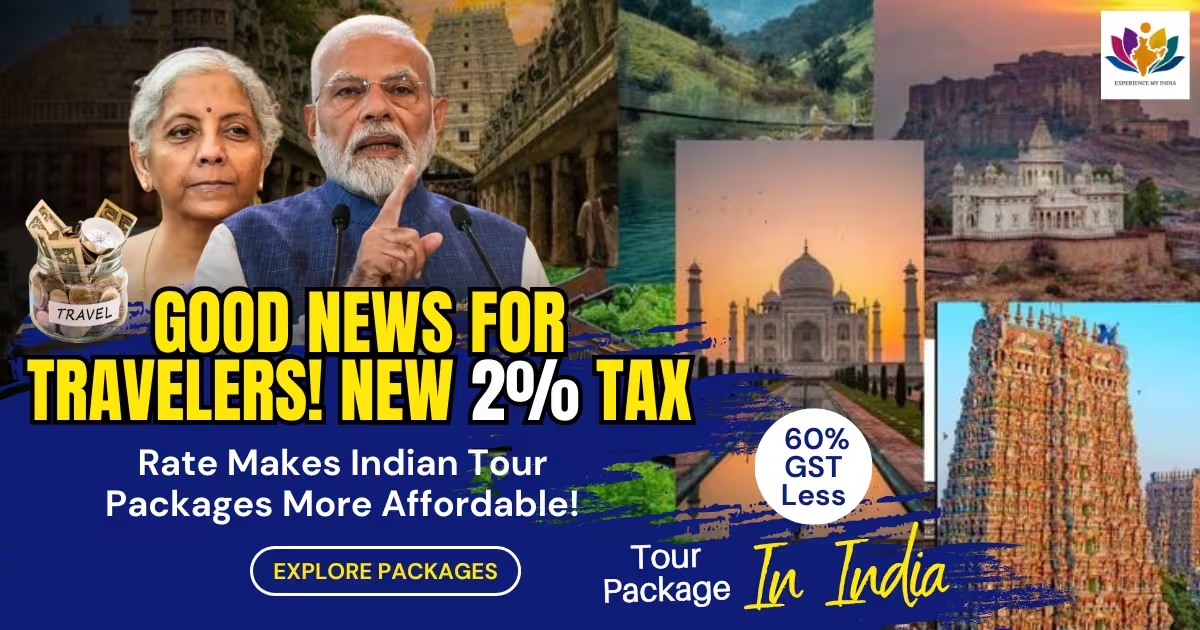
That hesitation is exactly why the 2% Tax Rate on Indian Tour Packages 2026 matters more than it sounds.
This change isn’t just a policy update buried in budget documents. It directly affects how much travellers pay, how tour operators design packages, and how flexible travel planning can finally become. I’ve seen people postpone trips because of small cost jumps. I’ve also seen families squeeze itineraries just to stay within budget. This new tax structure quietly changes that equation.
Let’s break it down, calmly and clearly.
What Changed in the Indian Budget 2026 (And Why People Care)
Before 2026, most domestic tour packages in India attracted a 5% tax rate. It wasn’t always obvious upfront, but it was there. Added at the final stage. And it often tipped budgets just enough to cause second thoughts.
With the Indian Budget 2026, the government reduced this to a 2% tax rate on all domestic tour packages. On paper, it looks like a 3% cut. In real life, it feels bigger than that.
In my experience, travellers don’t think in percentages. They think in totals. A lower tax means clearer pricing and fewer last-minute surprises.
2% Tax Rate on Indian Tour Packages 2026 Explained Simply
Here’s the thing. The 2% Tax Rate on Indian Tour Packages 2026 applies specifically to domestic tour packages offered by registered Indian tour operators. It covers structured packages that include transport, accommodation, and planned services.
This isn’t about air tickets alone. It’s about complete travel experiences. That’s where the real relief comes in.
Surprisingly, many travellers don’t realize how much tax contributes to final package costs until it’s reduced. When it is, the difference feels immediate.
Before vs After: Tax Comparison on Tour Packages
Tax Comparison Table: Before and After Budget 2026
| Aspect | Before 2026 | After Budget 2026 |
| Tax rate on domestic tour packages | 5% | 2% |
| Impact on total package cost | Higher final billing | Noticeably lower |
| Pricing flexibility for operators | Limited | Improved |
| Value perception for travellers | Often felt expensive | Feels more reasonable |
| Scope for customization | Restricted by cost | Easier to adjust |
This table doesn’t shout. But it explains a lot.
How This Impacts Travelers in Real Terms
Let’s talk practical impact, not policy language.
If you were planning a ₹50,000 domestic tour package earlier, the tax alone added ₹2,500. Under the new structure, it adds ₹1,000. That ₹1,500 difference can cover an extra night, better transport, or simply peace of mind.
I’ve found that travellers often use this saving to slow their trip down instead of cutting corners. One extra day. One better hotel. Sometimes just less stress.
And honestly, that matters.
What This Means for Families, Seniors, and First-Time Travelers
Different travellers feel this change differently.
Families often work with fixed budgets. A lower tax makes it easier to plan complete itineraries without compromising comfort.
Senior travellers usually prefer smoother travel, better hotels, and shorter travel days. Earlier, tax costs sometimes forced uncomfortable adjustments. Now, that pressure eases slightly.
First-time travellers, especially those booking guided tours, benefit the most. The 2 percent tax on tour packages in India reduces hesitation and makes packaged travel feel less intimidating.
How Tour Operators Are Adjusting to the New Tax Rule
The tax rules for Indian tour operators 2026 don’t just benefit travellers. They change how operators plan.
Lower tax allows:
- More transparent pricing
- Cleaner package breakdowns
- Better scope for customization
In my experience, operators now have more breathing room. Instead of trimming inclusions, they can focus on improving flow and pacing. That’s a quiet but important shift.
However, not everything changes overnight. Some operators may still price conservatively. Others may pass benefits more clearly. Awareness matters.
Does This Apply to All Tour Packages?
This is where nuance comes in.
The GST rate on tour packages 2026 India applies to domestic tour packages offered by registered operators. It doesn’t automatically apply to:
- International tour packages
- Standalone hotel bookings
- Flight-only bookings
So while the news is good, travellers still need clarity while booking. Asking simple questions upfront helps.
Why Timing Matters More Than Ever in 2026
Lower tax doesn’t mean unlimited availability. Popular destinations still fill fast. Hotels still raise rates during peak seasons. Transport still has capacity limits.
What changes is how flexible you can be within your budget.
I’ve noticed travellers now book earlier, not later. Not because of fear, but because planning feels more rewarding when costs don’t keep creeping up.
That shift in mindset might be one of the biggest long-term effects of the 2% Tax Rate on Indian Tour Packages 2026.
Common Misunderstandings Around the New Tax Rate
Let’s clear a few things that often cause confusion.
Some people think the tax cut means packages will suddenly become cheap. That’s not realistic. Base costs still exist.
Others assume all travel expenses fall under this rule. They don’t.
The real benefit lies in balance. Packages feel fairer. Pricing feels cleaner. And decision-making becomes easier.
That’s progress, even if it’s quiet.
Why Experience My India Fits Well with This Change
Travel planning often becomes stressful when pricing feels unpredictable. The new tax structure reduces that friction, but only if it’s handled transparently. Experience My India works with realistic pricing, clear inclusions, and paced itineraries rather than inflated expectations. This approach aligns well with the new tax environment, where clarity matters more than aggressive selling.
What Travelers Should Do Next
If you’re planning travel in 2026, this is a good time to reassess postponed plans. Not rush them. Revisit them.
Compare packages. Ask about tax components. Look at final pricing instead of headline numbers.
Contact Experience My India Today:
Call Us:+91 7037550028
WhatsApp Us:+91 7037550028
Visit Our Website: Experience My India
Experience My India trip advisor review – Click Here
In my experience, informed travellers enjoy their journeys more. Not because they save money alone, but because they feel in control.
FAQs – 2% Tax Rate on Indian Tour Packages 2026
The 2% tax rate refers to the reduced tax applied to domestic tour packages after the Indian Budget 2026 announcement. Earlier, most domestic tour packages attracted a 5% tax, which increased the final payable amount. With the new rule, travellers now pay only 2% tax on eligible domestic tour packages, making overall travel costs slightly lighter and more predictable.
Not entirely. The 2% tax rate applies to domestic tour packages offered by registered Indian tour operators. It usually covers packages that bundle transport, accommodation, and planned services together. Standalone bookings like only hotel stays, only cab services, or international tour packages do not automatically fall under this reduced tax structure.
In practical terms, the benefit shows up in the final bill. For example, on a mid-range domestic tour package, travellers now save a noticeable amount compared to the earlier 5% tax. In my experience, this saving often allows travellers to upgrade hotels slightly, add an extra day, or simply travel with less budget stress.
As of the Budget 2026 announcement, the 2% tax rate has been introduced as a policy decision for domestic tour packages. While it is not labelled as temporary, tax structures can always be reviewed in future budgets. For now, travellers planning tours in 2026 can safely consider this rate applicable unless officially revised later.
Not always in a dramatic way. Base costs like hotels, transport, and fuel still play a major role in pricing. However, the reduced tax does bring down the final payable amount. The biggest change is transparency. Travellers now see fewer last-minute cost jumps, which makes planning feel more comfortable.
Yes, the tax rate applies to both group and private domestic tour packages, provided they are offered by registered tour operators and meet the criteria of a packaged tour. Whether you’re travelling with family, friends, or as a private group, the tax benefit structure remains the same.
Air tickets booked separately usually do not fall under this tax rule. However, if flights are included as part of a complete domestic tour package, the overall package may be taxed at the reduced 2% rate. This detail can vary by operator, so it’s always good to ask for a clear cost breakup before booking.
First-time travellers often hesitate because of unexpected costs at the final stage of booking. The reduced tax rate helps lower that psychological barrier. It makes packaged travel feel more straightforward and less intimidating, especially for those who prefer guided tours over self-planned trips.
No extra steps are required from the traveller’s side. The tax rate is applied directly by the tour operator while billing the package. That said, it’s always wise to ask the operator whether the pricing shown already includes the 2% tax or if it will be added separately at checkout.
For many travellers, yes. With the reduced tax rate, clearer pricing, and better scope for customization, 2026 becomes a more comfortable year for domestic travel planning. While availability and seasonal pricing still matter, the tax reduction makes early and well-planned bookings feel more rewarding overall.
Conclusion
The 2% Tax Rate on Indian Tour Packages 2026 isn’t a dramatic announcement. It doesn’t change travel overnight. But it nudges the system in the right direction.
It reduces hesitation. It rewards planning. And it makes domestic travel feel just a little more accessible.
Sometimes, that’s all travellers need. A small push. A little clarity. And the confidence to finally say, “Let’s go.”