If you’ve ever tried planning a visit to Jagannath Puri and felt oddly confused, you’re not alone. One person says the temple opens at dawn. Another insists darshan shuts suddenly in the afternoon. Someone else mentions bhog time like it’s a moving target. Honestly, that uncertainty is what sends most first-time visitors into overthinking mode.
So let’s slow it down. No rush. I’ll walk you through the Jagannath Puri Temple timings, rituals, history, and on-ground realities the way you’d explain it to a friend over coffee. Not polished. Just clear.
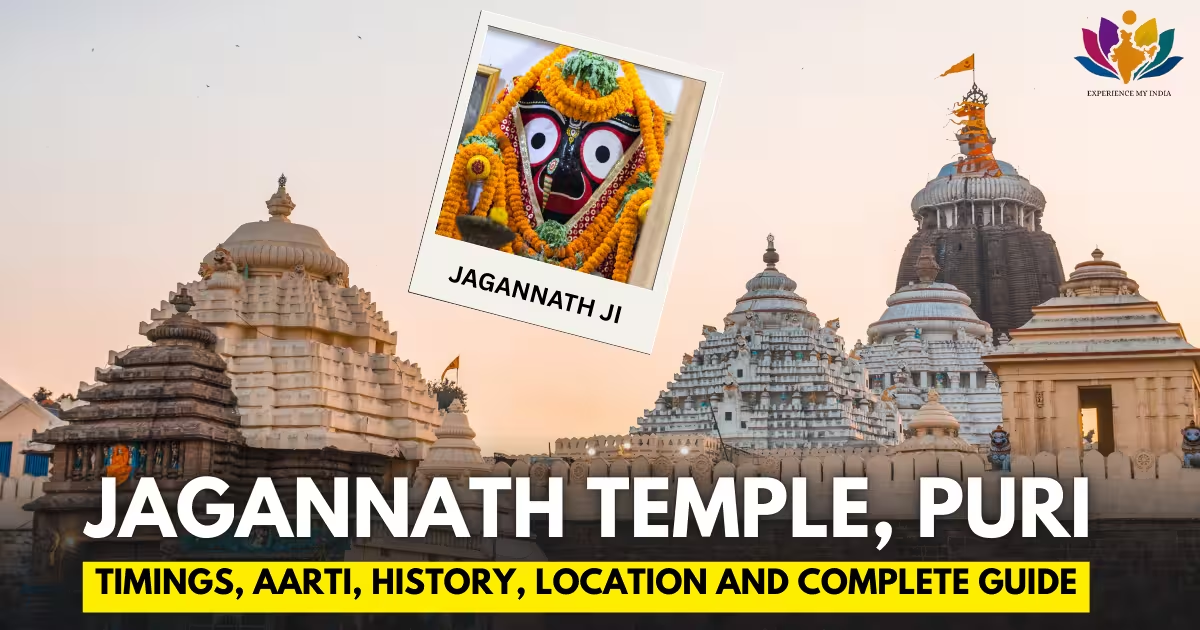
About Jagannath Temple, Puri
The Jagannath Temple isn’t just another temple you tick off a list. It’s alive. The kind of place where rituals decide the rhythm of the day, not clocks or crowds.
Dedicated to Lord Jagannath, along with Balabhadra and Subhadra, the temple sits right in the heart of Puri town. Devotees don’t come here for quick darshan. They come to surrender time.
Surprisingly, even with thousands entering daily, the space never feels chaotic in the way big city temples do. It feels disciplined. Structured. Deeply ritual-led.
A Short History That Actually Helps You Understand the Temple
Here’s the thing. Jagannath Temple history matters because it explains why timings here are flexible.
The temple dates back to the 12th century, built by King Anantavarman Chodaganga Deva of the Eastern Ganga dynasty. Unlike stone idols carved once and worshipped forever, Jagannath’s wooden deities are periodically renewed through Nabakalebara, a ritual that happens every few years.
In my experience, that single fact explains everything. The temple isn’t frozen in time. It’s treated like a living being. Rituals change slightly day to day, season to season, festival to festival.
So yes, timings exist. But they breathe.
Jagannath Puri Temple Timings (Darshan & Rituals)
Let’s get practical now. Below are the standard Jagannath Puri Temple timings most days follow. Think of these as a framework, not a guarantee.
Daily Darshan & Ritual Schedule
- Temple Opens: 5:00 AM
- Morning Darshan: 5:30 AM – 12:00 PM
- Bhog (Naivedya): 12:00 PM – 2:00 PM
- Afternoon Darshan: 2:00 PM – 6:00 PM
- Evening Rituals & Darshan: 6:00 PM – 8:30 PM
- Temple Closes: 9:00 PM
By the way, bhog time isn’t just a break. It’s when the deities are “resting.” Darshan may pause or become restricted. Many visitors don’t know this and feel confused. Now you won’t.
Pro tip: If darshan suddenly stops, don’t panic. Wait. It usually resumes once rituals complete.
Mangala Aarti, Bhog & Daily Seva Explained Simply
People often ask about Mangala Aarti and bhog timings at Jagannath Temple, so here’s the honest breakdown.
- Mangala Aarti happens very early, often before general entry begins. Access is limited and sometimes reserved.
- Bhog offerings happen multiple times daily, with the main bhog window between 12:00 PM and 2:00 PM.
- Mahaprasad prepared here feeds thousands every day. No exaggeration.
I’ve found that visitors who align their visit around darshan, not aarti obsession, enjoy the temple more. You’ll see what I mean once you’re there.
Best Time to Visit Jagannath Temple, Puri
There are two answers here. The calm answer. And the spiritual answer.
For Comfortable Darshan
- October to February works best
- Mornings between 6:00 AM and 8:30 AM are quieter
- Avoid noon unless you’re patient
For Spiritual Energy
- Rath Yatra season (June–July) is unmatched
- Festivals change everything. Crowds grow. Emotions intensify.
Not everything is black and white. Some people love peak festival chaos. Others don’t. Know yourself before choosing dates.
How to Reach Jagannath Temple, Puri
Getting to Puri is straightforward, but the last mile needs planning.
By Train
- Puri Railway Station is well connected
- Temple is around 2–3 km from the station
- Auto and cycle rickshaws are easily available
By Road
- Bhubaneswar to Puri is about 60 km
- Smooth highway drive, roughly 1.5 hours
- Taxis and buses run frequently
And By Air
- Nearest airport: Bhubaneswar
- From there, road or train to Puri
Honestly, road travel from Bhubaneswar feels the least stressful for most visitors.
What First-Time Visitors Often Get Wrong
Let me save you a few small regrets.
- Carrying phones inside. Not allowed.
- Expecting fixed darshan slots. Rare.
- Rushing rituals instead of observing them.
- Ignoring temple instructions from sevayats.
In my experience, people who slow down here leave happier.
Festival Celebrations Worth Knowing About (Points with Clarity)
- Rath Yatra:
- Annual chariot festival, usually June or July
- Deities move from temple to Gundicha Temple
- Darshan routines change completely
- Snana Yatra:
- Public bathing of deities
- Temple closes for several days after
- Nabakalebara (Rare):
- Renewal of wooden idols
- Happens only in specific lunar years
Festival days don’t follow normal Jagannath Puri Temple timings. Plan accordingly.
Nearest Places to See (How Destinations Connect)
- Gundicha Temple:
- Linked directly to Rath Yatra route
- About 3 km from main temple
- Puri Beach:
- Walking distance
- Best visited early morning or evening
- Loknath Temple:
- Often visited before Jagannath darshan
- Deeply respected by locals
Each place connects spiritually, not just geographically.
Safety & Dress Code Tips
- Wear modest clothing
- Avoid peak afternoon heat
- Follow crowd movement
- Keep footwear storage token safe
These sound obvious. Yet they’re often ignored.
Why Experience My India Fits Well for Jagannath Puri Travel
Jagannath Puri isn’t difficult. It’s layered. Darshan depends on ritual flow, festival calendars, and local customs. Experience My India focuses on helping travelers understand when to wait and when to move, instead of forcing tight schedules that don’t work here.
As a Planning Support Partner, Experience My India helps visitors plan temple entry times, darshan windows, and travel pacing so the visit feels respectful, not rushed.
Contact Experience My India Today:
Call Us:+91 7037550028
WhatsApp Us:+91 7037550028
Visit Our Website: Experience My India
Experience My India trip advisor review – Click Here
FAQs – Jagannath Temple, Puri Timings & Darshan
Jagannath Temple generally opens at 5:00 AM and closes around 9:00 PM. However, exact timings may shift slightly depending on daily rituals and festival schedules.
Early morning between 5:30 AM and 8:30 AM is considered best. Crowds are lighter, and darshan feels calmer compared to late mornings and evenings.
Yes, but darshan may pause between 12:00 PM and 2:00 PM due to bhog rituals. Entry resumes once rituals are completed, so waiting is often required.
Mangala Aarti takes place very early in the morning, usually before public darshan hours. Access is limited and may not be available daily for general visitors.
On normal days, darshan can take 30 minutes to 1 hour. During festivals or weekends, waiting time may extend to 2–3 hours or more.
Not always. Ritual-based temples follow seva timings, not fixed clock schedules. Darshan timings may vary during festivals, special rituals, or seasonal events.
During Rath Yatra, normal darshan inside the temple is suspended. The focus shifts to the chariot procession, and temple timings change completely for several days.
Yes, but early morning visits are recommended. Senior visitors should avoid peak crowd hours and afternoon heat for a more comfortable darshan experience.
Mahaprasad is prepared multiple times daily, with the main bhog window between 12:00 PM and 2:00 PM. Availability may vary based on rituals.
Reaching the temple 30–45 minutes before opening time is ideal. Early arrival helps avoid queues and allows smoother entry, especially on busy days.
Conclusion
Jagannath Temple doesn’t reward hurry. It rewards patience.
Once you understand the Jagannath Puri Temple timings, the rhythm of aarti and bhog, and the logic behind its rituals, the confusion fades. What remains is something quieter. Heavier. Real.If you go expecting control, you’ll struggle.
If you go expecting experience, you’ll remember it for years.